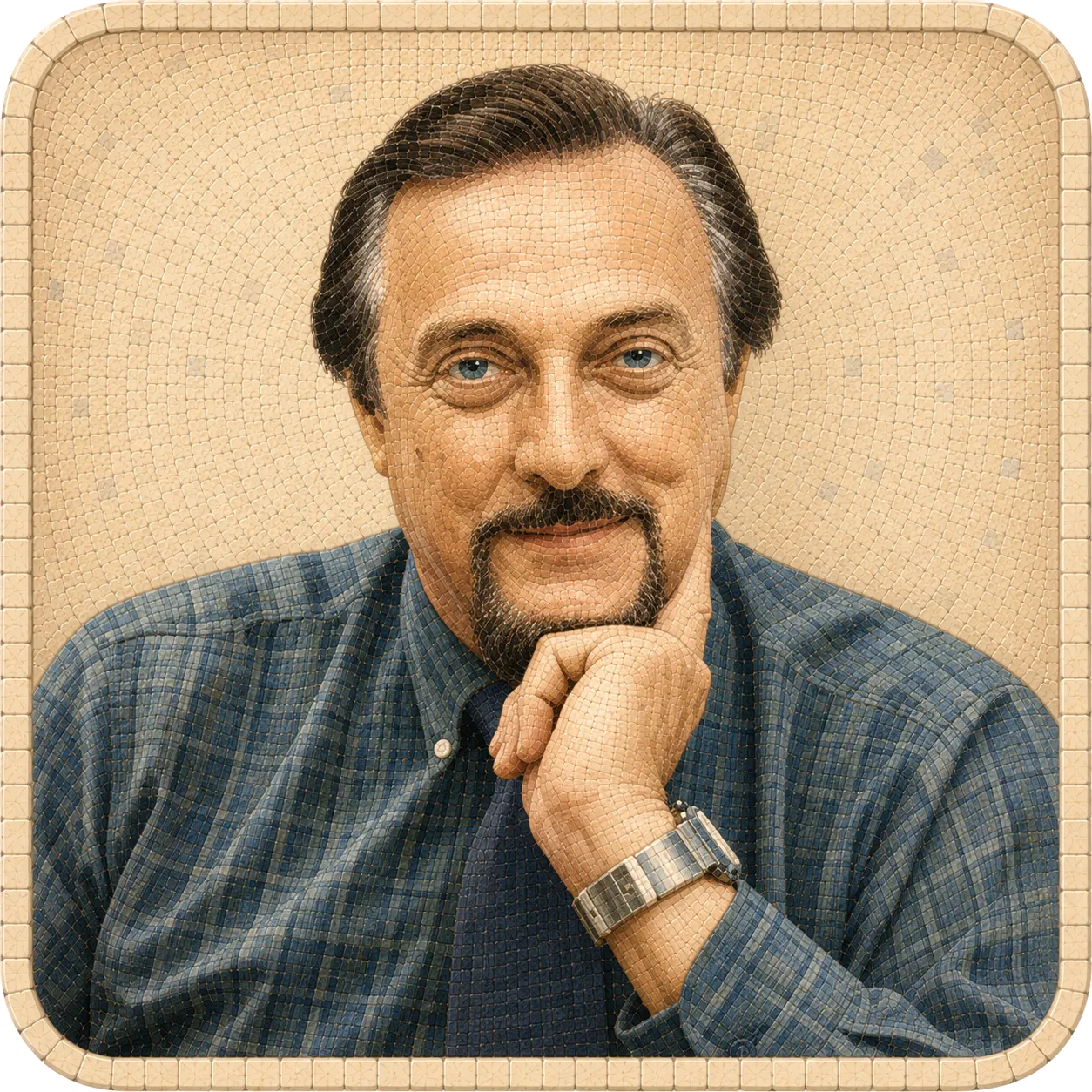
Philip Zimbardo
Good people, powerful situations
A psychologist who studied how situations and roles can reshape human behavior.
techniques
Situations can have a more powerful influence over our behavior than most people appreciate.
Who they were
Philip Zimbardo became known for the Stanford Prison Experiment, in which students assigned to play guards and prisoners slipped alarmingly fast into their roles. He argued that behavior is shaped less by fixed character than by the situations and systems people are placed within. Later in life he turned the same lens toward the good, studying shyness, time perspective, and what he called everyday heroism. His career traced a single thread: understanding how circumstance can corrupt, and how it might also ennoble.
Famous books
What they left on the shelf
Terms they cared about
Ideas worth knowing
Their techniques
How the work was done
Their big idea
Situationism
Philip Zimbardo argued that circumstances, roles, and settings shape conduct more powerfully than character alone, as his prison study suggested when good people slipped into cruelty. He later turned the same lens toward heroism, asking how the right situation can call out our better selves.
Questions in their spirit
What they’d ask you
Sit with one. Answer online, or in the app.

Carry the idea forward
Zimbardo — What they’d ask you
Psipas asks you one small, honest question at a time — and builds the picture from your answers.