The thinkers
The minds who mapped the inner world.
From Freud’s unconscious to Ainsworth’s attachment, these are the people whose ideas became the questions Psipas asks. Each is drawn as a mosaic portrait — and opens into the terms, techniques and questions they gave us.
Search the thinkers /
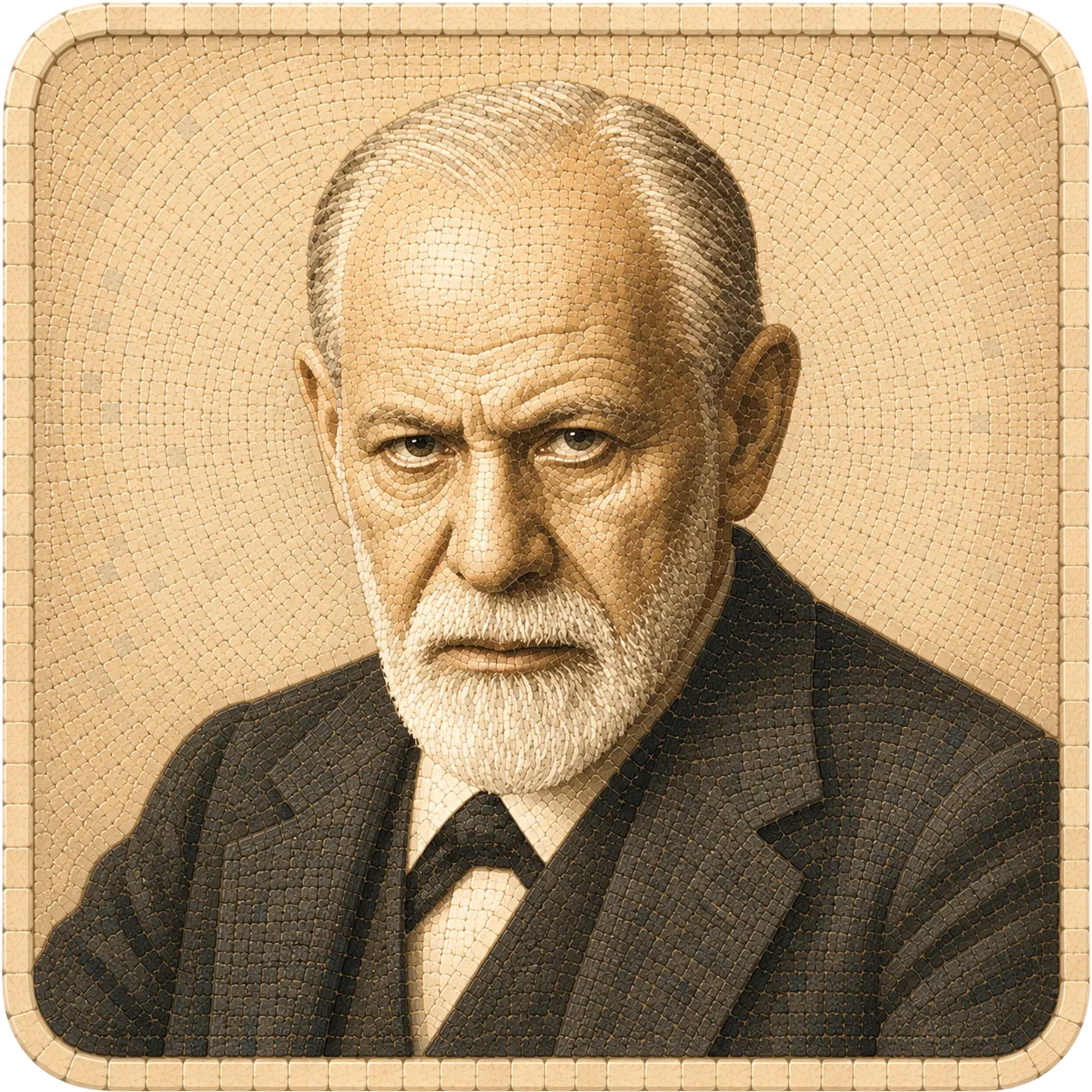
Psychoanalysis
Sigmund Freud
1856 – 1939
The architect of the unconscious mind.
Open profile 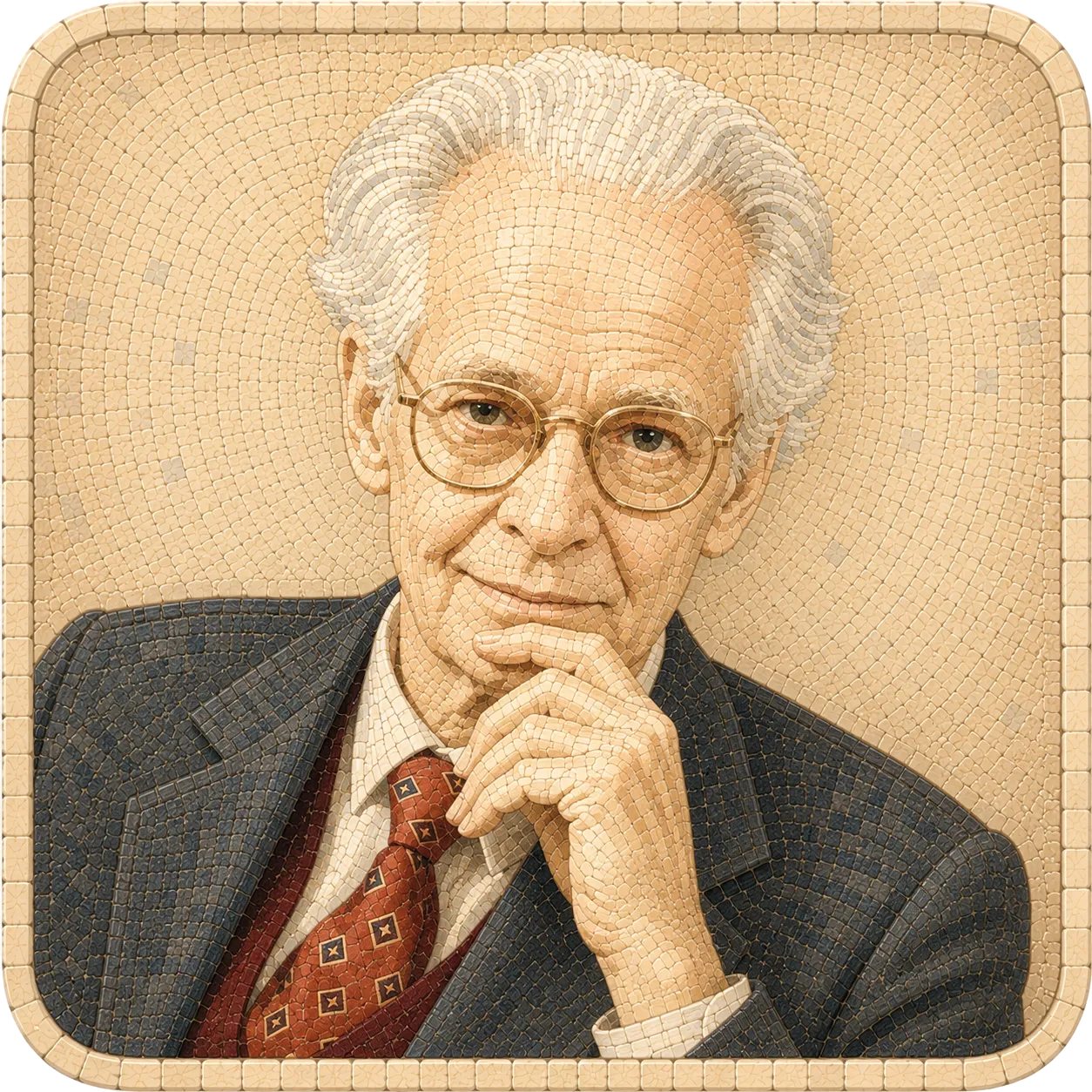
Behaviorism
B. F. Skinner
1904 – 1990
Behavior is shaped by consequence.
Open profile 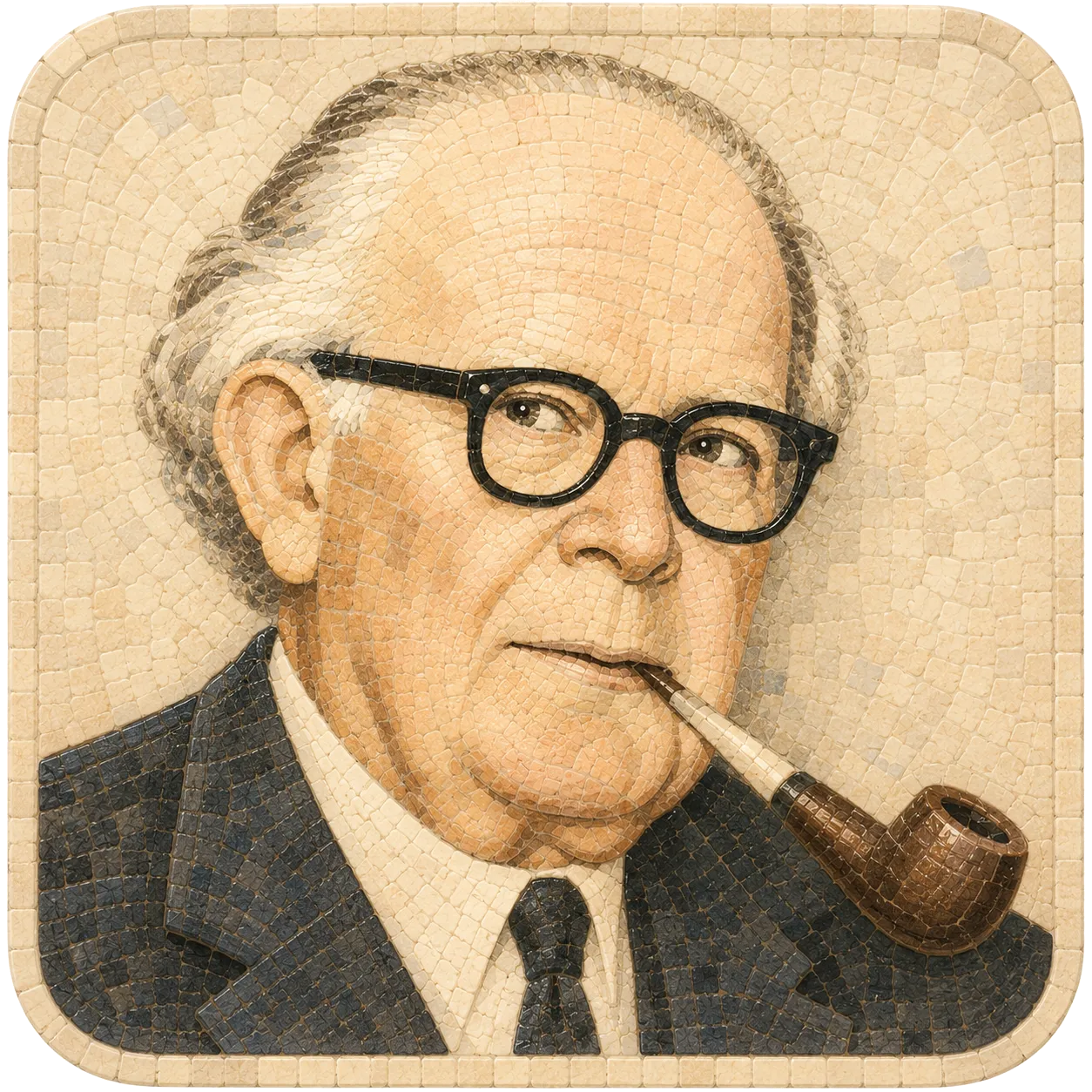
Developmental Psychology
Jean Piaget
1896 – 1980
Mapped how thinking grows.
Open profile 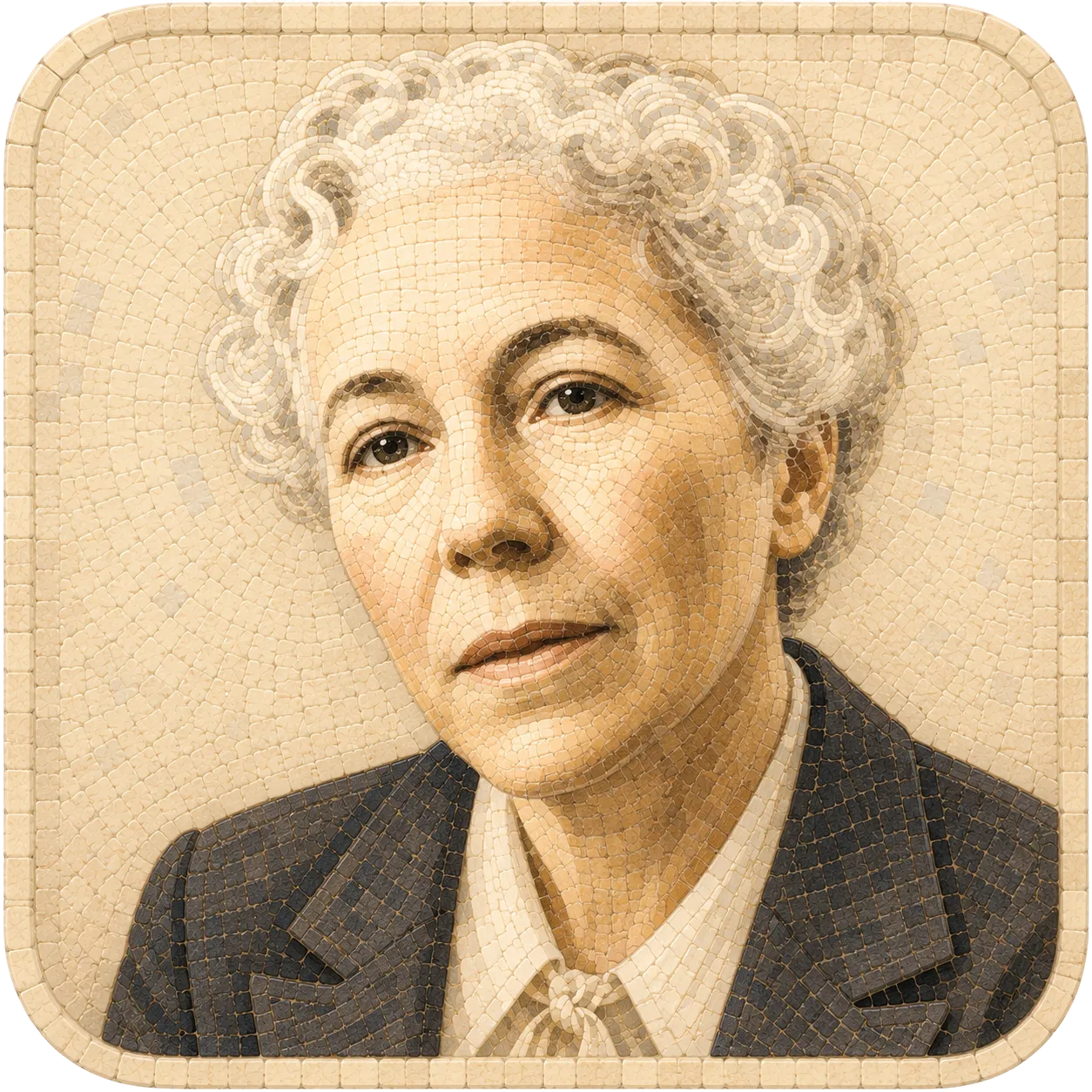
Neo-Freudian
Karen Horney
1885 – 1952
Rethought anxiety and the self.
Open profile 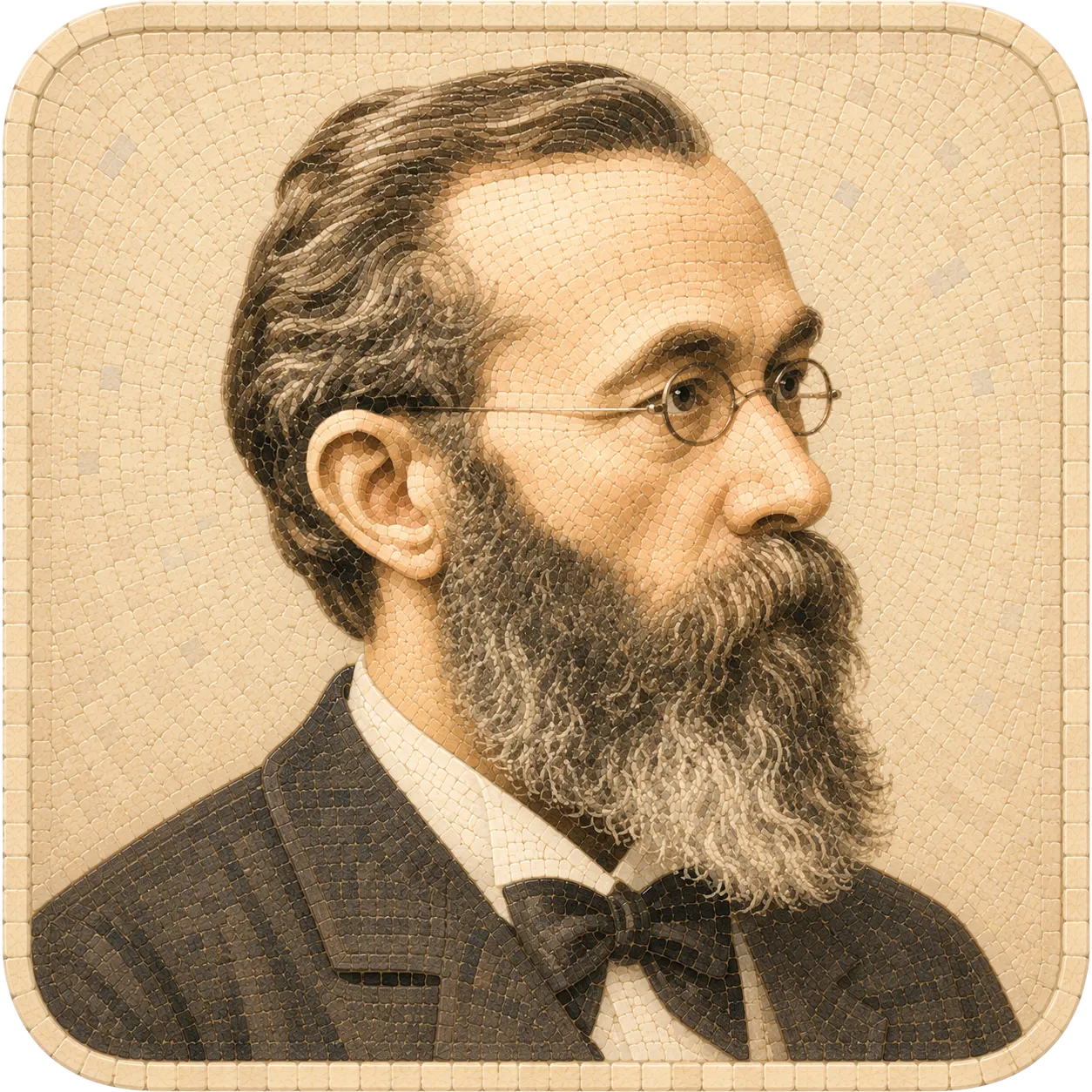
Structuralism
Wilhelm Wundt
1832 – 1920
Opened the first psychology lab.
Open profile 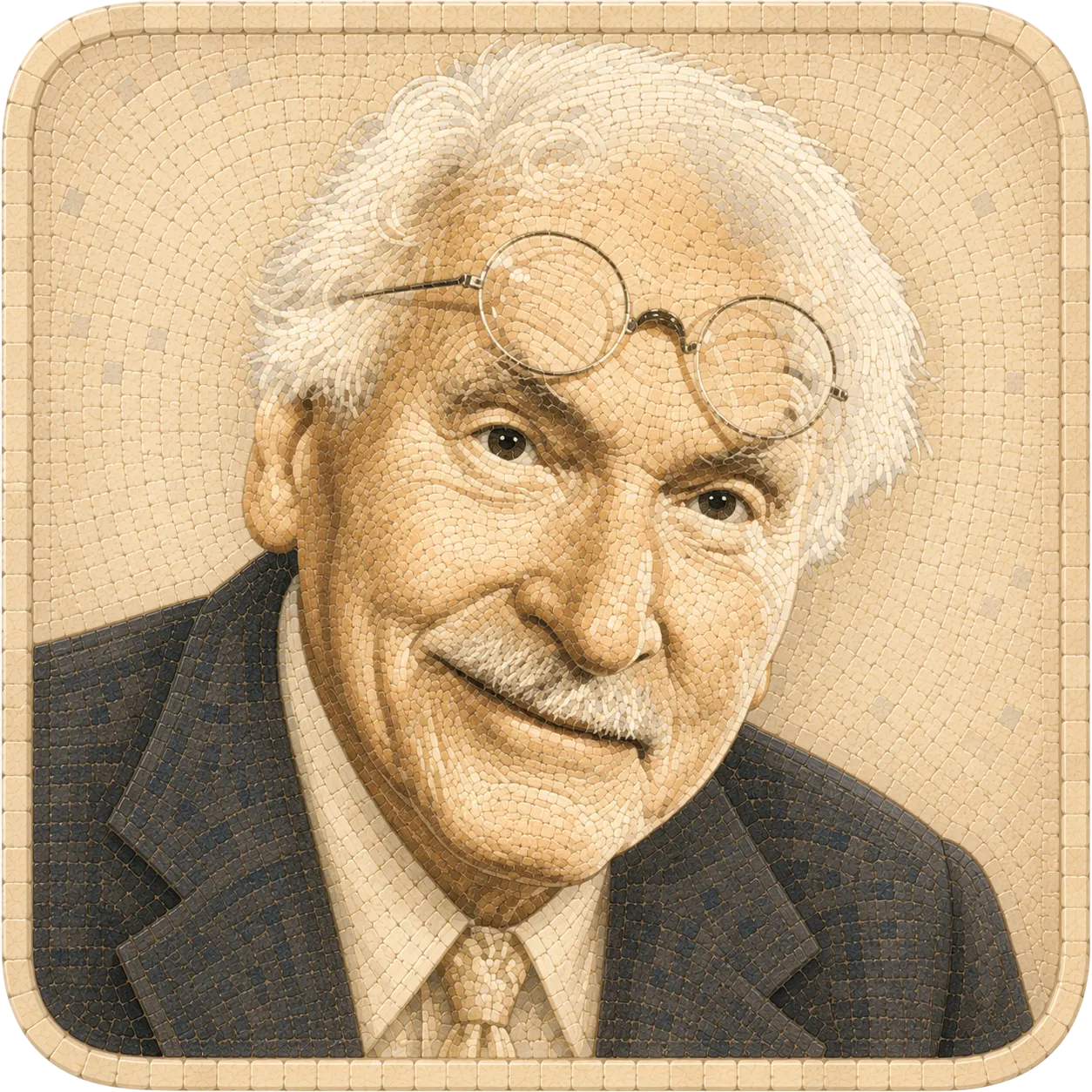
Analytical Psychology
Carl Jung
1875 – 1961
Mapped the symbols of the deeper self.
Open profile 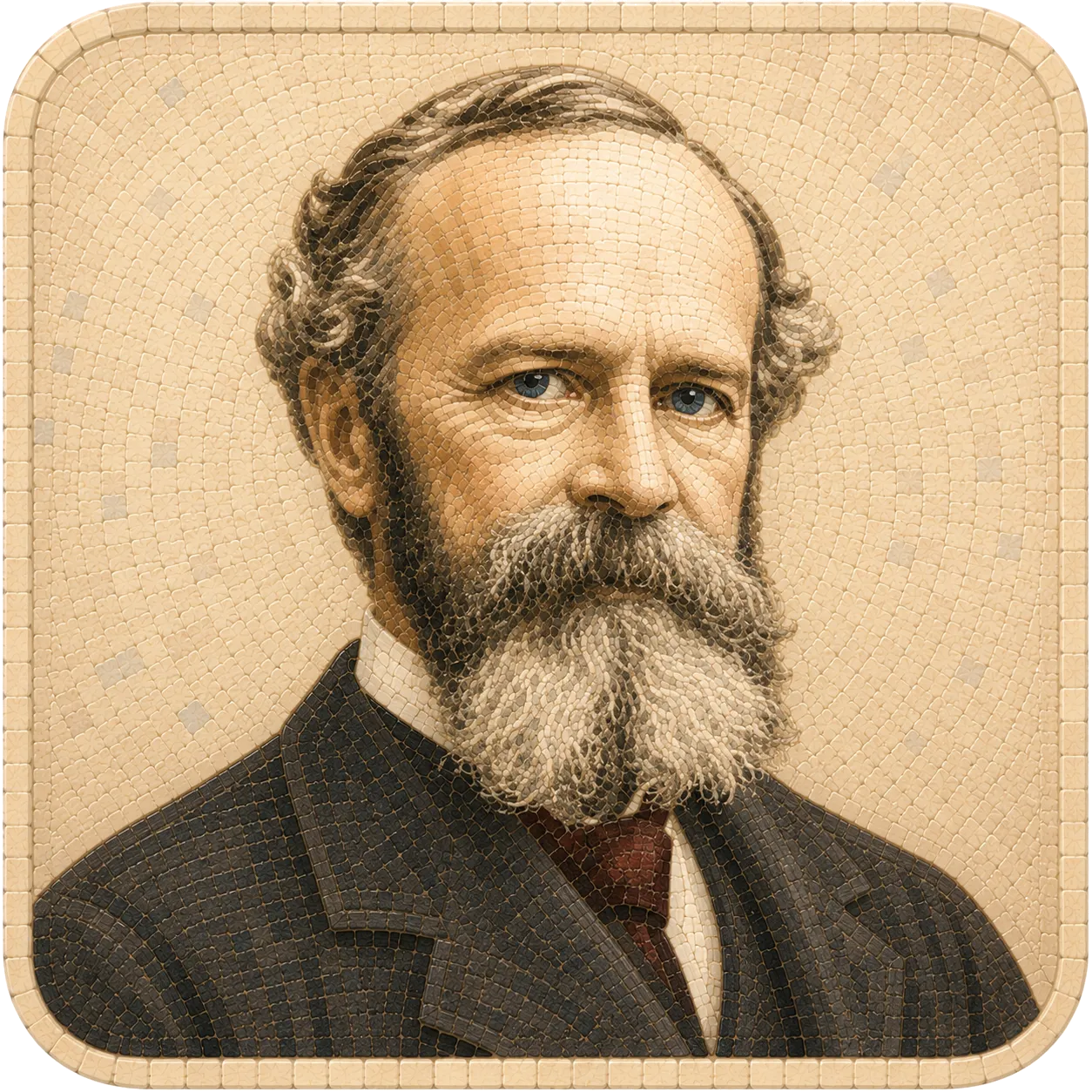
Functionalism
William James
1842 – 1910
The father of American psychology.
Open profile 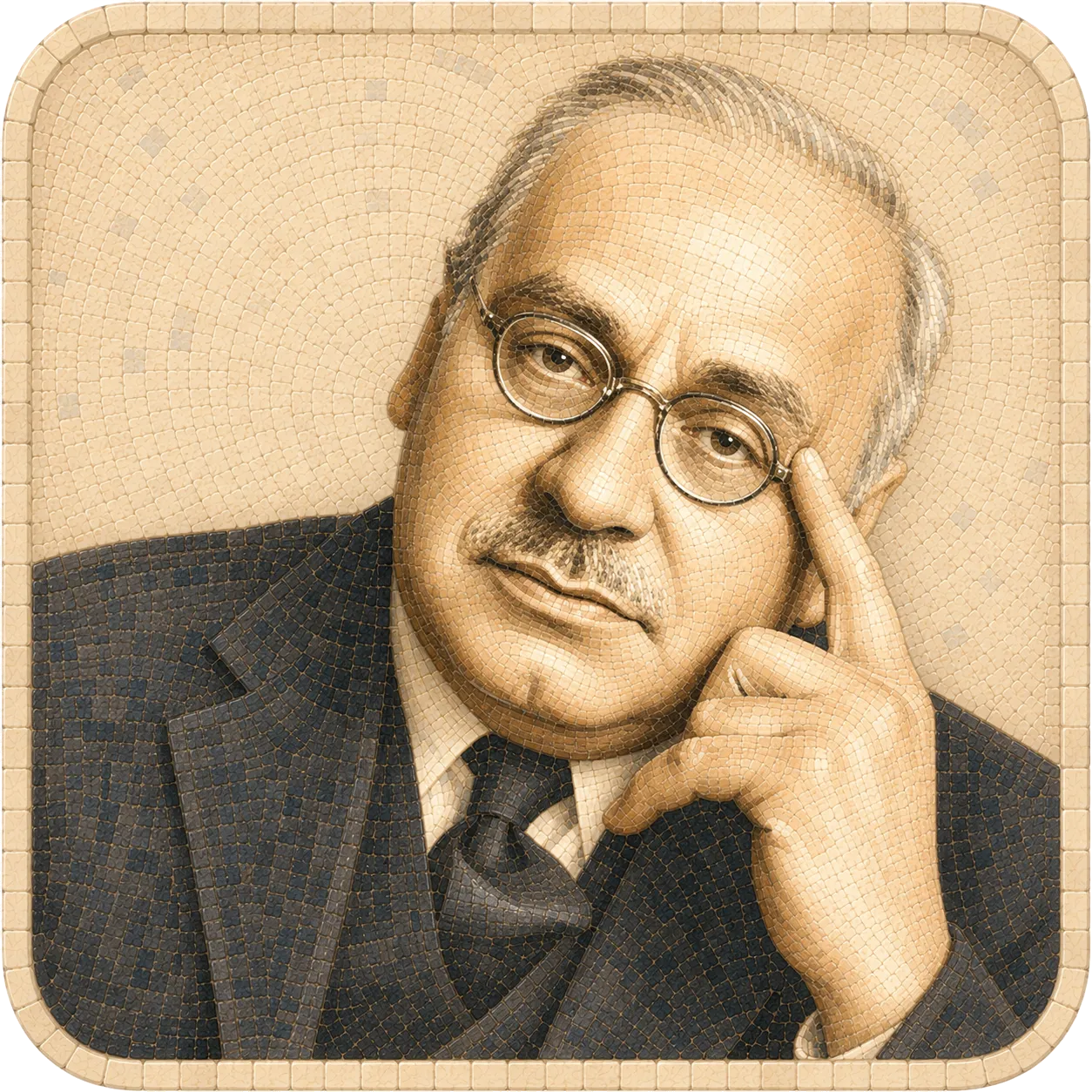
Individual Psychology
Alfred Adler
1870 – 1937
Centered striving and belonging.
Open profile 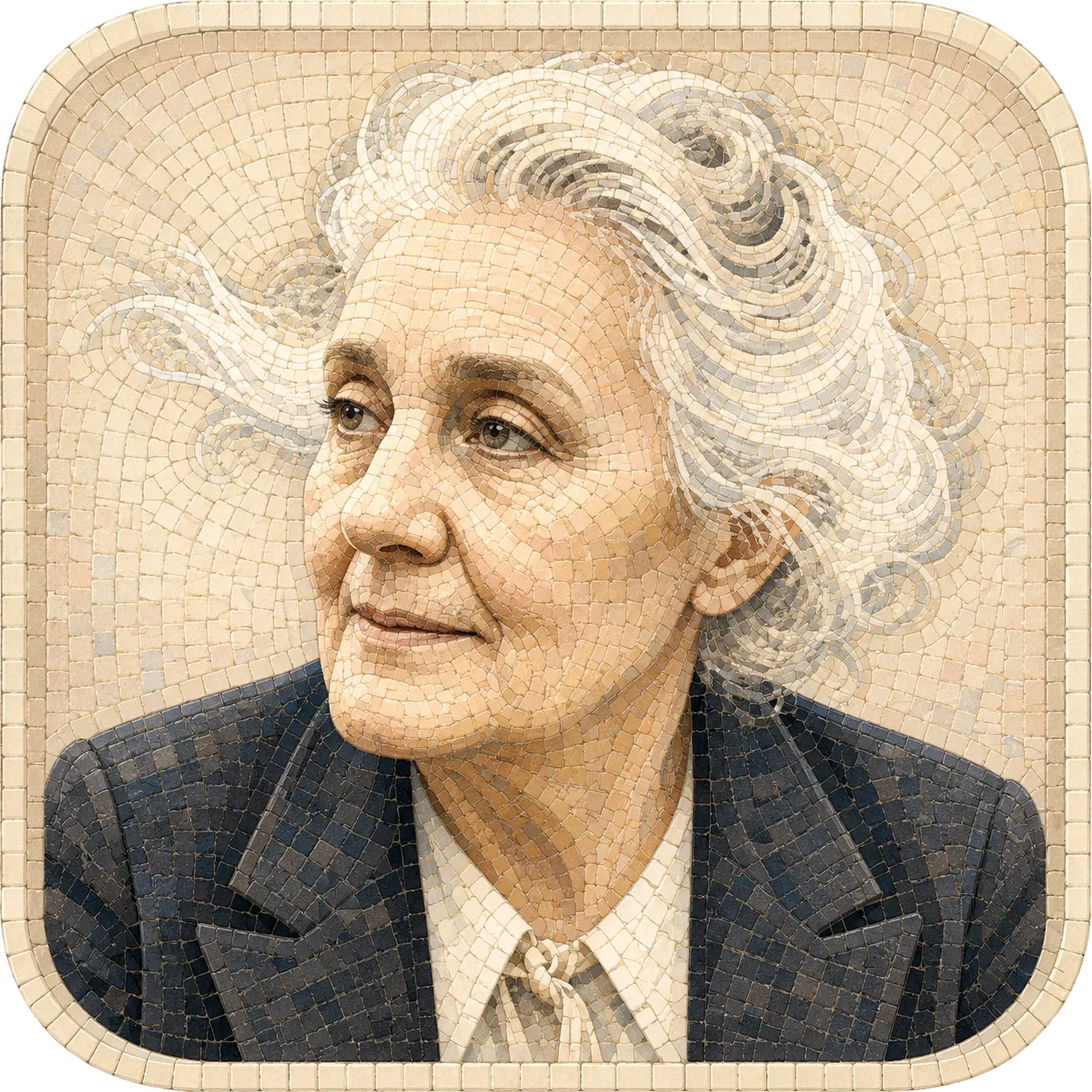
Object Relations
Melanie Klein
1882 – 1960
The inner world begins in infancy
Open profile 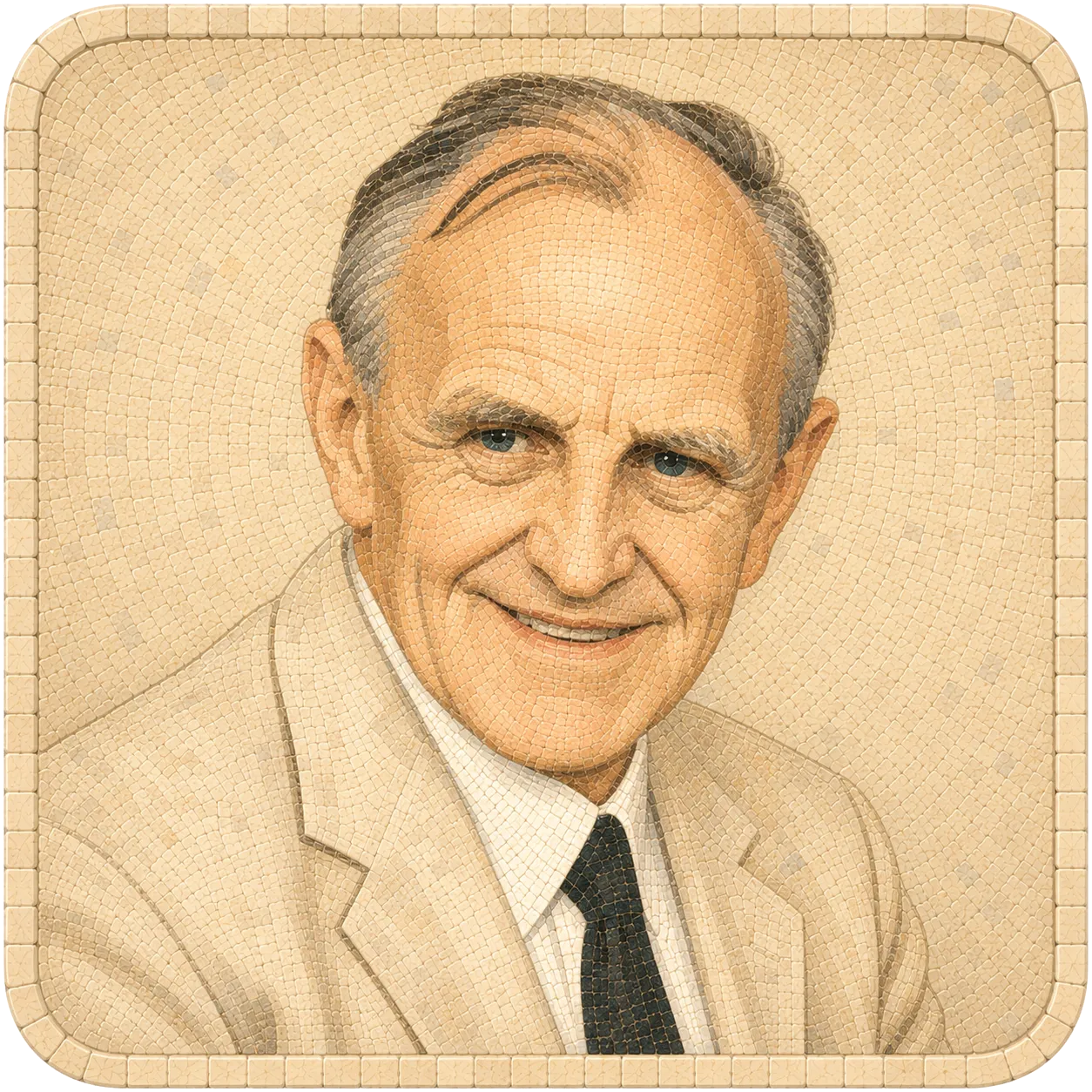
Object Relations
Donald Winnicott
1896 – 1971
There is no such thing as a baby — only a baby and someone
Open profile 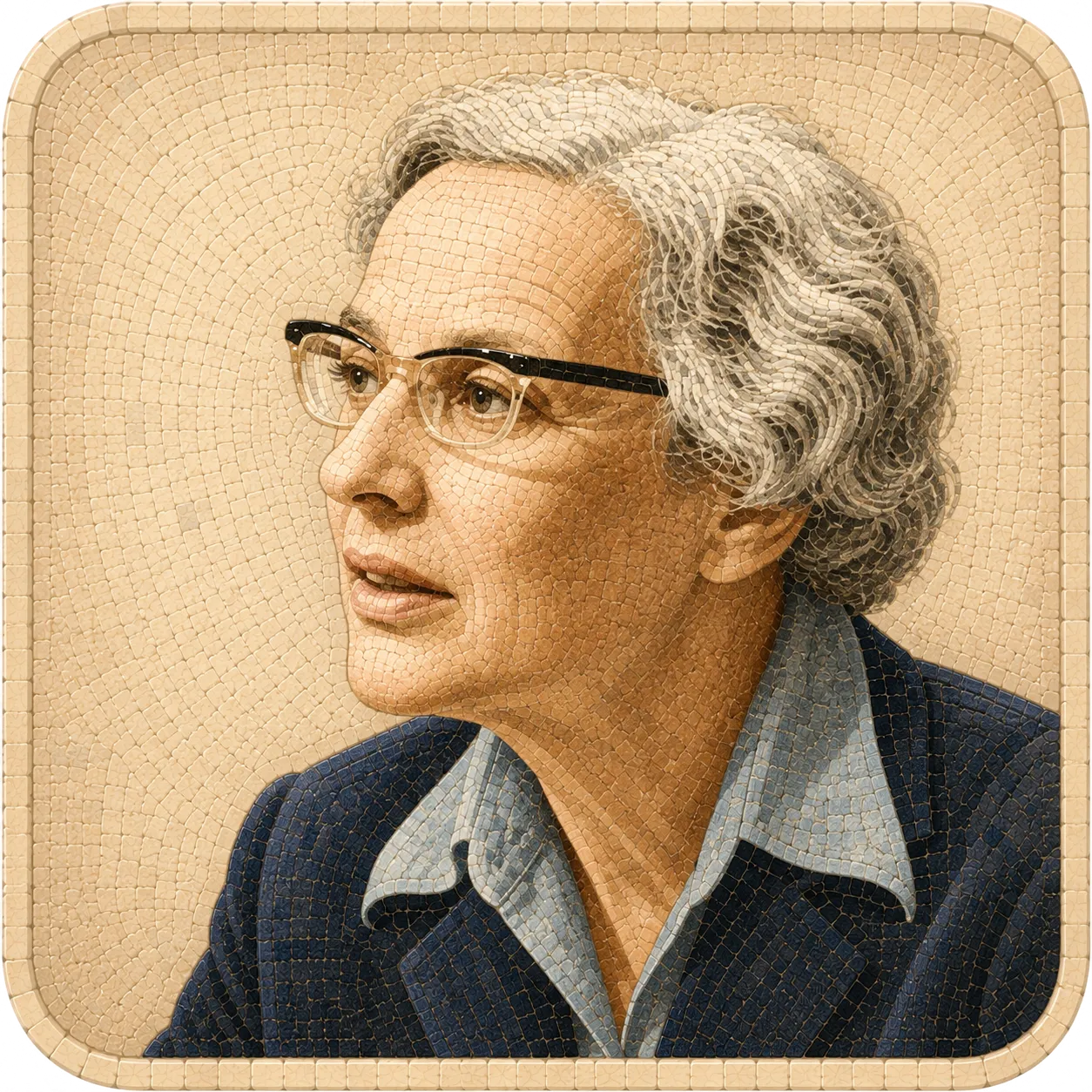
Analytical Psychology
Marie-Louise von Franz
1915 – 1998
Read fairy tales as maps of the psyche.
Open profile 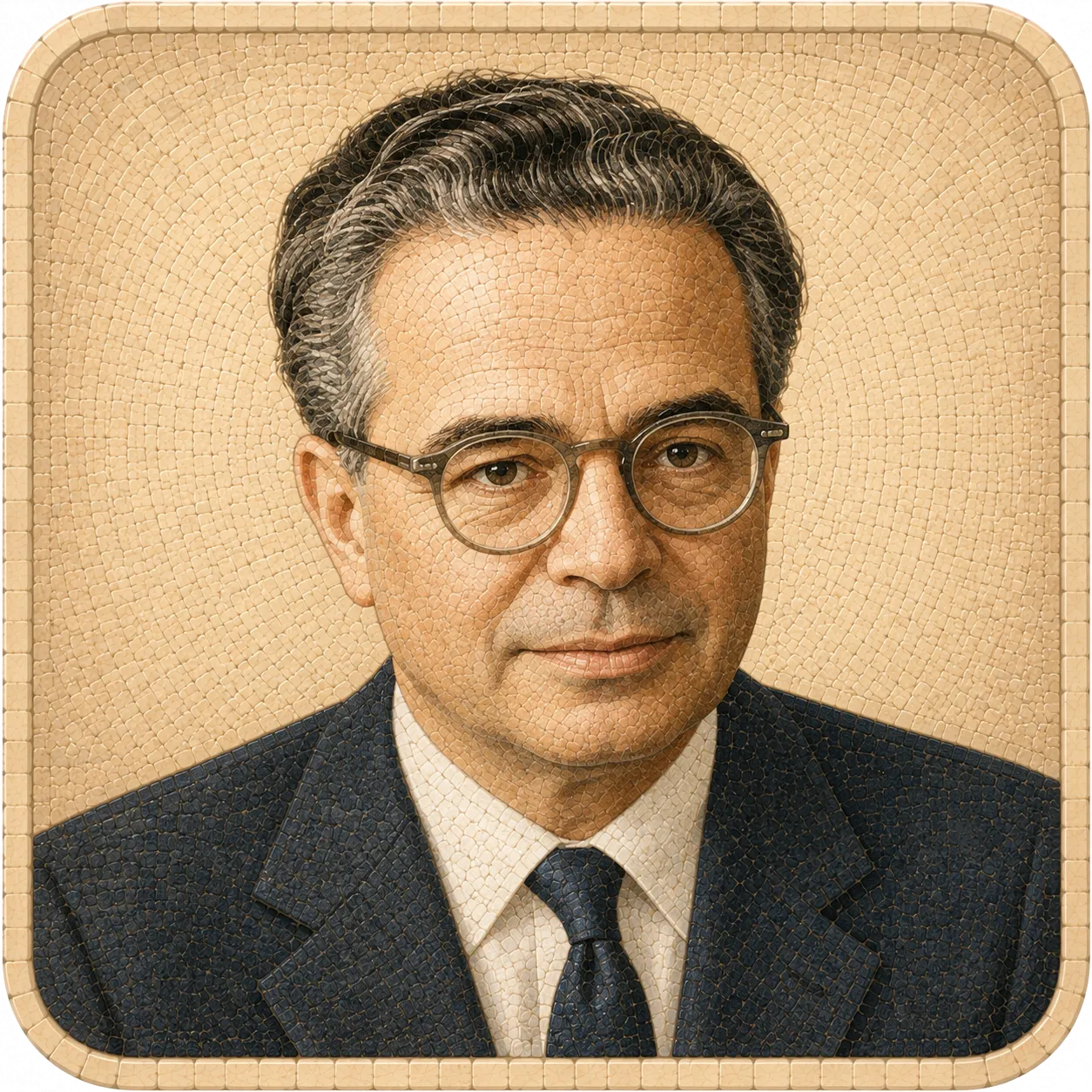
Analytical Psychology
Erich Neumann
1905 – 1960
Traced how consciousness itself was born.
Open profile 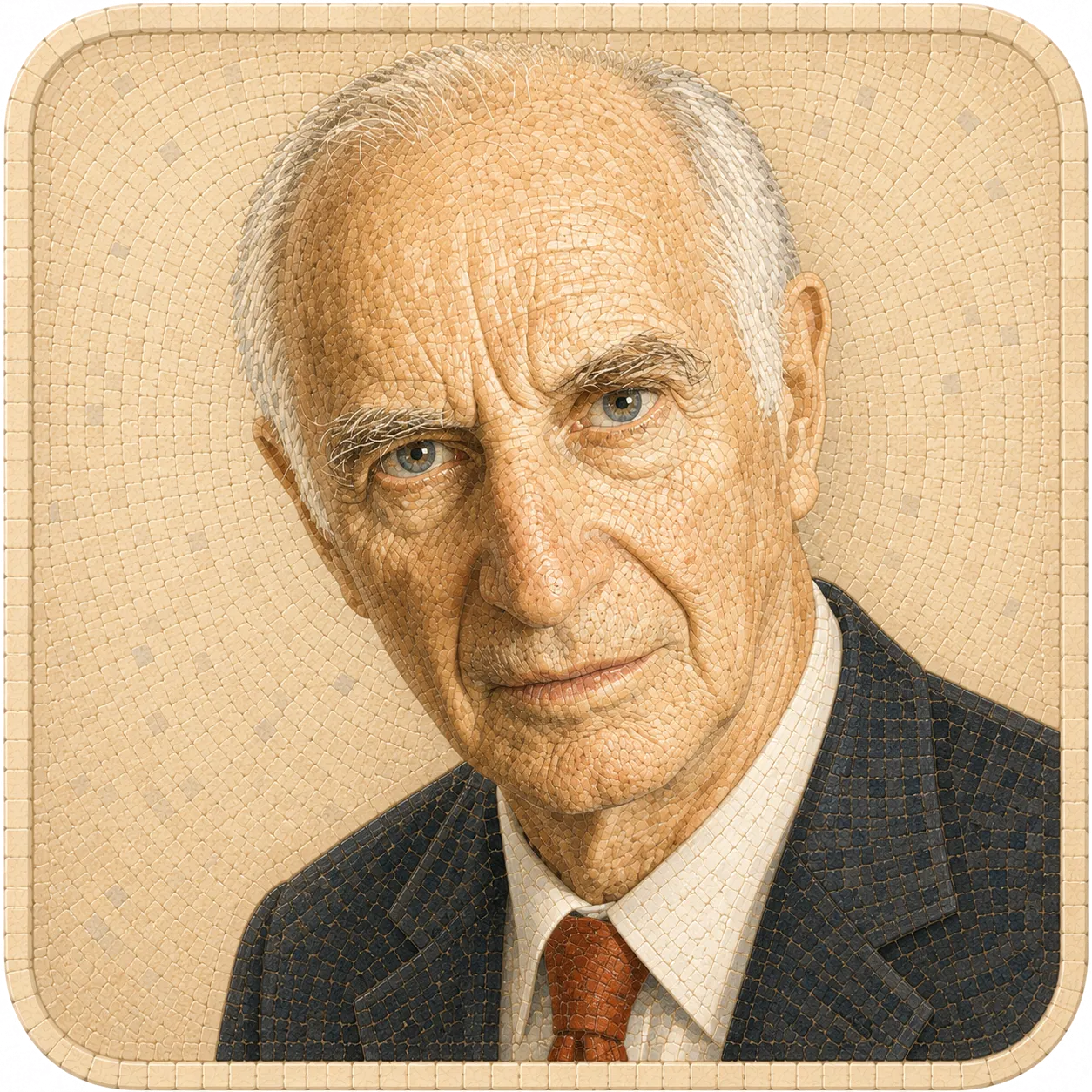
Archetypal Psychology
James Hillman
1926 – 2011
Wanted psychology to give the soul back its images.
Open profile 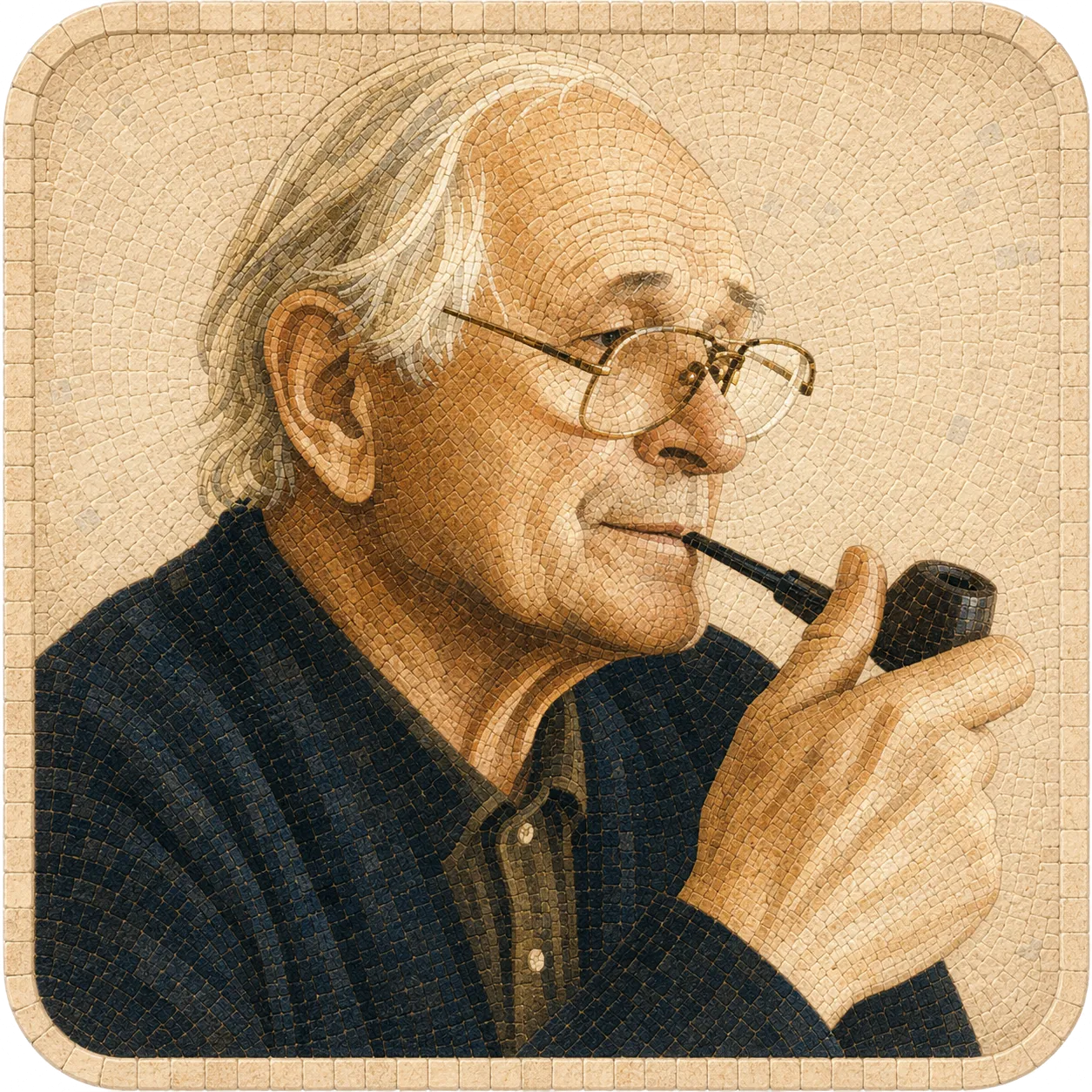
Analytical Psychology
Michael Fordham
1905 – 1995
Found the self already present in infancy.
Open profile 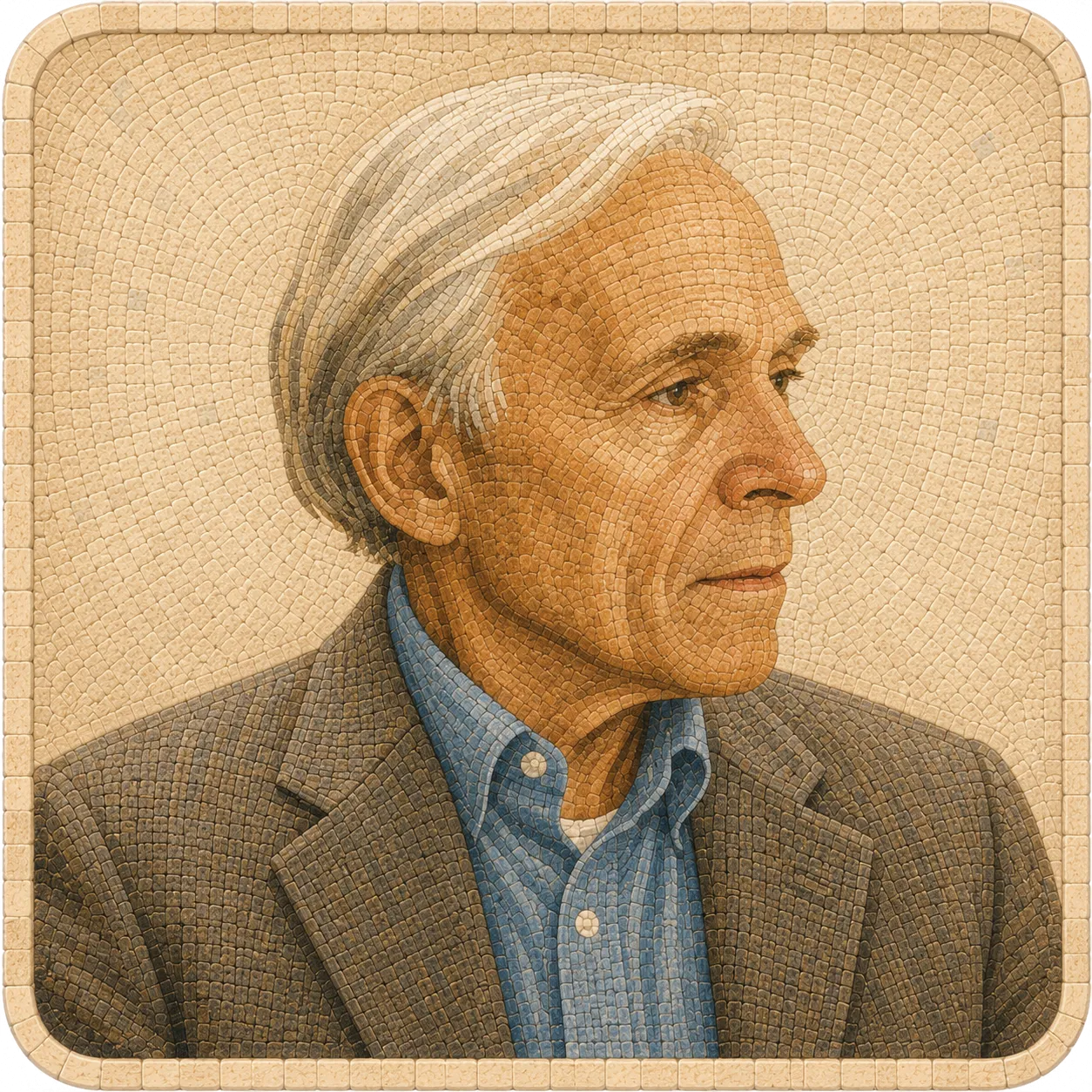
Analytical Psychology
Edward Edinger
1922 – 1998
Charted the lifelong dialogue between ego and self.
Open profile 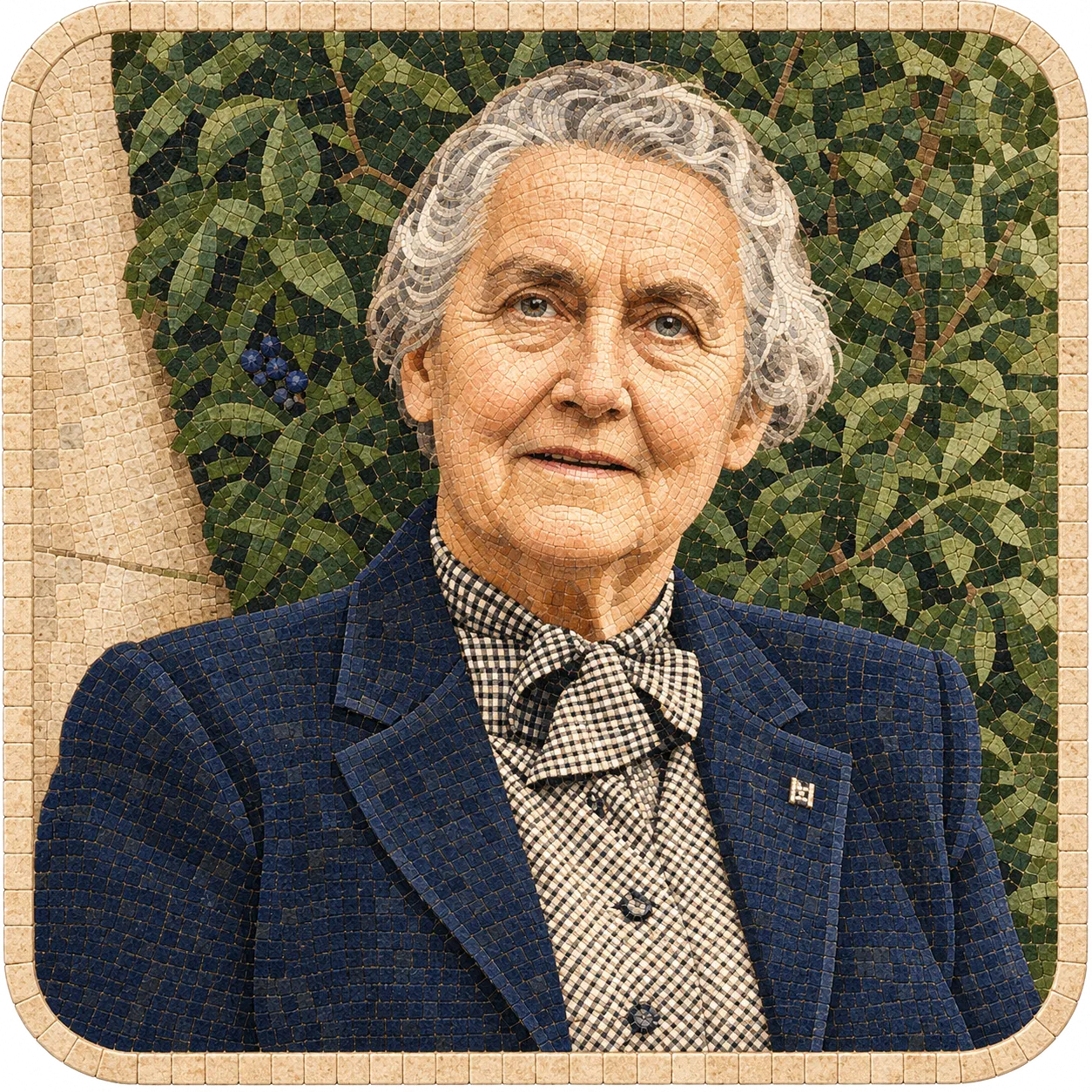
Analytical Psychology
Emma Jung
1882 – 1955
Gave the inner other a serious hearing.
Open profile 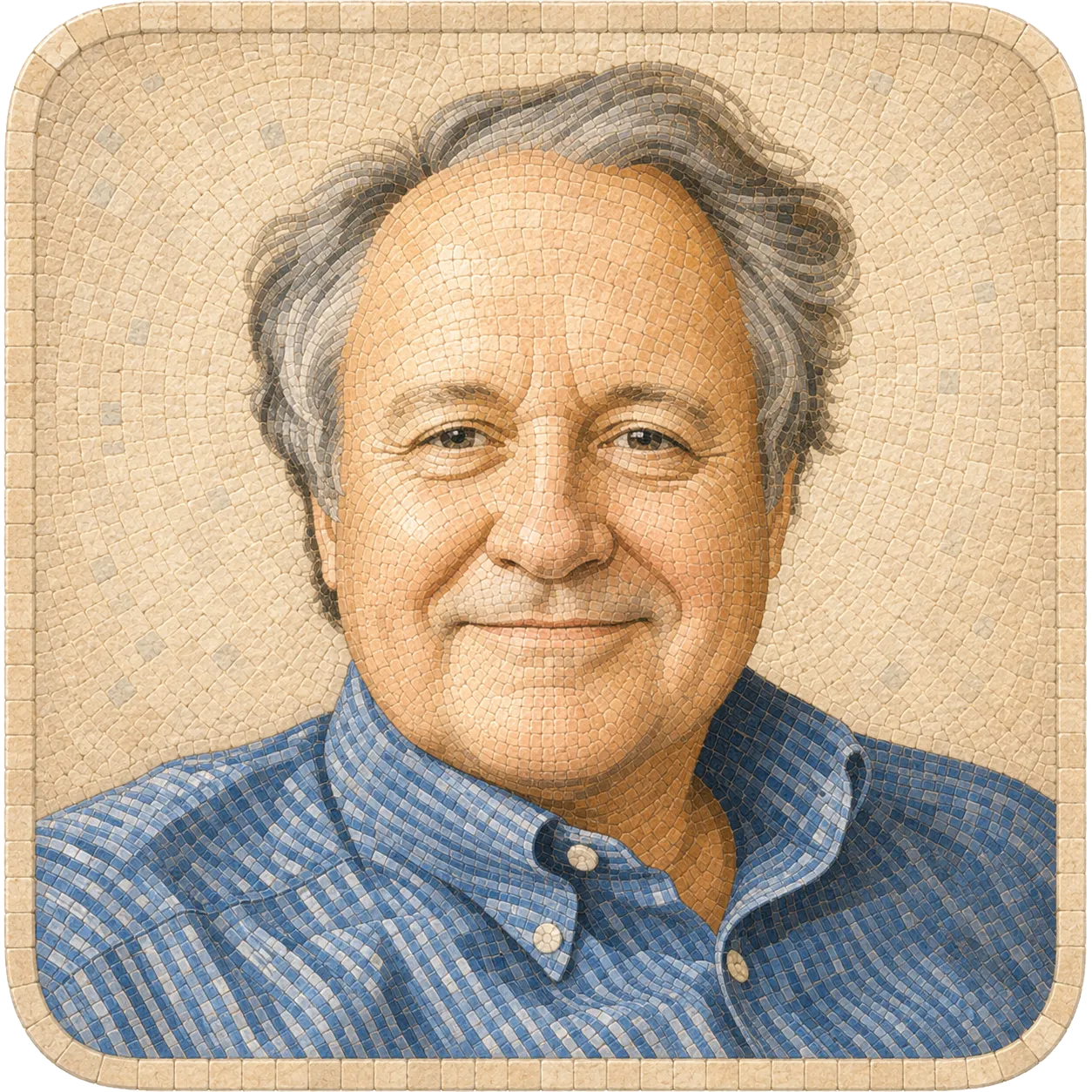
Analytical Psychology
Donald Kalsched
b. 1943
Showed how the psyche defends itself too well.
Open profile 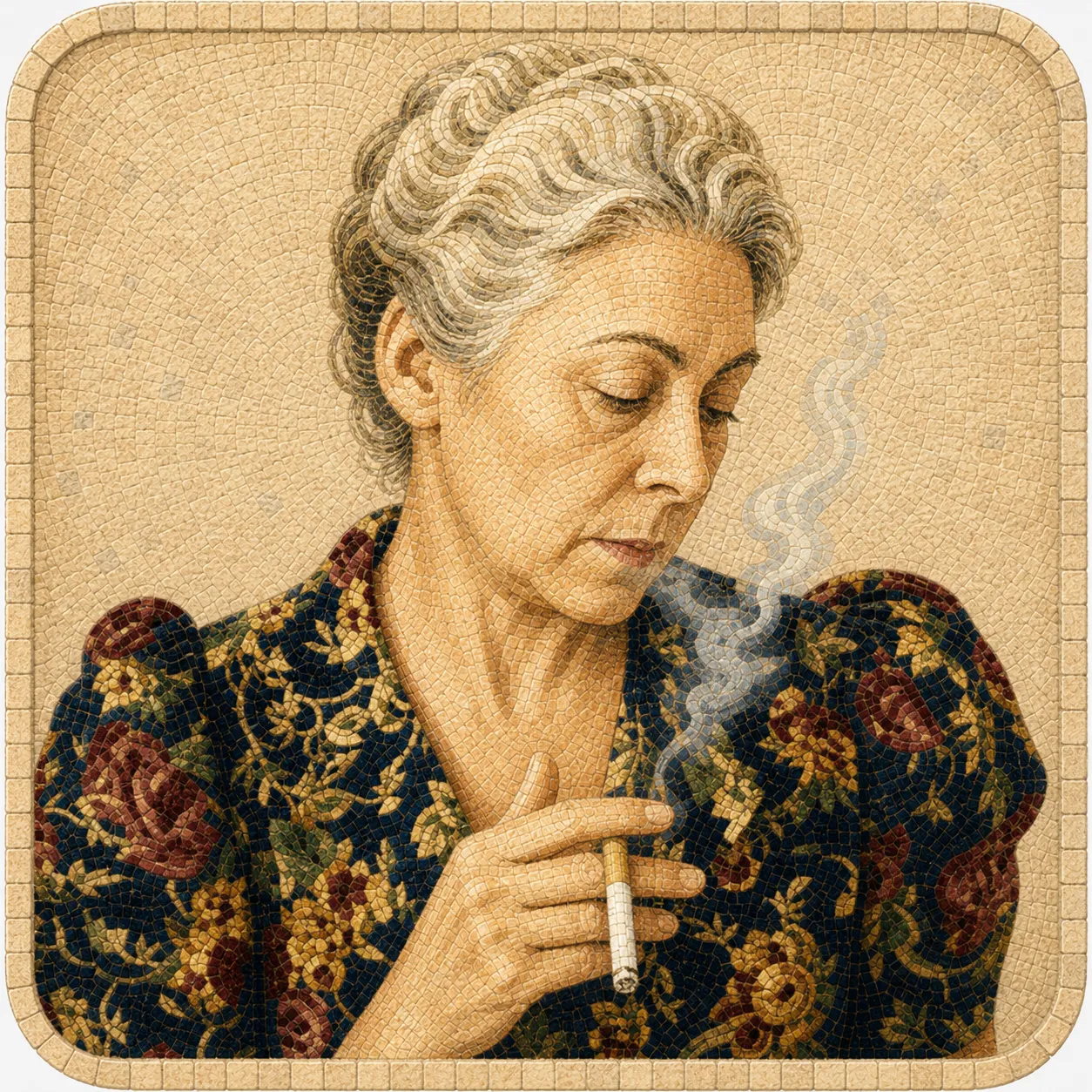
Analytical Psychology
Toni Wolff
1888 – 1953
Mapped four ways of being a woman.
Open profile 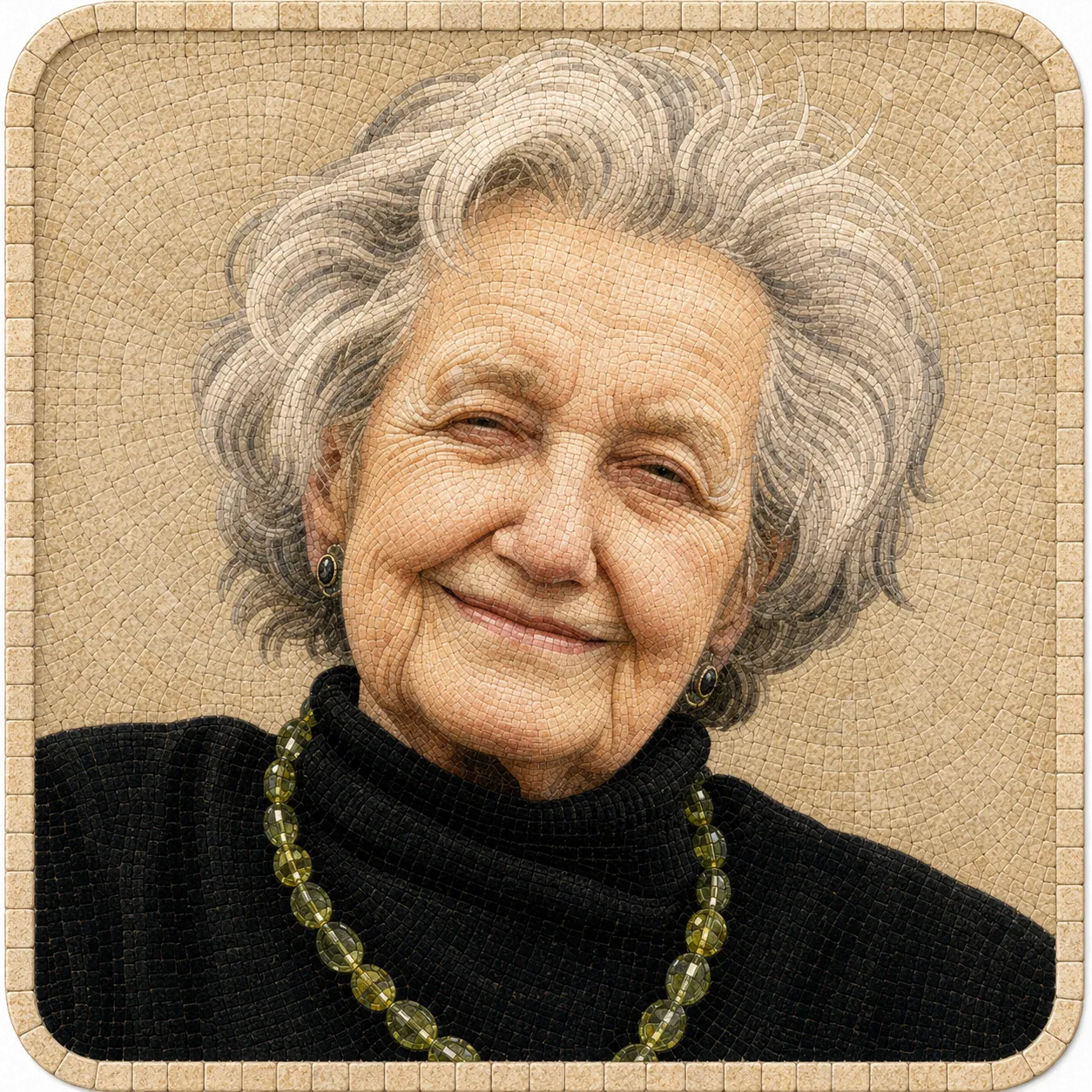
Neuropsychology
Brenda Milner
b. 1918
Proved the brain keeps two kinds of memory.
Open profile 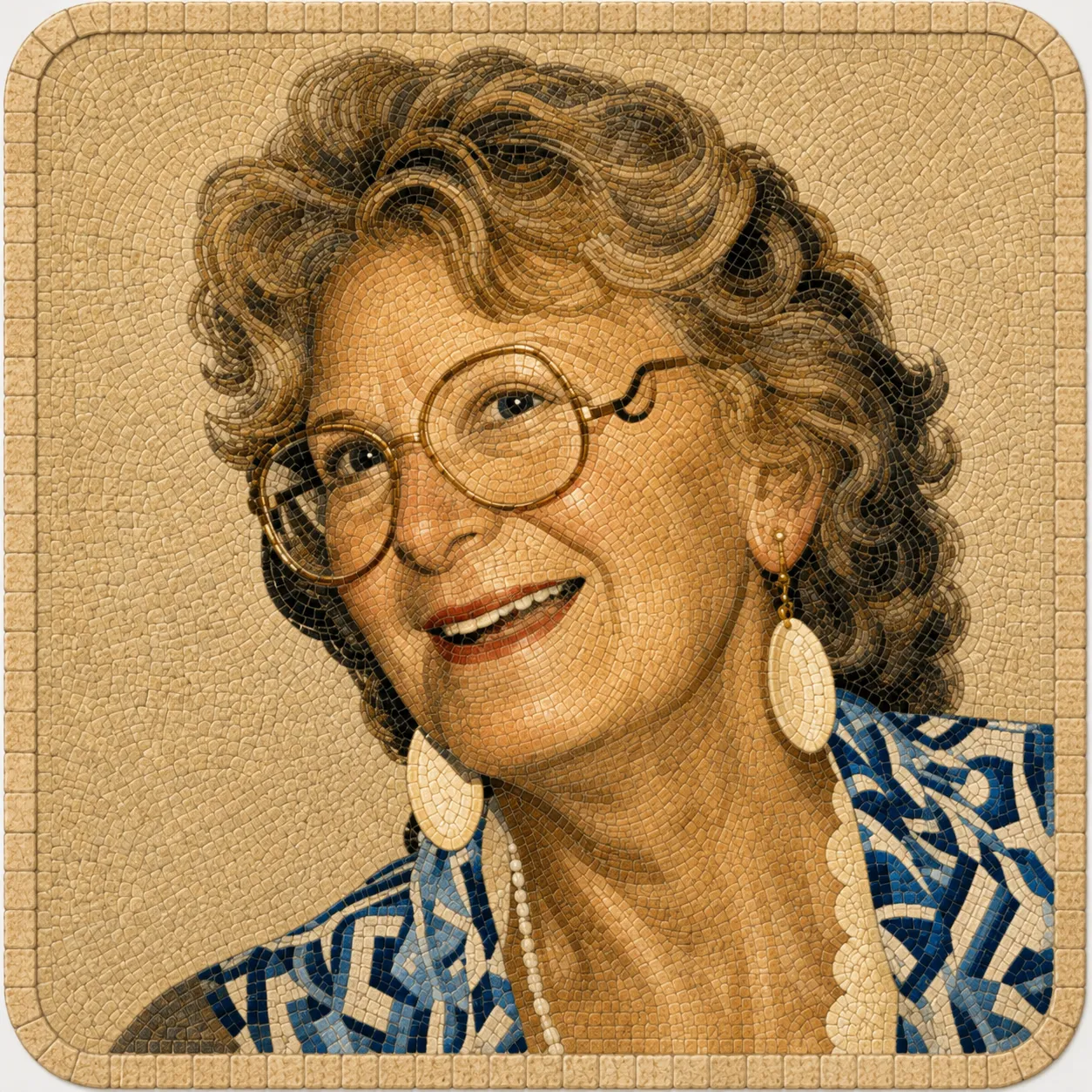
Family Therapy
Virginia Satir
1916 – 1988
Heard what families do instead of speaking plainly.
Open profile 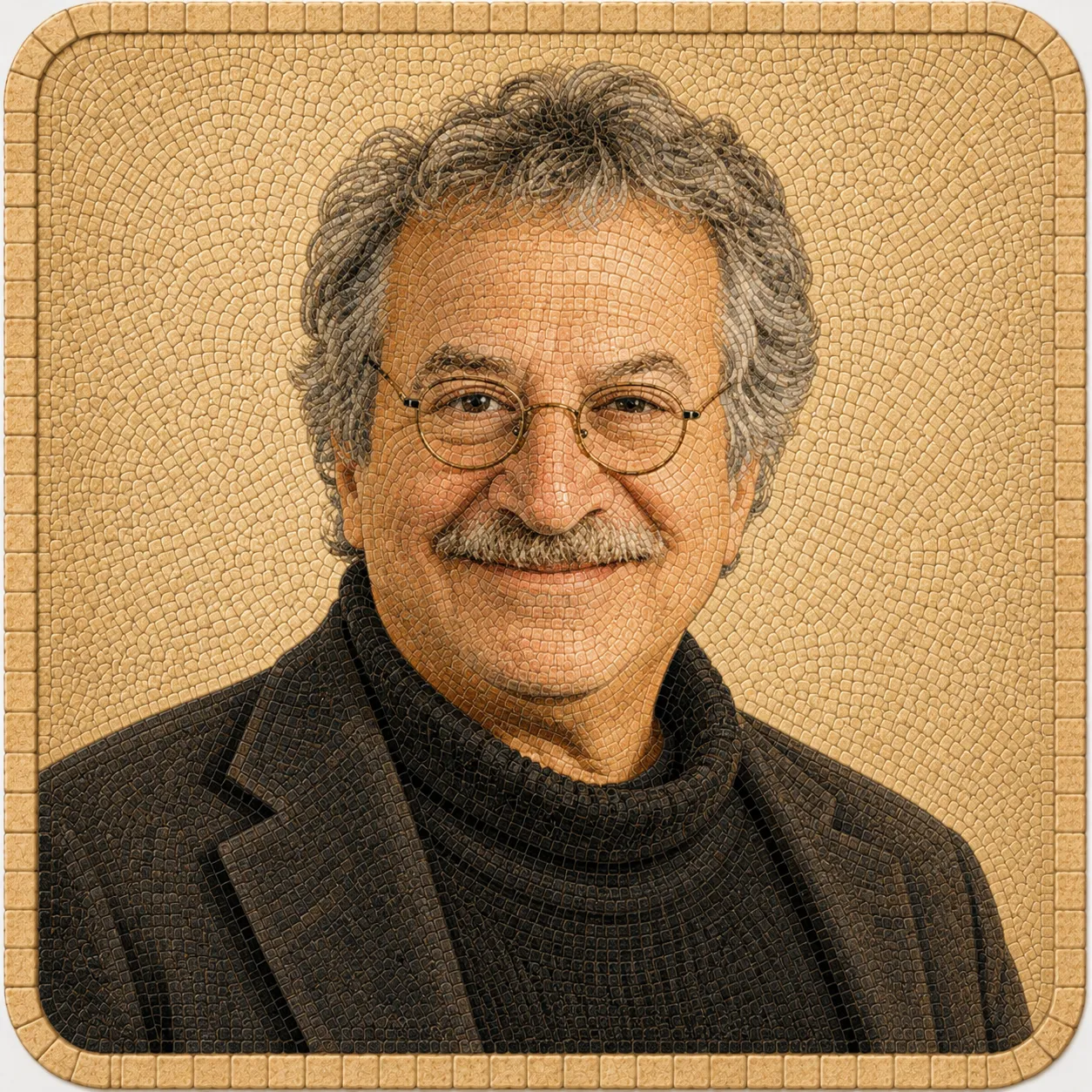
Developmental Psychology
Robert Kegan
b. 1946
Adults keep growing — in how they hold things, not what they know.
Open profile 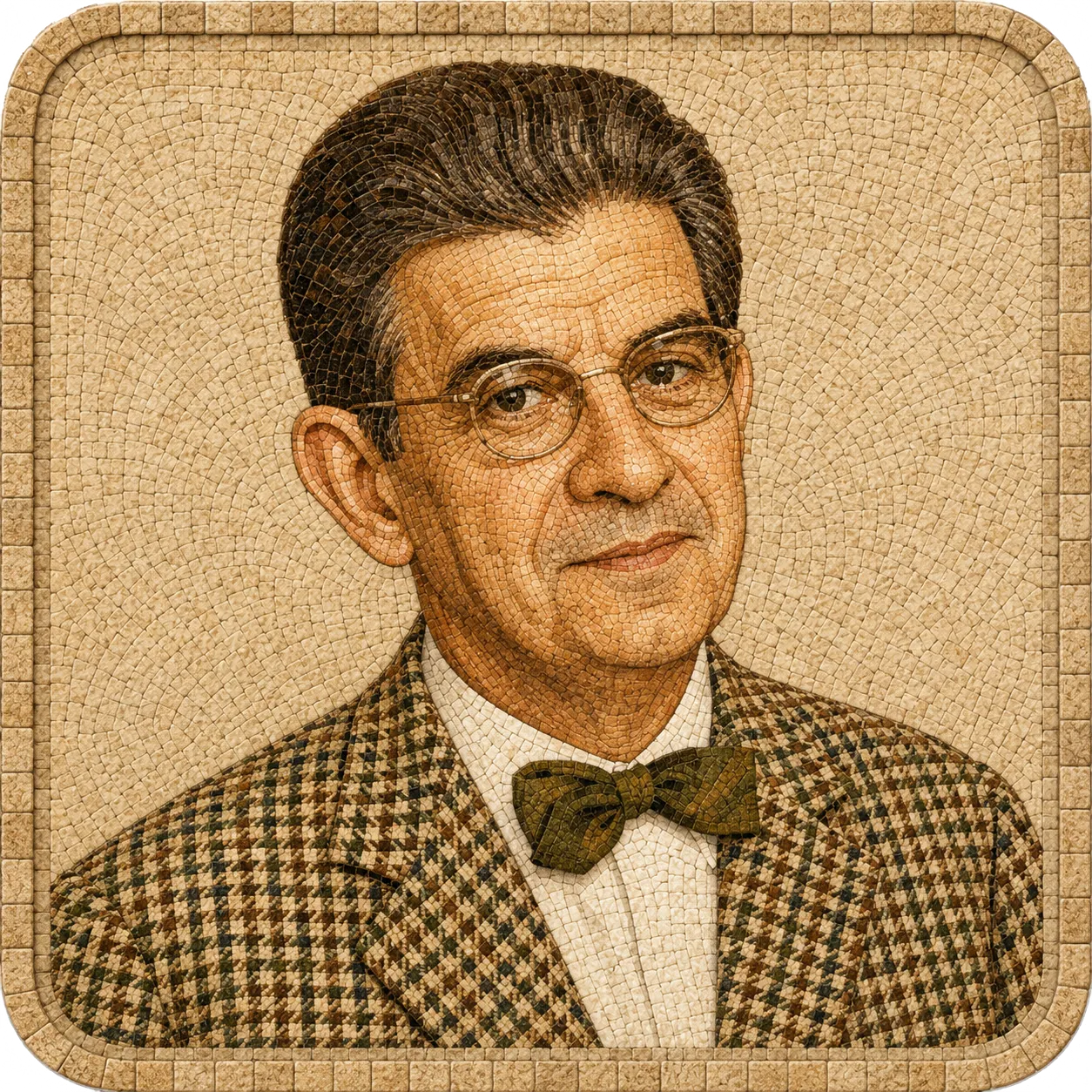
Psychoanalysis
Jacques Lacan
1901 – 1981
Said the unconscious is structured like a language.
Open profile 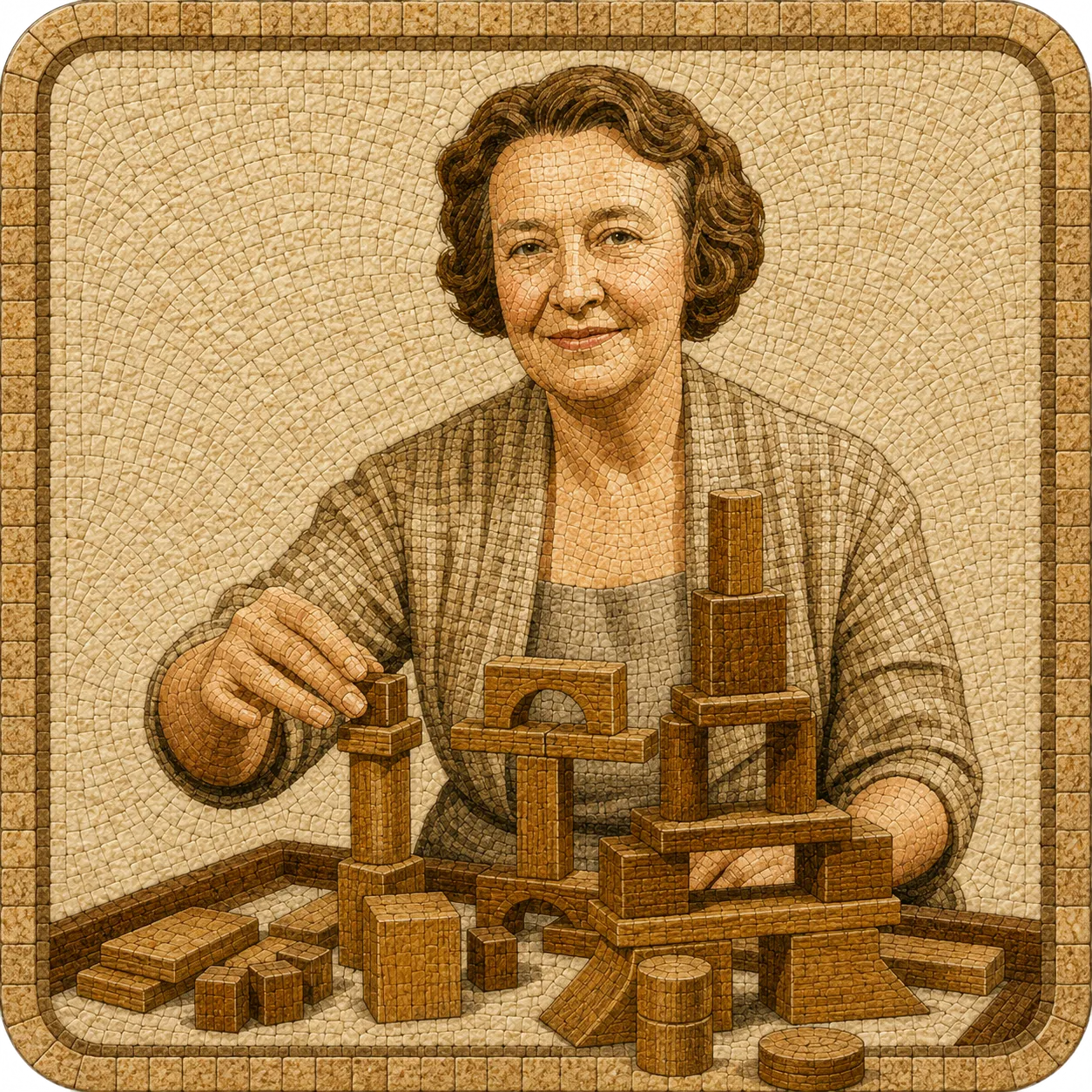
Child Psychotherapy
Margaret Lowenfeld
1890 – 1973
Gave children a tray of sand and let them speak.
Open profile 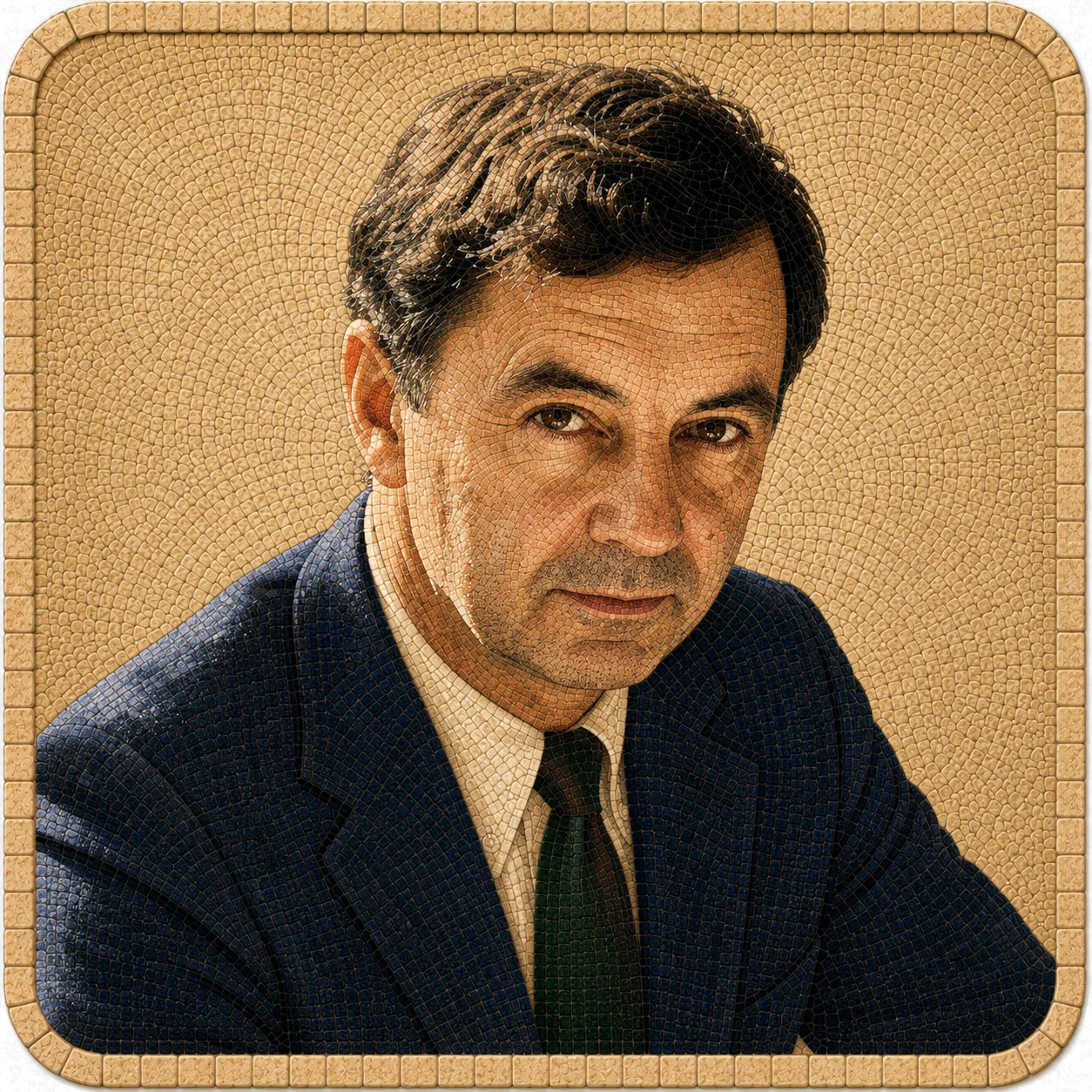
Sociology
Erving Goffman
1922 – 1982
Saw everyday life as a performance with a backstage.
Open profile 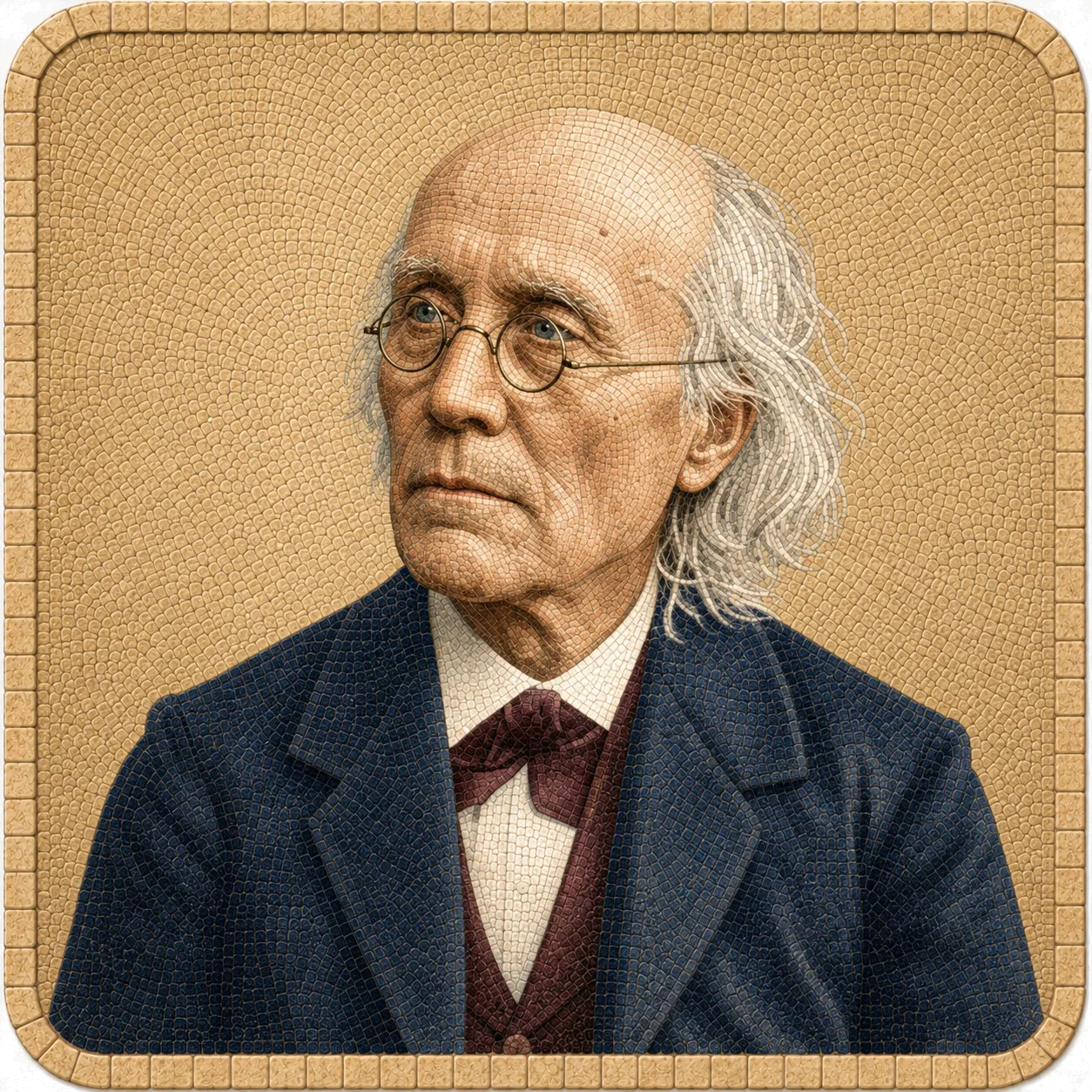
Psychophysics
Gustav Fechner
1801 – 1887
Found the arithmetic between the world and the mind.
Open profile 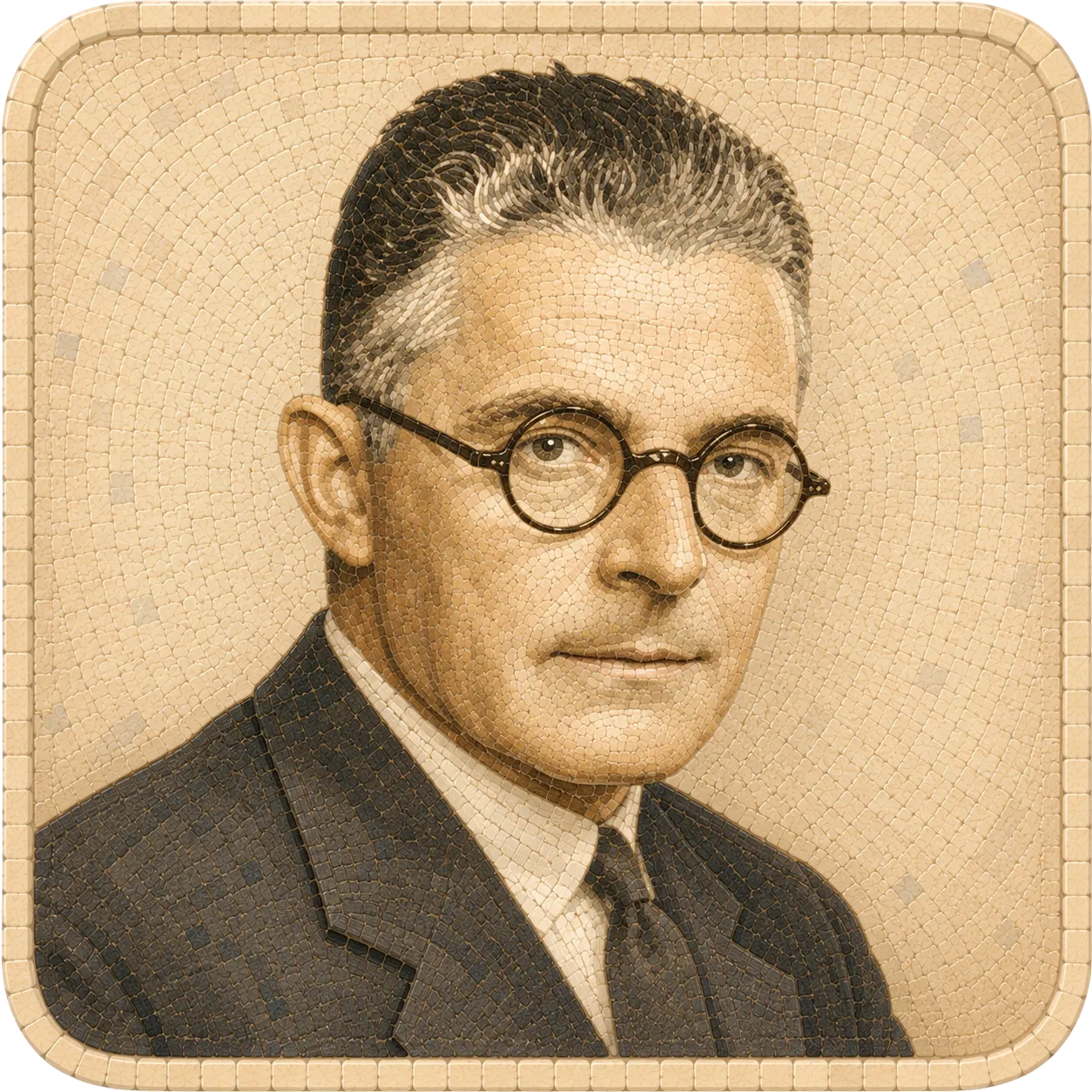
Behaviorism
John B. Watson
1878 – 1958
Made behavior the whole subject.
Open profile 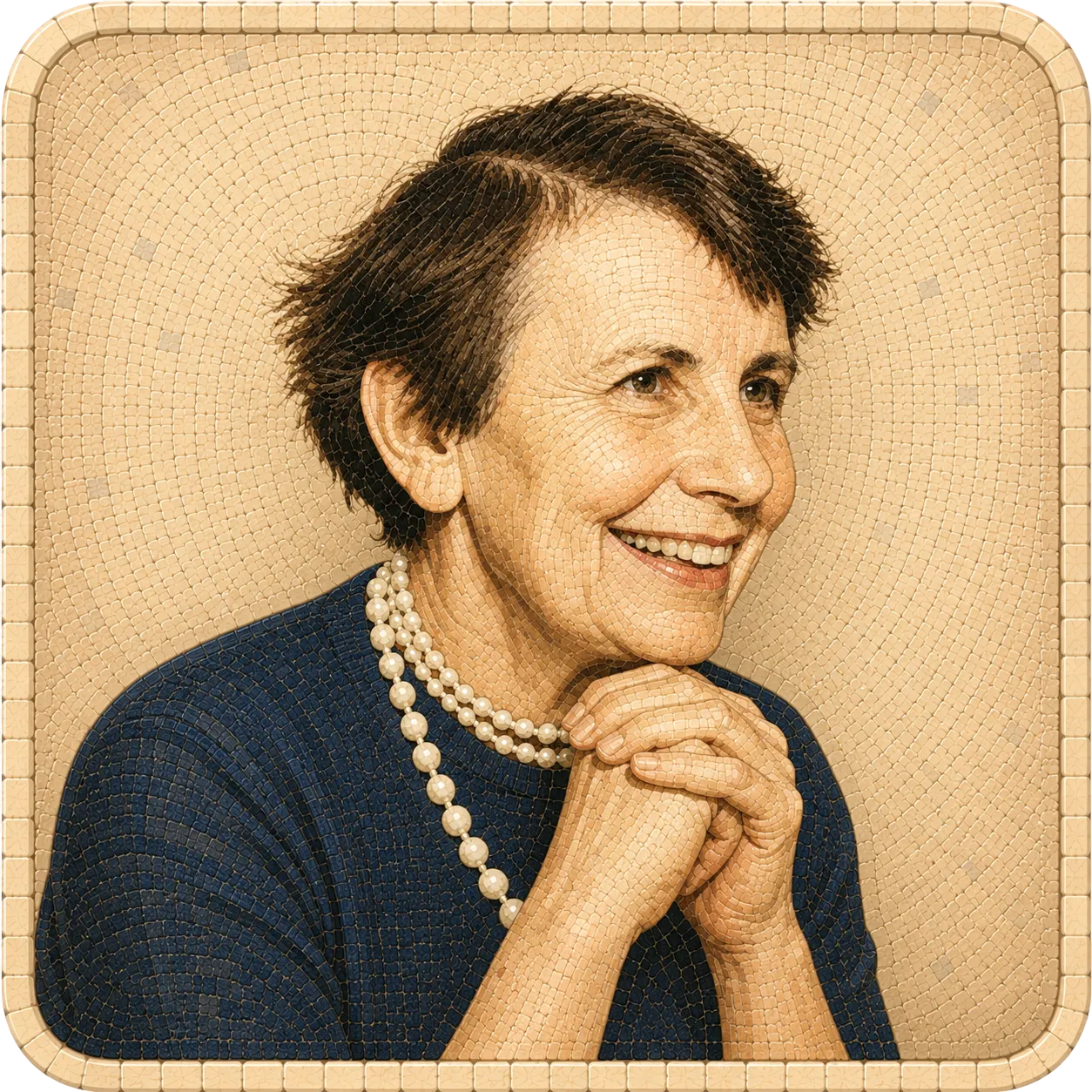
Ego Psychology
Anna Freud
1895 – 1982
The mind's defenses, gently understood
Open profile 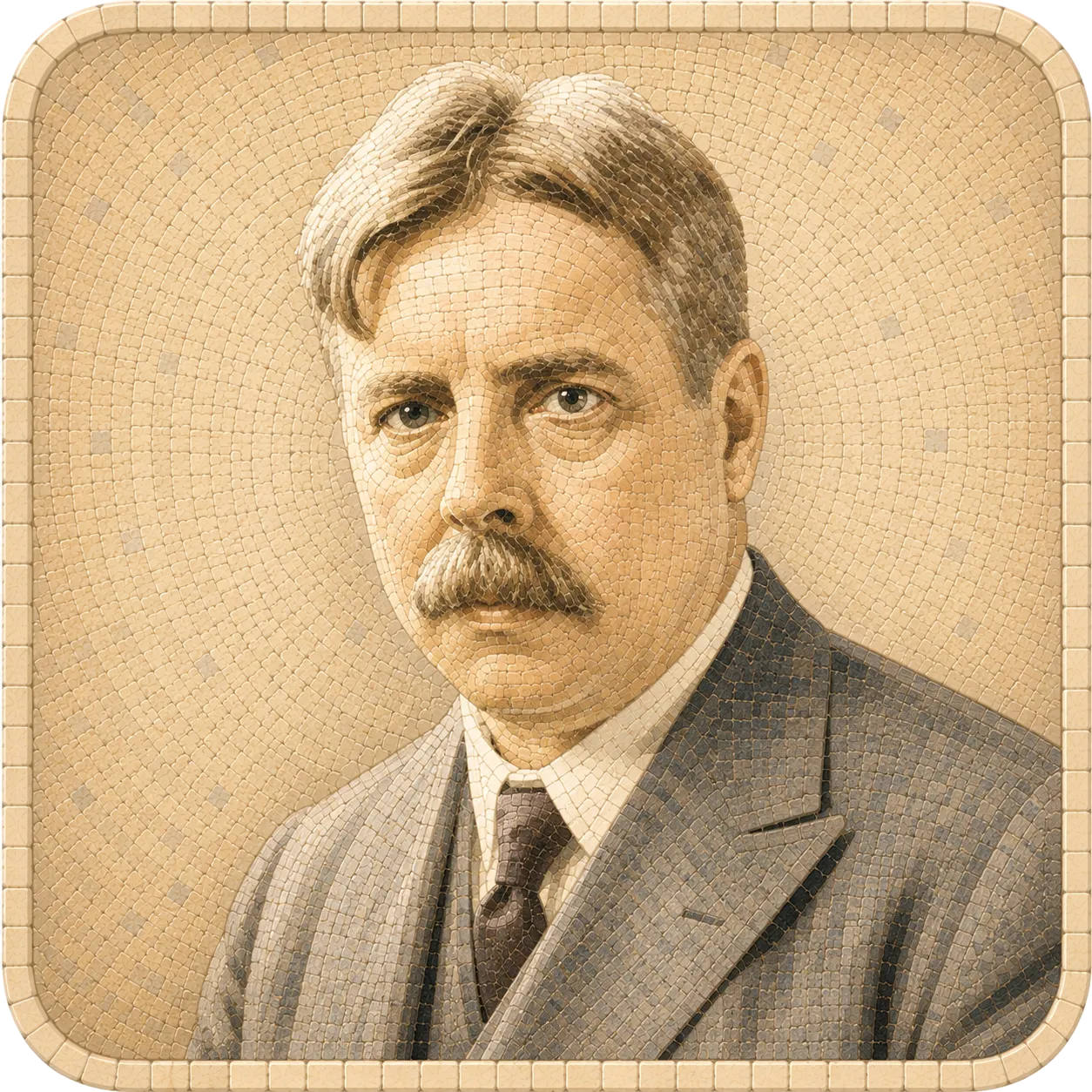
Connectionism
Edward Thorndike
1874 – 1949
Framed the law of effect.
Open profile 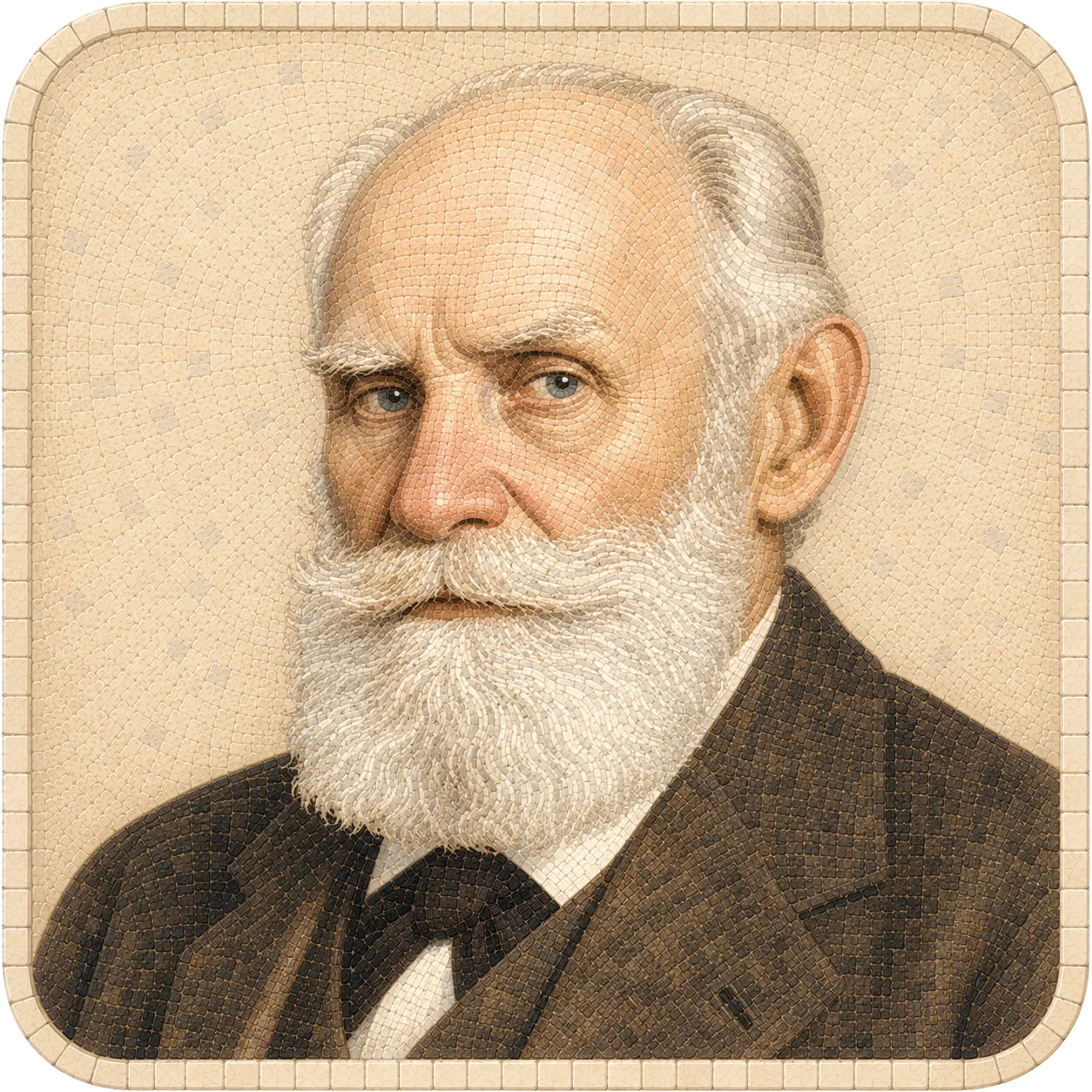
Classical Conditioning
Ivan Pavlov
1849 – 1936
Discovered the conditioned reflex.
Open profile 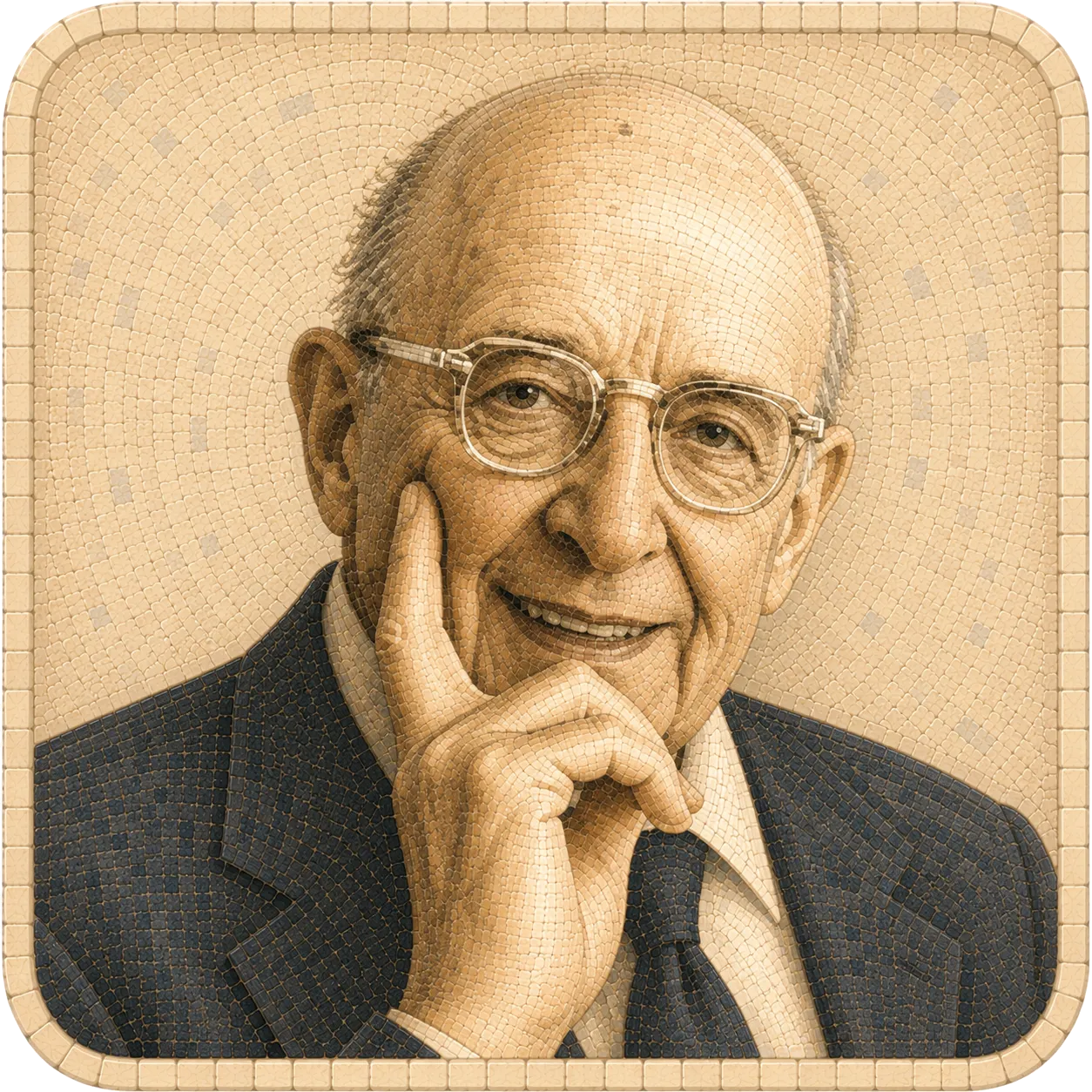
Humanistic Psychology
Carl Rogers
1902 – 1987
Trusted people to find their own way.
Open profile 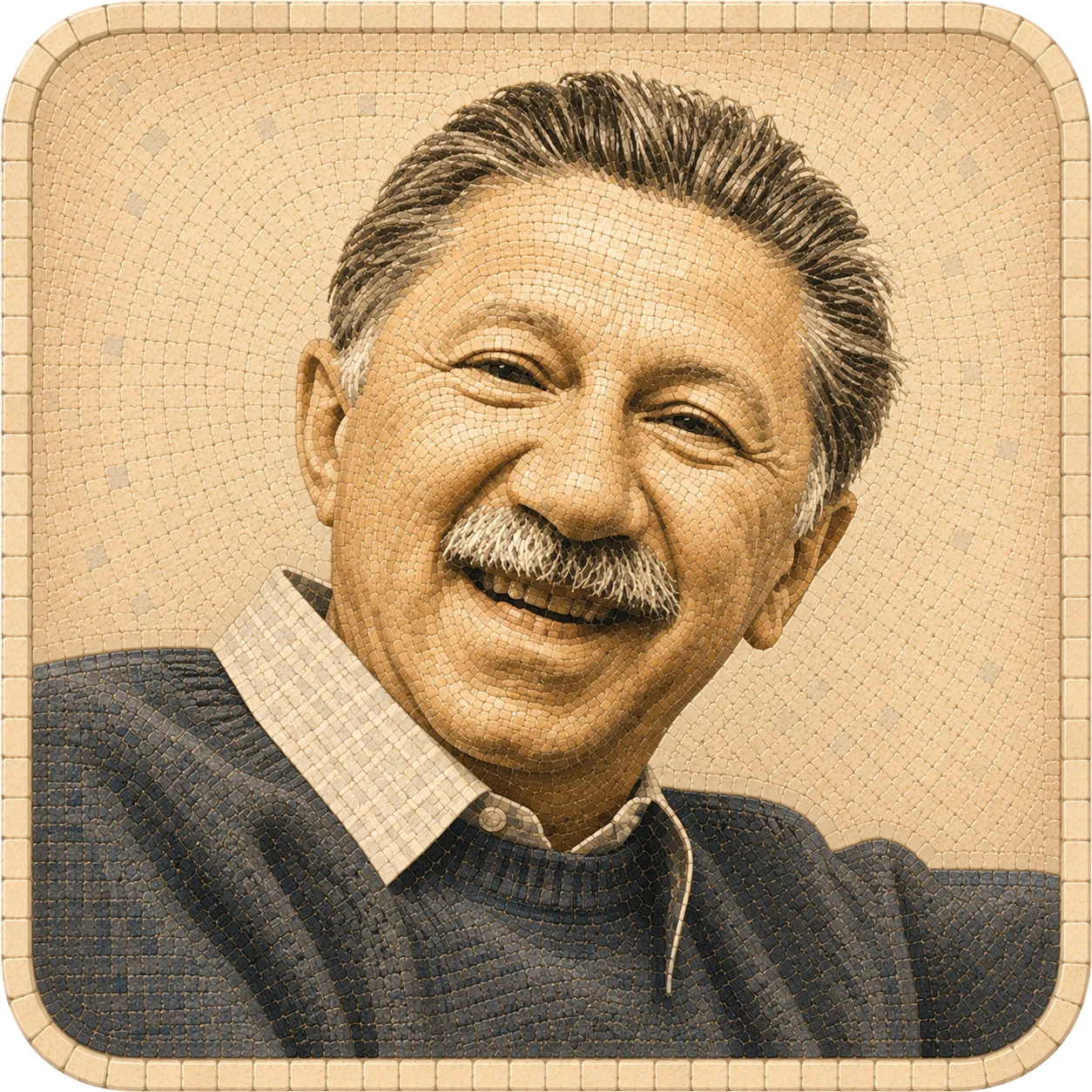
Humanistic Psychology
Abraham Maslow
1908 – 1970
Drew the ladder of human needs.
Open profile 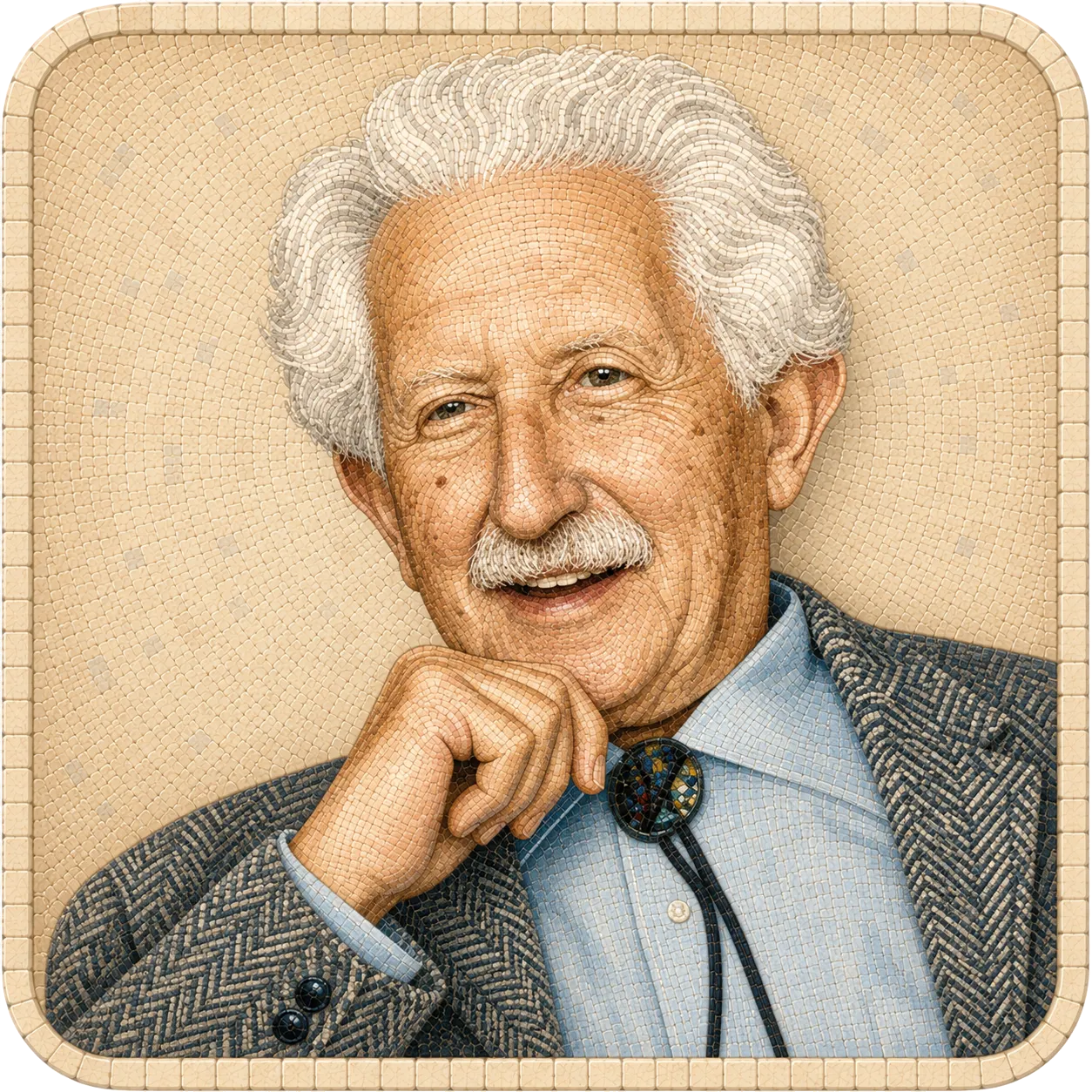
Psychosocial Development
Erik Erikson
1902 – 1994
Identity is the work of a lifetime
Open profile 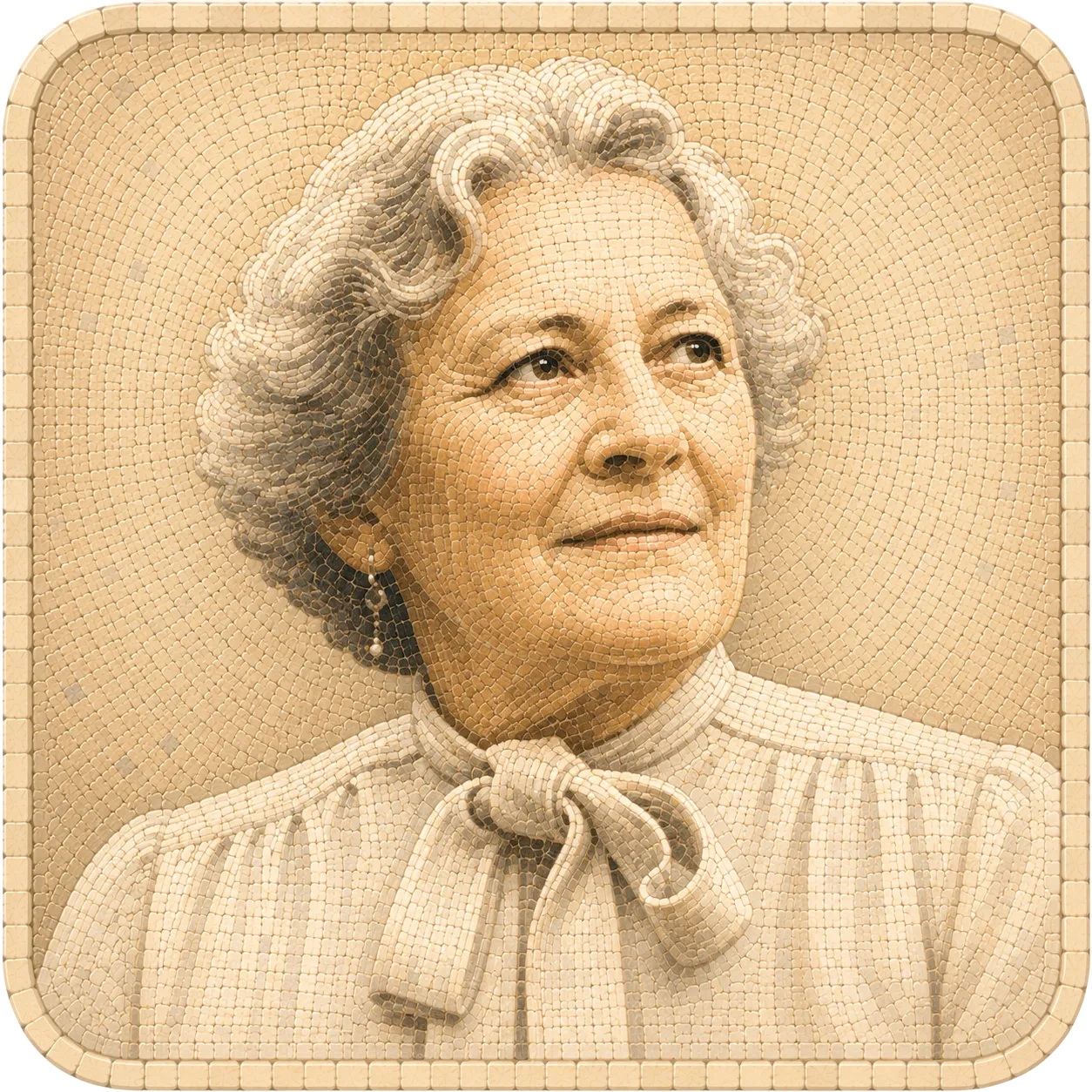
Attachment Theory
Mary Ainsworth
1913 – 1999
Measured how we learn to bond.
Open profile 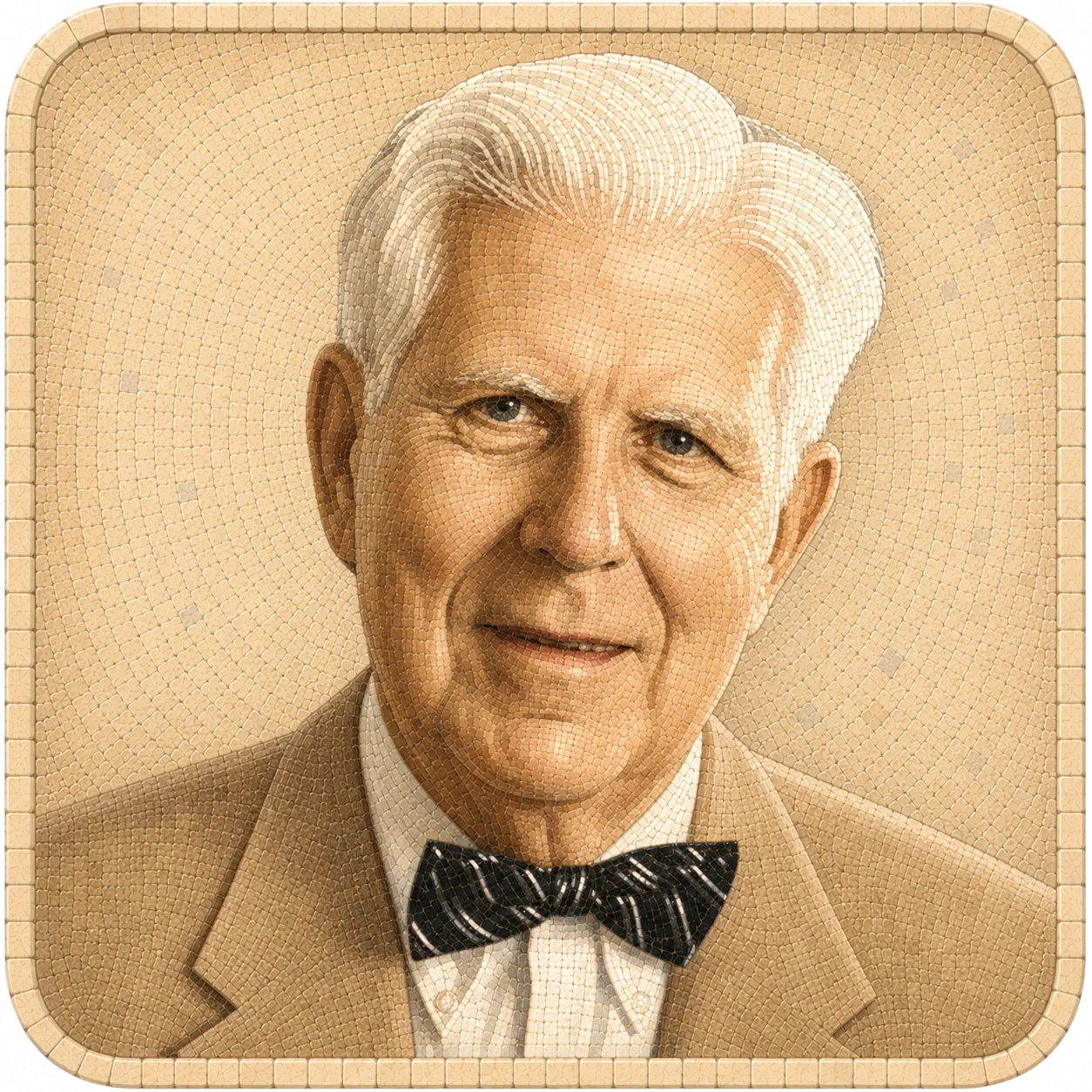
Cognitive Therapy
Aaron Beck
1921 – 2021
Showed that thoughts shape feeling.
Open profile 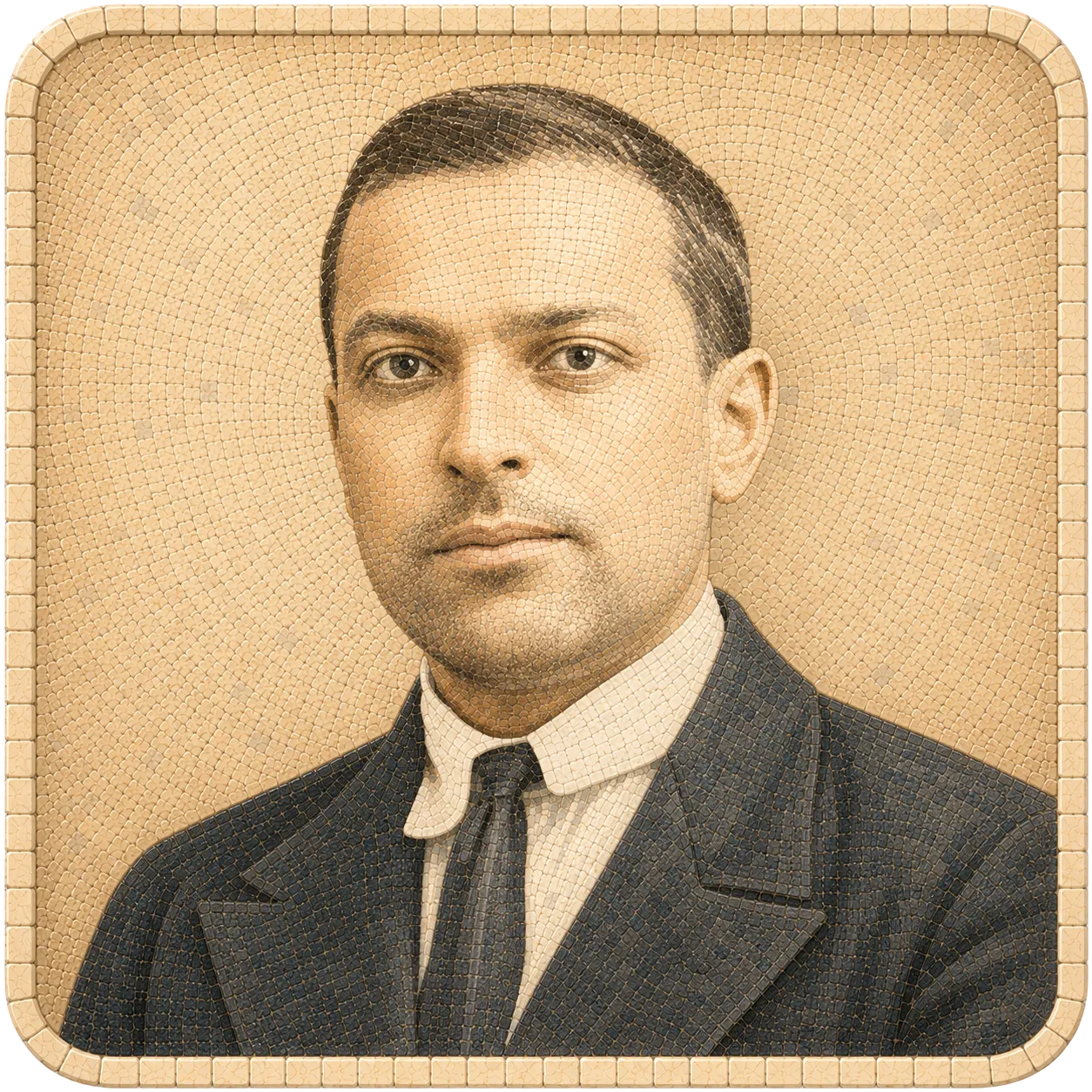
Sociocultural Theory
Lev Vygotsky
1896 – 1934
We learn first with others, then alone
Open profile 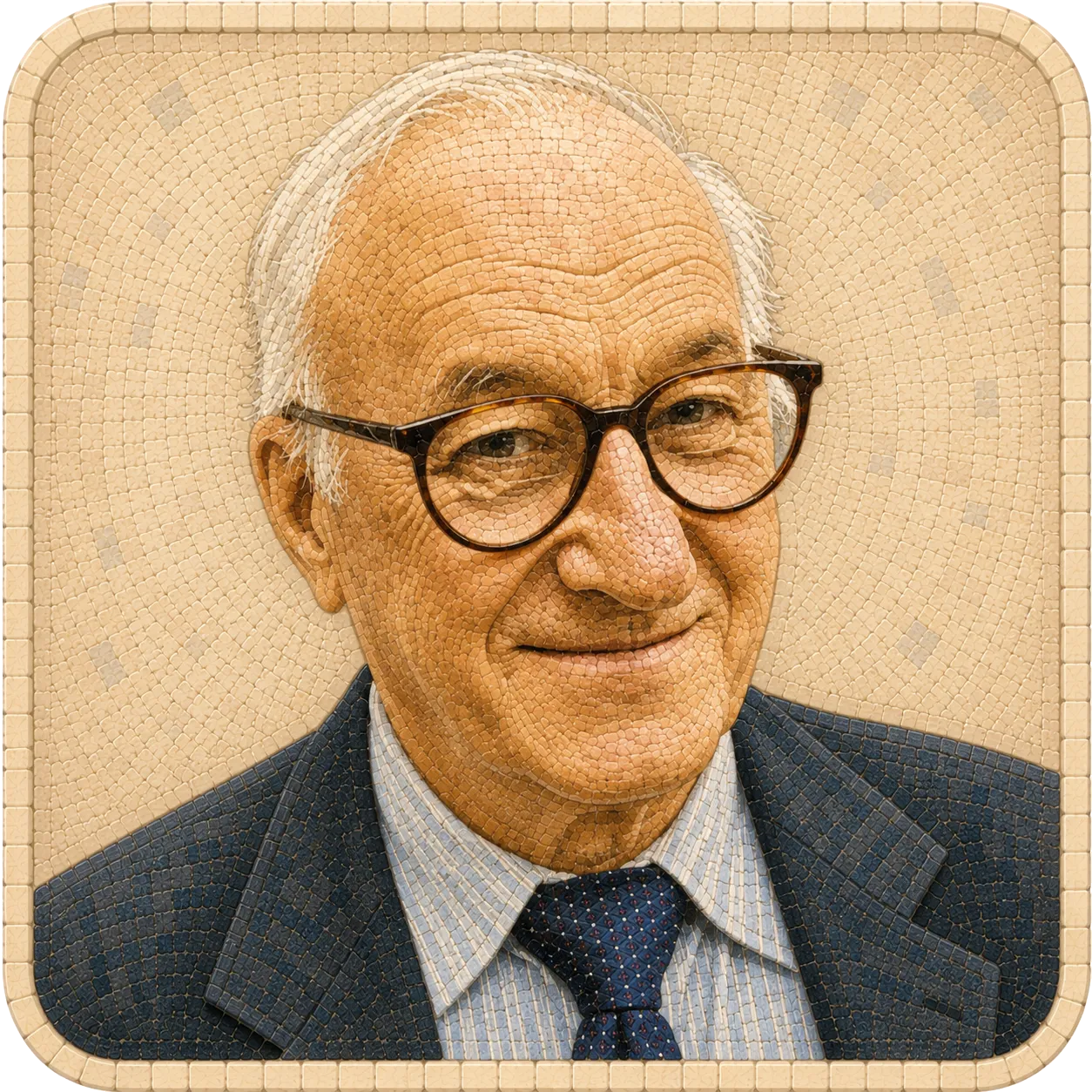
Social Cognitive Theory
Albert Bandura
1925 – 2021
We become what we watch and believe we can do
Open profile 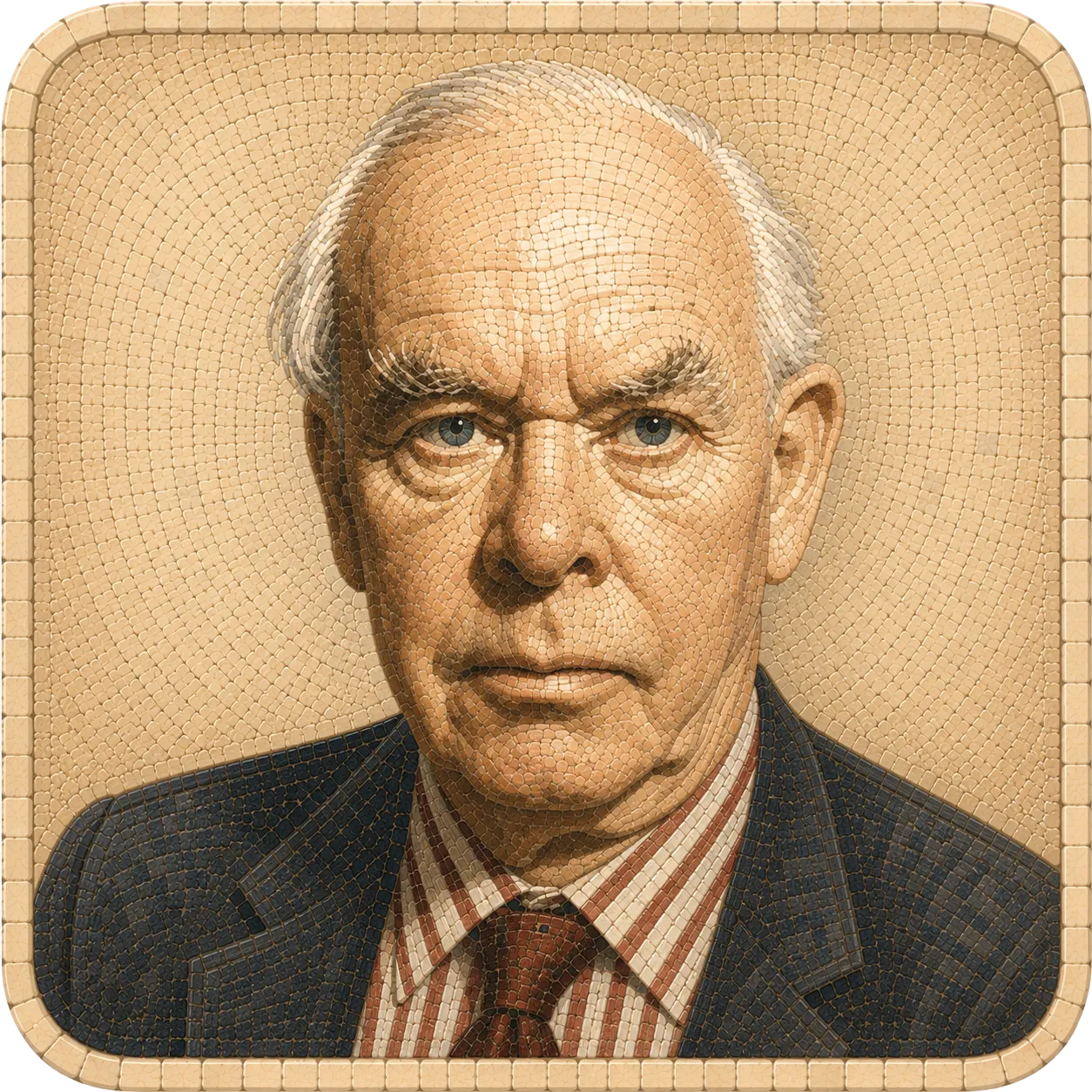
Attachment Theory
John Bowlby
1907 – 1990
Love is a need, not a weakness
Open profile 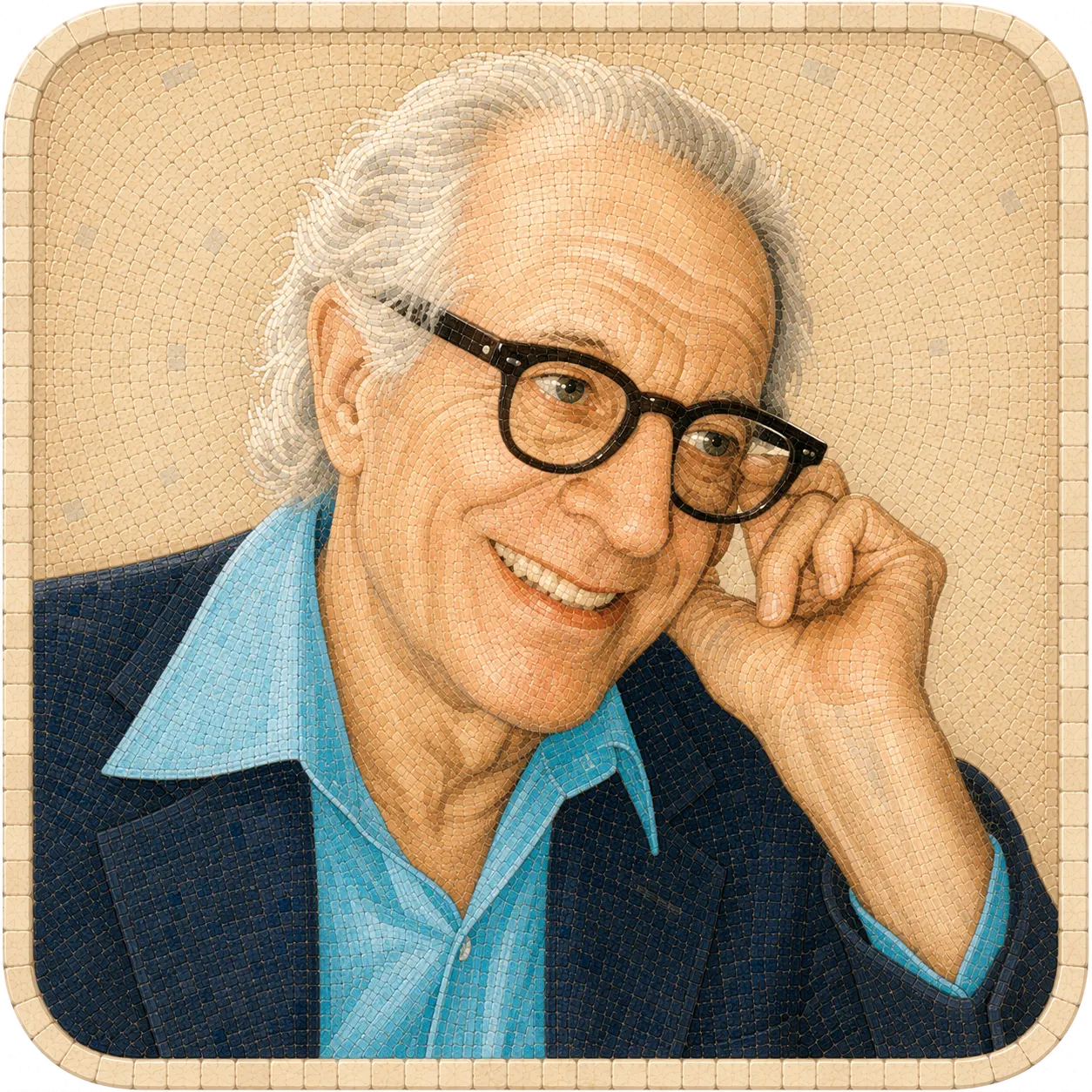
Rational Emotive Behavior Therapy
Albert Ellis
1913 – 2007
You upset yourself with your beliefs
Open profile 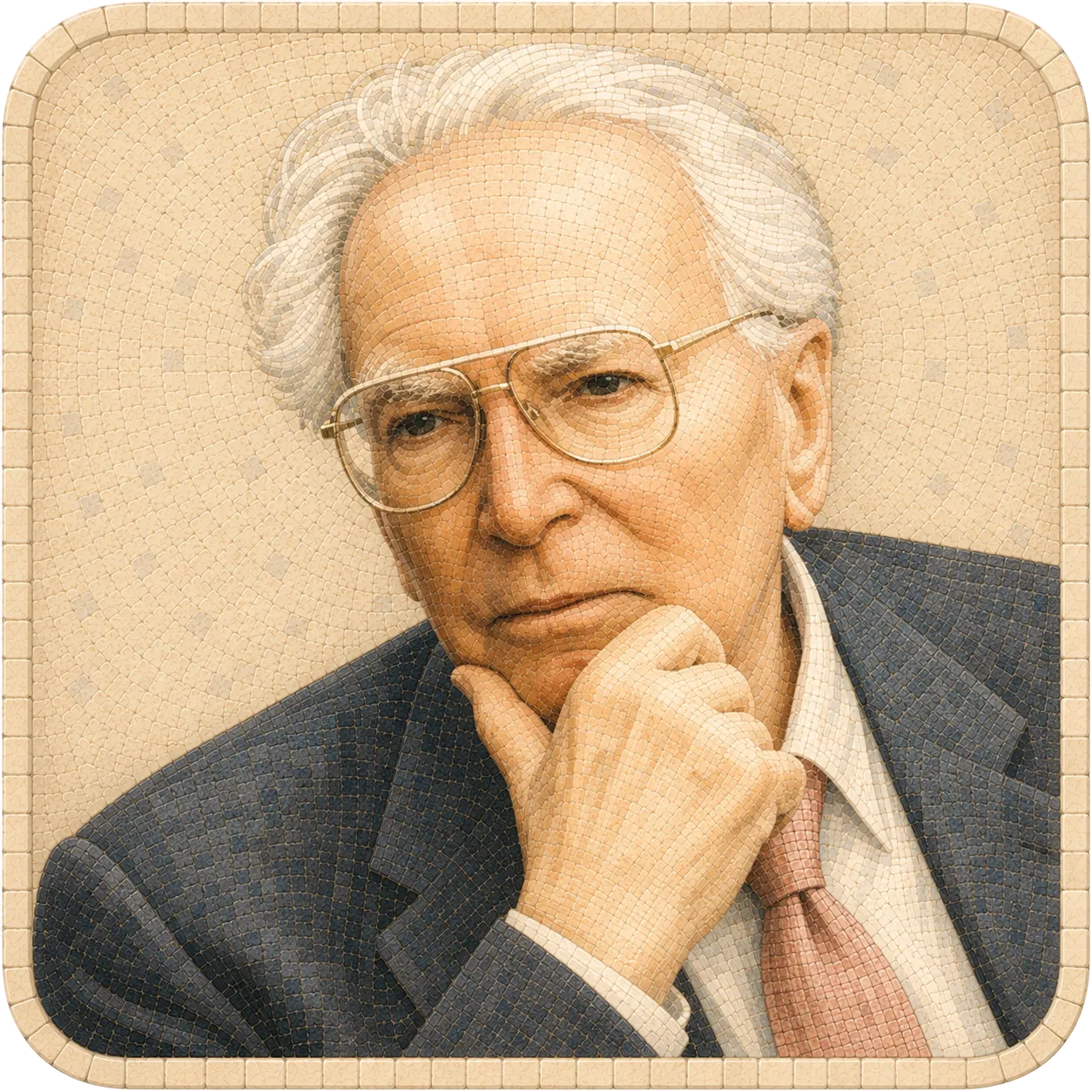
Logotherapy
Viktor Frankl
1905 – 1997
Found meaning as the will to live.
Open profile 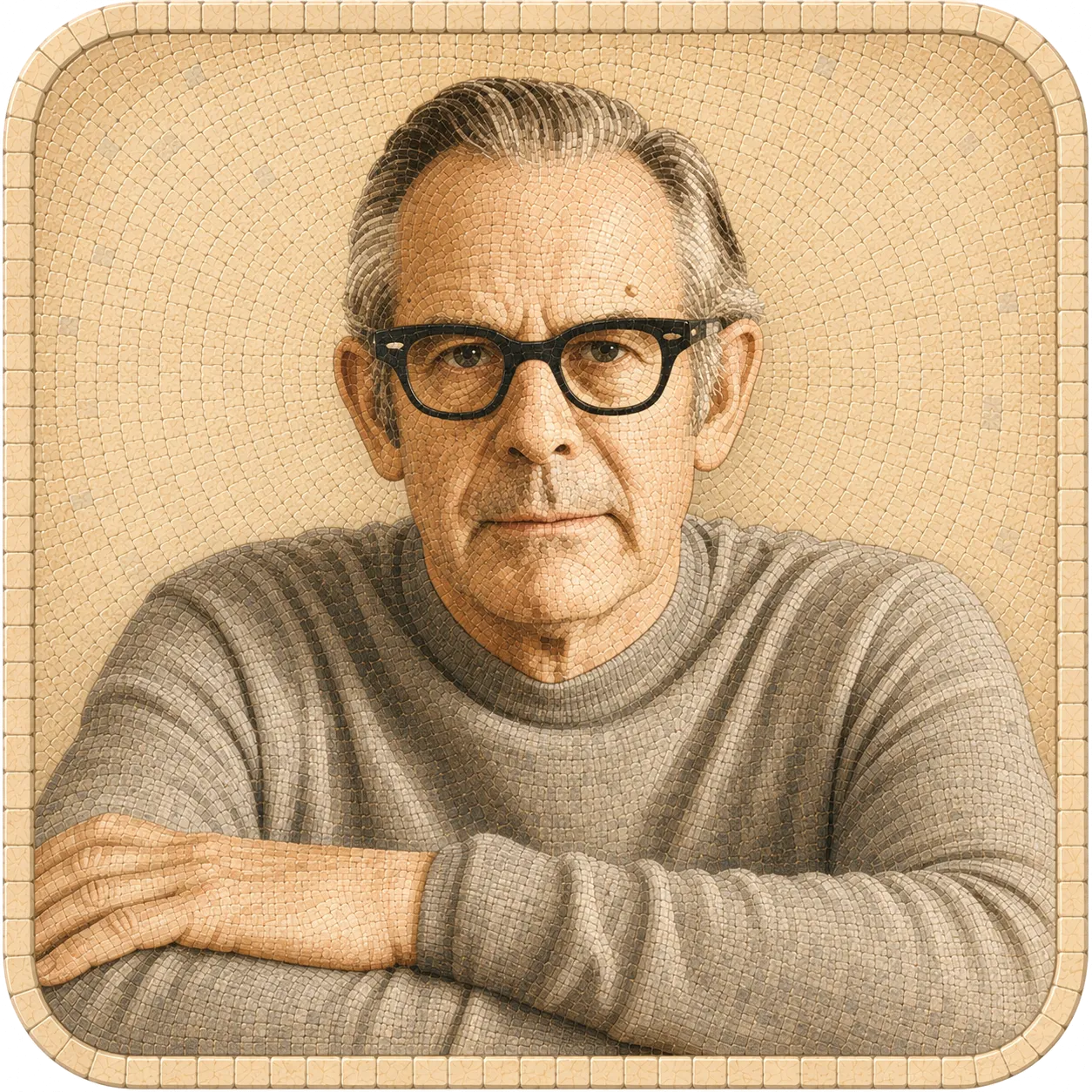
Existential Psychology
Rollo May
1909 – 1994
Anxiety is the price of freedom
Open profile 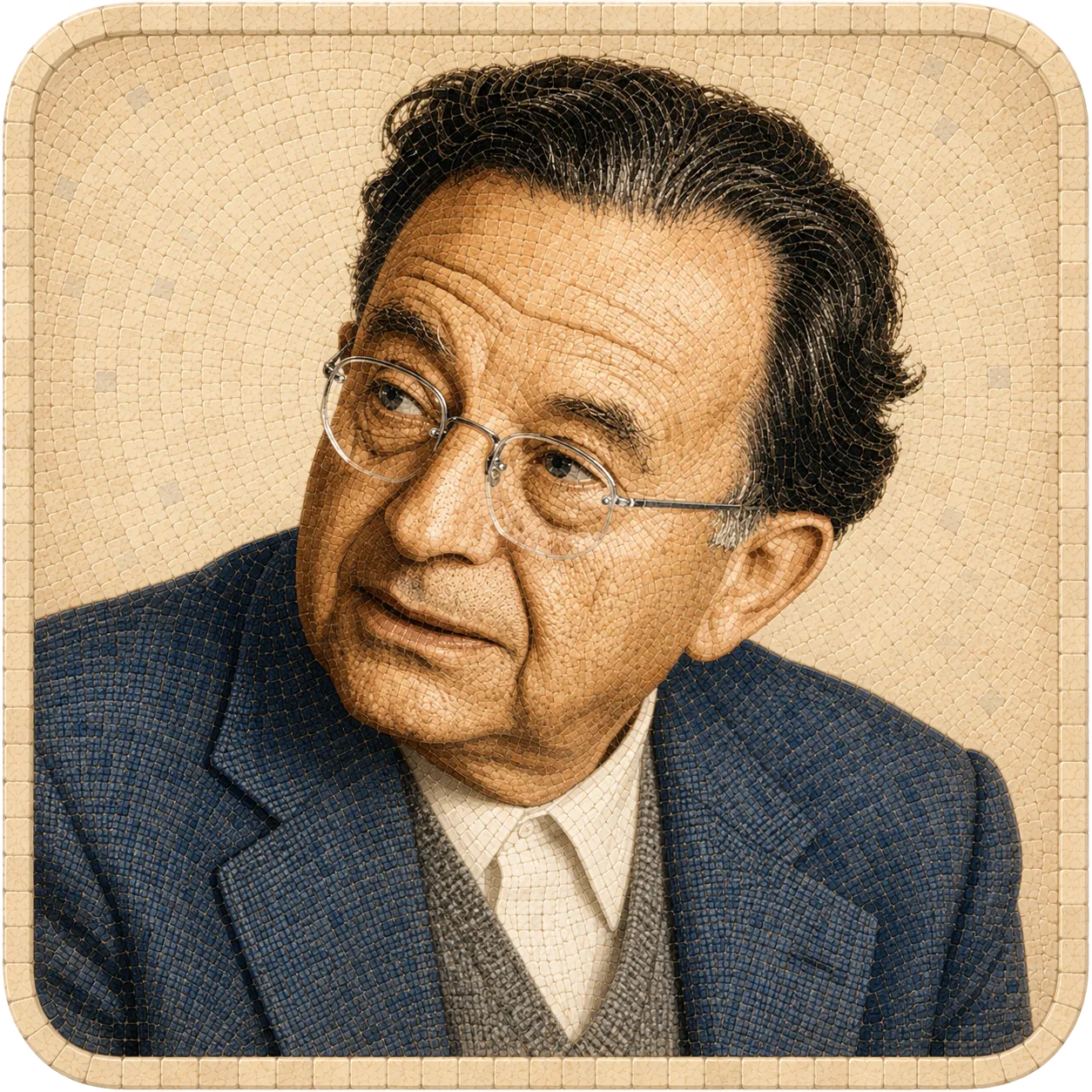
Humanistic Psychoanalysis
Erich Fromm
1900 – 1980
Love is an art we must learn
Open profile 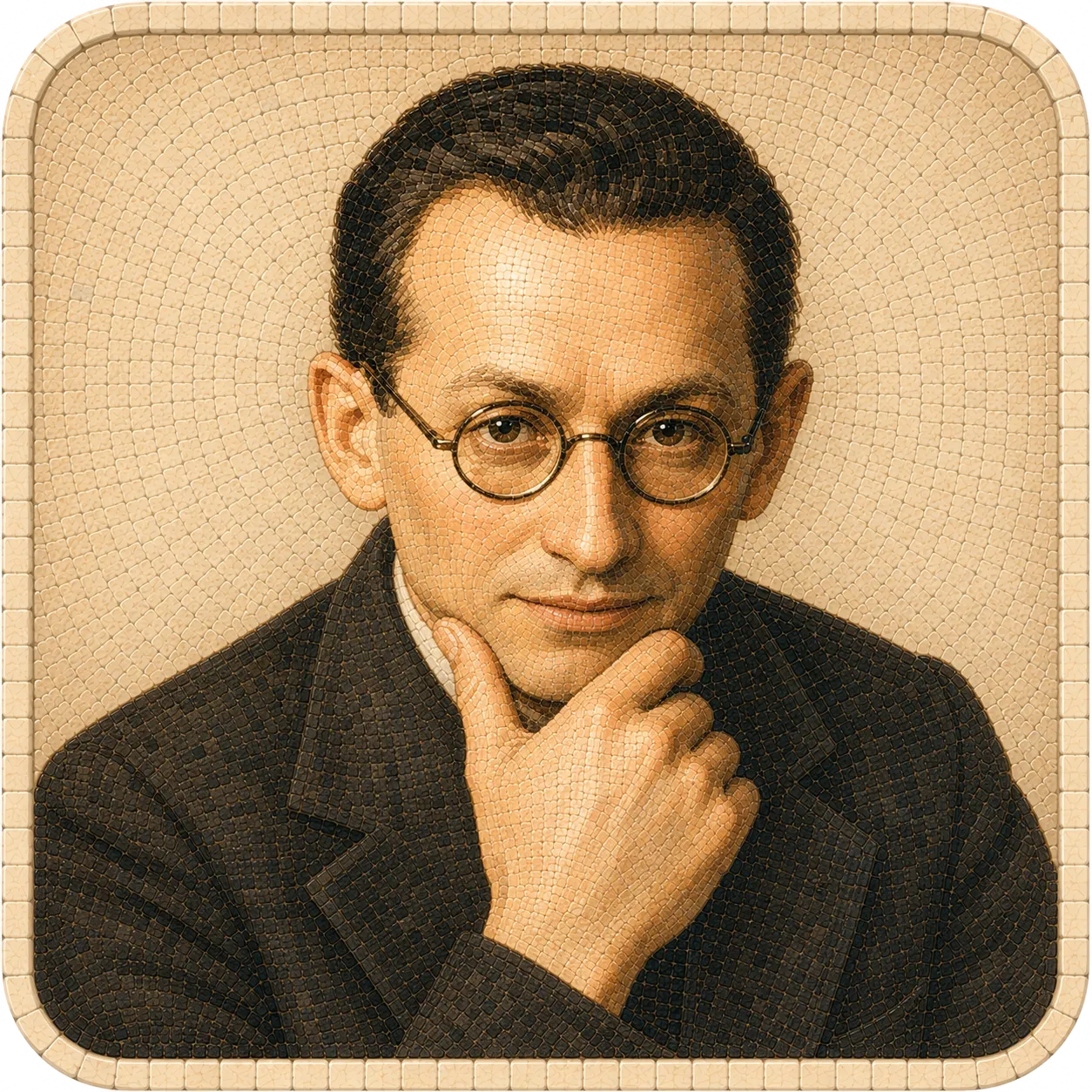
Field Theory
Kurt Lewin
1890 – 1947
Behavior is the person and the situation
Open profile 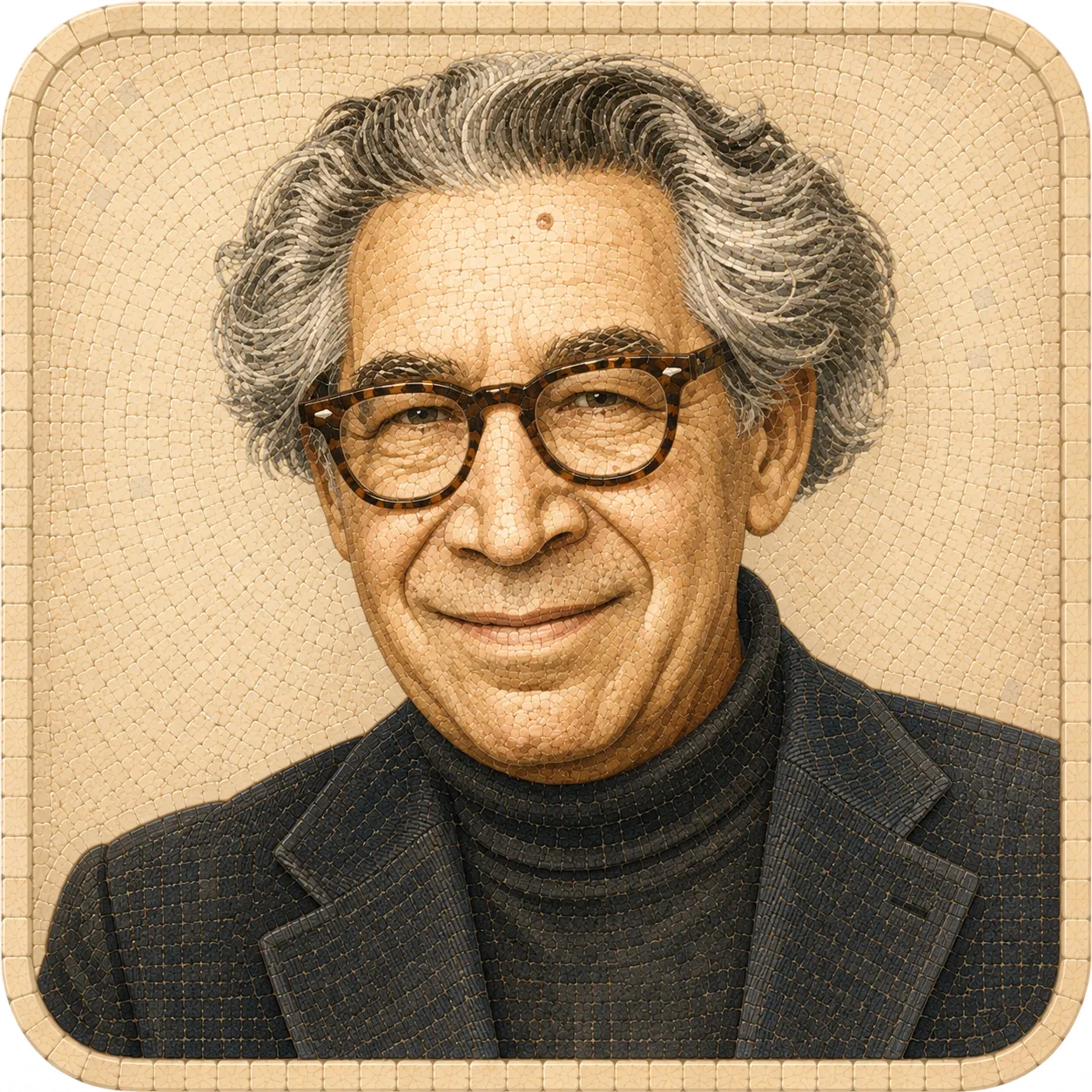
Cognitive Dissonance Theory
Leon Festinger
1919 – 1989
The mind seeks its own consistency
Open profile 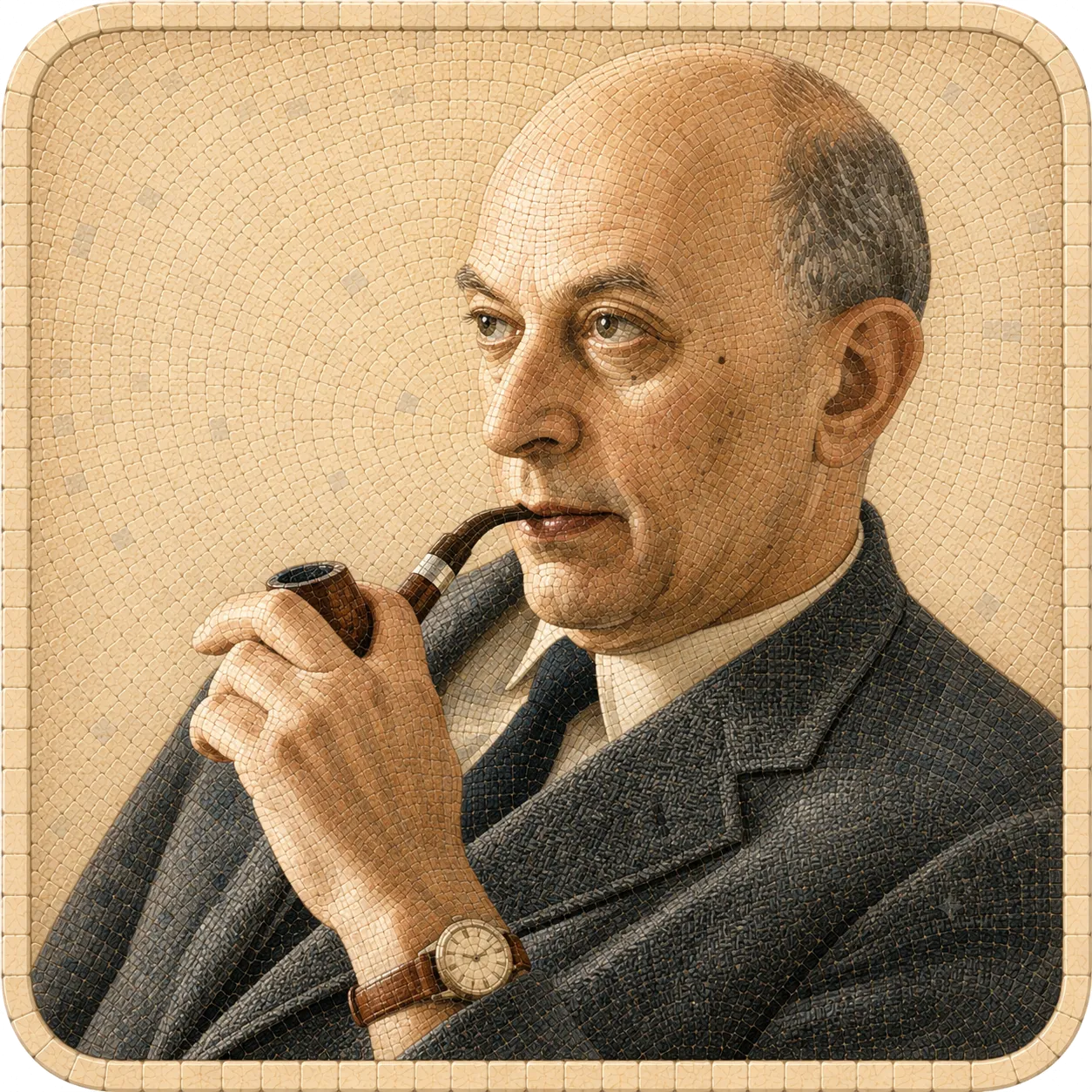
Social Psychology
Solomon Asch
1907 – 1996
The group can bend what we see
Open profile 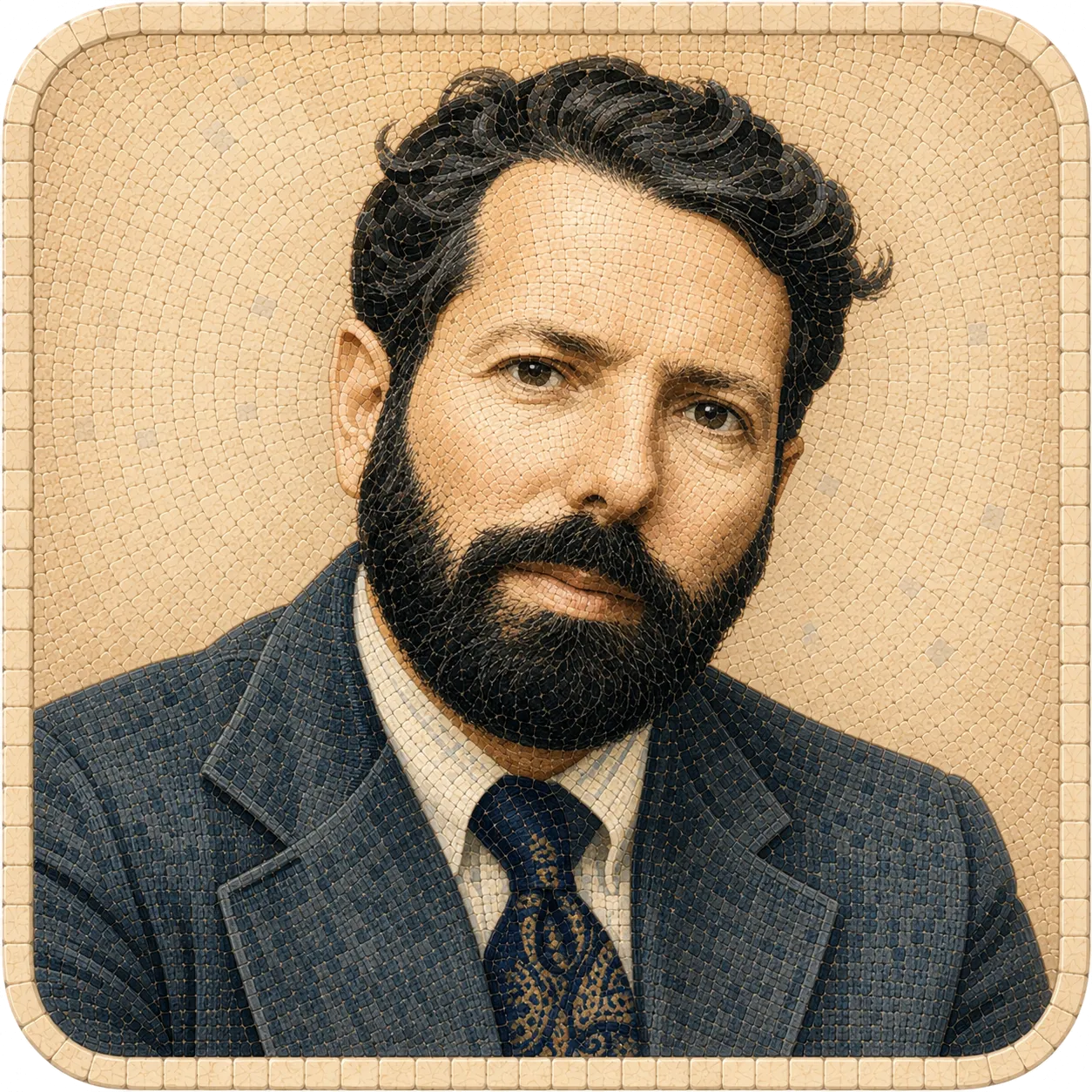
Obedience Studies
Stanley Milgram
1933 – 1984
How ordinary people come to obey
Open profile 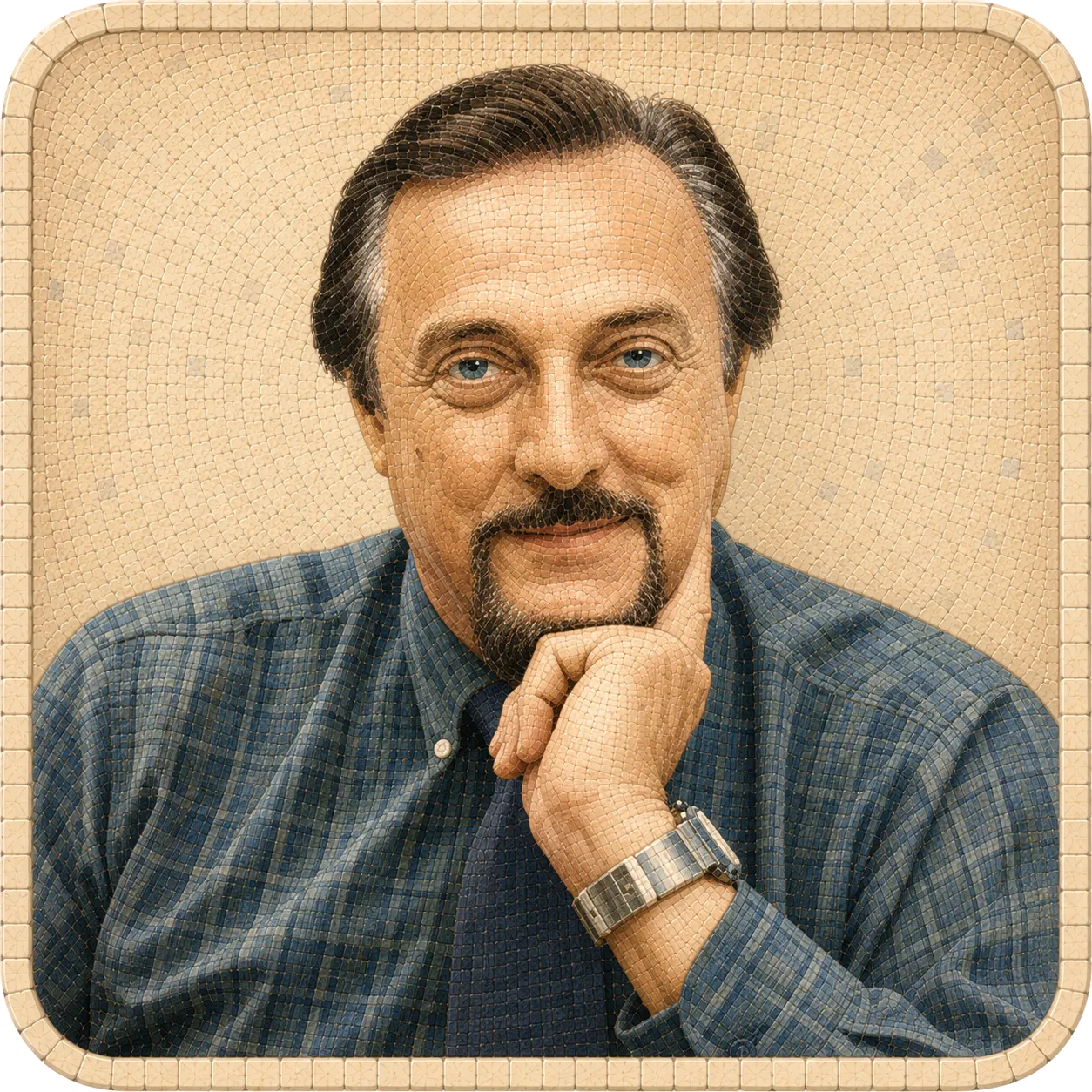
Situationism
Philip Zimbardo
1933 – 2024
Good people, powerful situations
Open profile 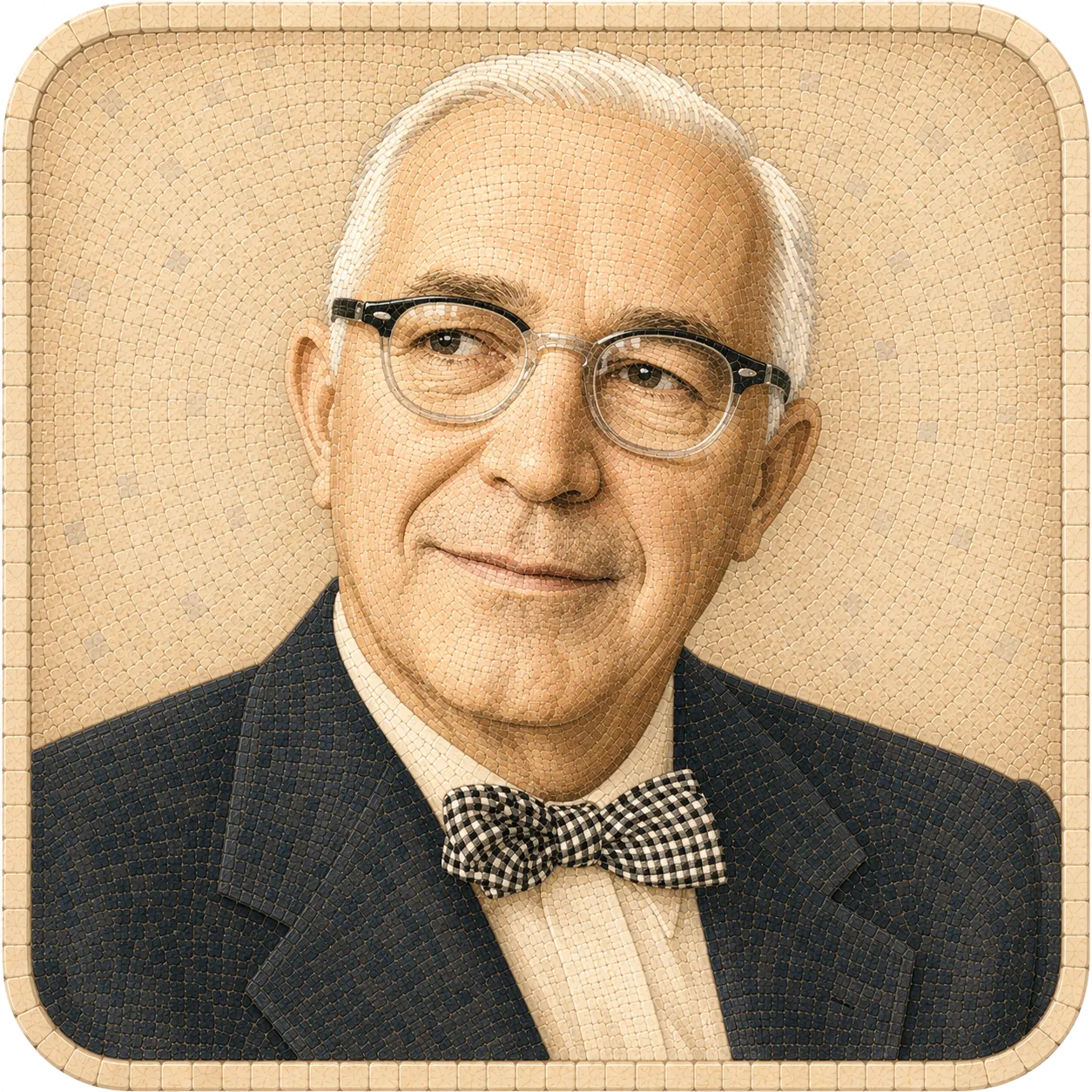
Trait Theory
Gordon Allport
1897 – 1967
The patterns that make a person
Open profile 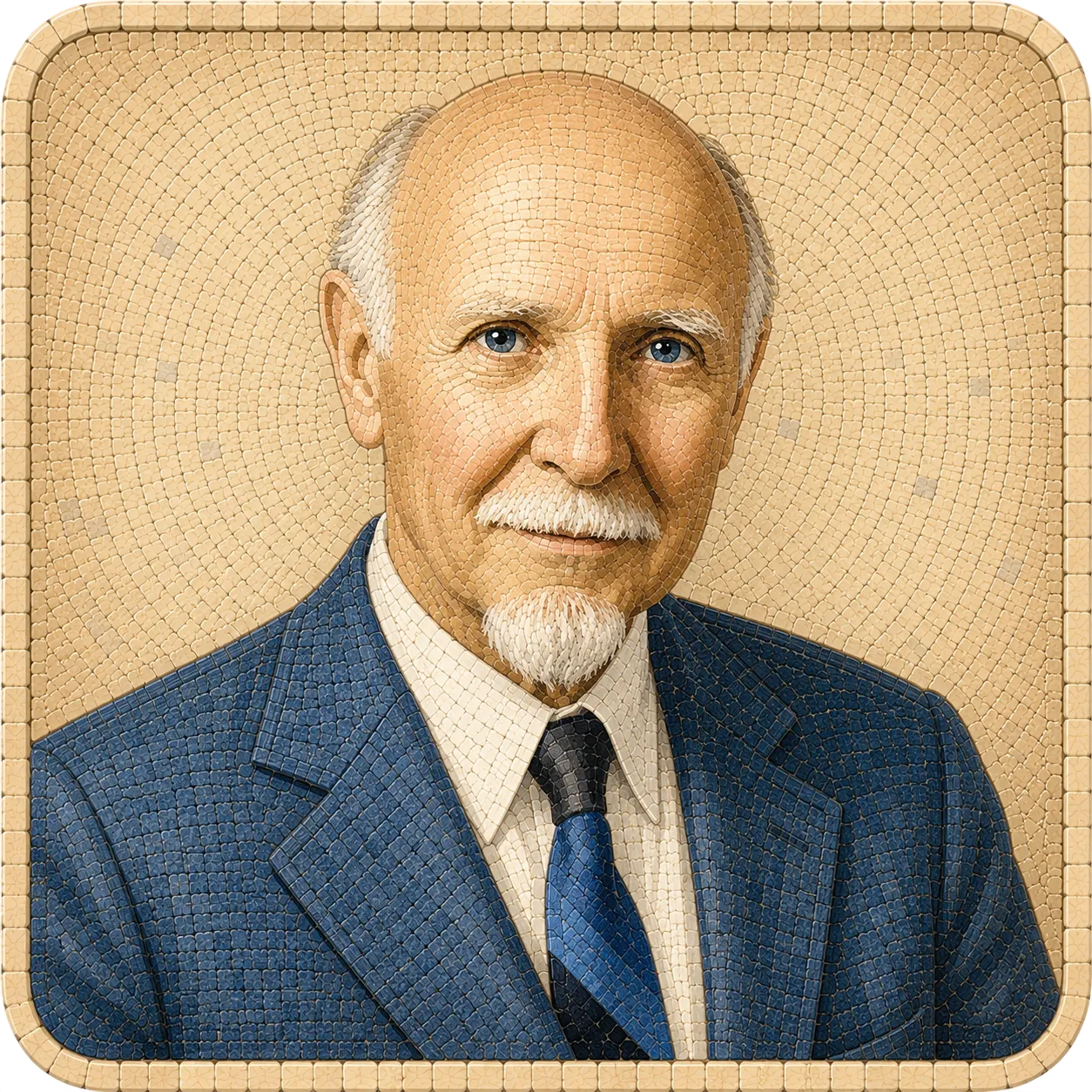
Factor Analytic Traits
Raymond Cattell
1905 – 1998
Measuring the structure of character
Open profile 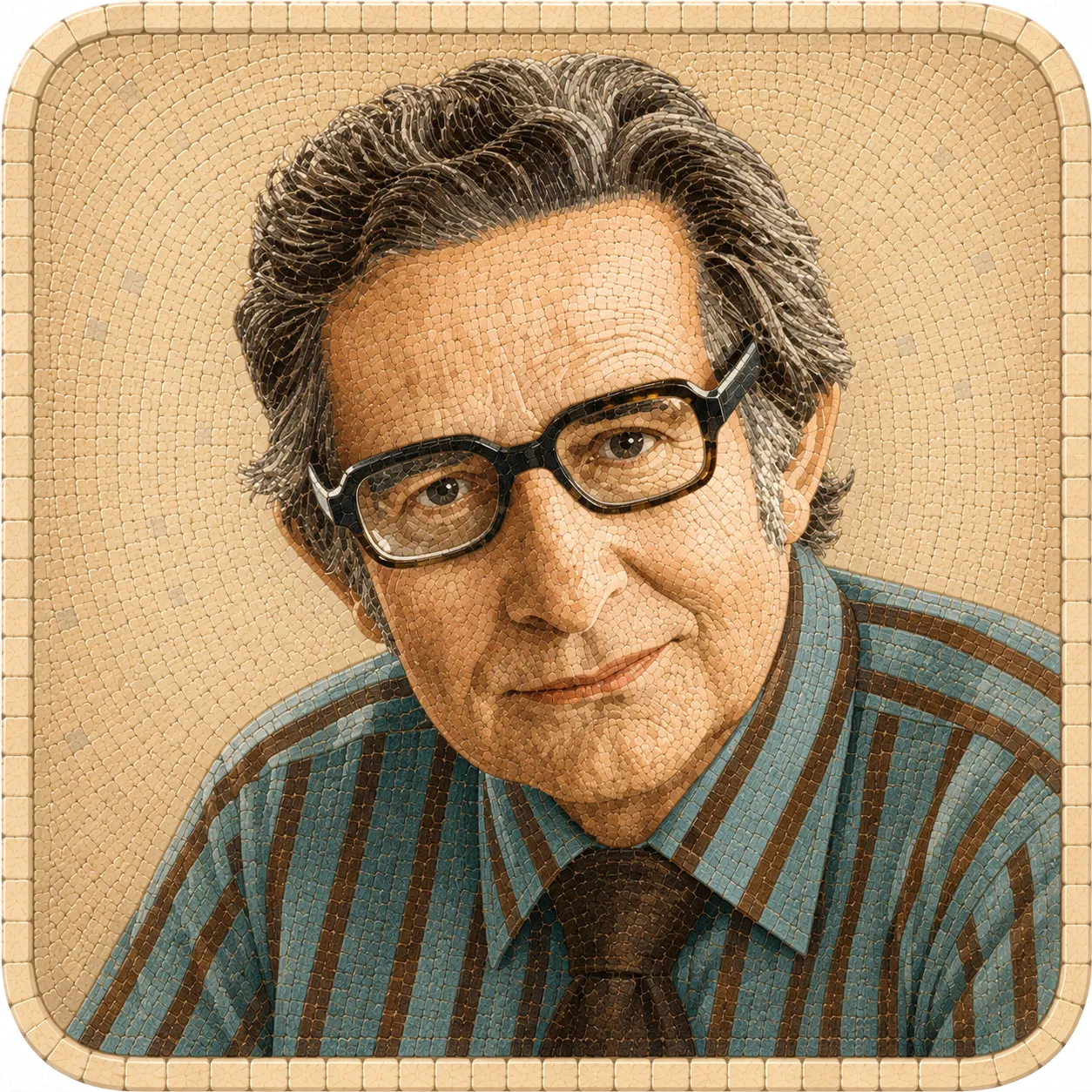
Biological Trait Theory
Hans Eysenck
1916 – 1997
Temperament written in biology
Open profile 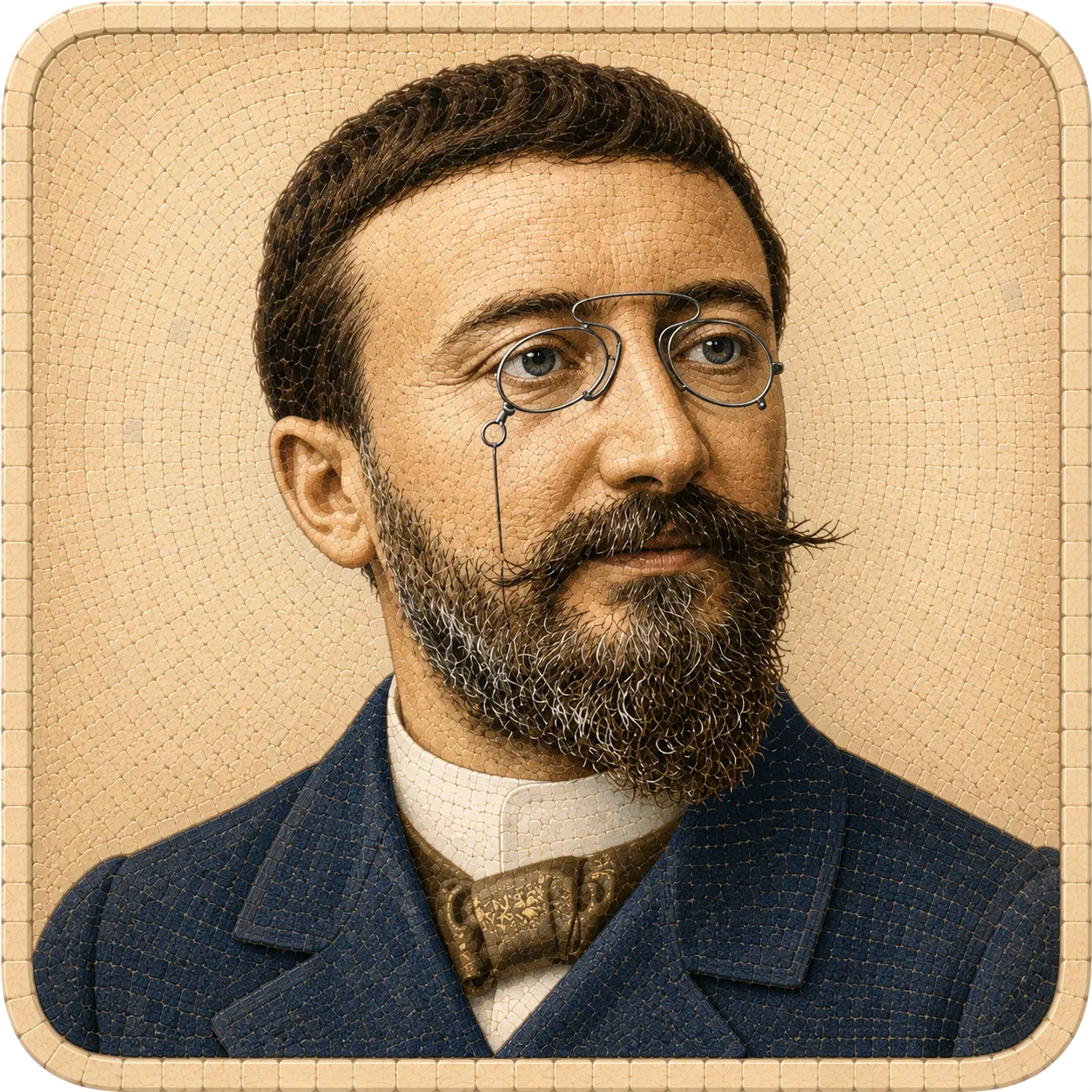
Intelligence Testing
Alfred Binet
1857 – 1911
Testing in the service of children
Open profile 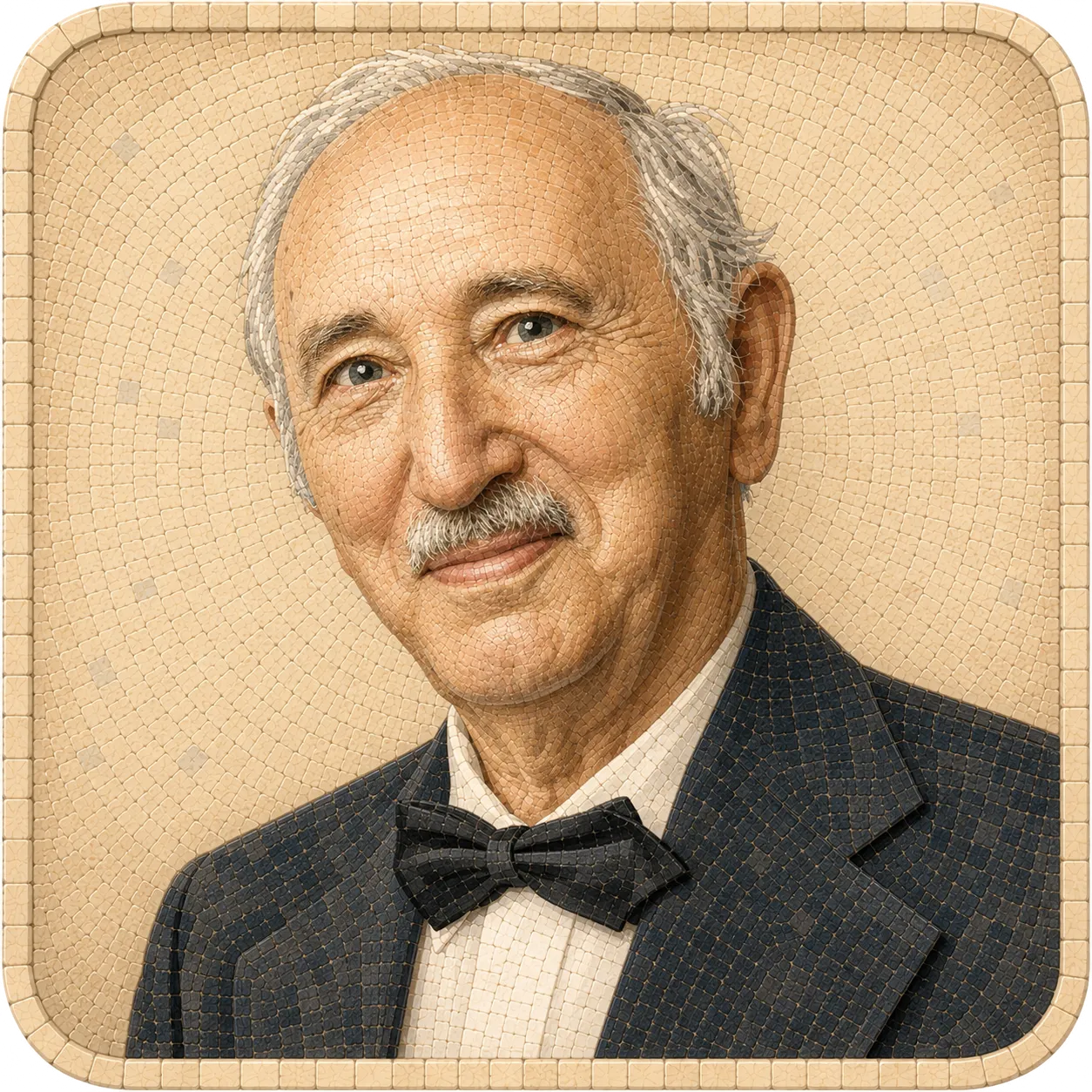
Intelligence Profile
David Wechsler
1896 – 1981
Intelligence as a portrait, not a verdict
Open profile 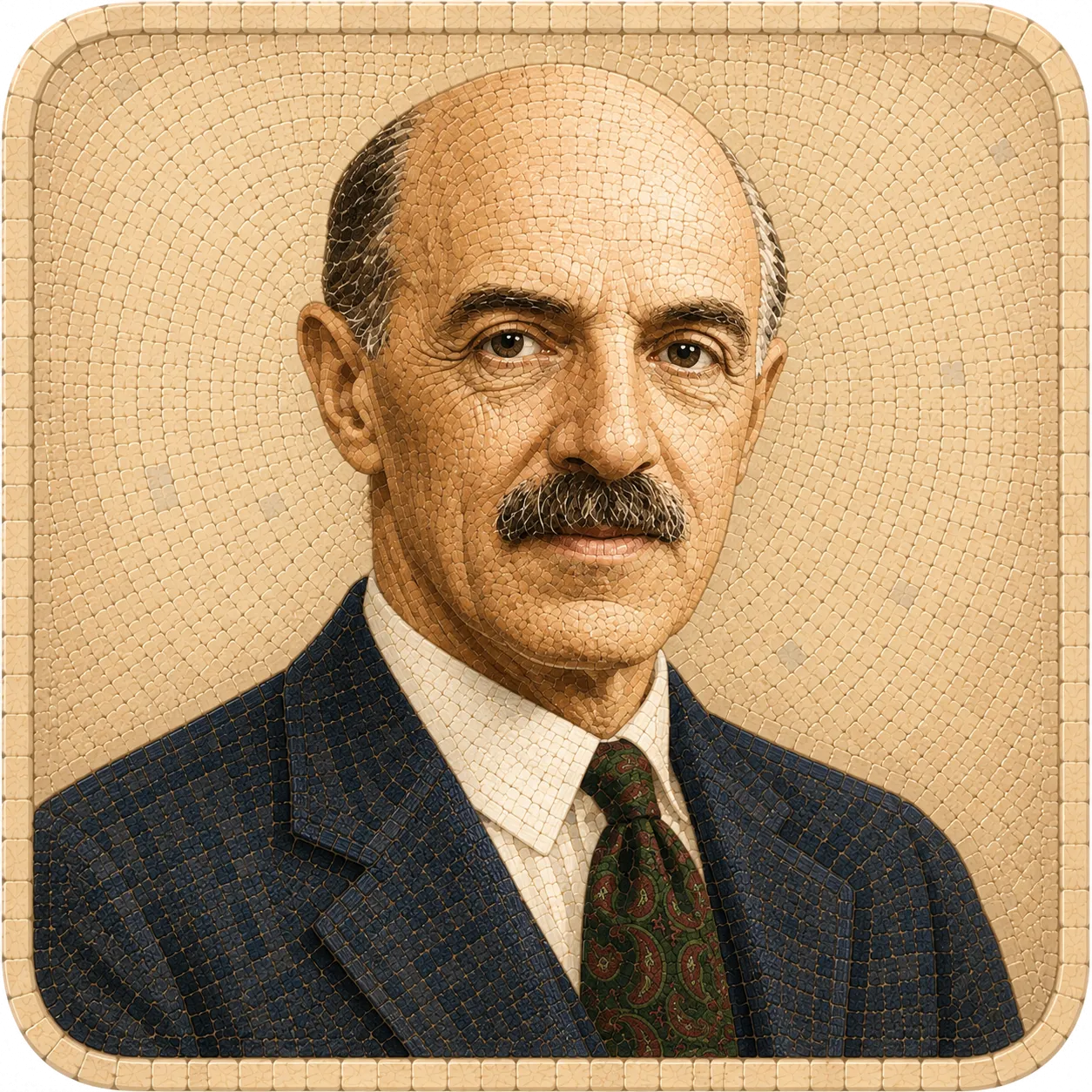
G Factor Theory
Charles Spearman
1863 – 1945
One thread running through every ability
Open profile 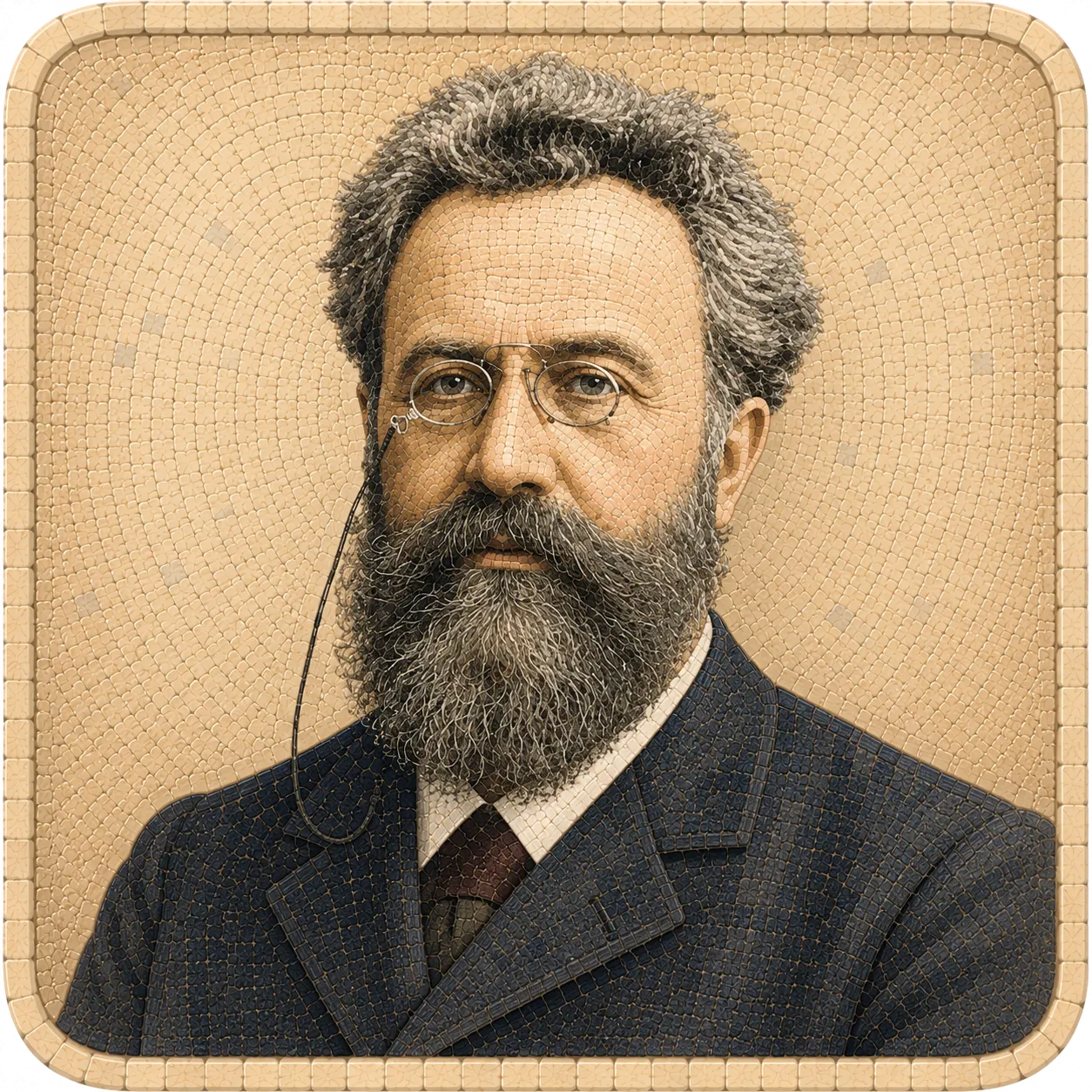
Memory Experiments
Hermann Ebbinghaus
1850 – 1909
He turned memory into a measurement
Open profile 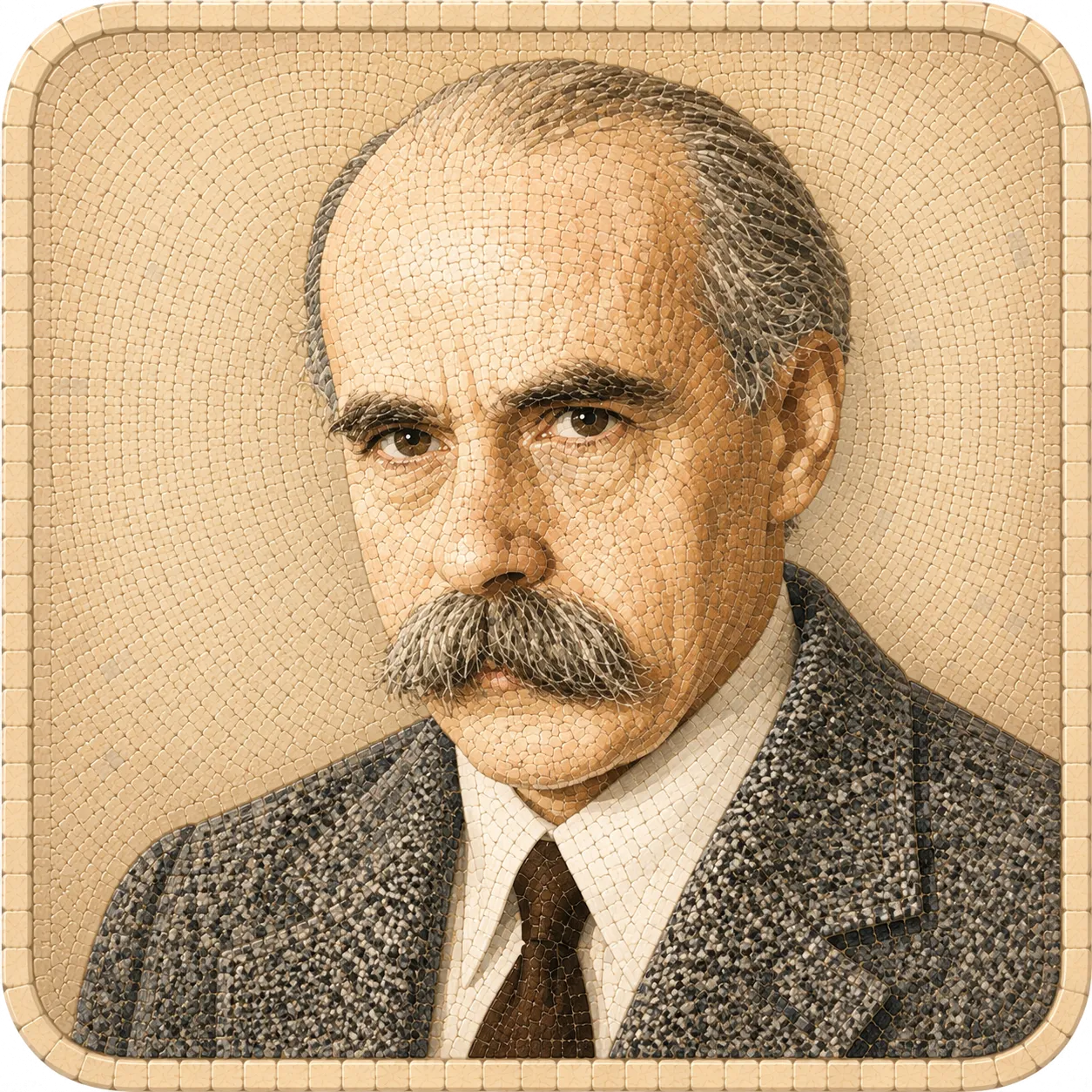
Gestalt Theory
Max Wertheimer
1880 – 1943
The whole is more than its parts
Open profile 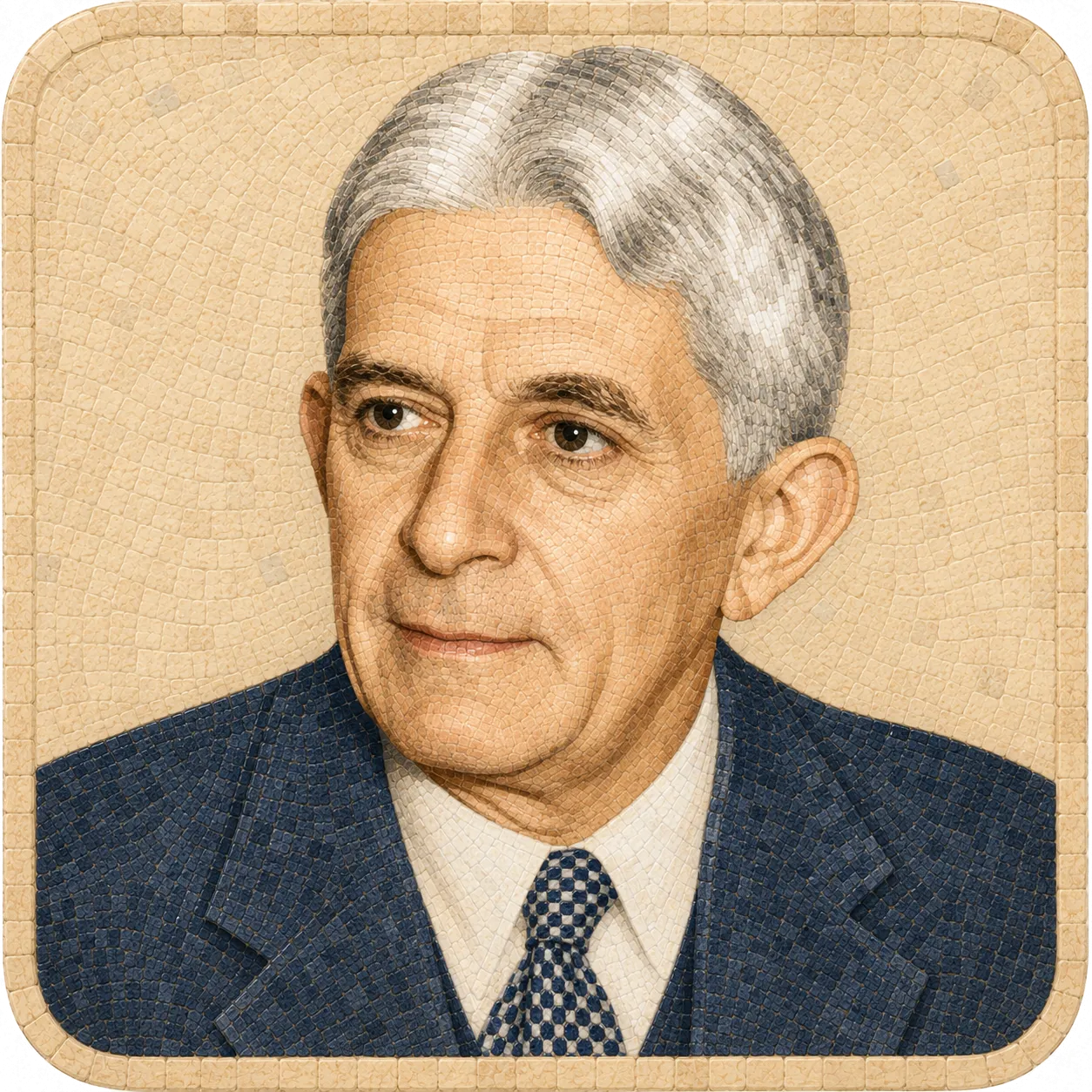
Insight Learning
Wolfgang Kohler
1887 – 1967
Understanding arrives in a flash
Open profile 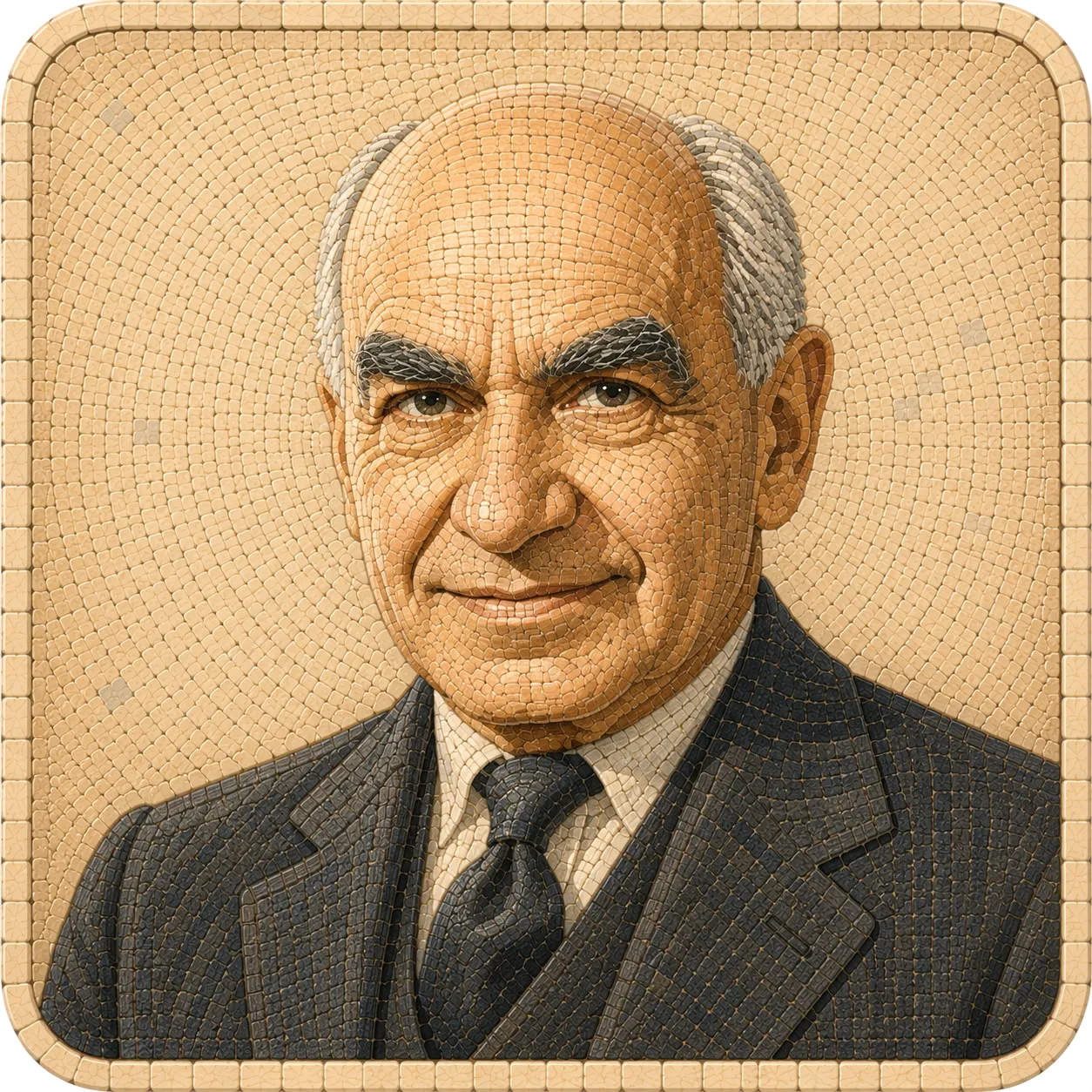
Schema Theory
Frederic Bartlett
1886 – 1969
Memory is built, not stored
Open profile 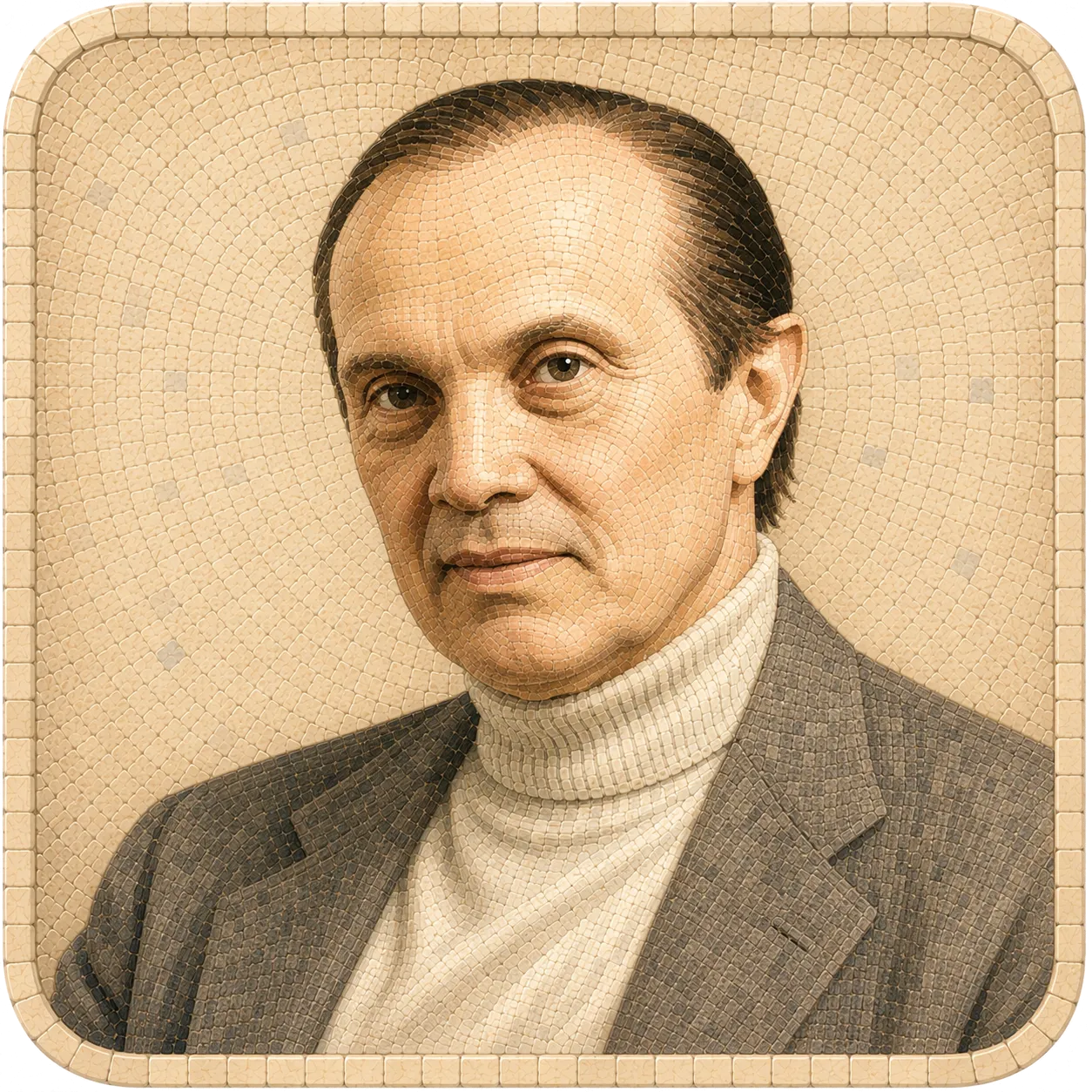
Information Processing
George A. Miller
1920 – 2012
The mind holds about seven things
Open profile 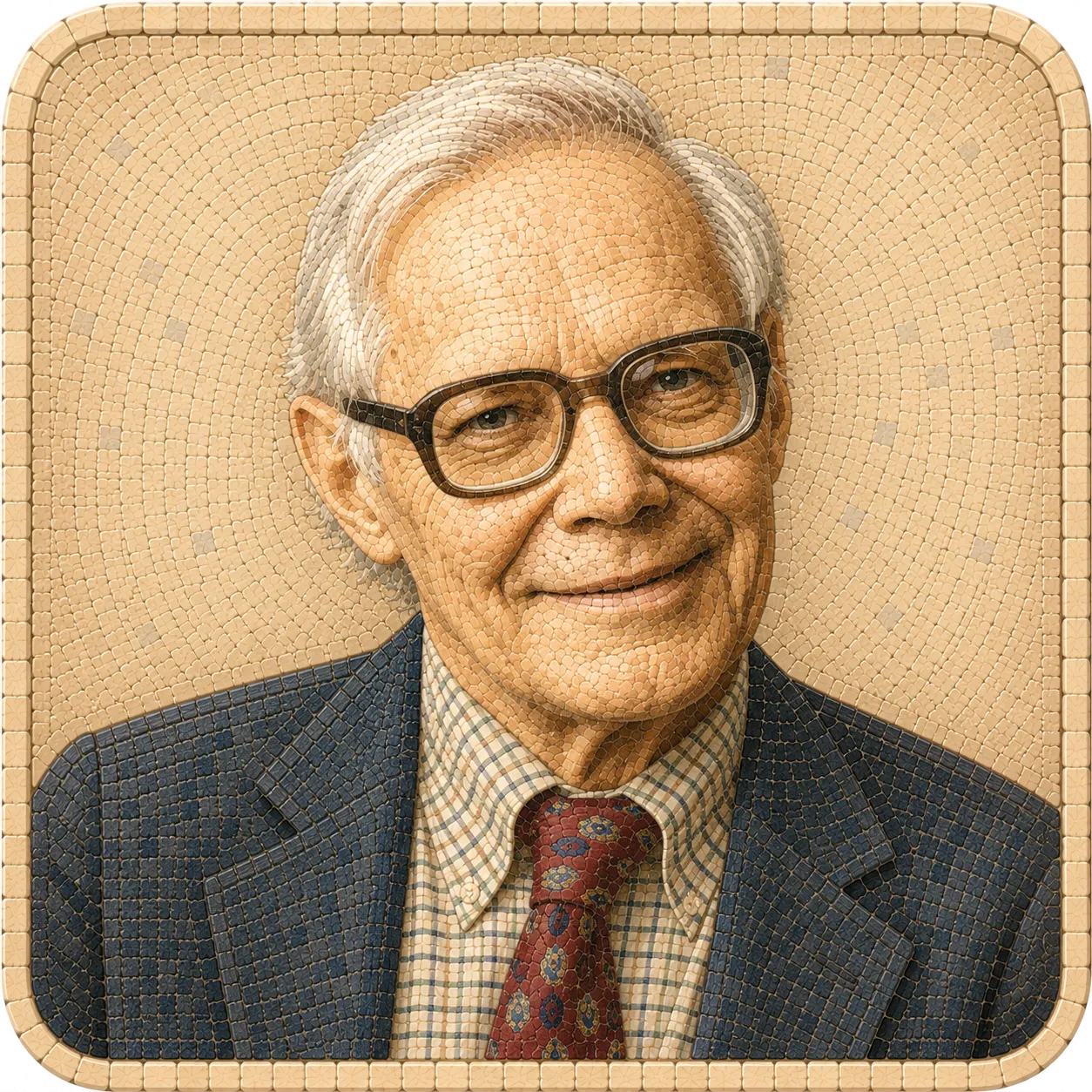
Cognitive Psychology
Ulric Neisser
1928 – 2012
Study the mind in the world
Open profile 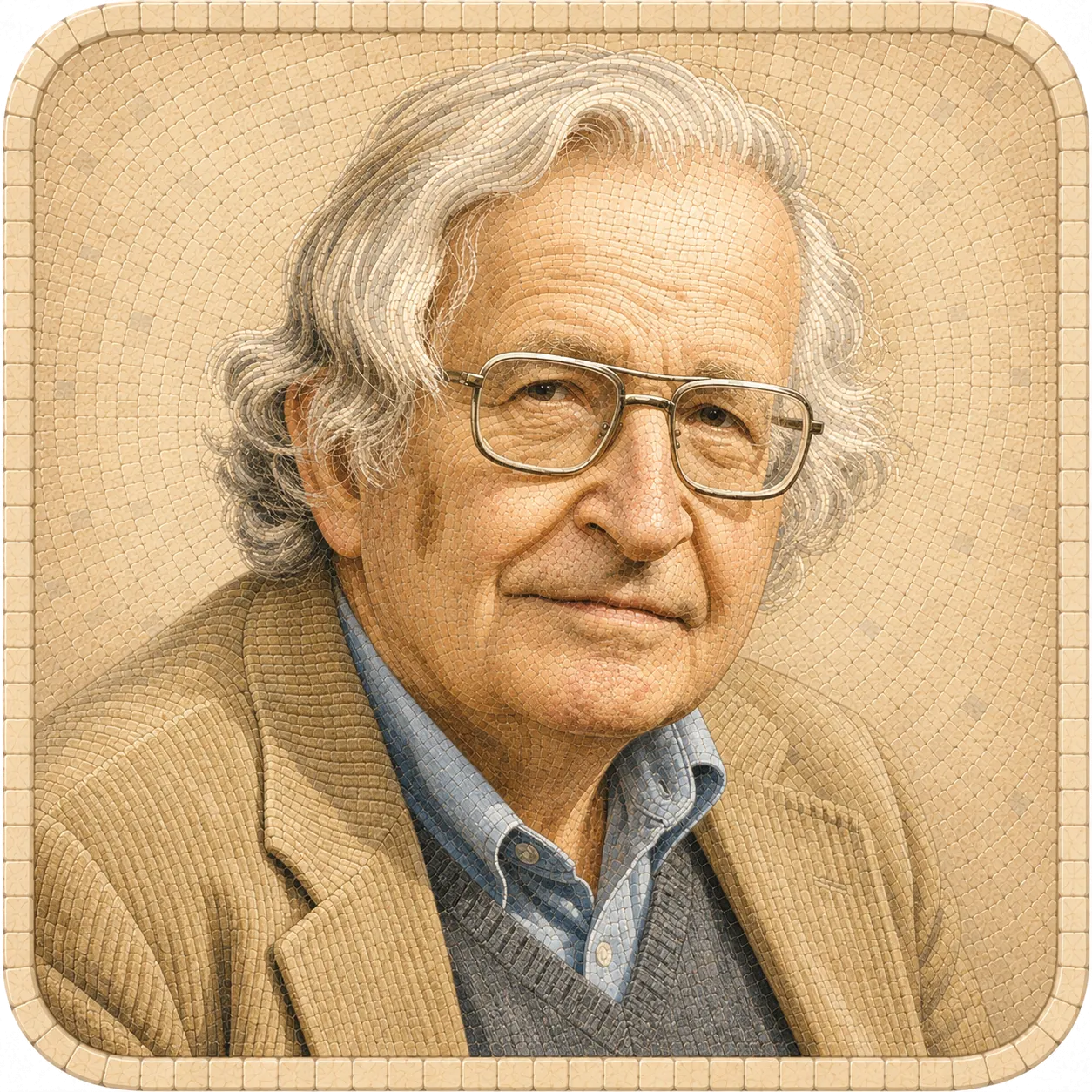
Generative Grammar
Noam Chomsky
1928 –
Language is born, not just learned
Open profile 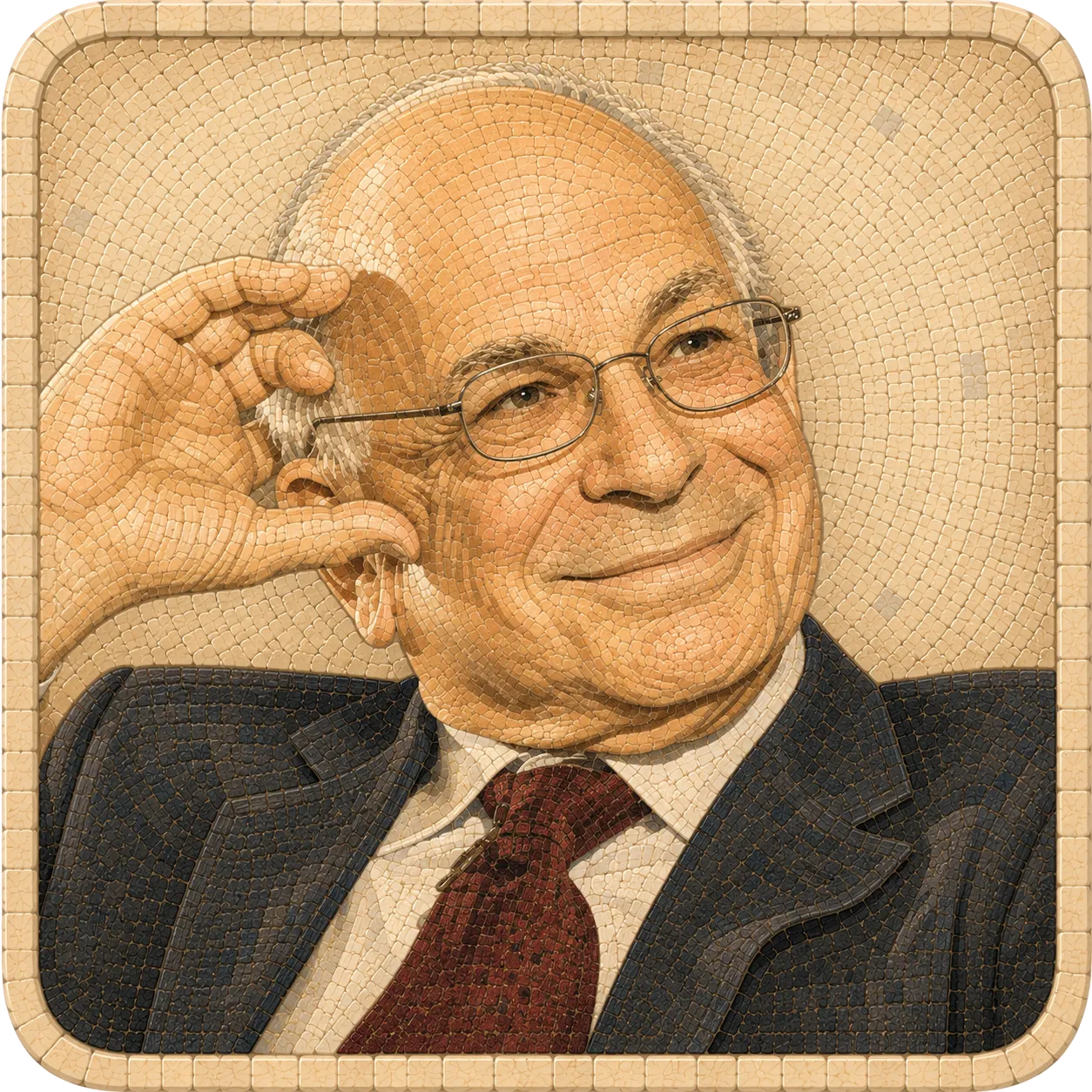
Prospect Theory
Daniel Kahneman
1934 – 2024
Two minds, one fast, one slow
Open profile 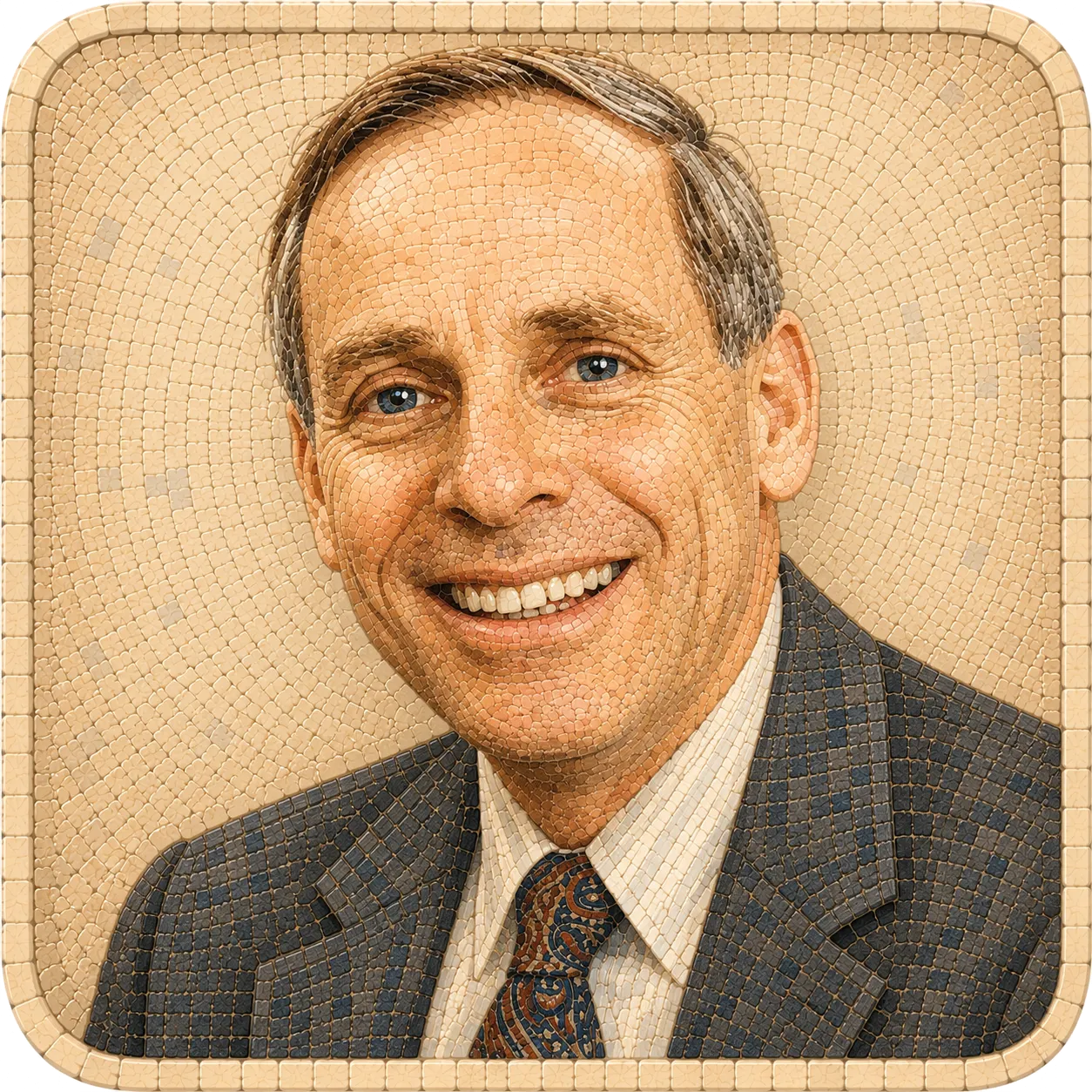
Prospect Theory
Amos Tversky
1937 – 1996
The frame shapes the choice
Open profile 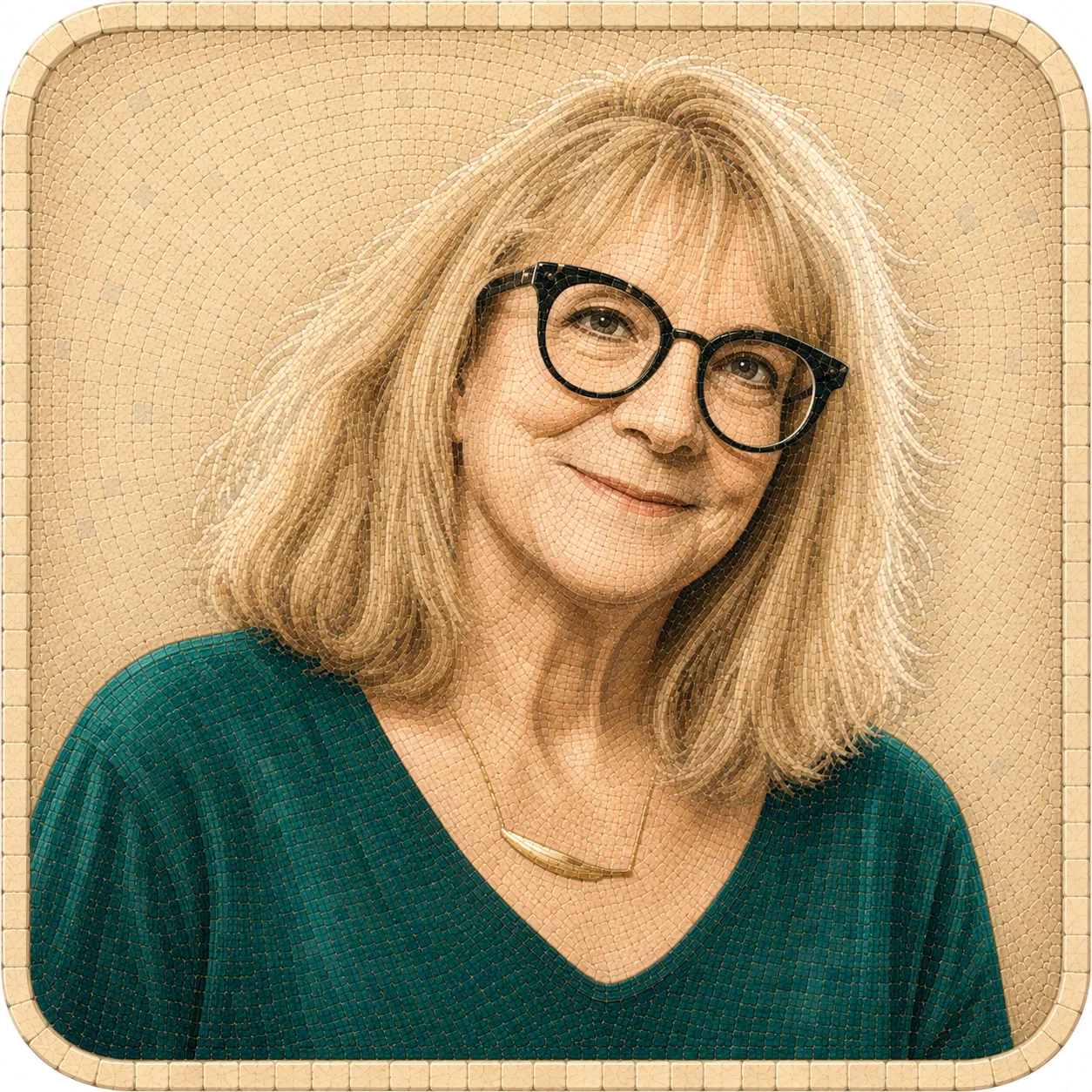
Misinformation Effect
Elizabeth Loftus
1944 –
Memory remembers, but also invents.
Open profile 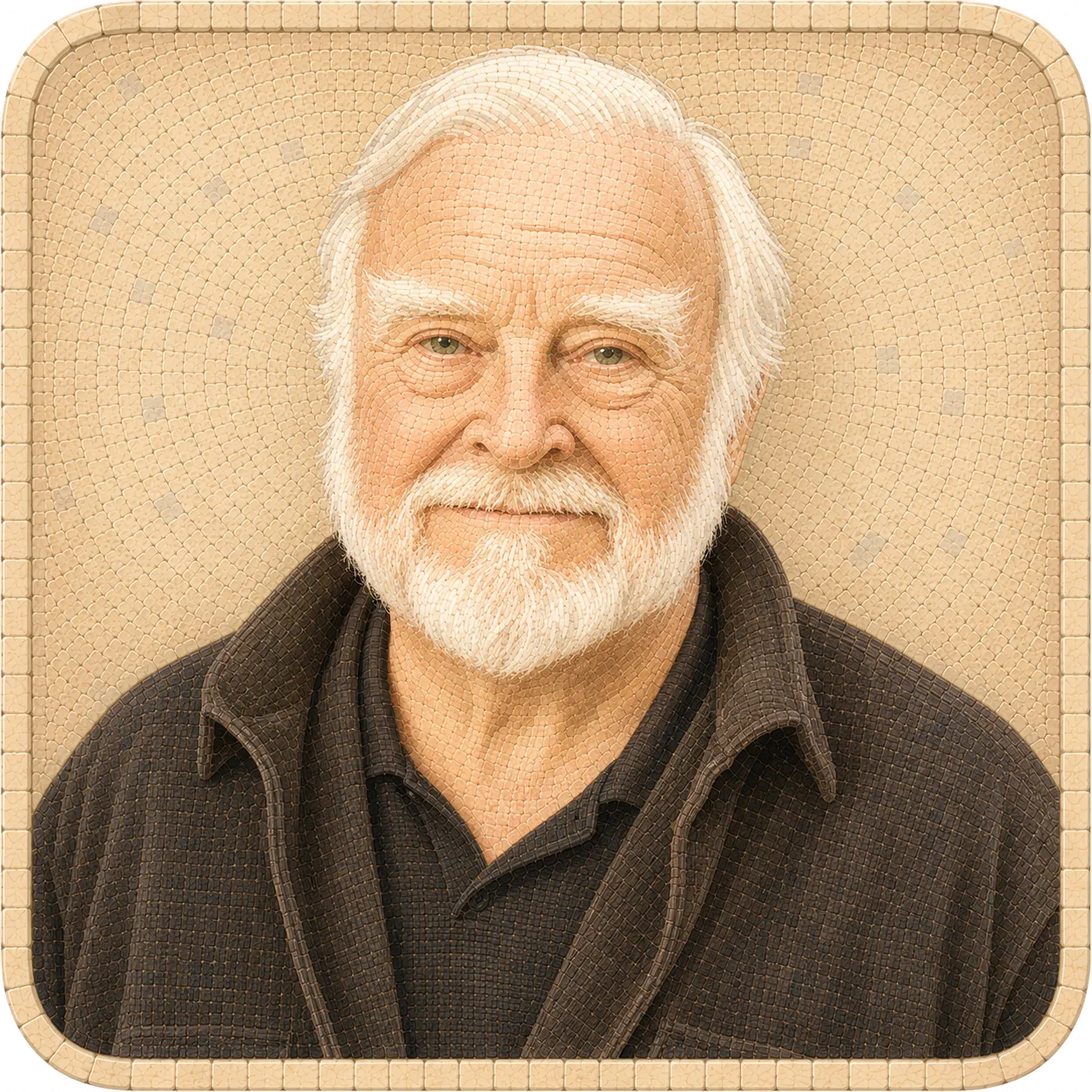
Flow Theory
Mihaly Csikszentmihalyi
1934 – 2021
The joy of being fully absorbed.
Open profile 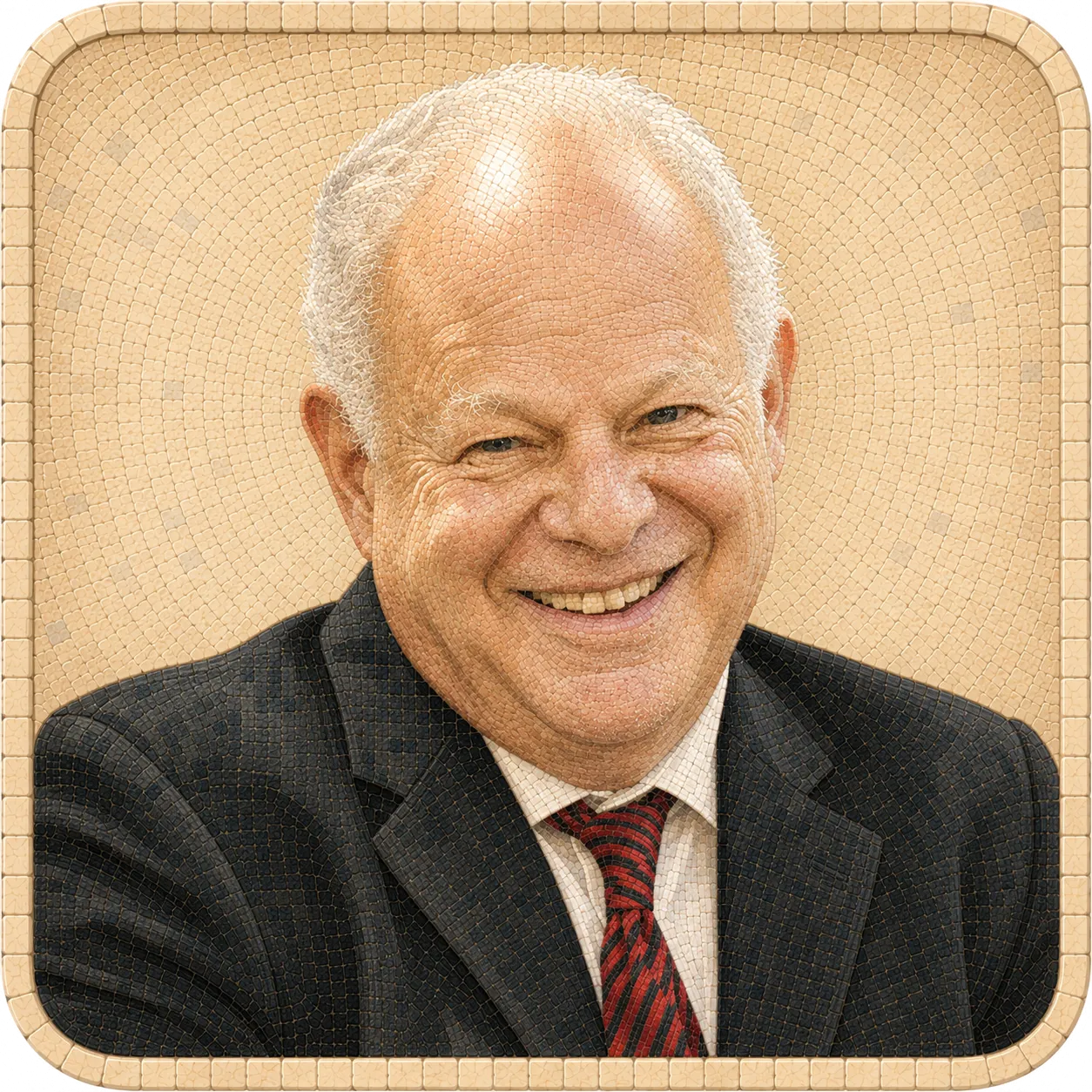
Positive Psychology
Martin Seligman
1942 –
Studying what helps us flourish.
Open profile 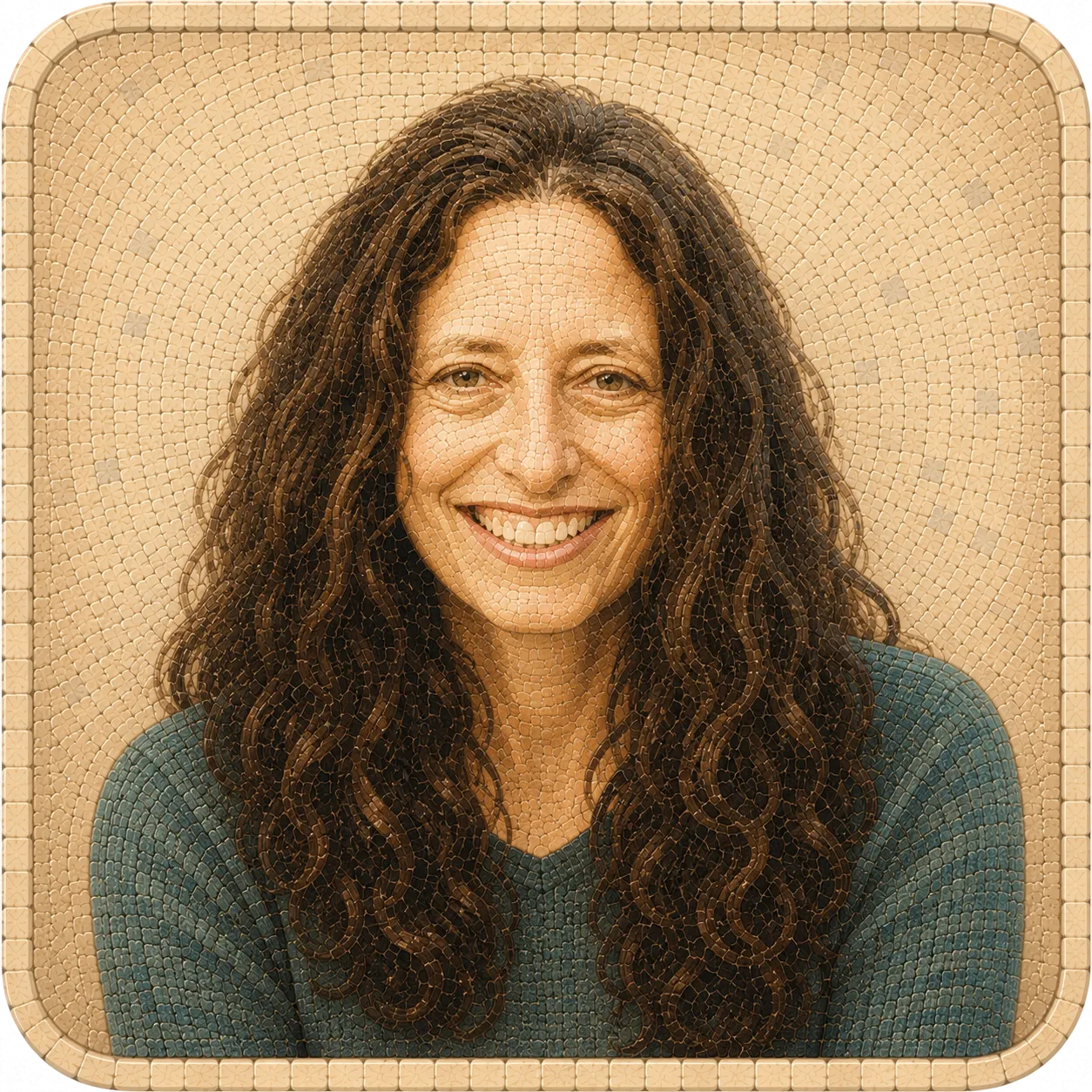
Ethics Of Care
Carol Gilligan
1936 –
Listening for the voice unheard.
Open profile 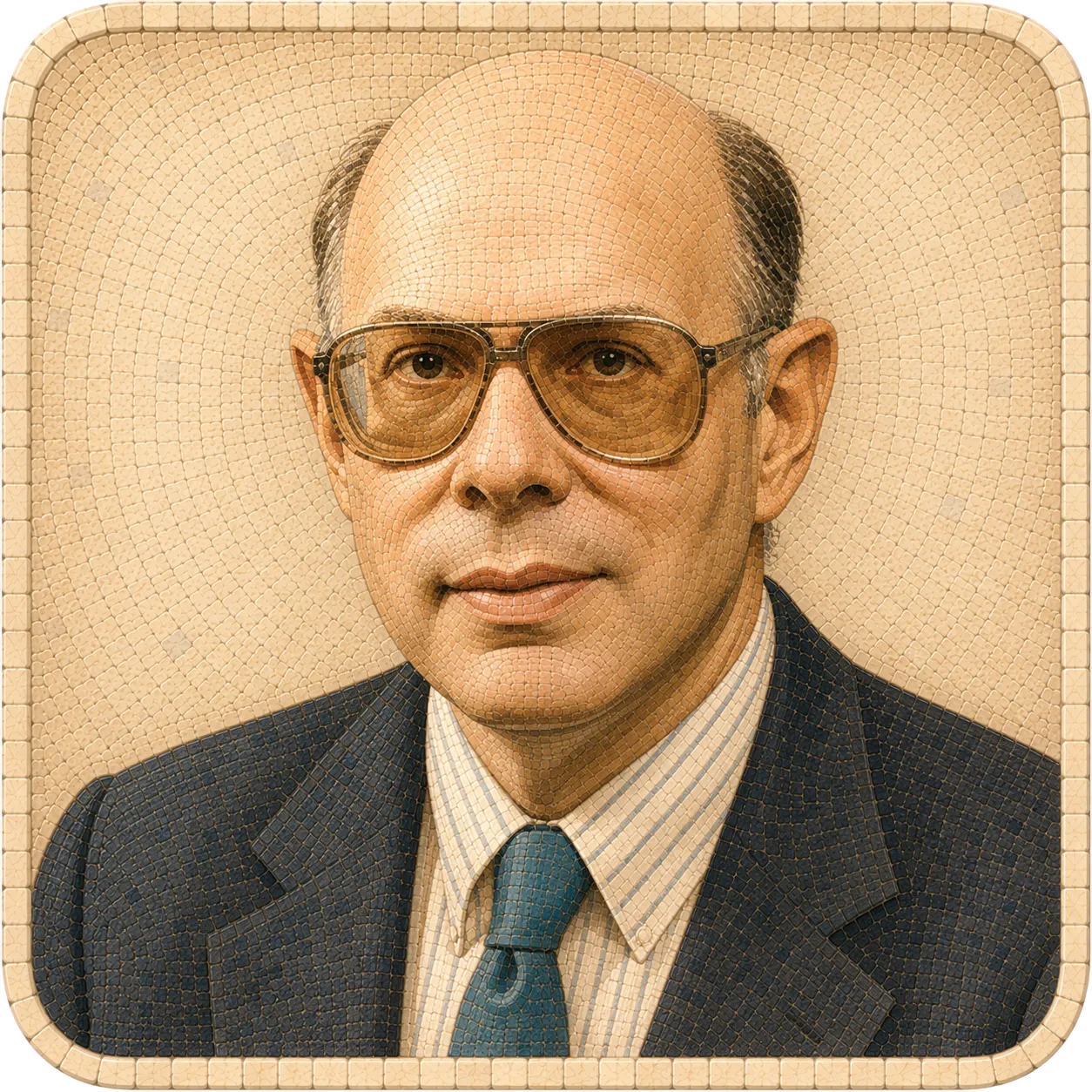
Social Psychology
Stanley Schachter
1922 – 1997
Emotion is arousal plus the story we tell about it.
Open profile 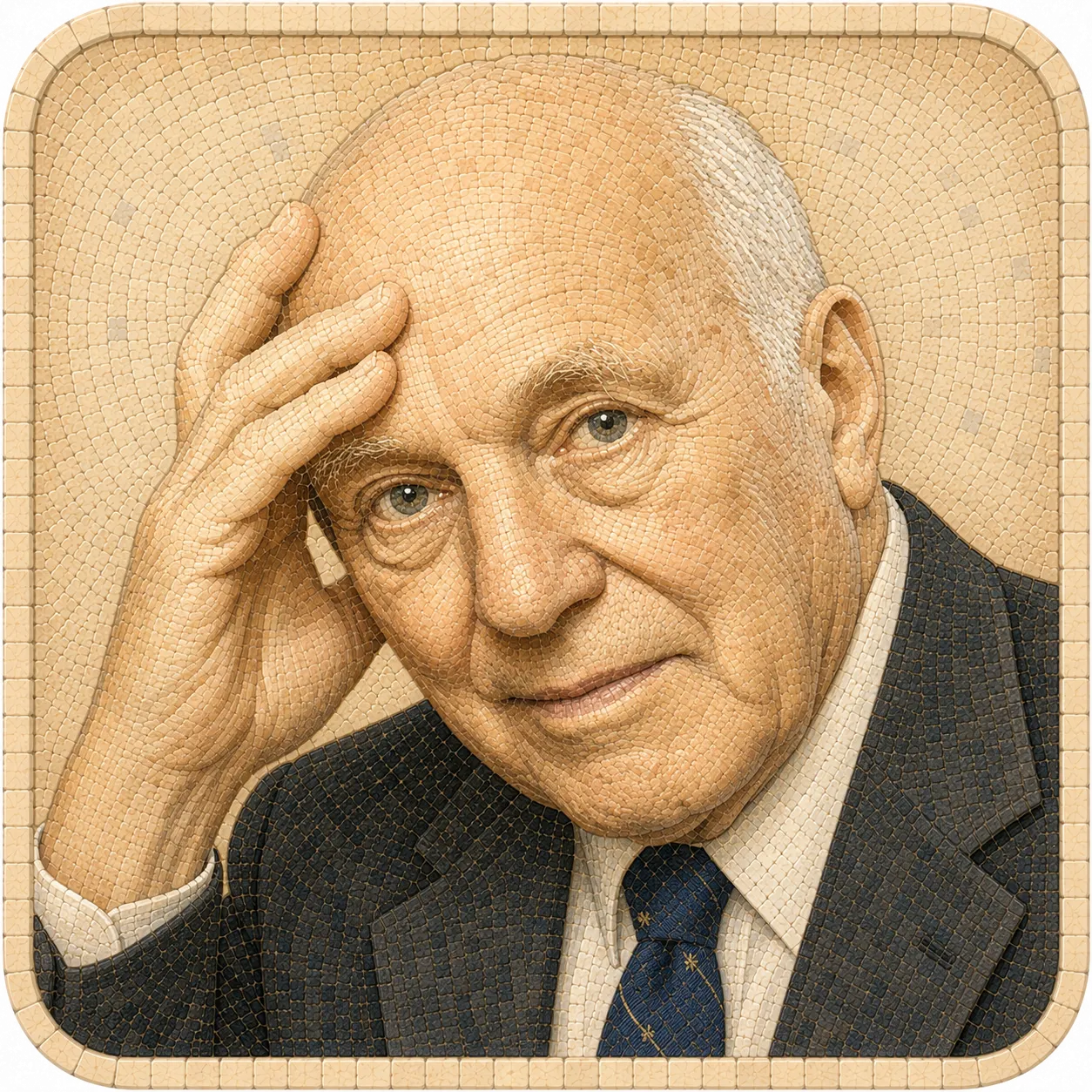
Behaviorism
Neal E. Miller
1909 – 2002
Learning principles reach all the way into the body.
Open profile 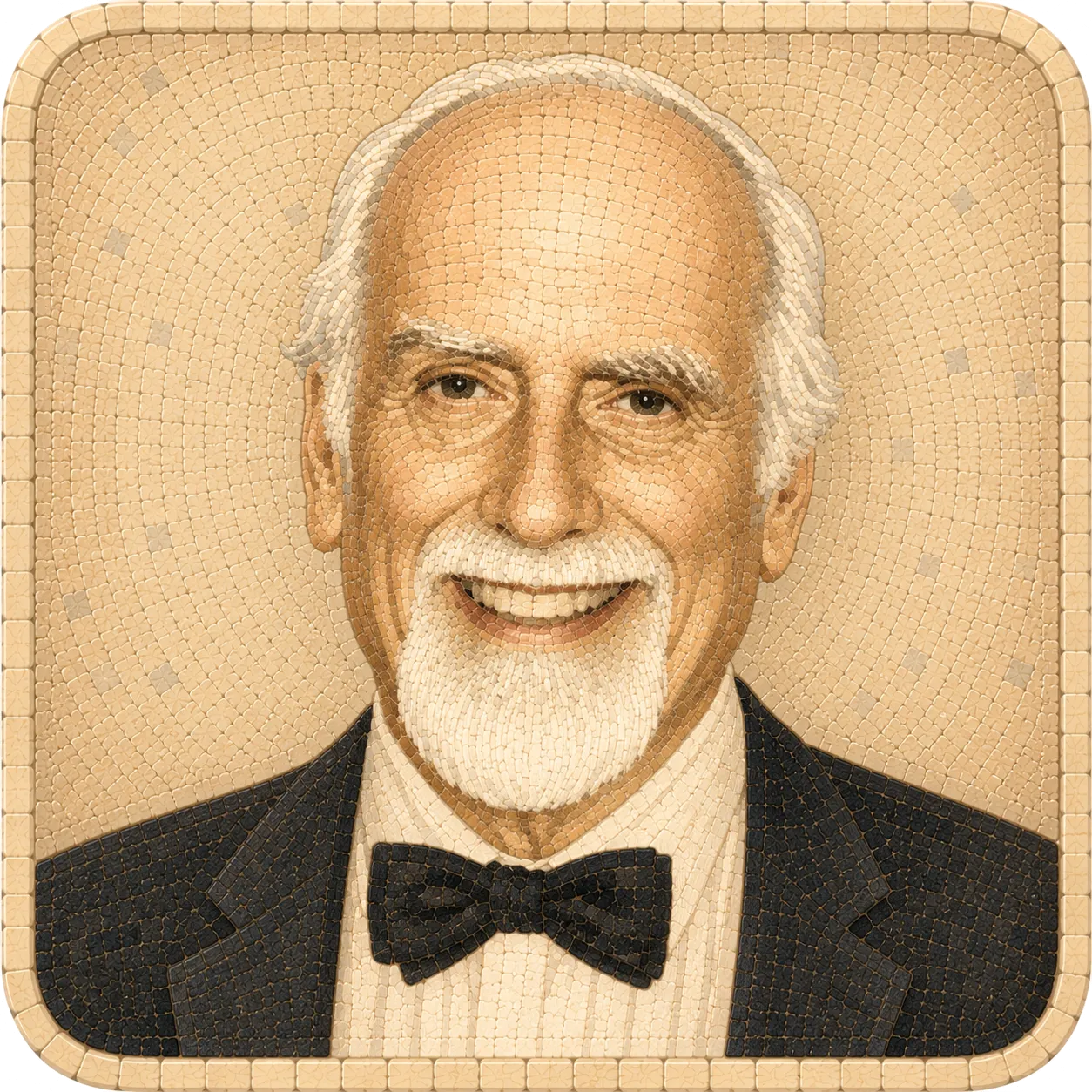
Personality Psychology
David C. McClelland
1917 – 1998
We are moved by recurring needs for achievement, power and belonging.
Open profile 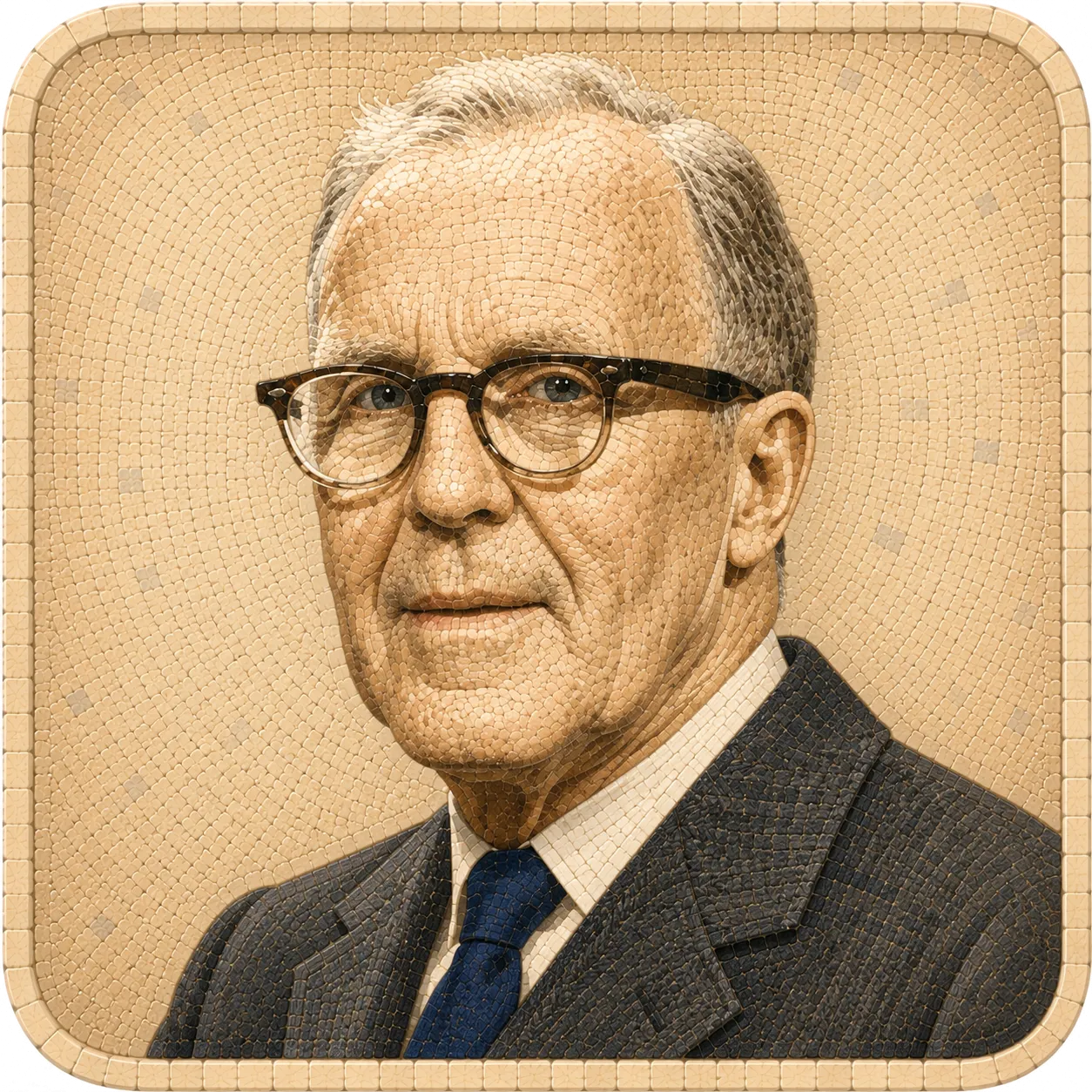
Neuropsychology
Donald O. Hebb
1904 – 1985
Neurons that fire together wire together.
Open profile 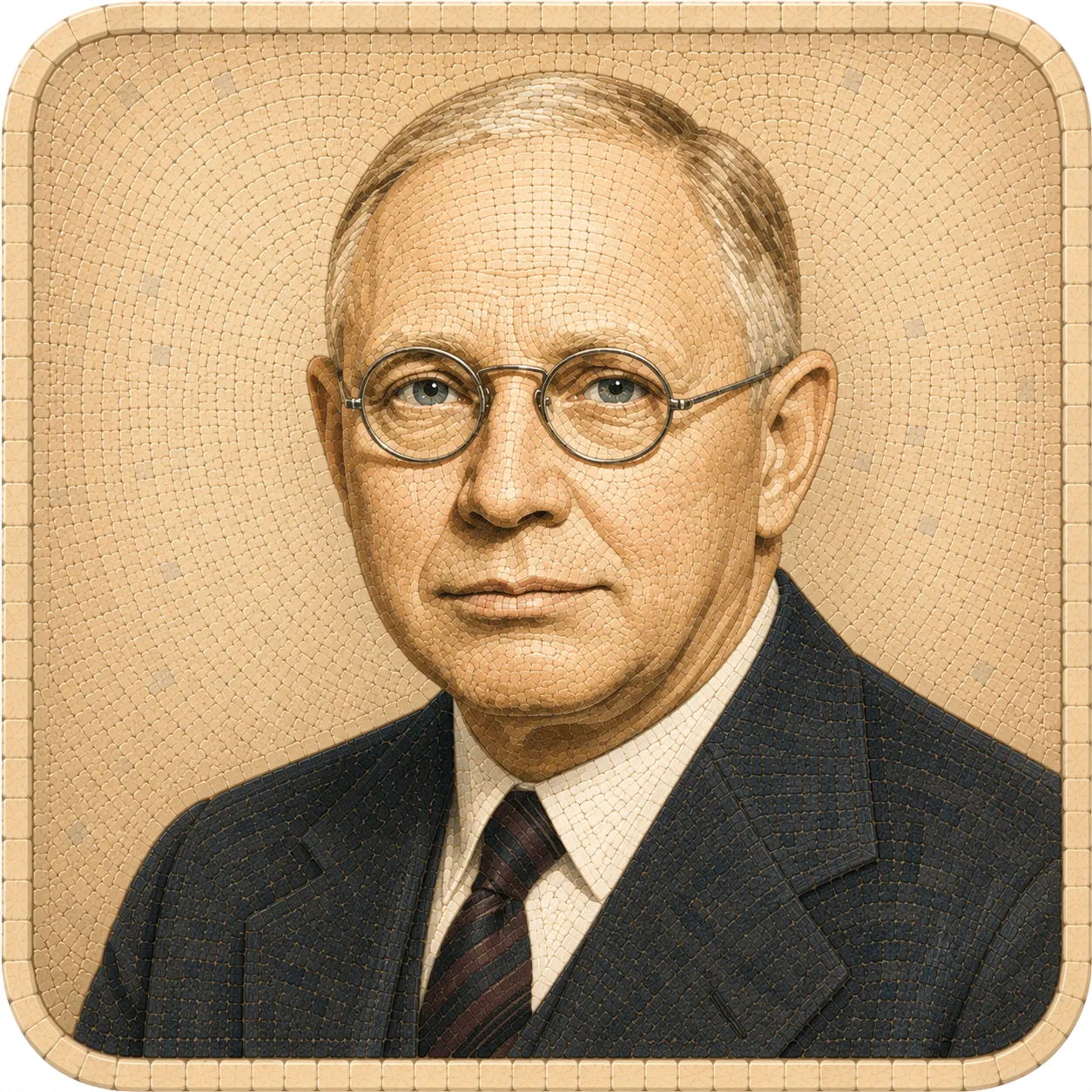
Behaviorism
Clark L. Hull
1884 – 1952
Behavior as an equation of drive, habit and reinforcement.
Open profile 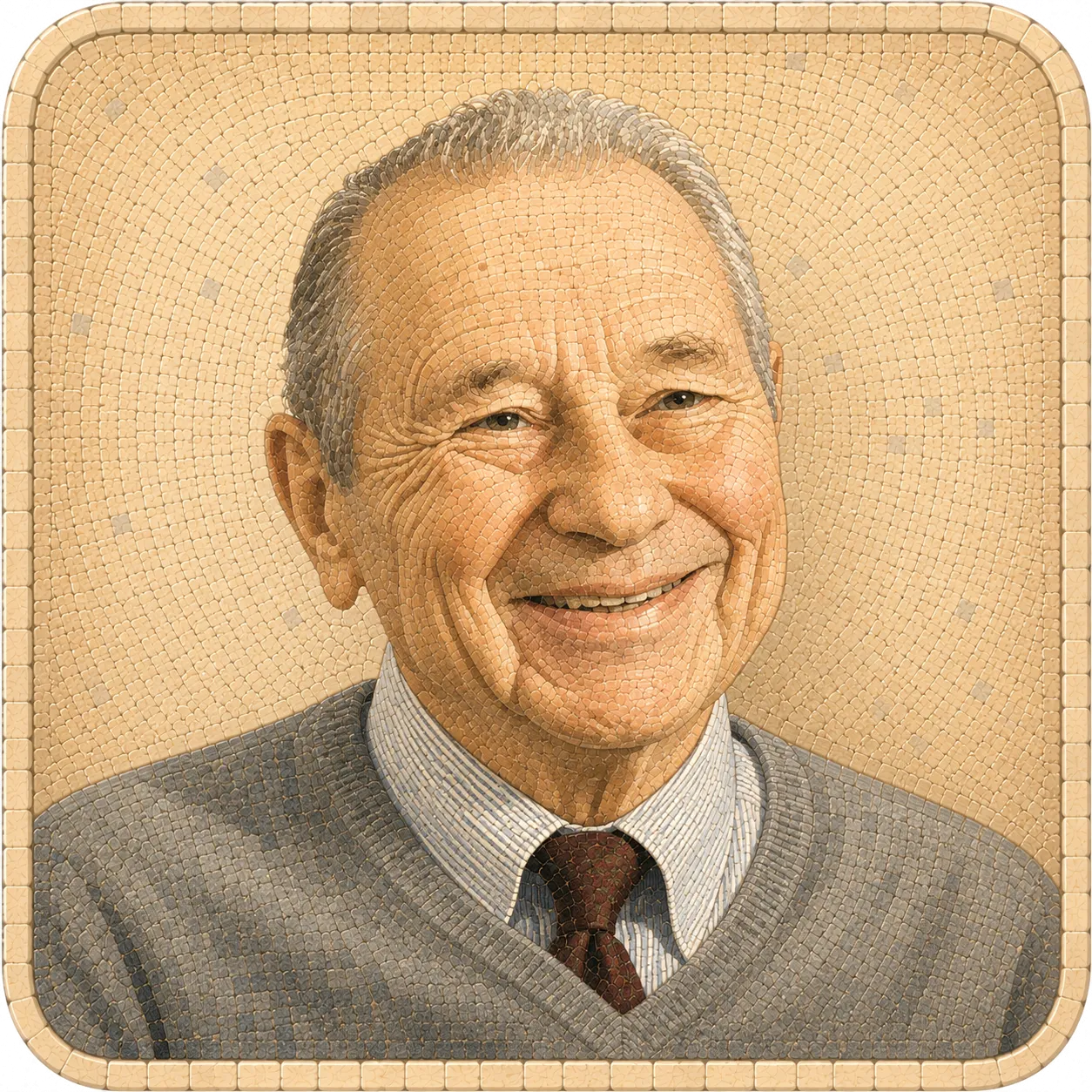
Developmental Psychology
Jerome Kagan
1929 – 2021
Temperament shapes the path, but does not fix the destination.
Open profile 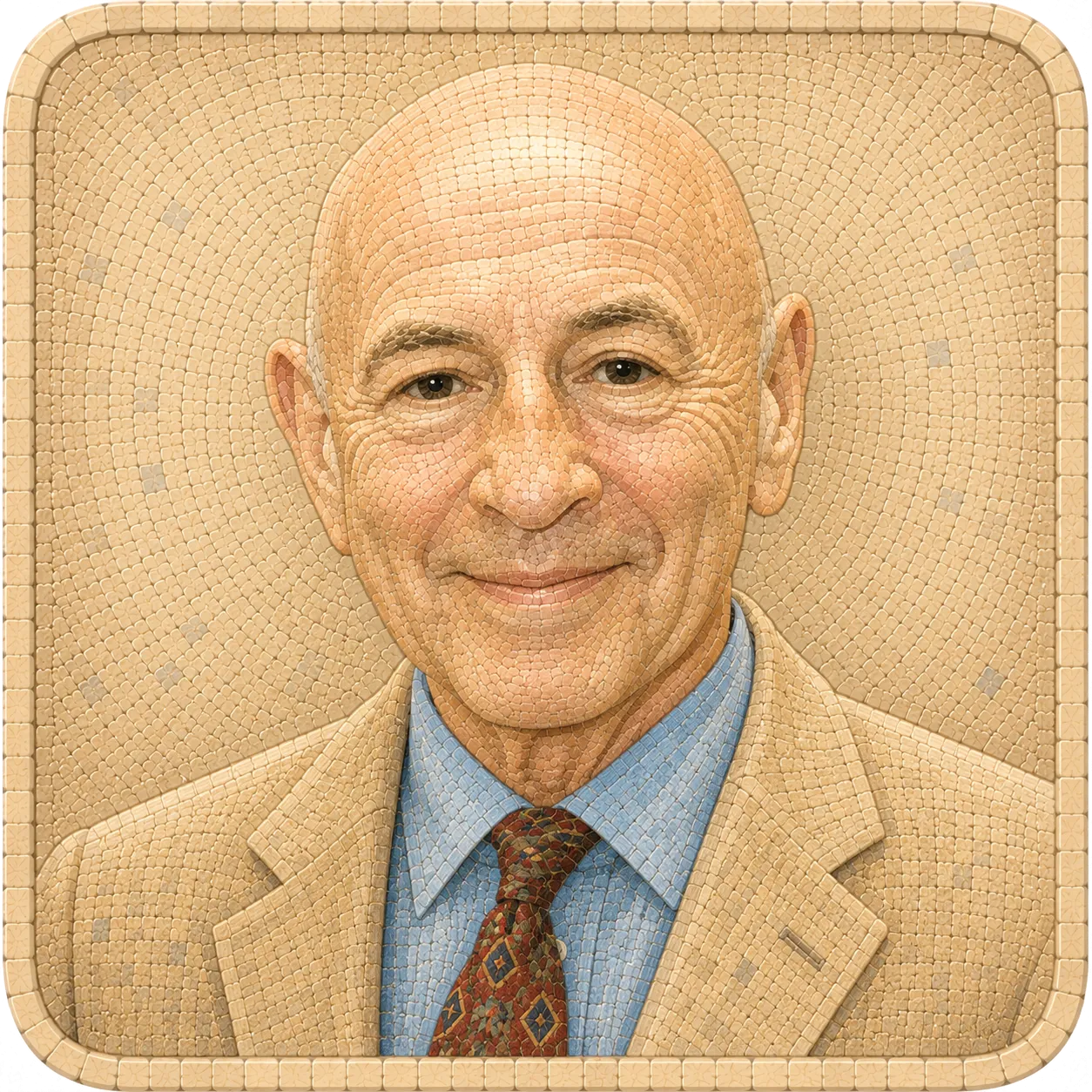
Personality Psychology
Walter Mischel
1930 – 2018
Personality lives in if-then patterns, not fixed labels.
Open profile 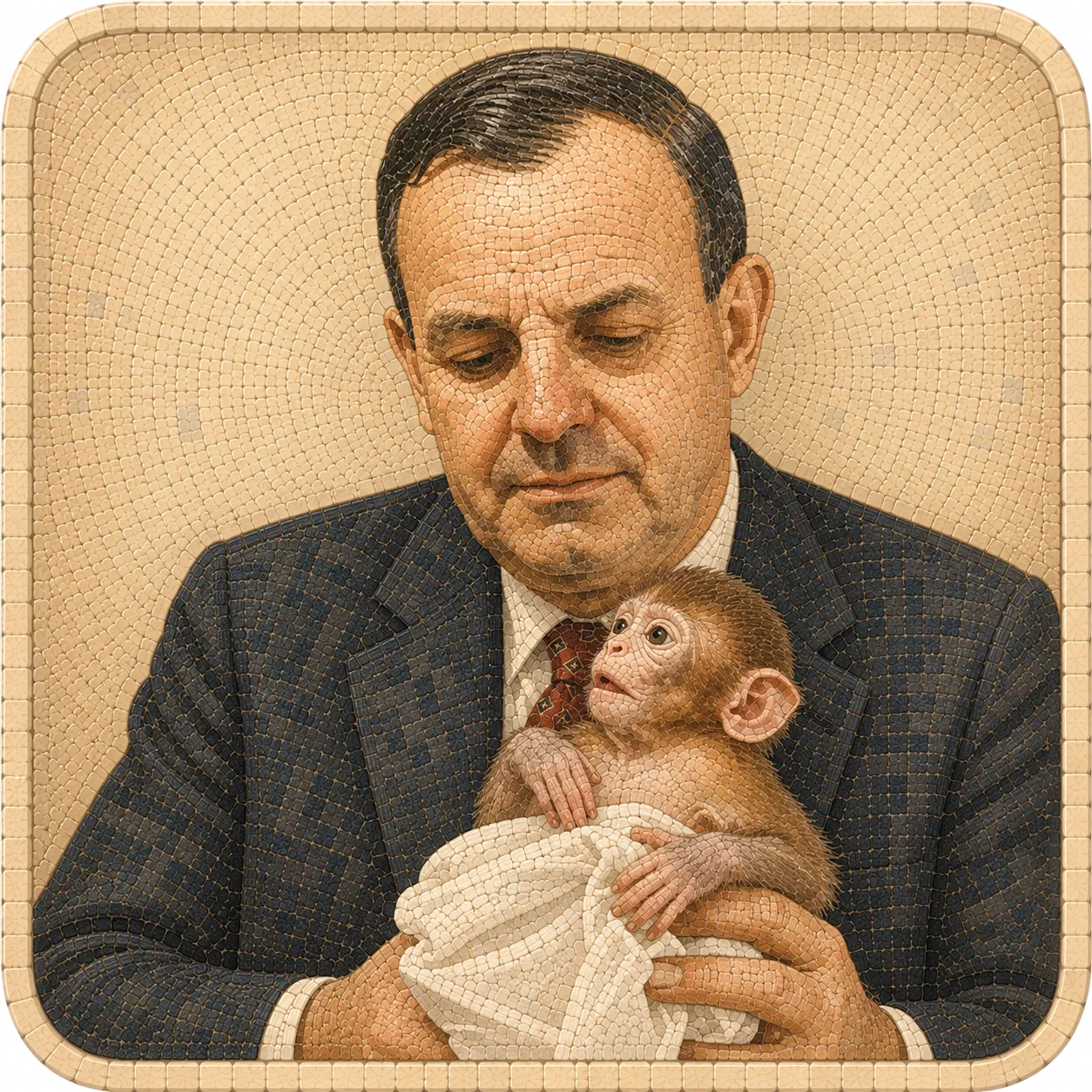
Developmental Psychology
Harry F. Harlow
1905 – 1981
Affection and comfort are needs, not luxuries.
Open profile 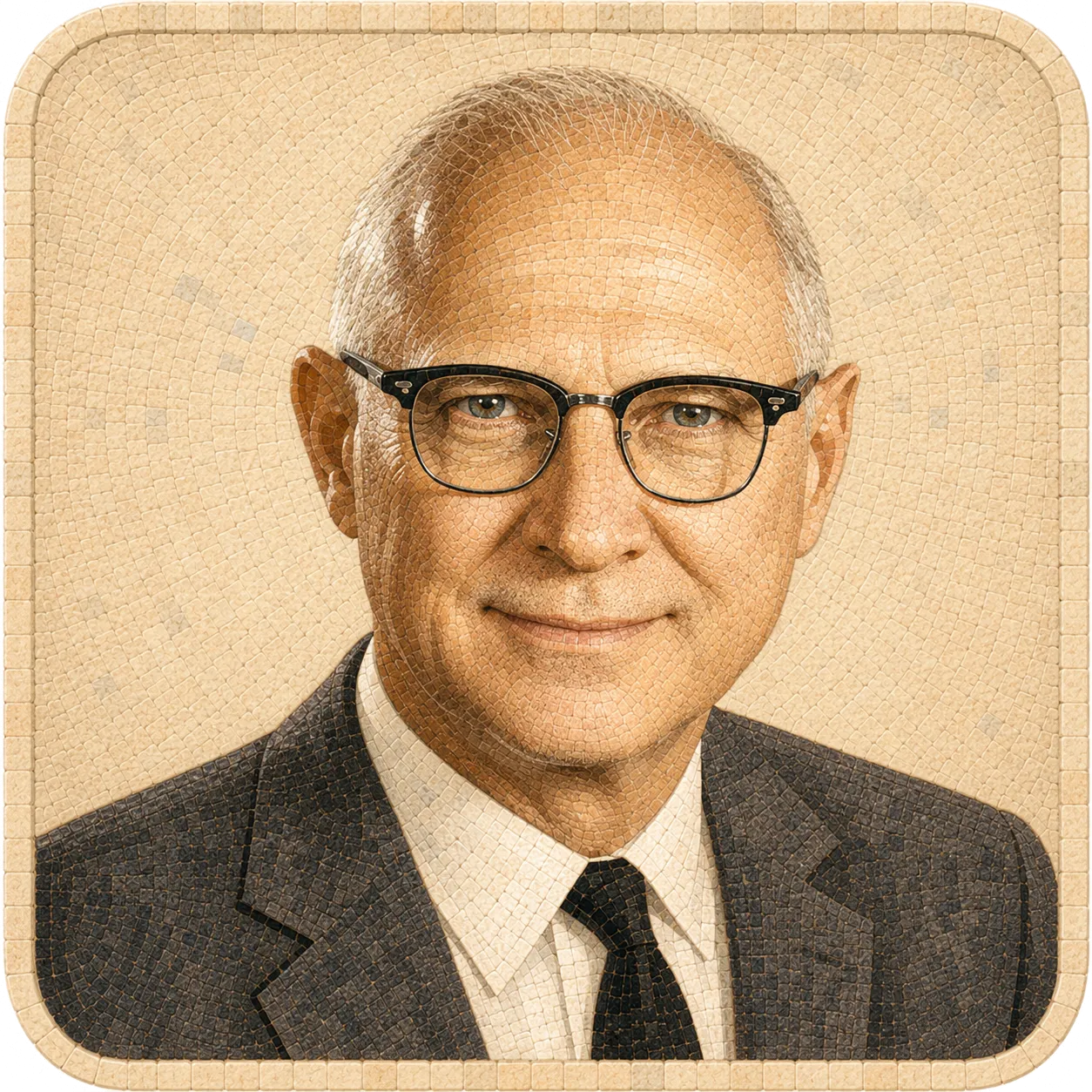
Intelligence Research
J.P. Guilford
1897 – 1987
Creativity is a set of abilities, not a mystery.
Open profile 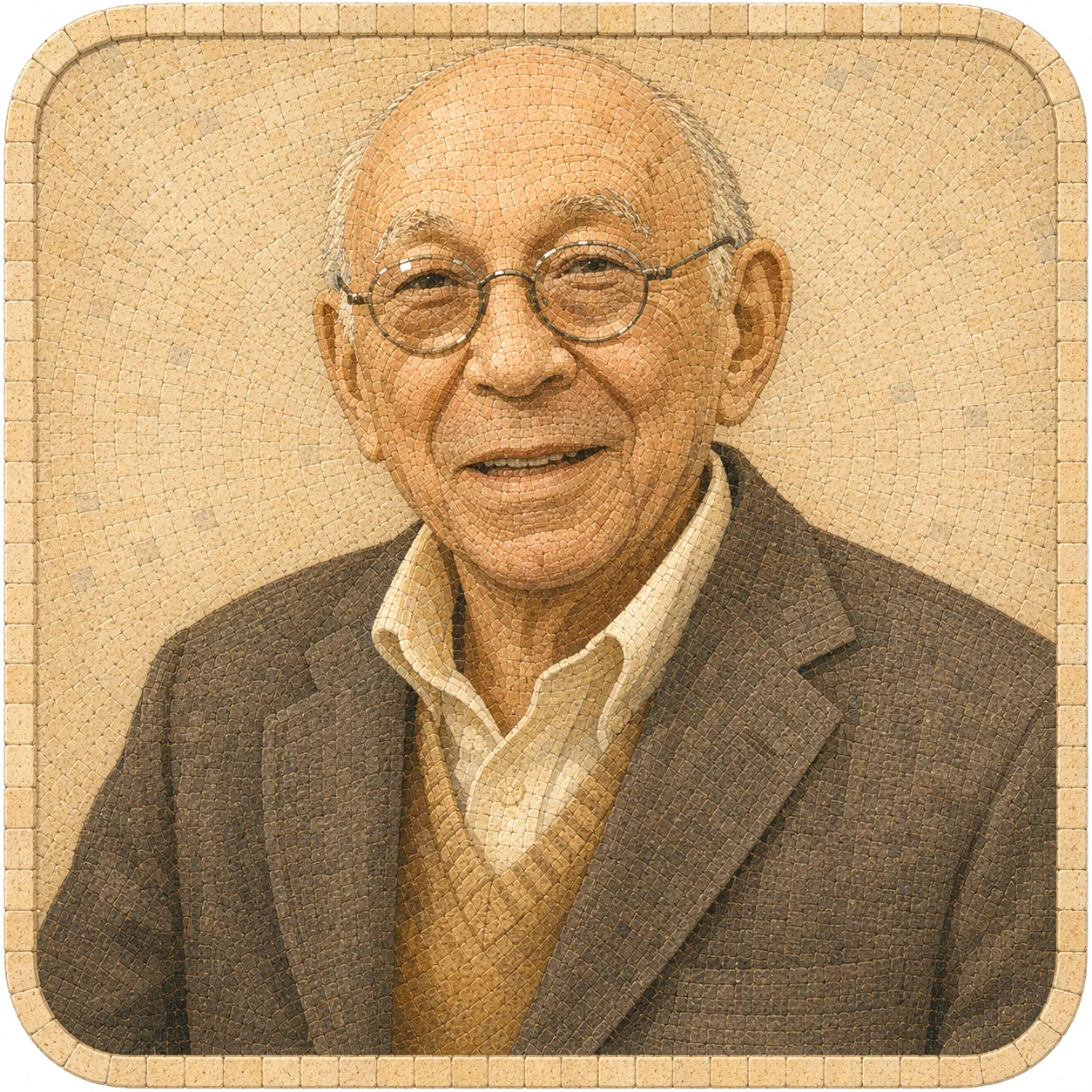
Cognitive Psychology
Jerome S. Bruner
1915 – 2016
Learning is an active making of meaning.
Open profile 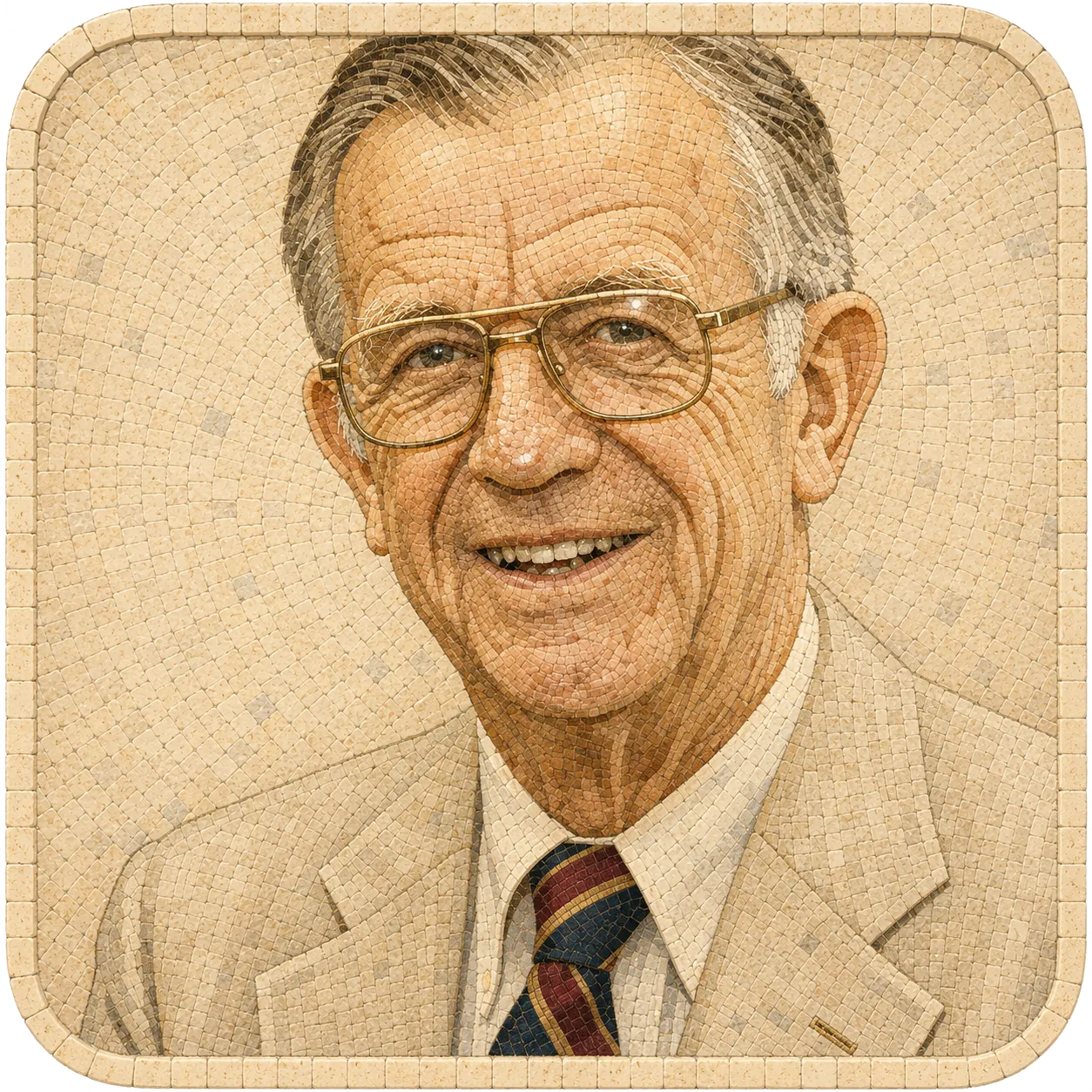
Consciousness Research
Ernest R. Hilgard
1904 – 2001
Consciousness can divide, and part of us keeps watching.
Open profile 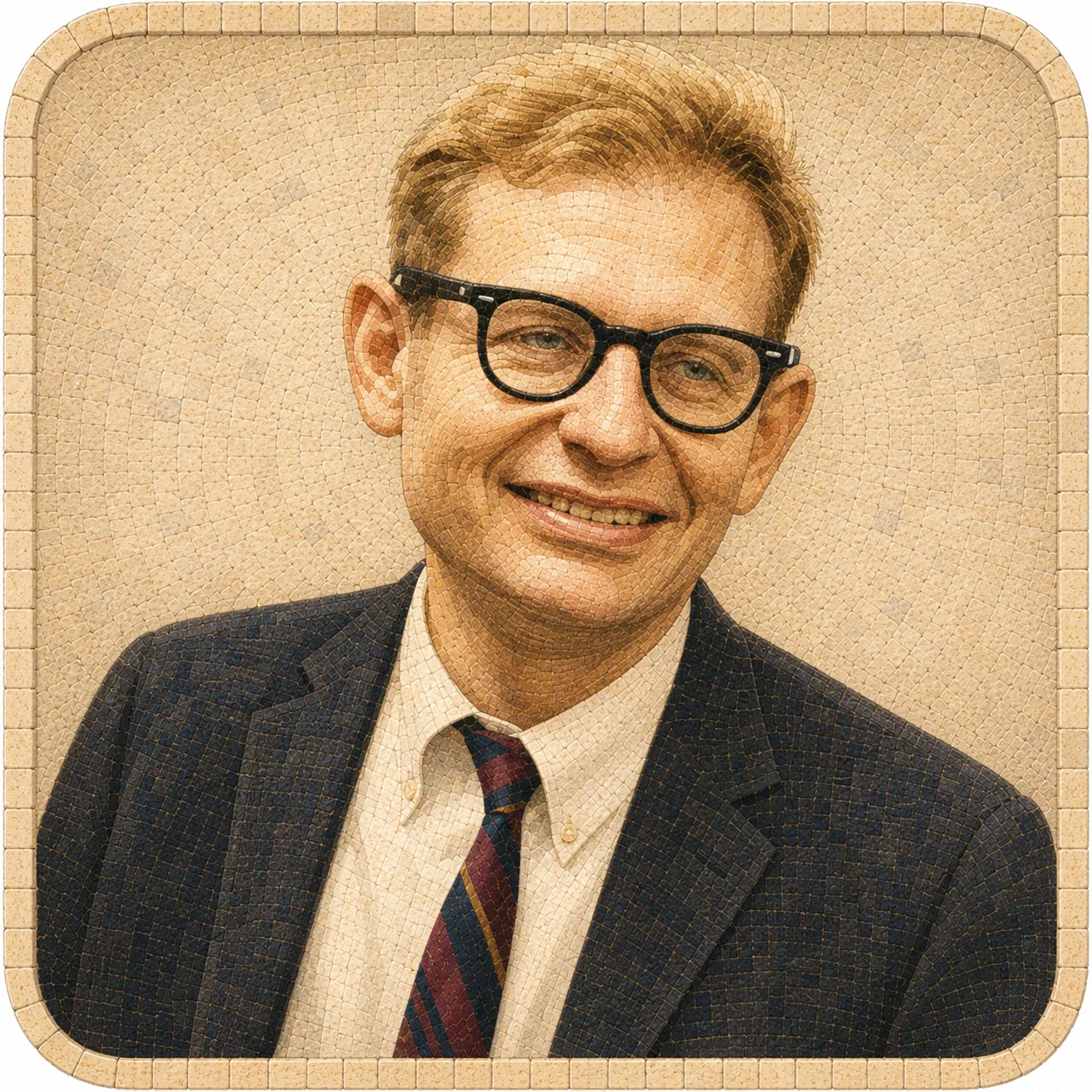
Developmental Psychology
Lawrence Kohlberg
1927 – 1987
Morality grows in the reasons behind our choices.
Open profile 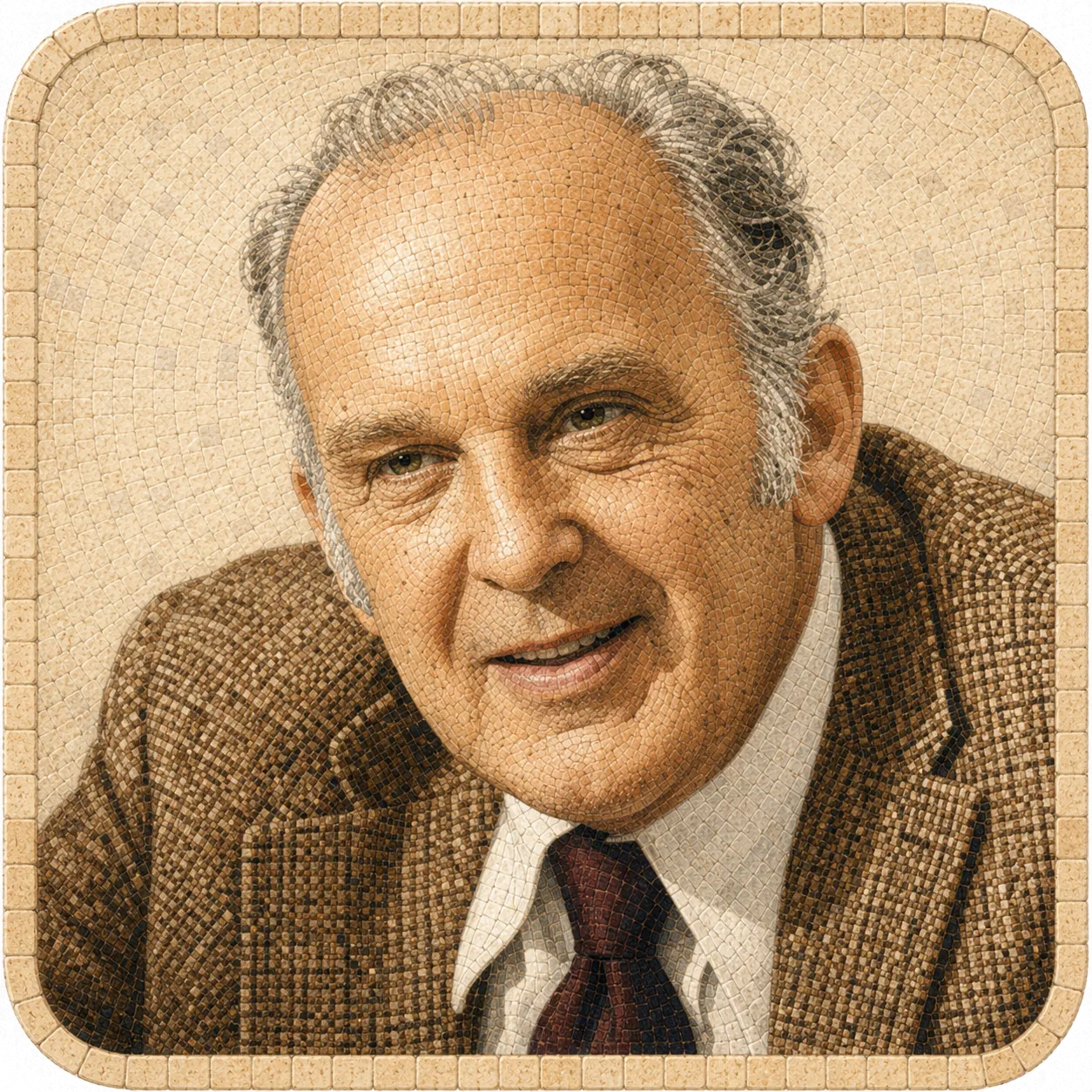
Research Methodology
Donald T. Campbell
1916 – 1996
Better knowledge needs better designs and honest doubt.
Open profile 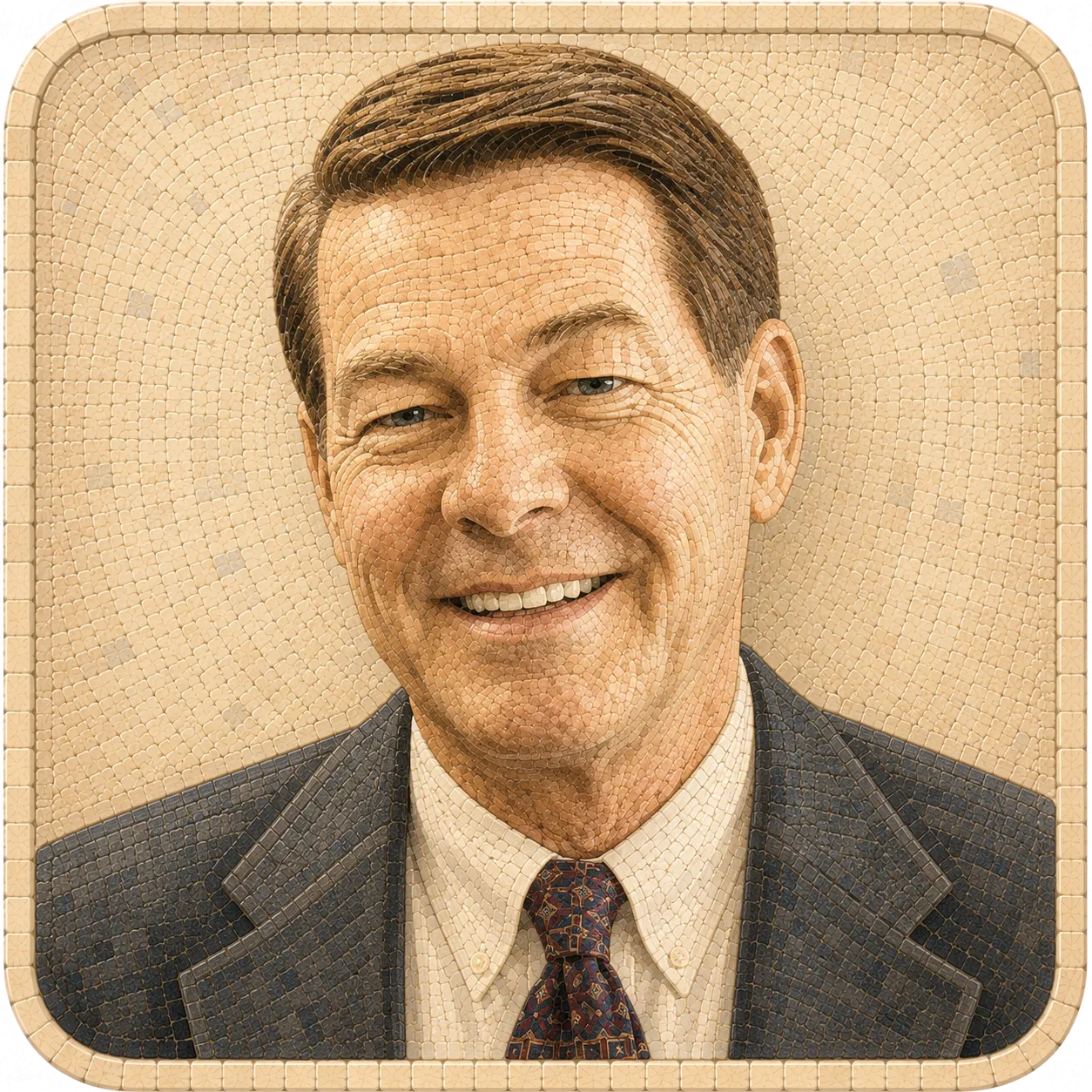
Psycholinguistics
Roger Brown
1925 – 1997
A child’s language reveals how thought is built.
Open profile 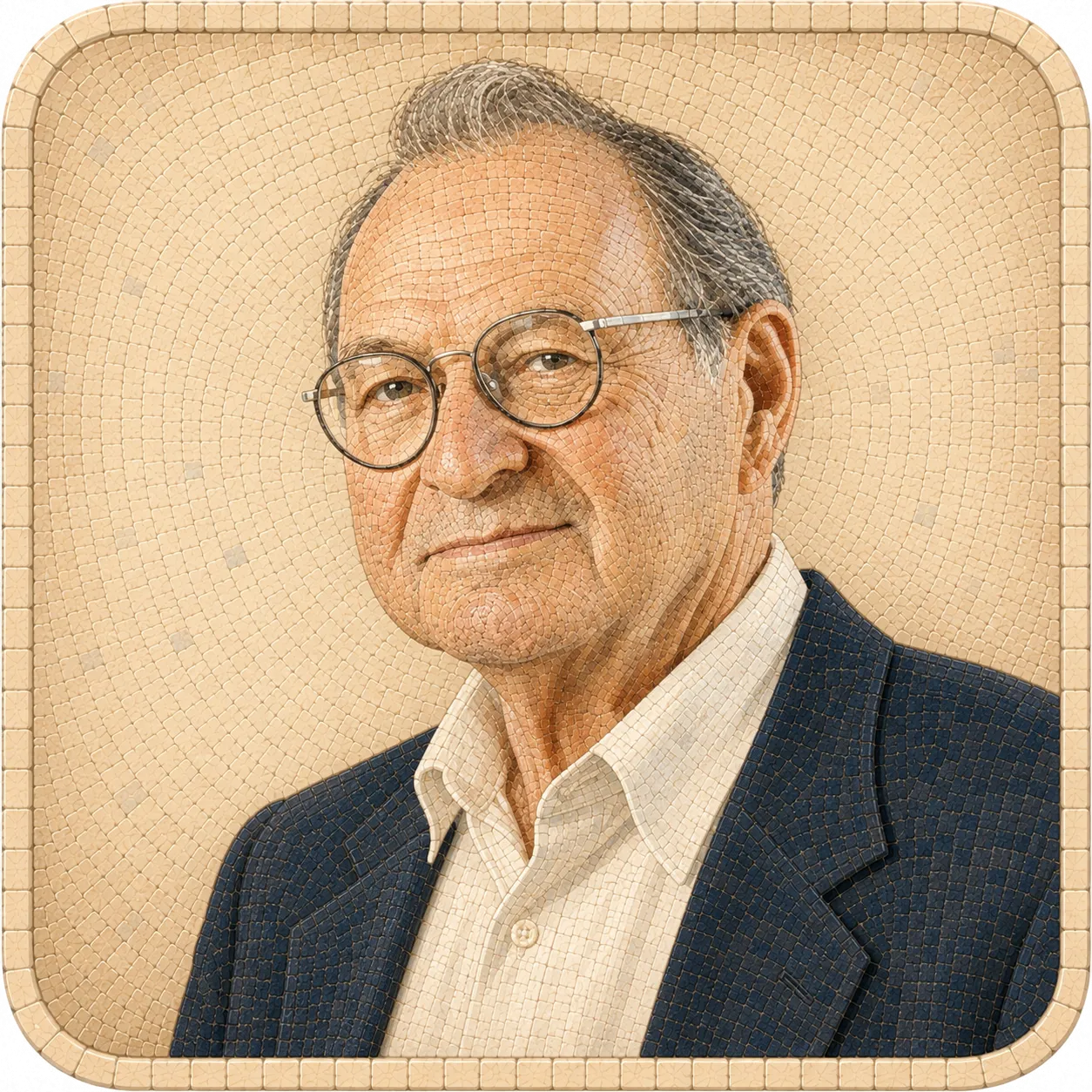
Social Psychology
R.B. Zajonc
1923 – 2008
Feeling can come before thought.
Open profile 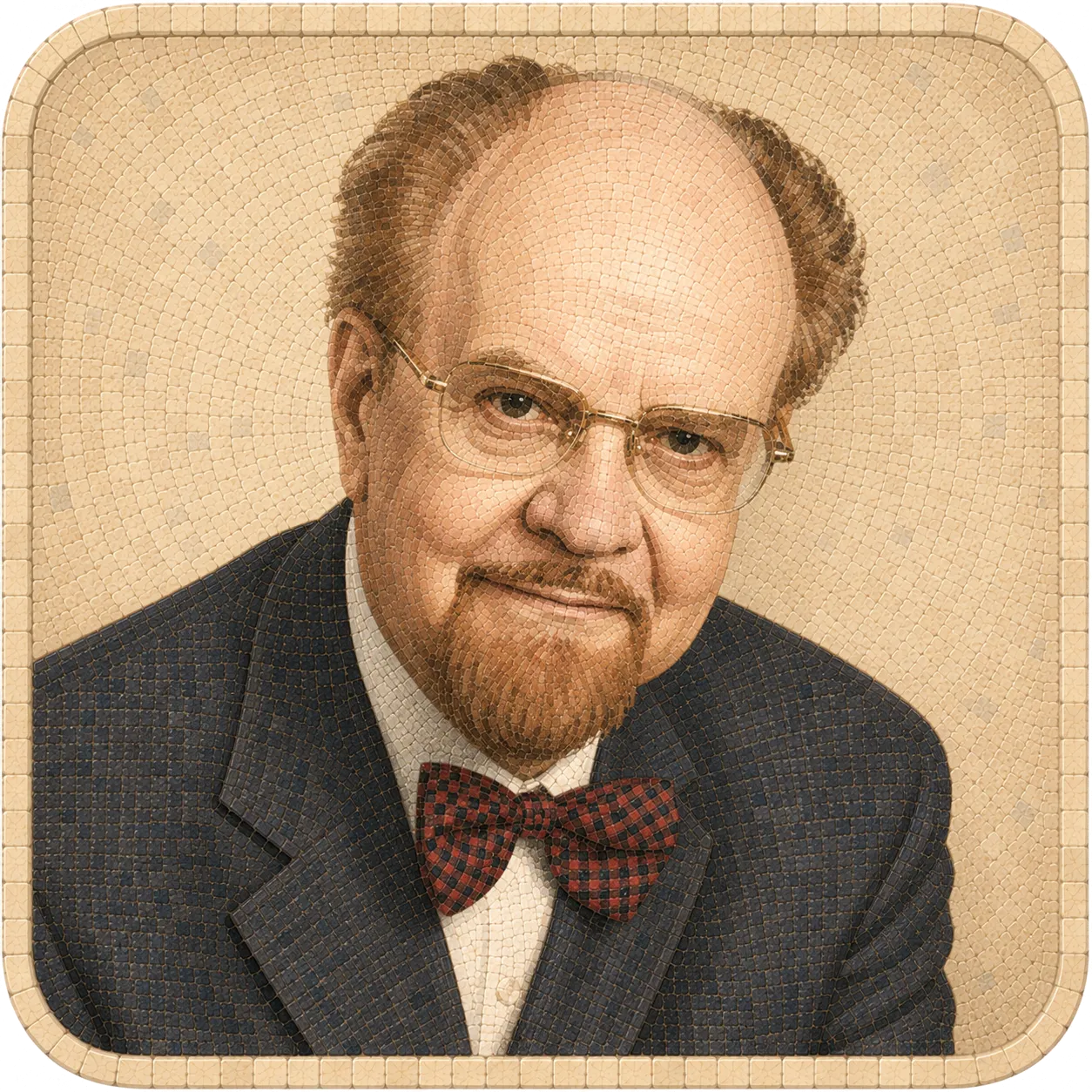
Cognitive Psychology
Endel Tulving
1927 – 2023
Remembering an event and knowing a fact are not the same.
Open profile 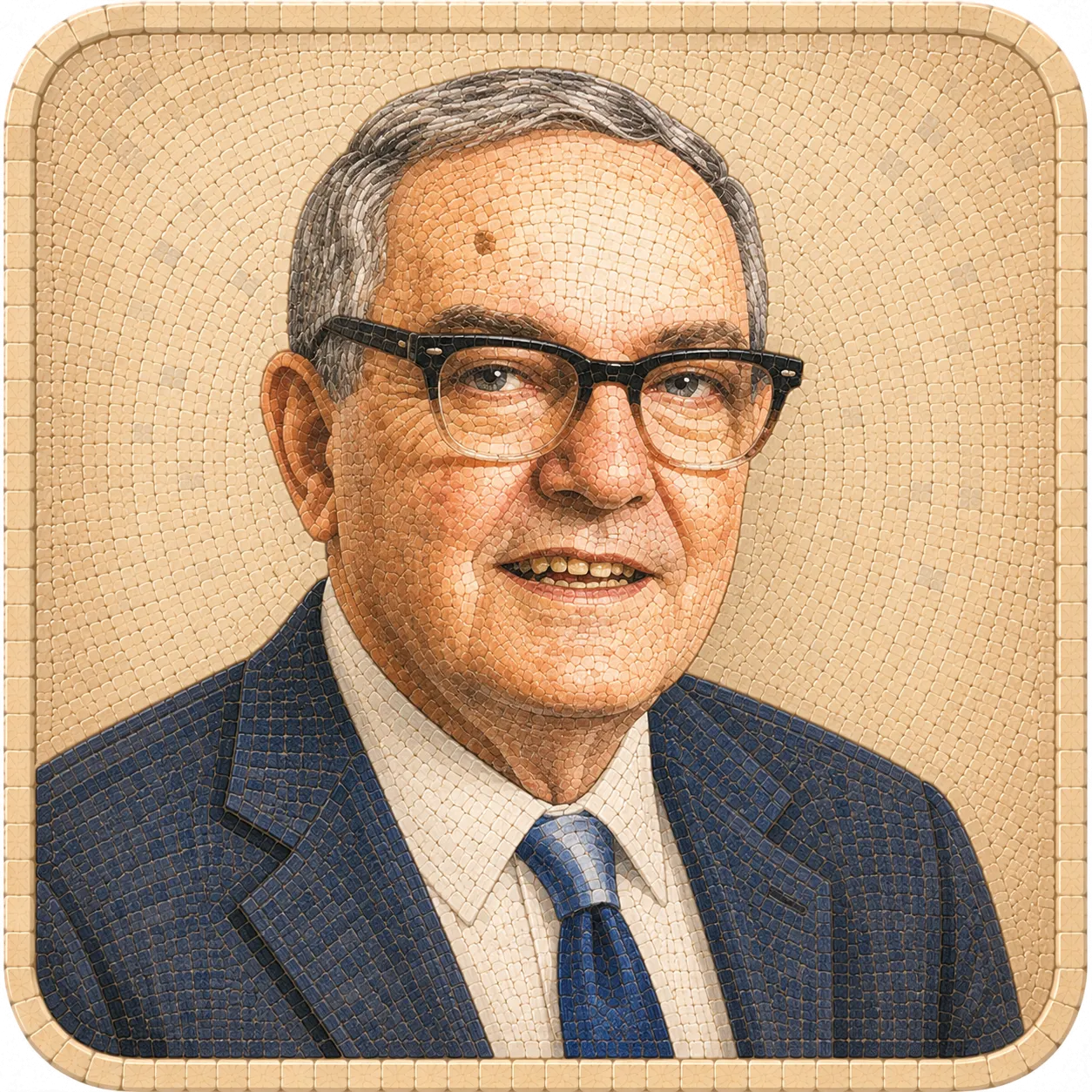
Decision Science
Herbert A. Simon
1916 – 2001
We satisfice under limits rather than optimize.
Open profile 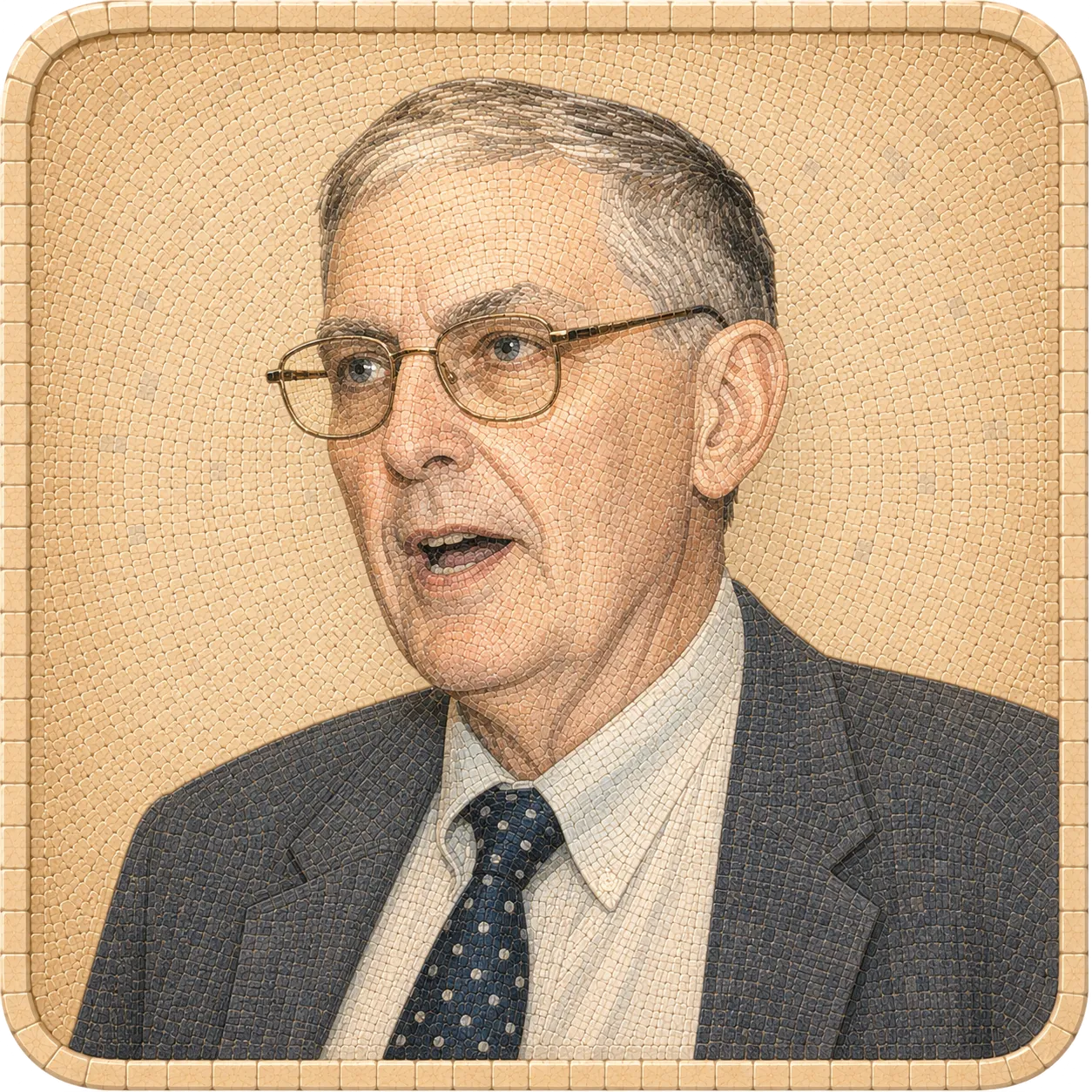
Social Psychology
Edward E. Jones
1926 – 1993
We leap too fast from acts to character.
Open profile 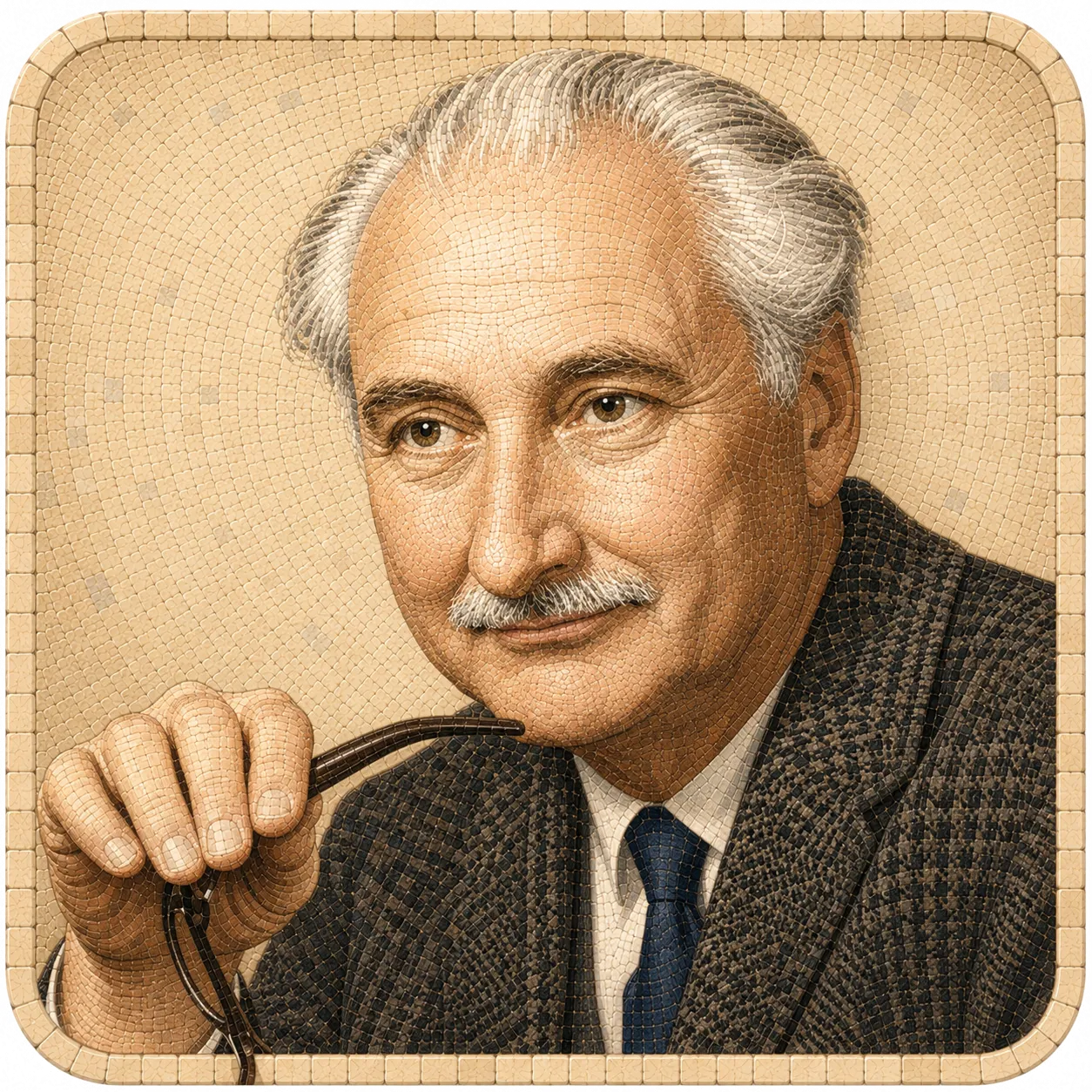
Psycholinguistics
Charles E. Osgood
1916 – 1991
Meaning can be measured, not just defined.
Open profile 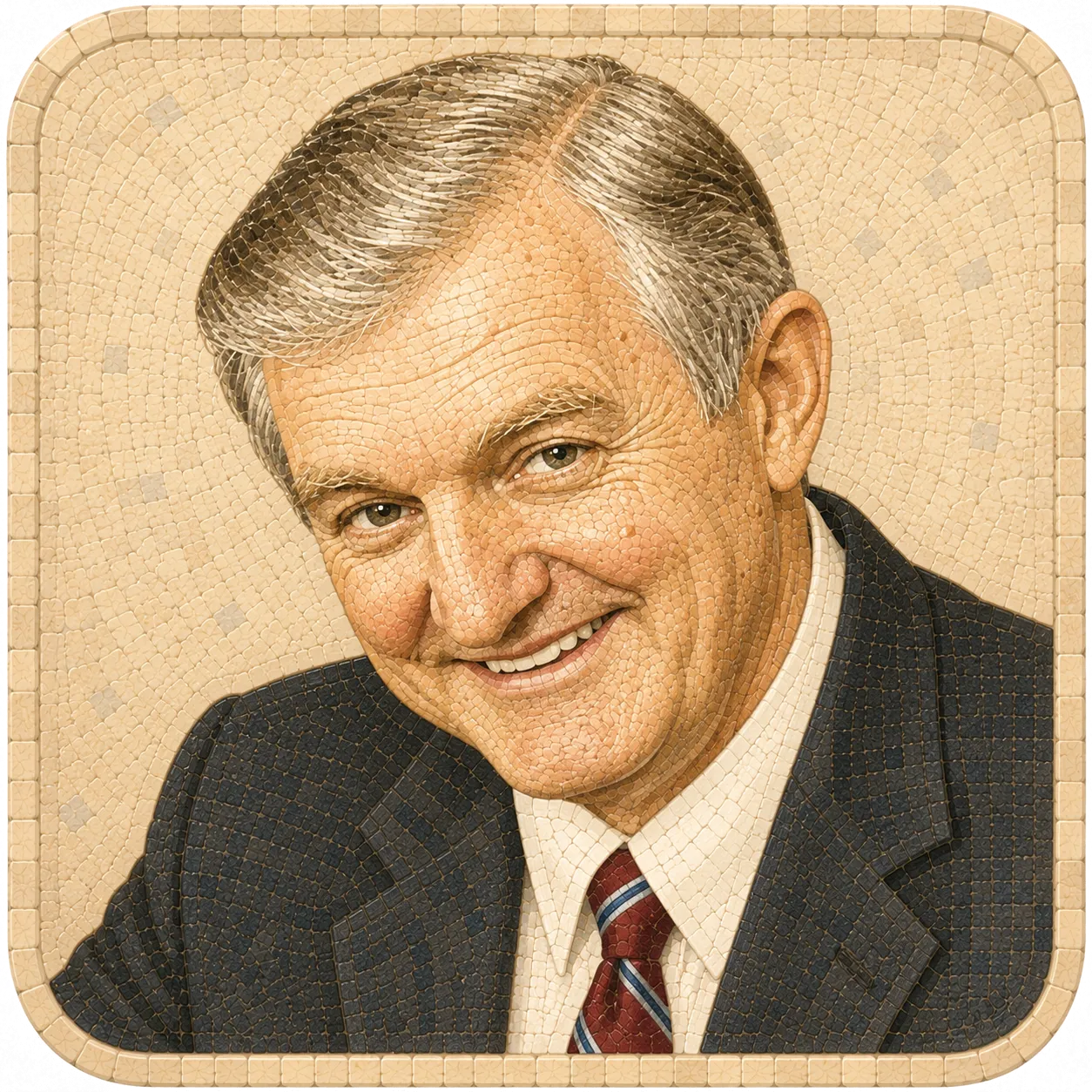
Cognitive Psychology
Gordon H. Bower
1932 – 2020
Mood quietly steers what the mind retrieves.
Open profile 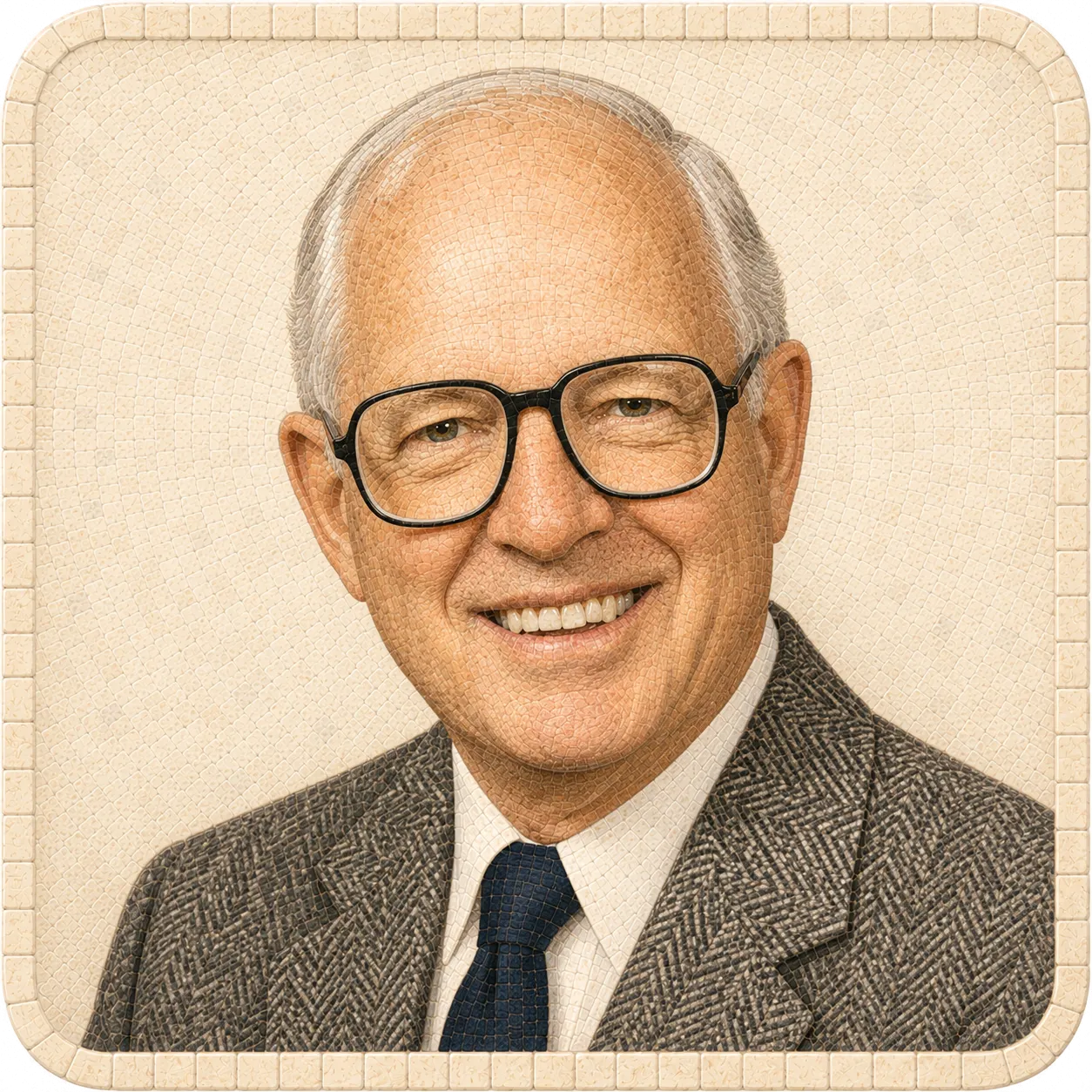
Social Psychology
Harold H. Kelley
1921 – 2003
Good judgment compares across people, times and settings.
Open profile 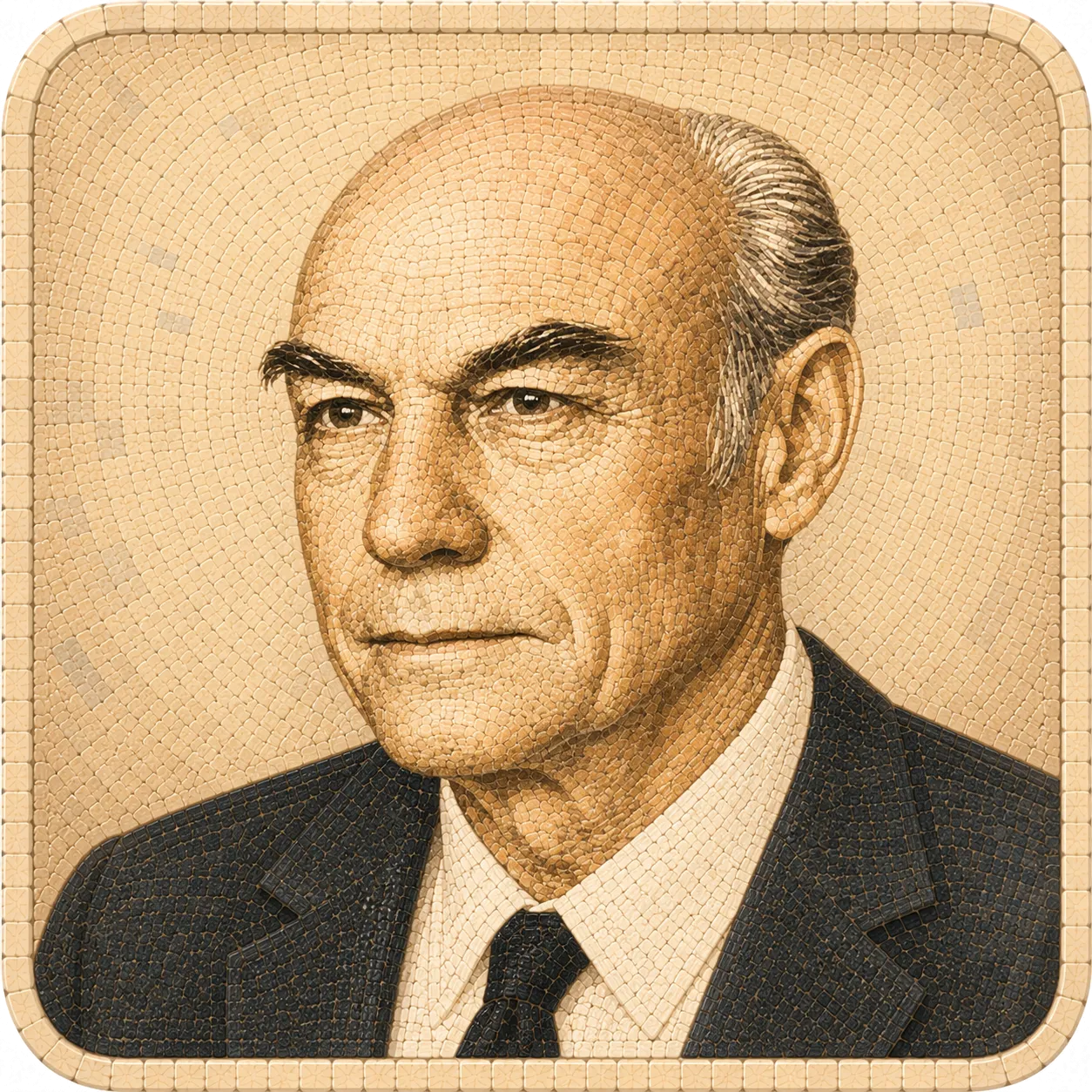
Neuropsychology
Roger W. Sperry
1913 – 1994
The divided brain revealed the organized mind.
Open profile 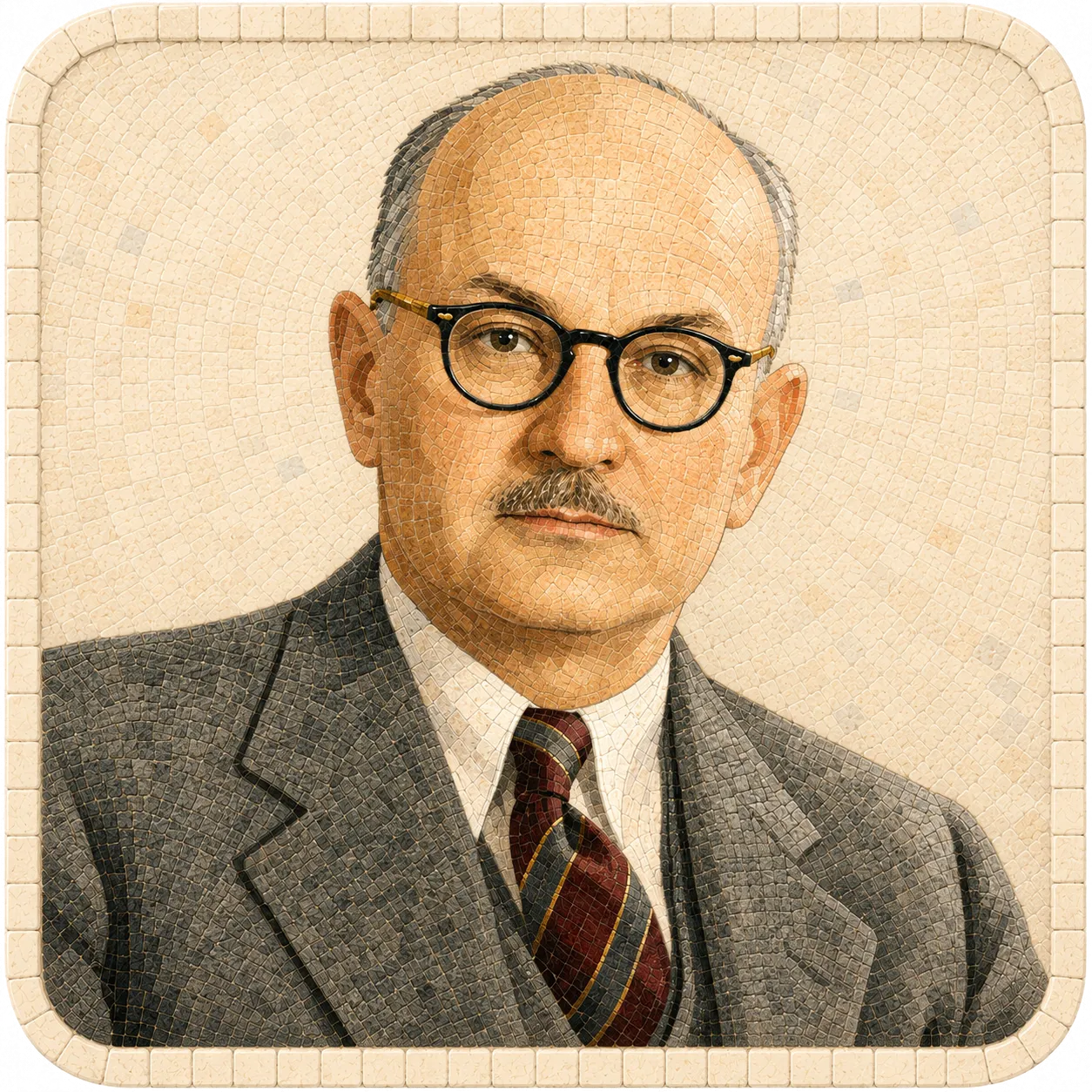
Behaviorism
Edward C. Tolman
1886 – 1959
We learn maps, not just responses.
Open profile 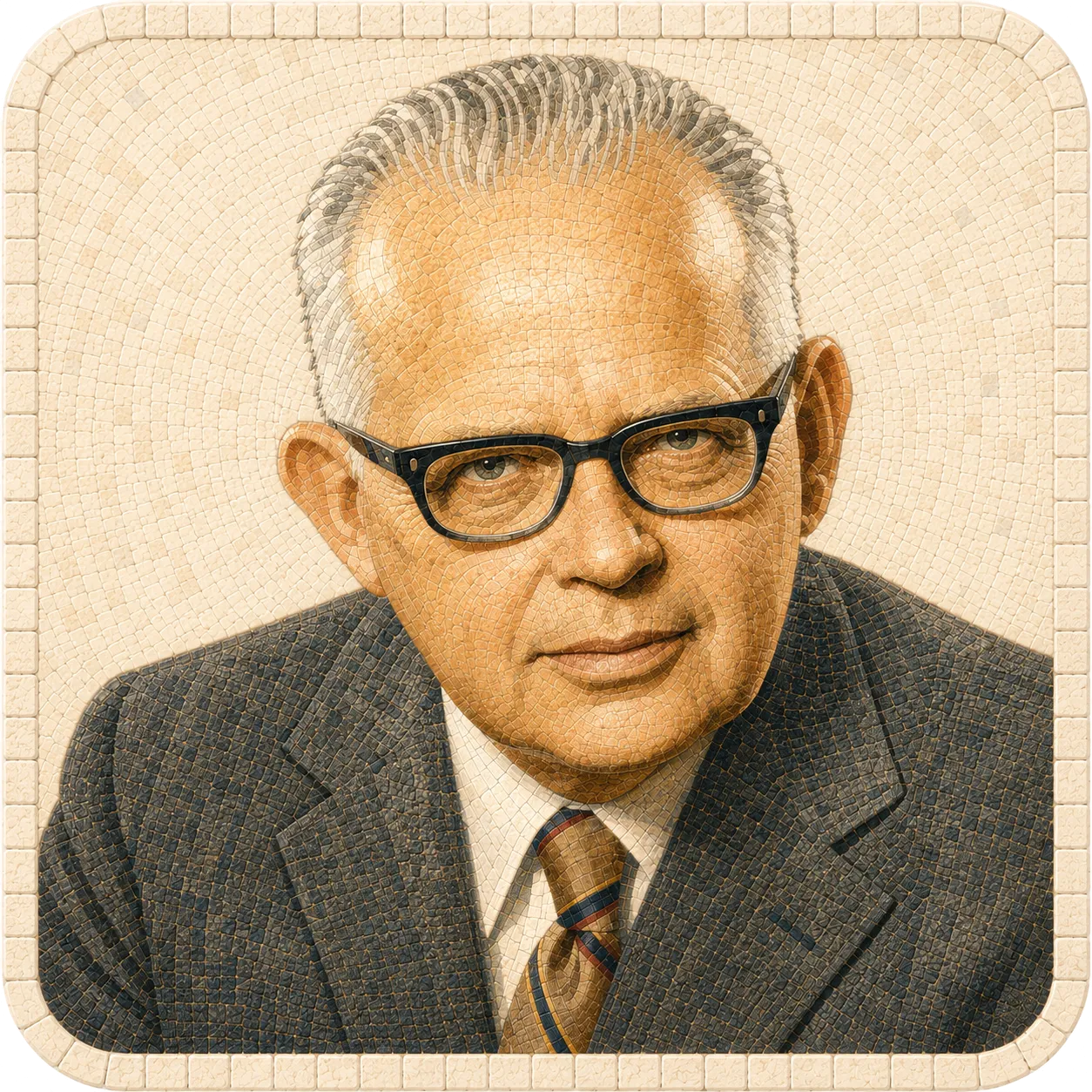
Psychometrics
Lee J. Cronbach
1916 – 2001
A score is only as good as the decision it justifies.
Open profile 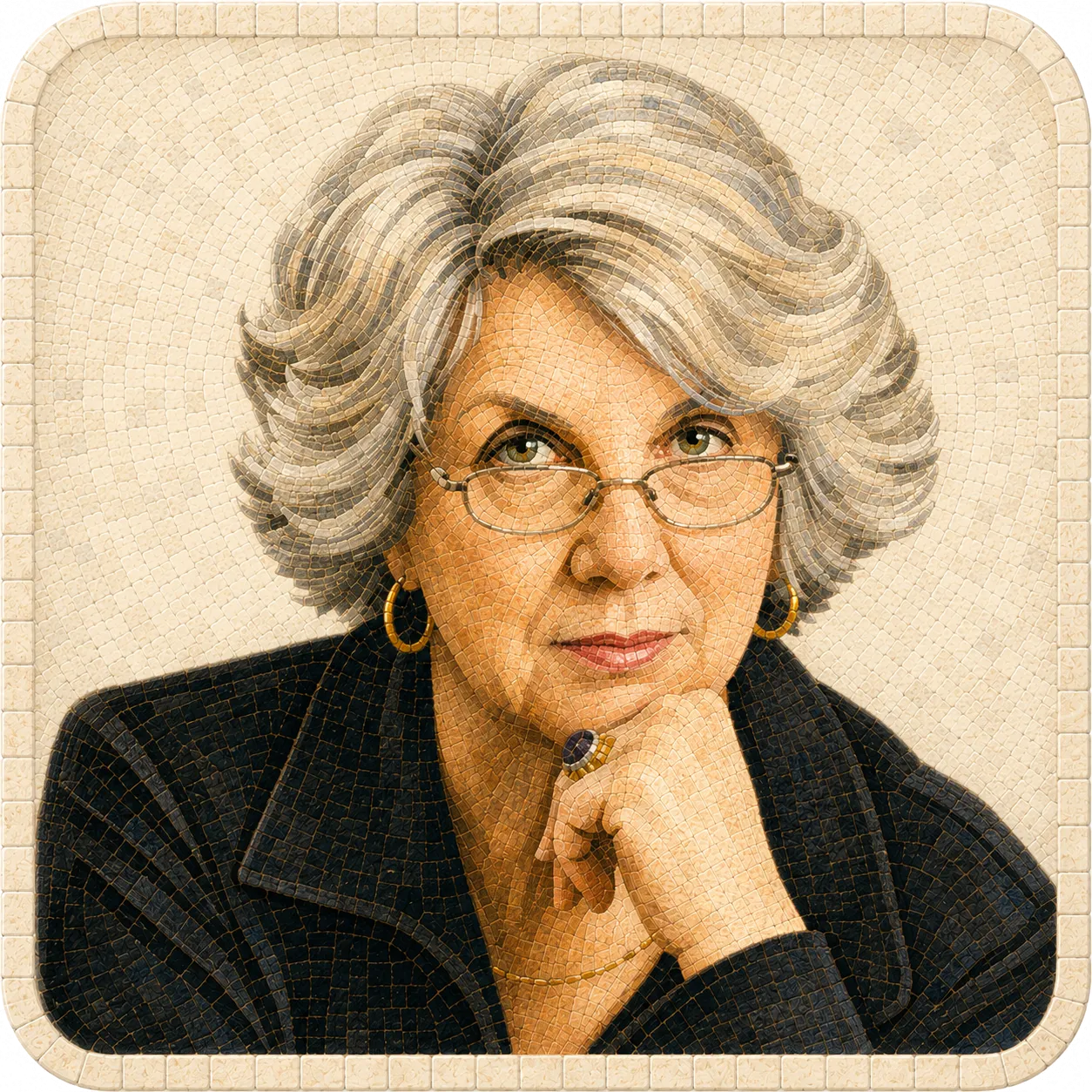
Dialectical Behavior Therapy
Marsha Linehan
1943 – present
She built the therapy that pulls people back from the edge.
Open profile 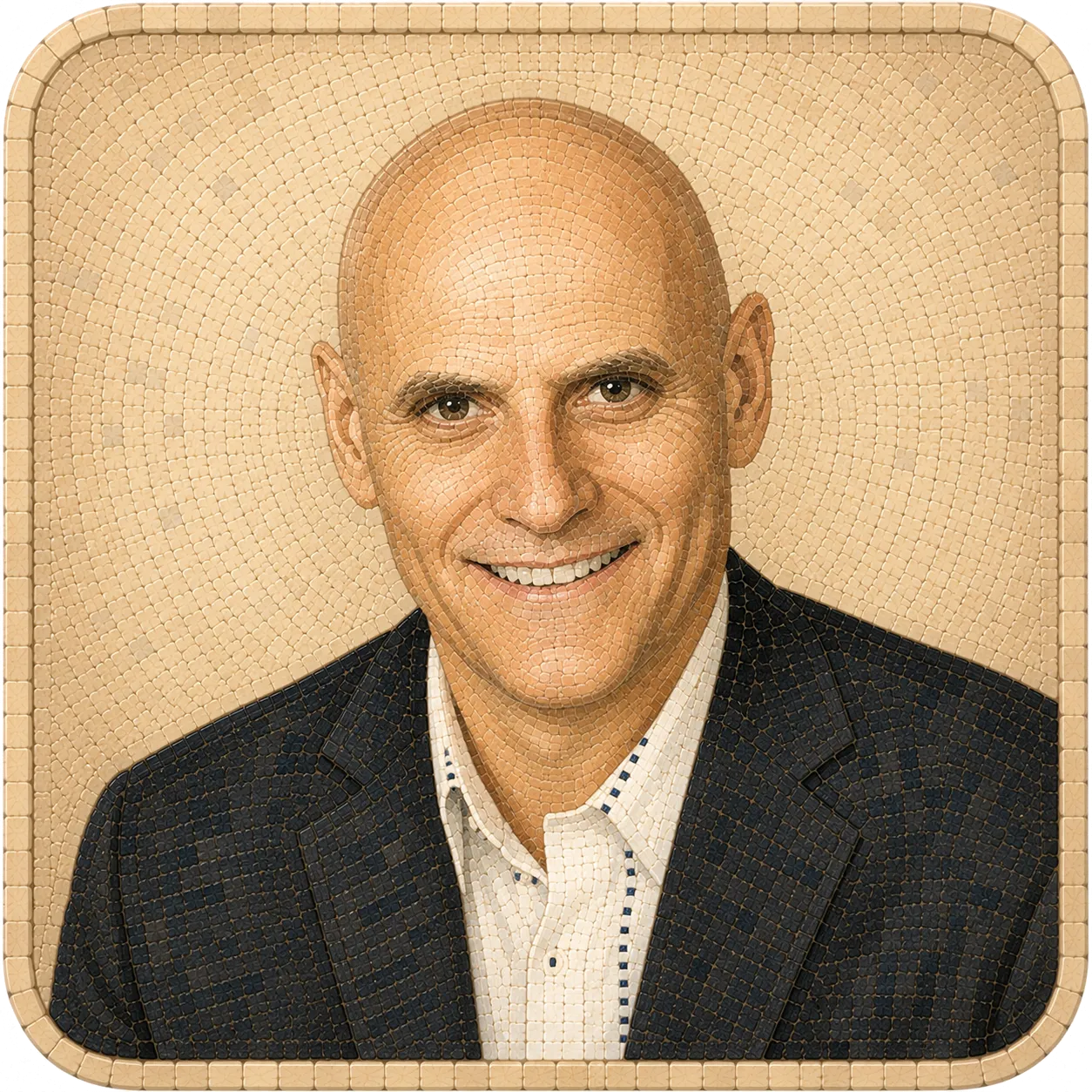
Acceptance & Commitment Therapy
Steven C. Hayes
1948 – present
He reframed suffering as the doorway to a valued life.
Open profile 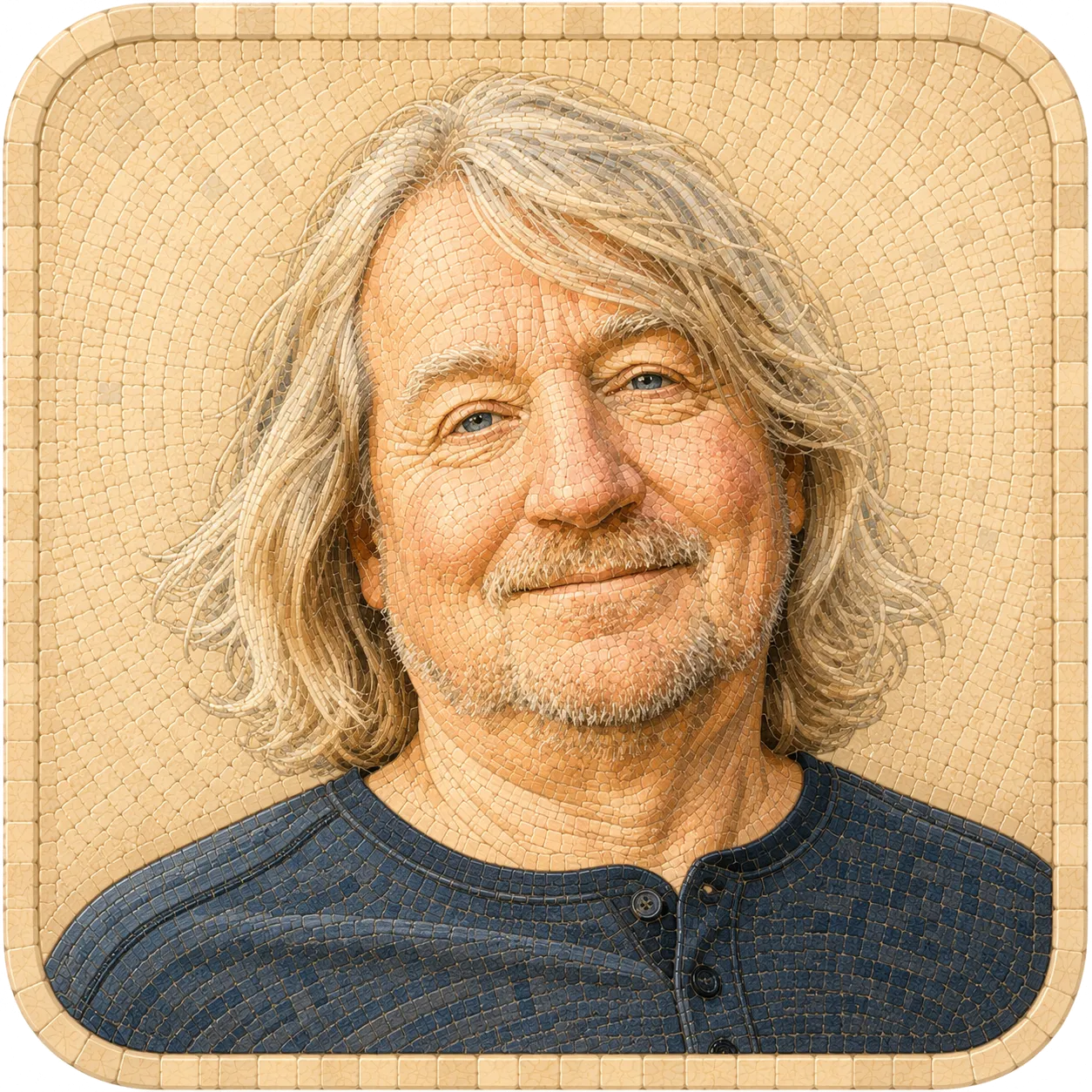
Acceptance & Commitment Therapy
Kirk Strosahl
20th century – present
He brought ACT into the doctor’s office.
Open profile 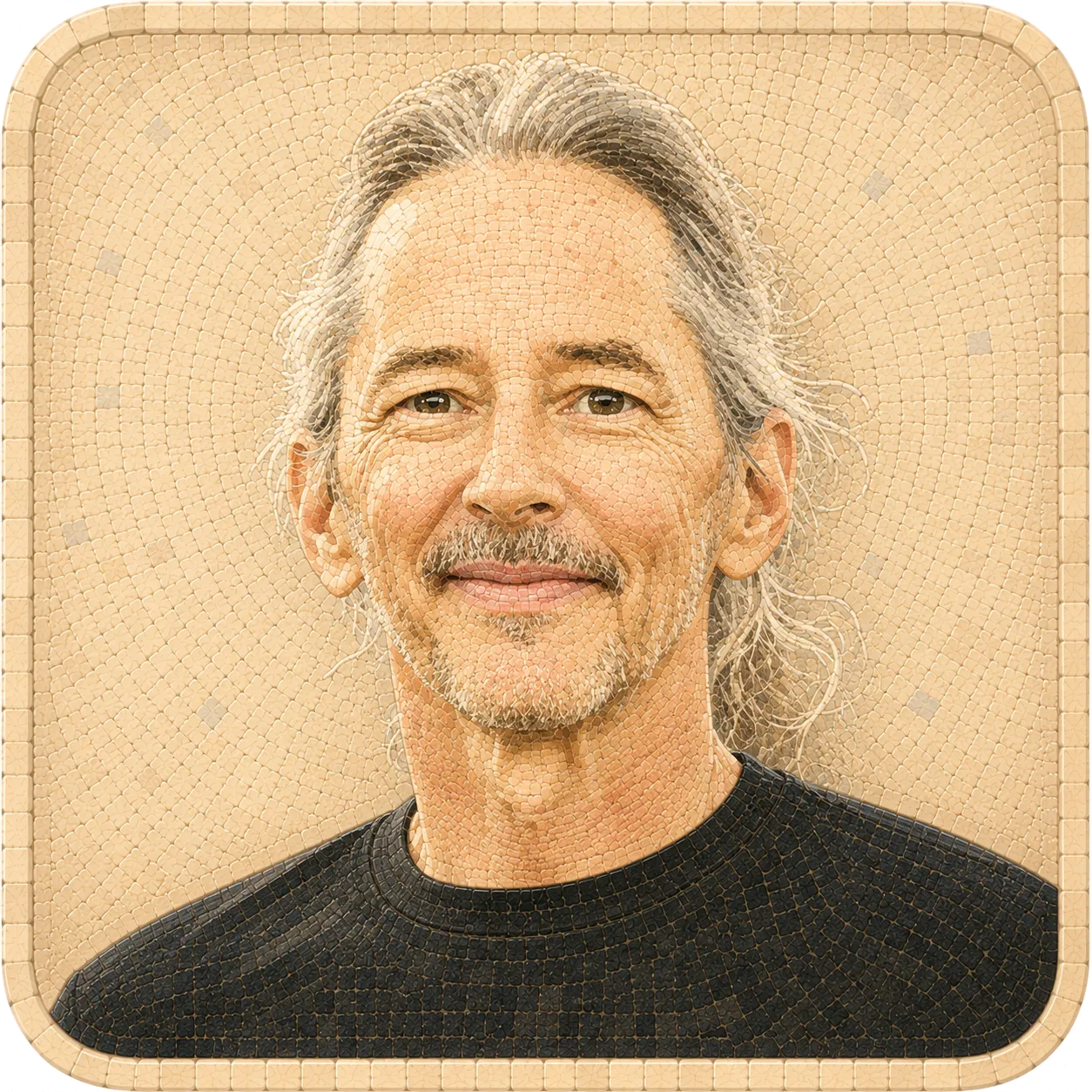
Acceptance & Commitment Therapy
Kelly Wilson
20th century – present
He put values at the heart of therapy.
Open profile 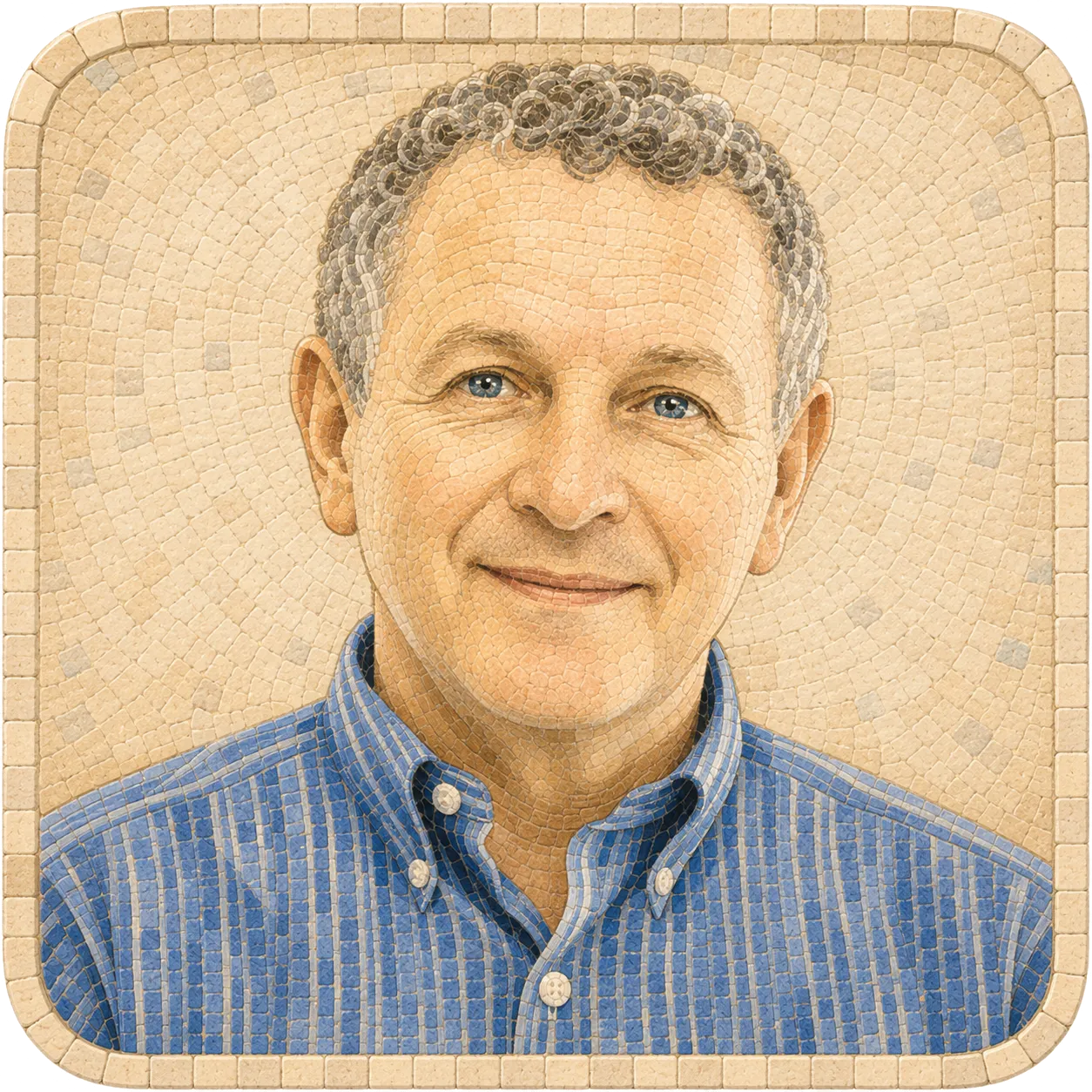
Mindfulness-Based Cognitive Therapy
Zindel Segal
1956 – present
Brought mindfulness into cognitive therapy to stop relapse.
Open profile 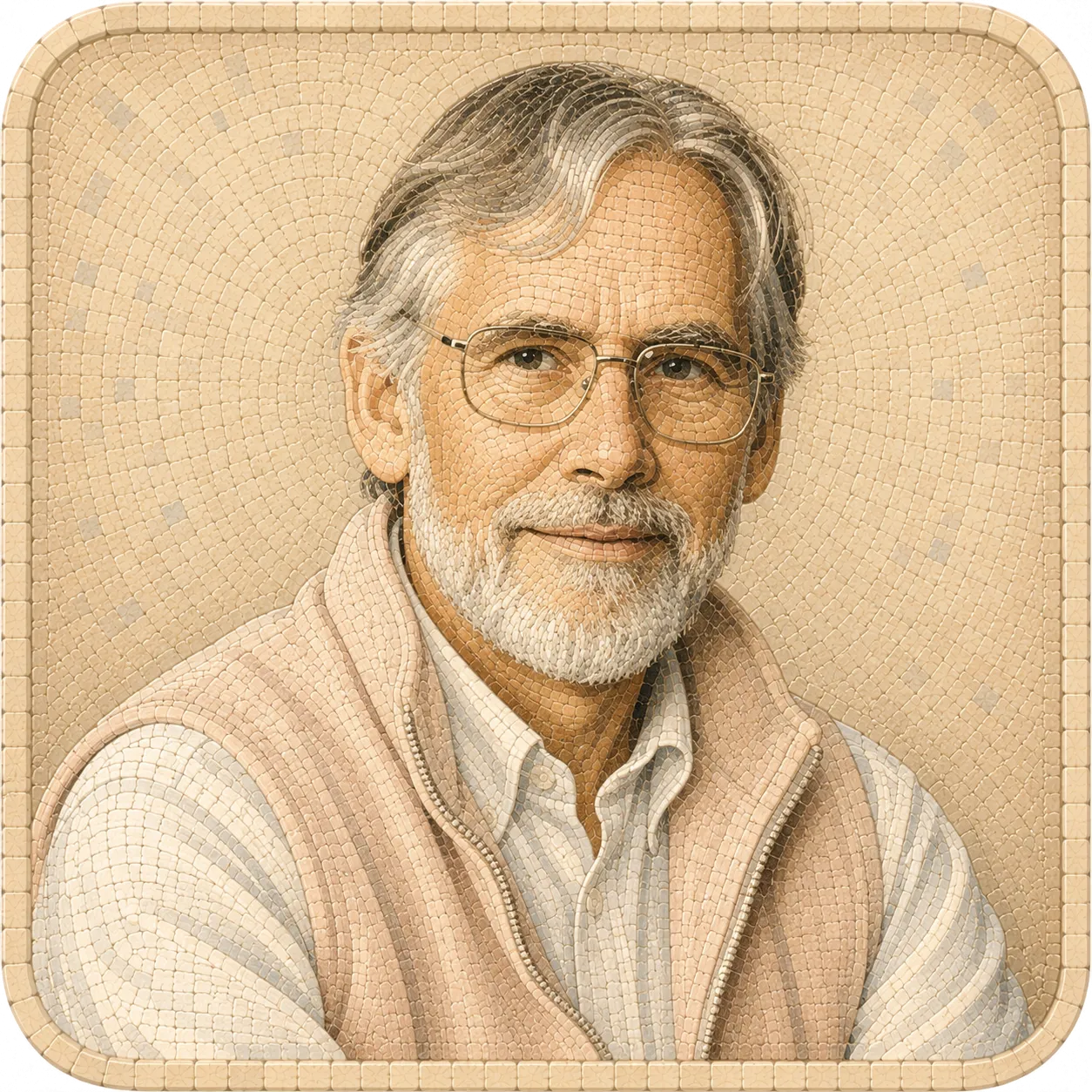
Mindfulness-Based Cognitive Therapy
Mark Williams
1952 – present
Oxford psychologist who turned mindfulness toward depression.
Open profile 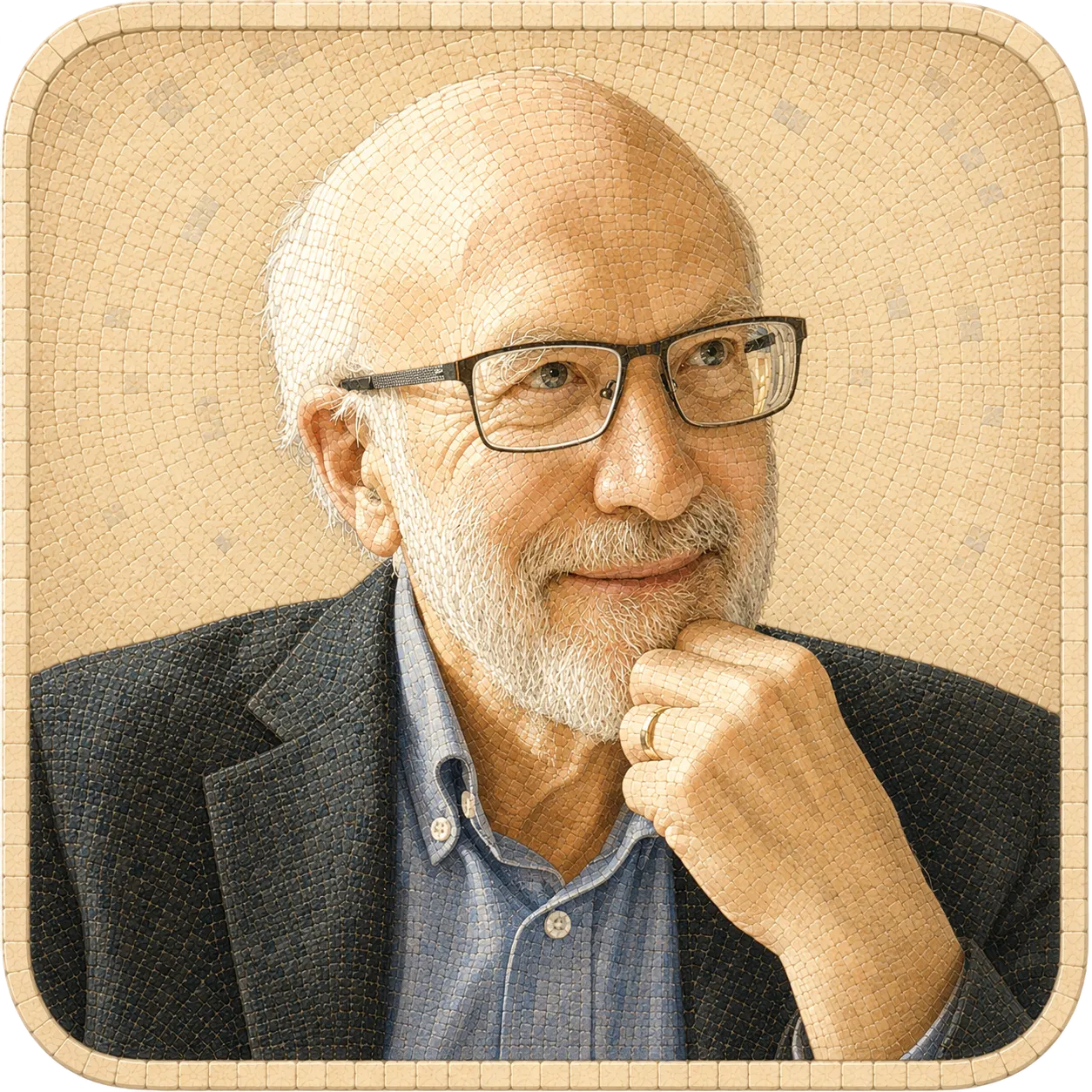
Mindfulness-Based Cognitive Therapy
John Teasdale
1944 – present
Explained how mindfulness blocks depression relapse.
Open profile 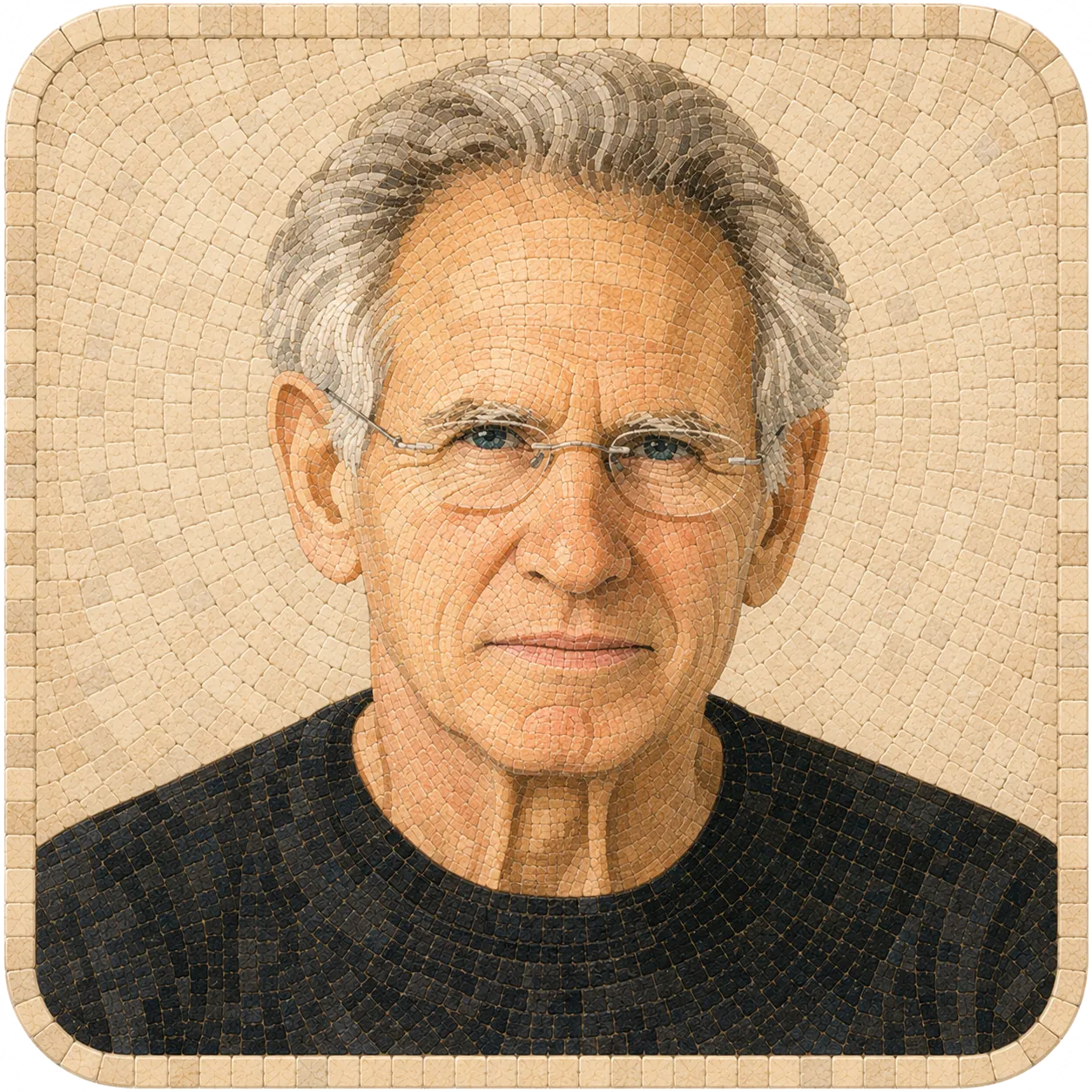
Mindfulness-Based Stress Reduction
Jon Kabat-Zinn
1944 – present
Secularized meditation into mainstream medicine.
Open profile 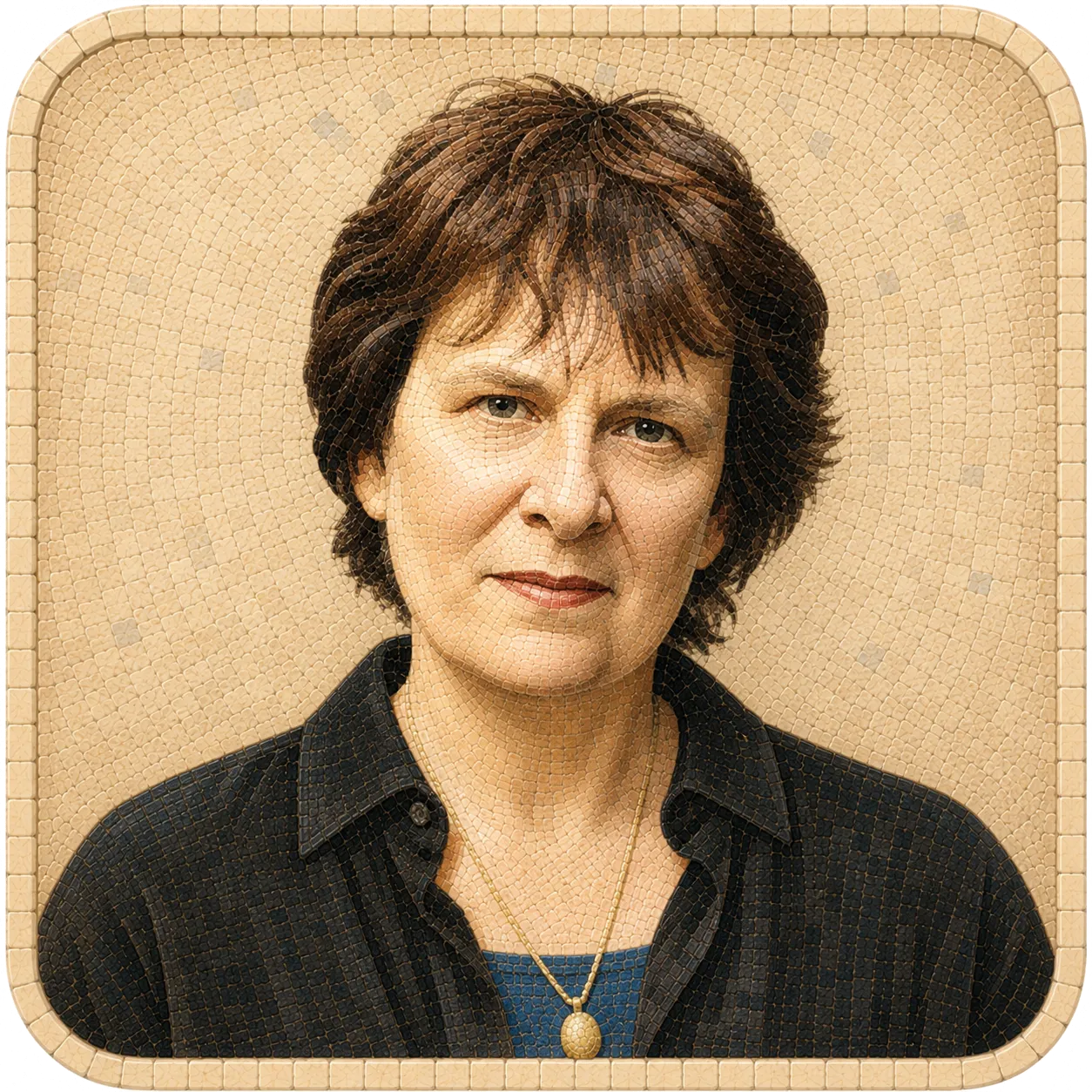
EMDR
Francine Shapiro
1948 – 2019
She turned bilateral eye movements into a trauma therapy.
Open profile 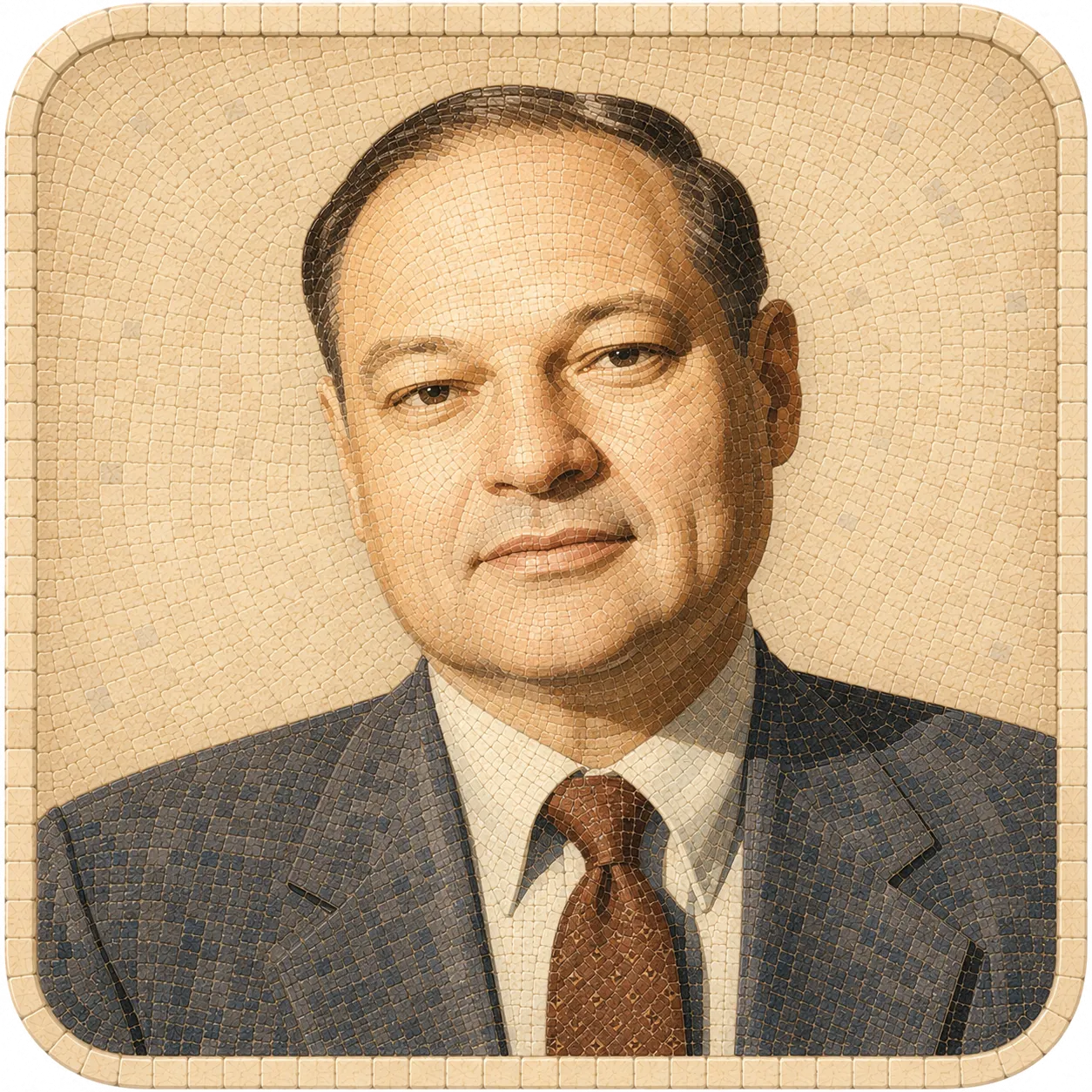
Interpersonal Psychotherapy
Gerald Klerman
1928 – 1992
He tied depression to relationships, then proved treatment works.
Open profile 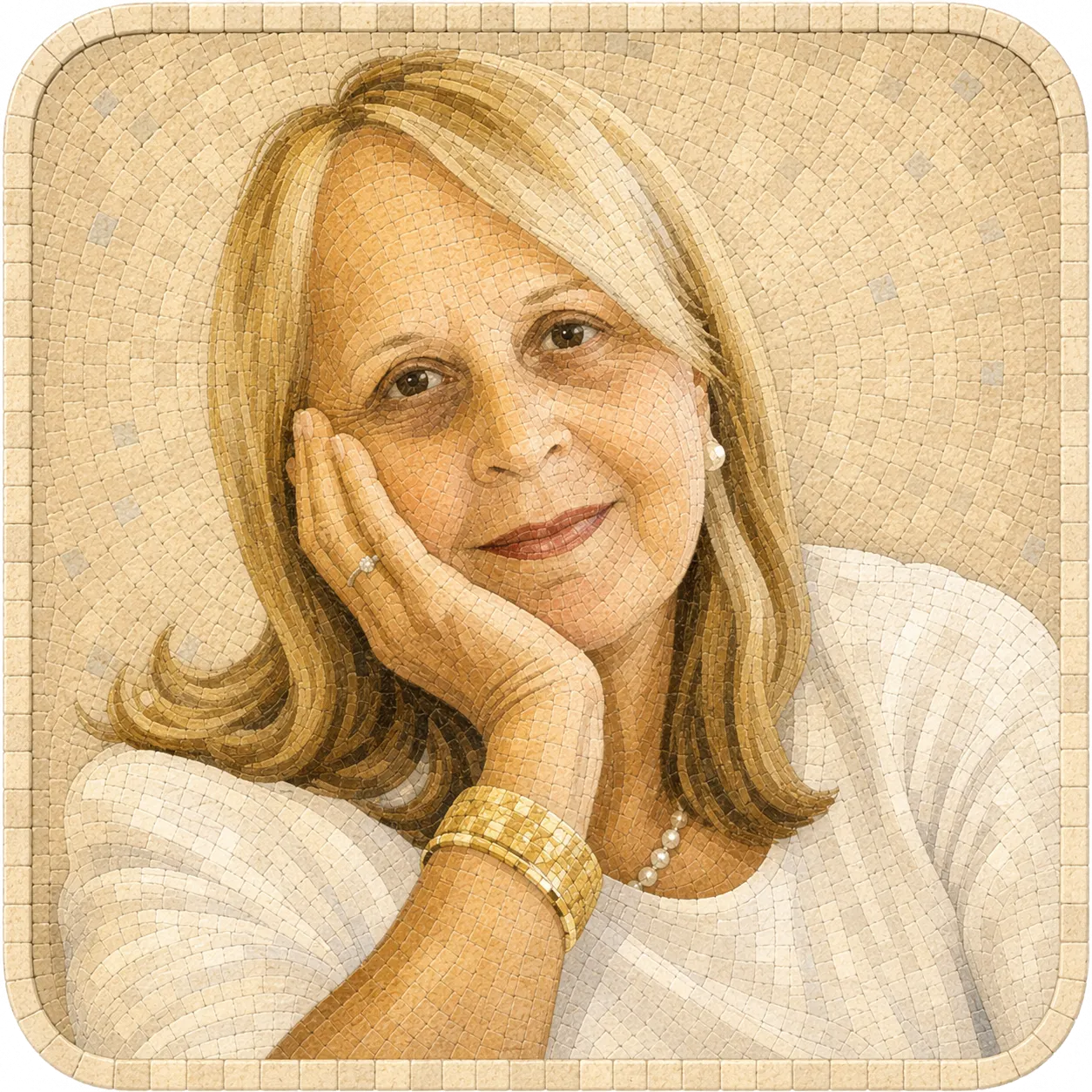
Interpersonal Psychotherapy
Myrna Weissman
1935 – present
She made talk therapy something you could measure.
Open profile 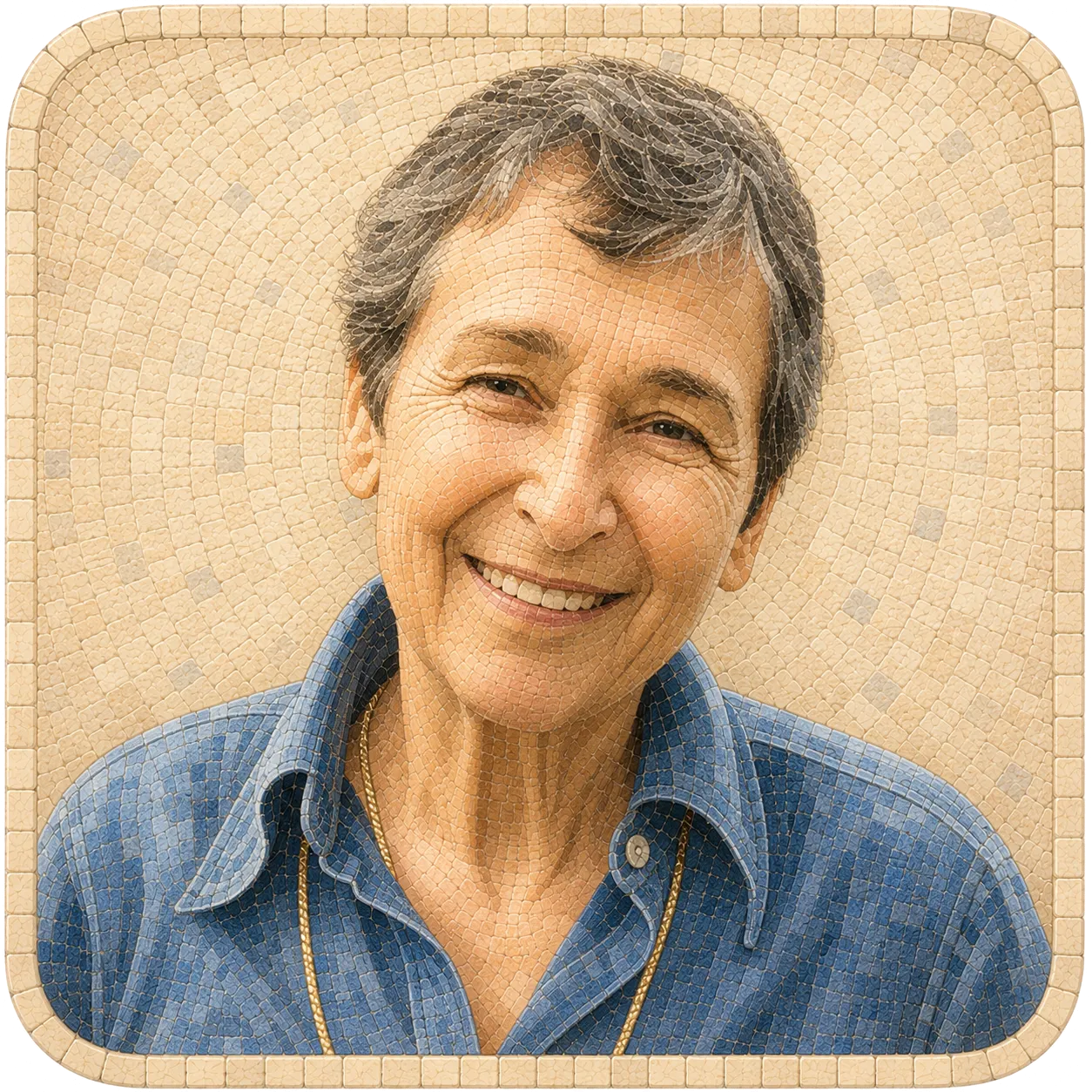
Gestalt Therapy
Laura Perls
1905 – 1990
Co-founded Gestalt therapy and kept it alive in New York.
Open profile 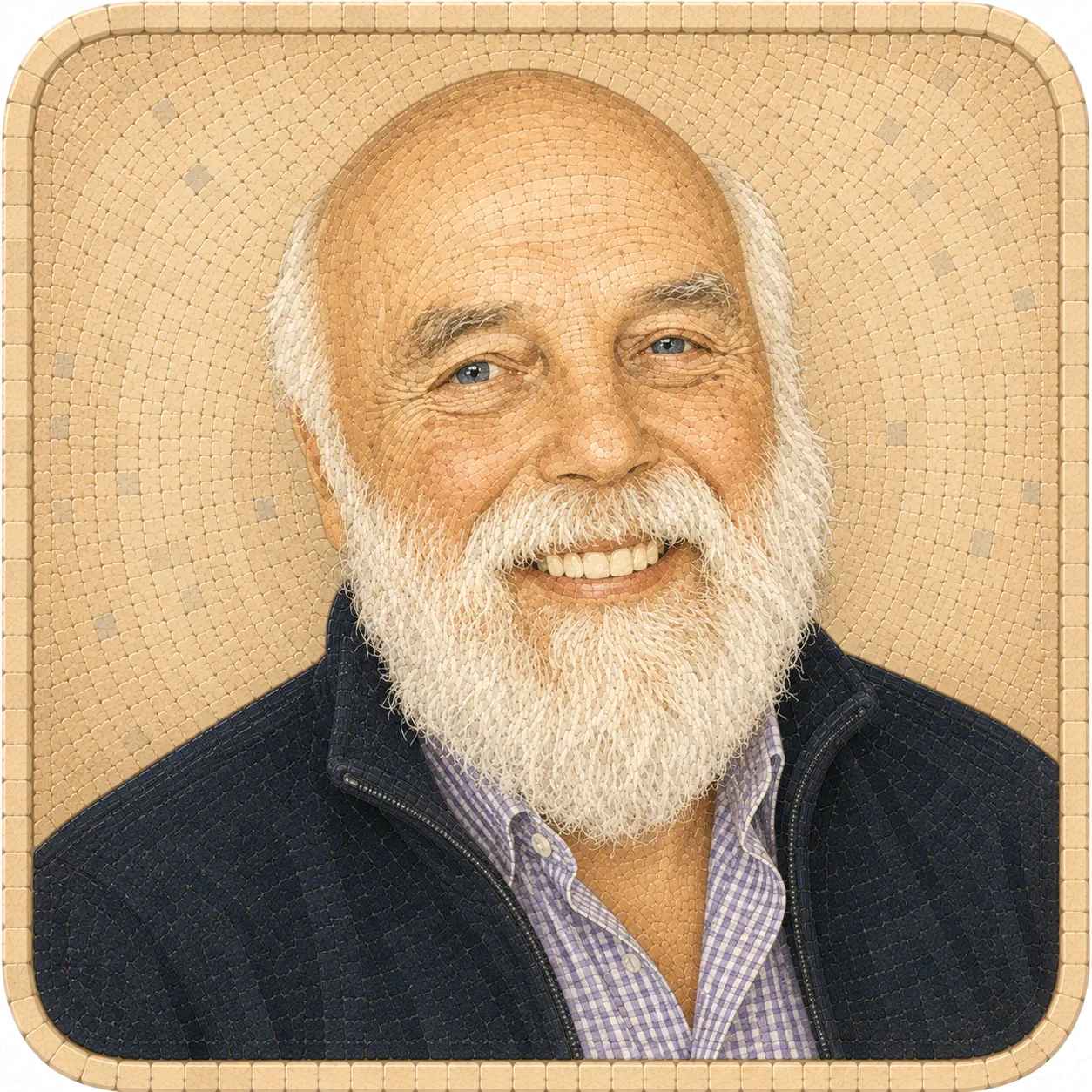
Emotion-Focused Therapy
Leslie Greenberg
1945 – present
Lead developer of emotion-focused therapy.
Open profile Emotion-Focused Therapy
Laura Rice
1920 – 2004
Pioneered the study of how change happens in therapy.
Open profile 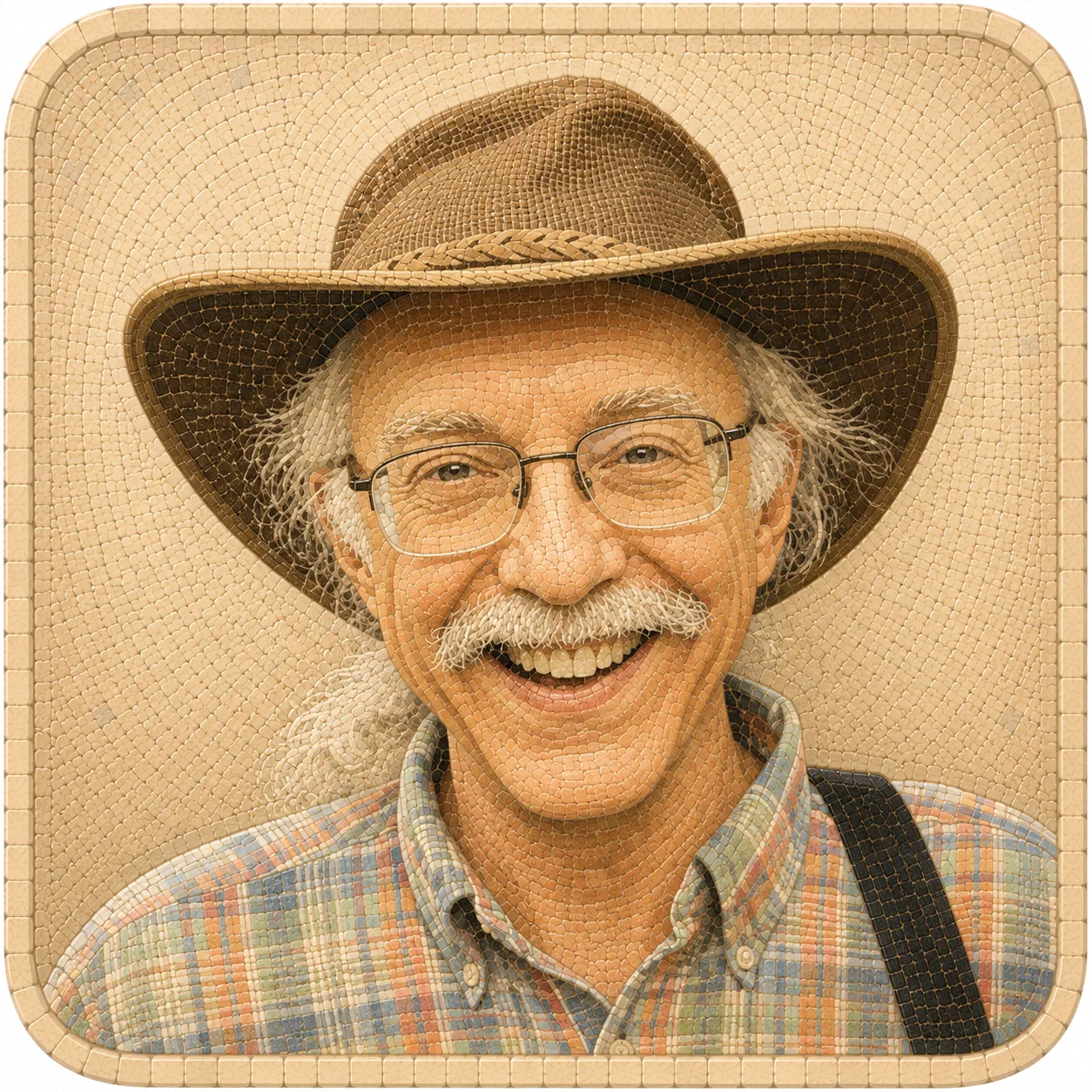
Emotion-Focused Therapy
Robert Elliott
20th century – present
Co-developed EFT and advanced psychotherapy research.
Open profile 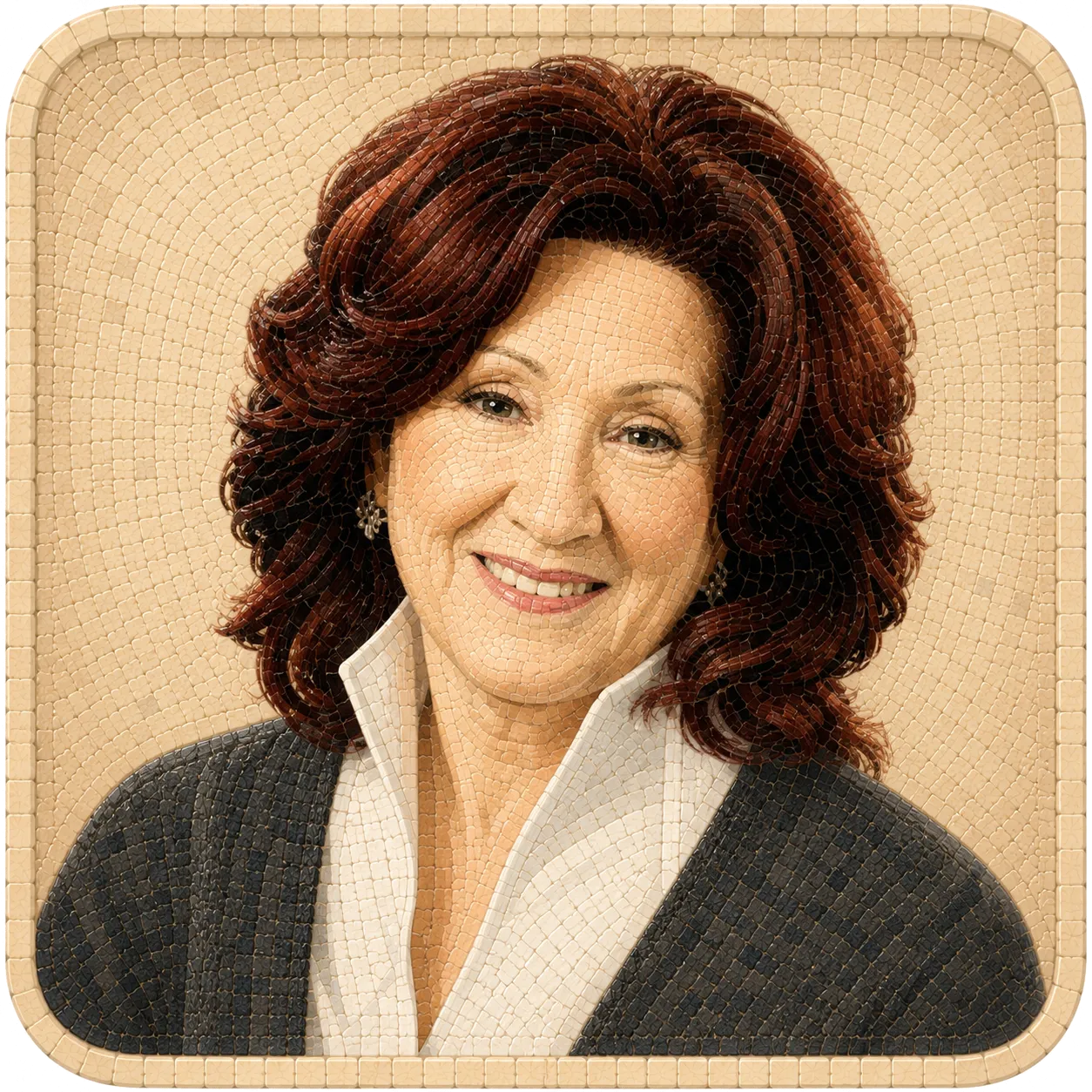
Emotionally Focused Therapy
Sue Johnson
1947 – 2024
Created emotionally focused therapy for couples.
Open profile 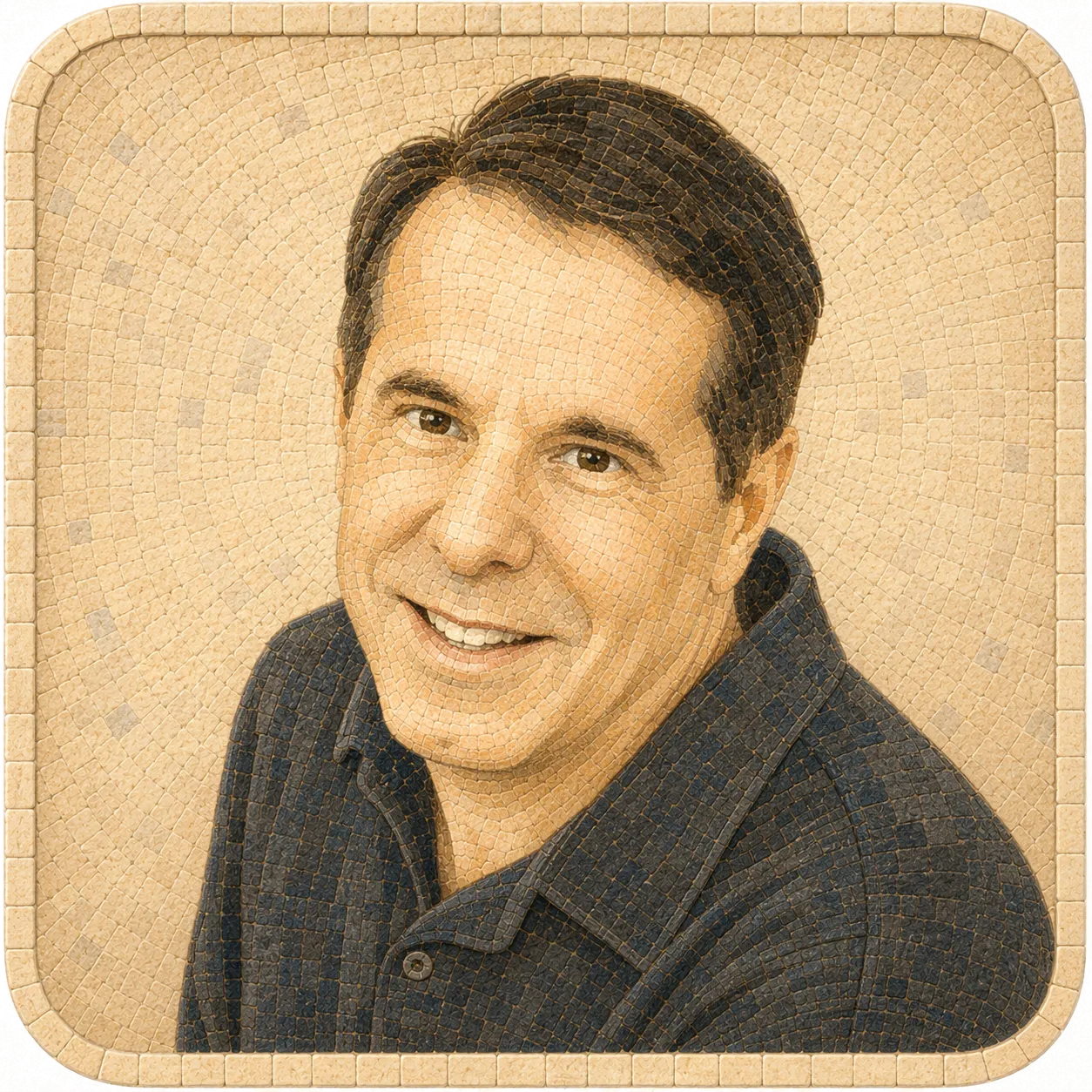
Schema Therapy
Jeffrey Young
1950 – present
Created schema therapy for entrenched life patterns.
Open profile 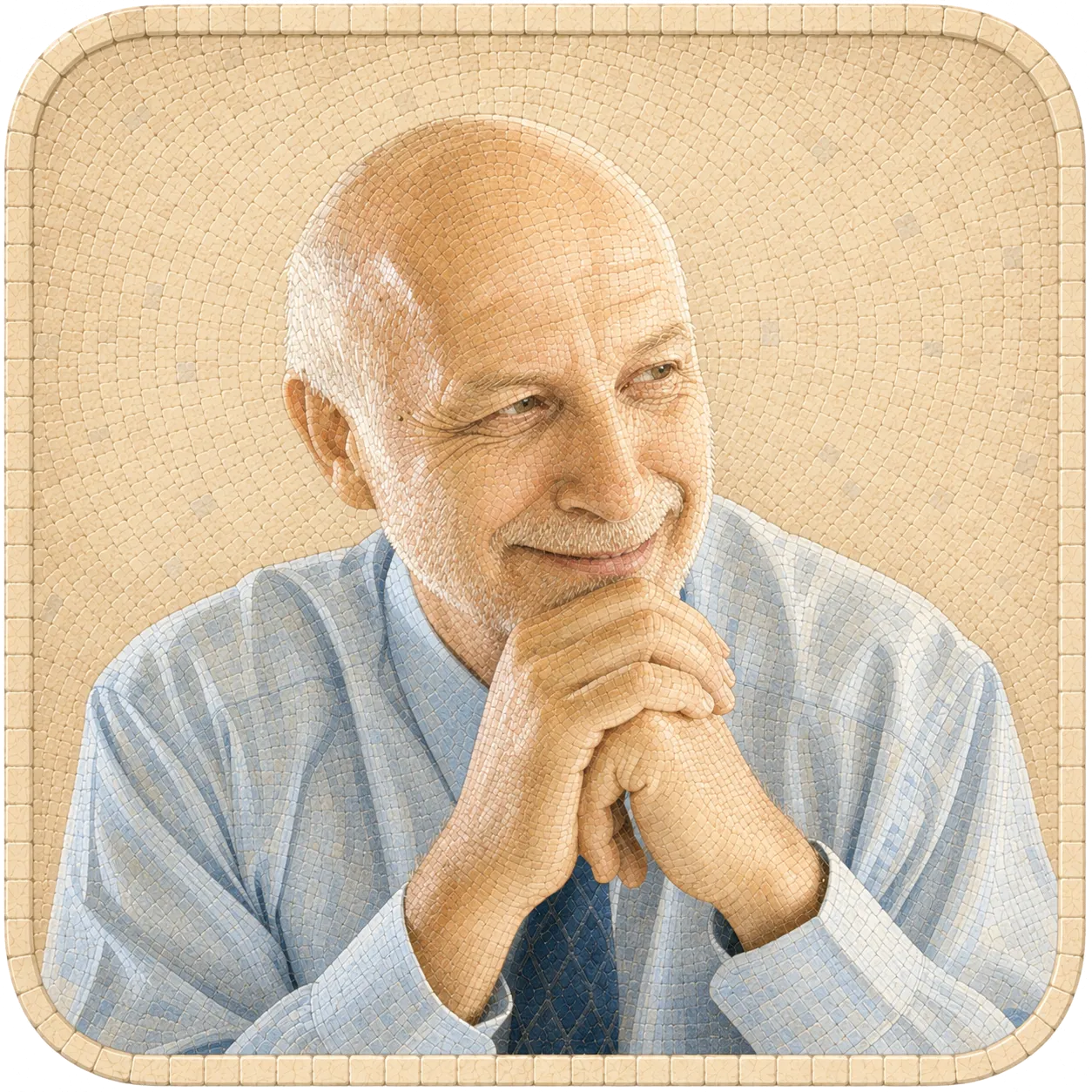
Mentalization-Based Therapy
Peter Fonagy
1952 – present
Co-developed mentalization-based therapy and its theory.
Open profile 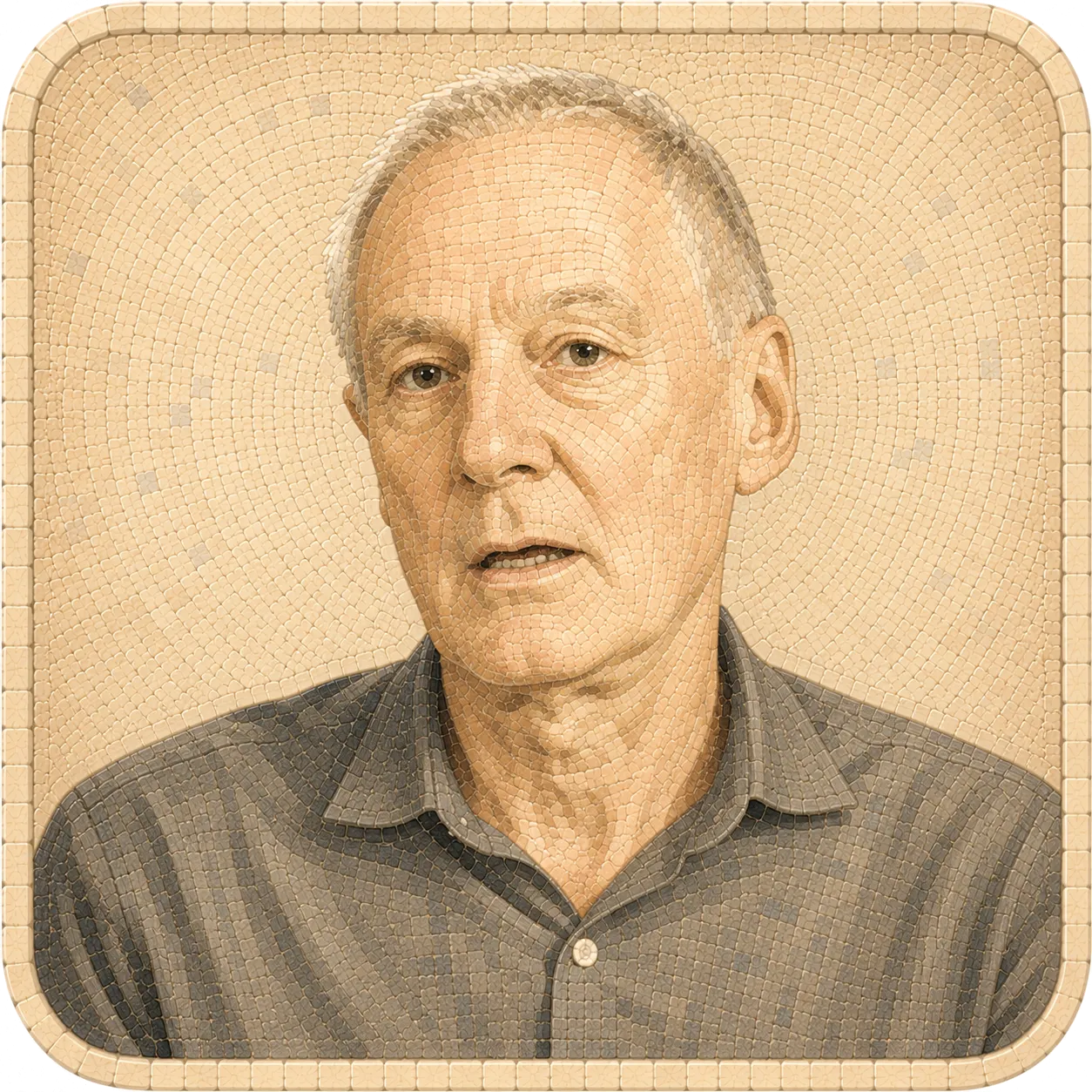
Mentalization-Based Therapy
Anthony Bateman
20th century – present
Co-founded mentalization-based therapy for personality disorders.
Open profile 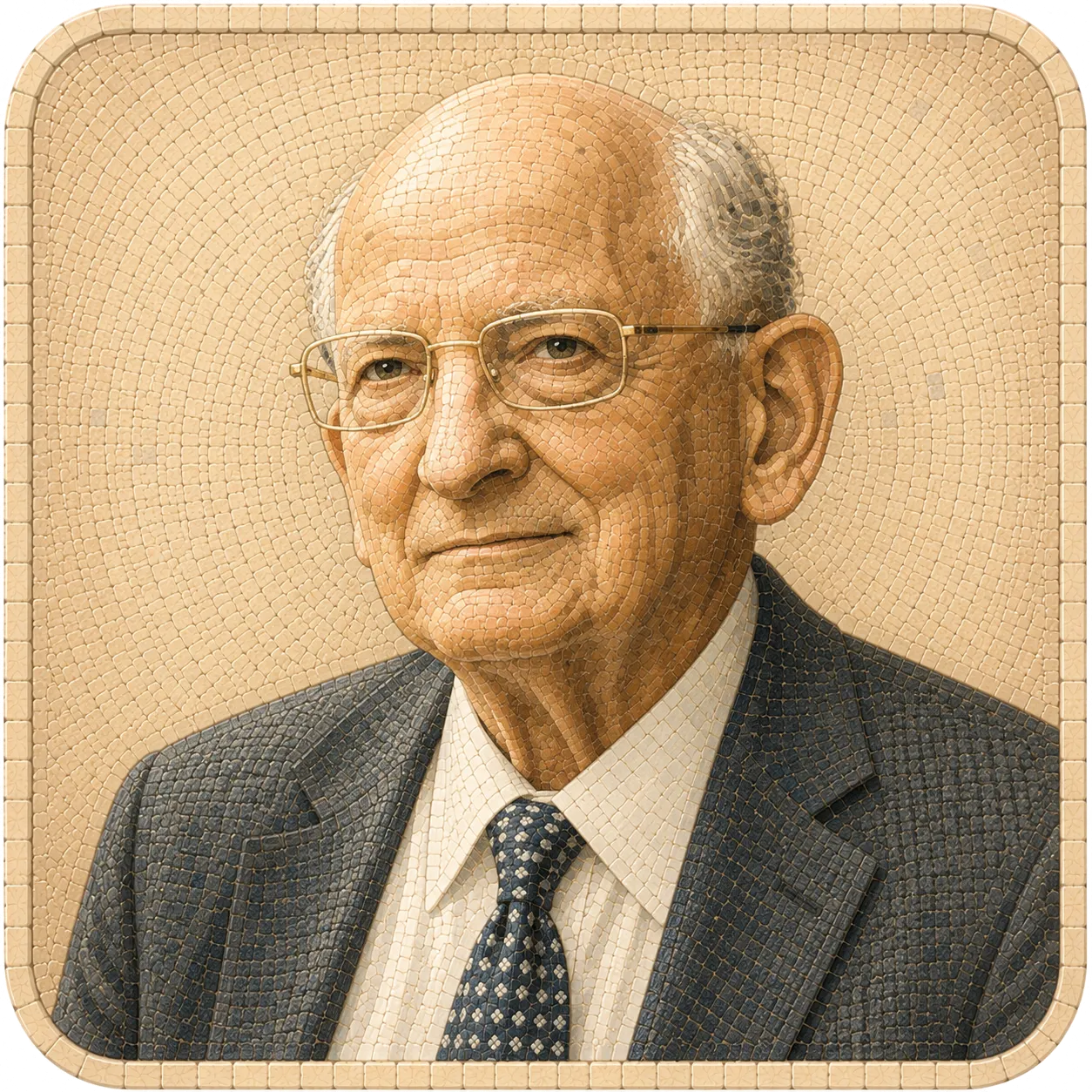
Transference-Focused Psychotherapy
Otto Kernberg
1928 – present
Developed transference-focused therapy for personality disorders.
Open profile 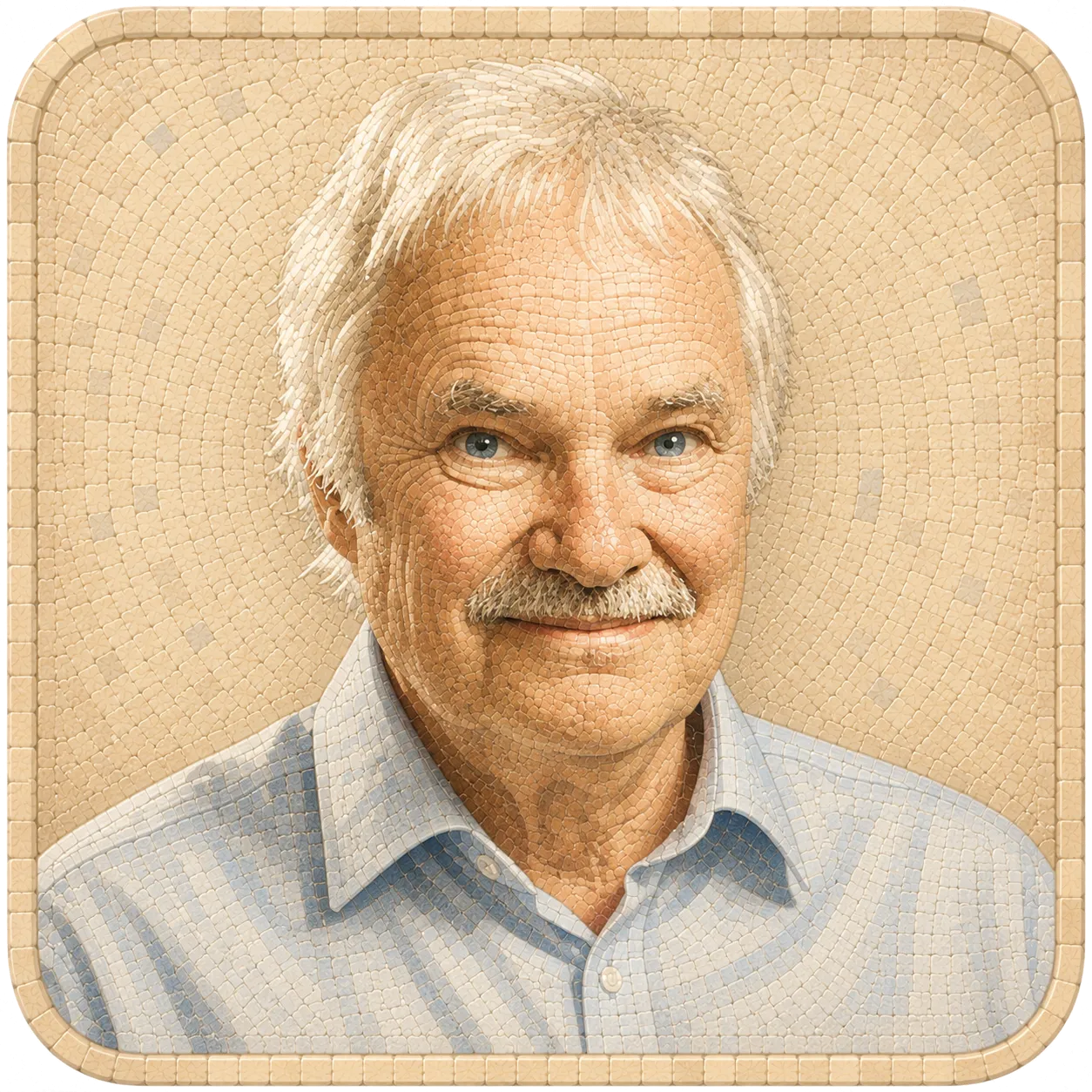
Compassion-Focused Therapy
Paul Gilbert
1951 – present
Founded compassion-focused therapy for shame and self-criticism.
Open profile 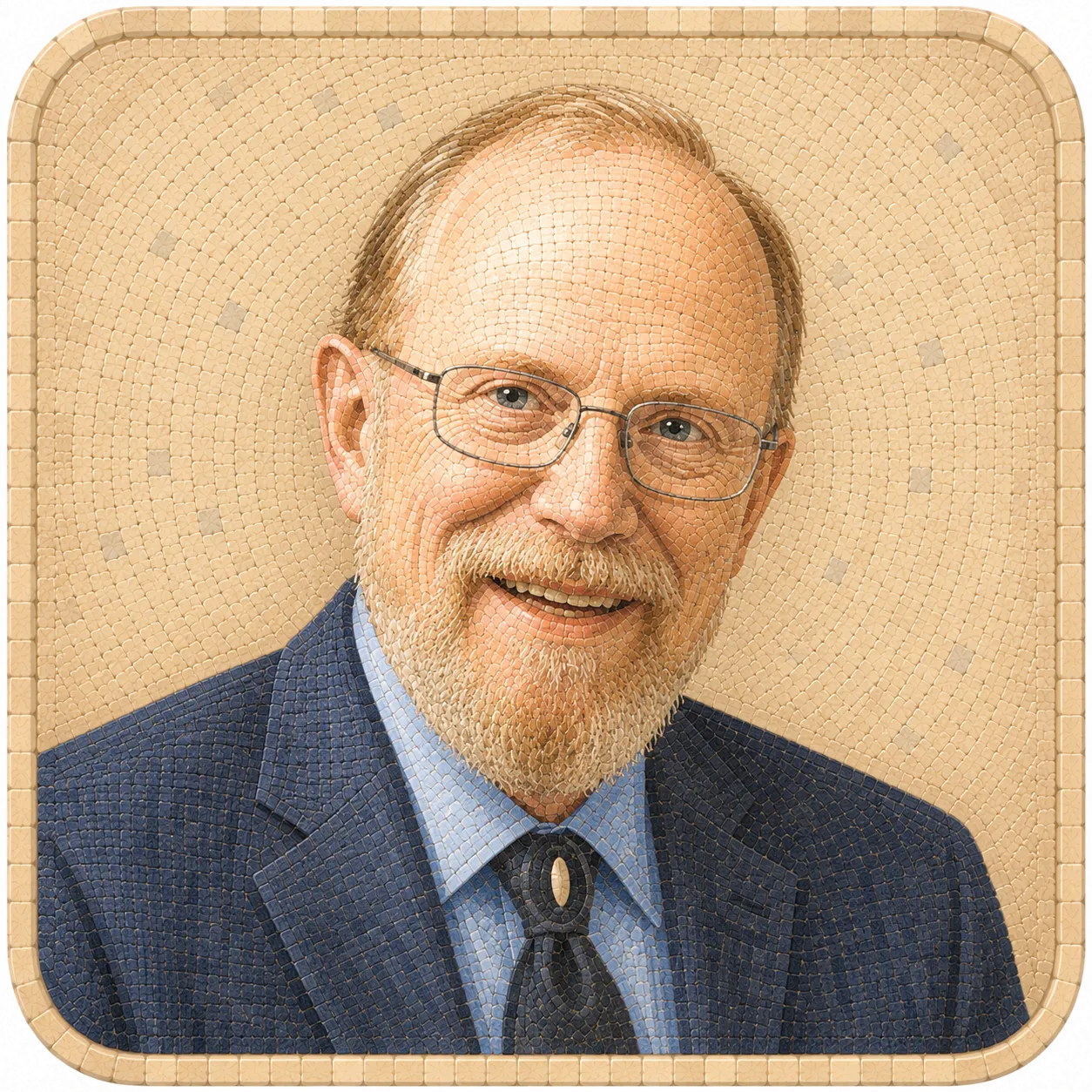
Motivational Interviewing
William R. Miller
1947 – present
Co-created motivational interviewing for behavior change.
Open profile 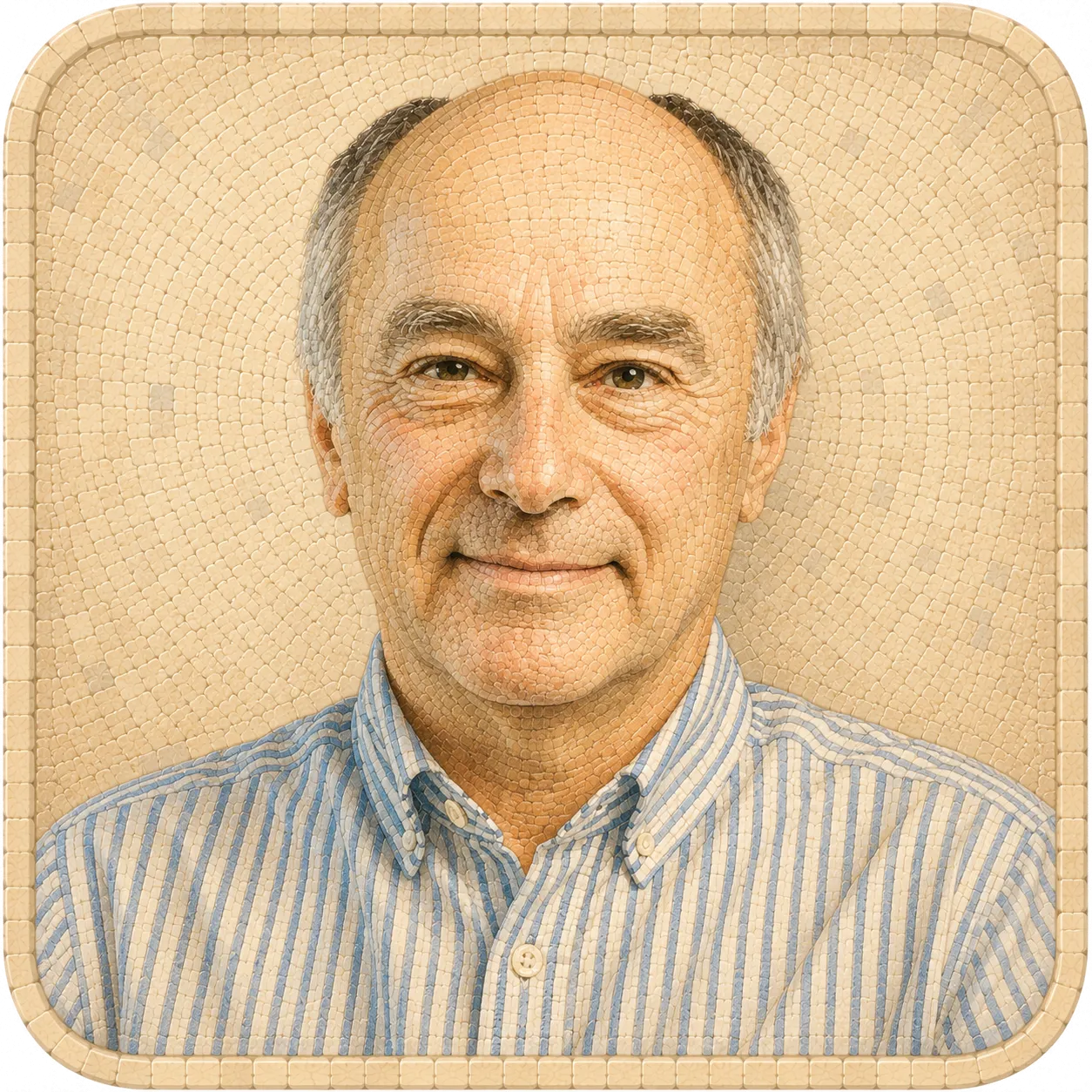
Motivational Interviewing
Stephen Rollnick
1952 – present
Co-created a collaborative method for sparking change.
Open profile 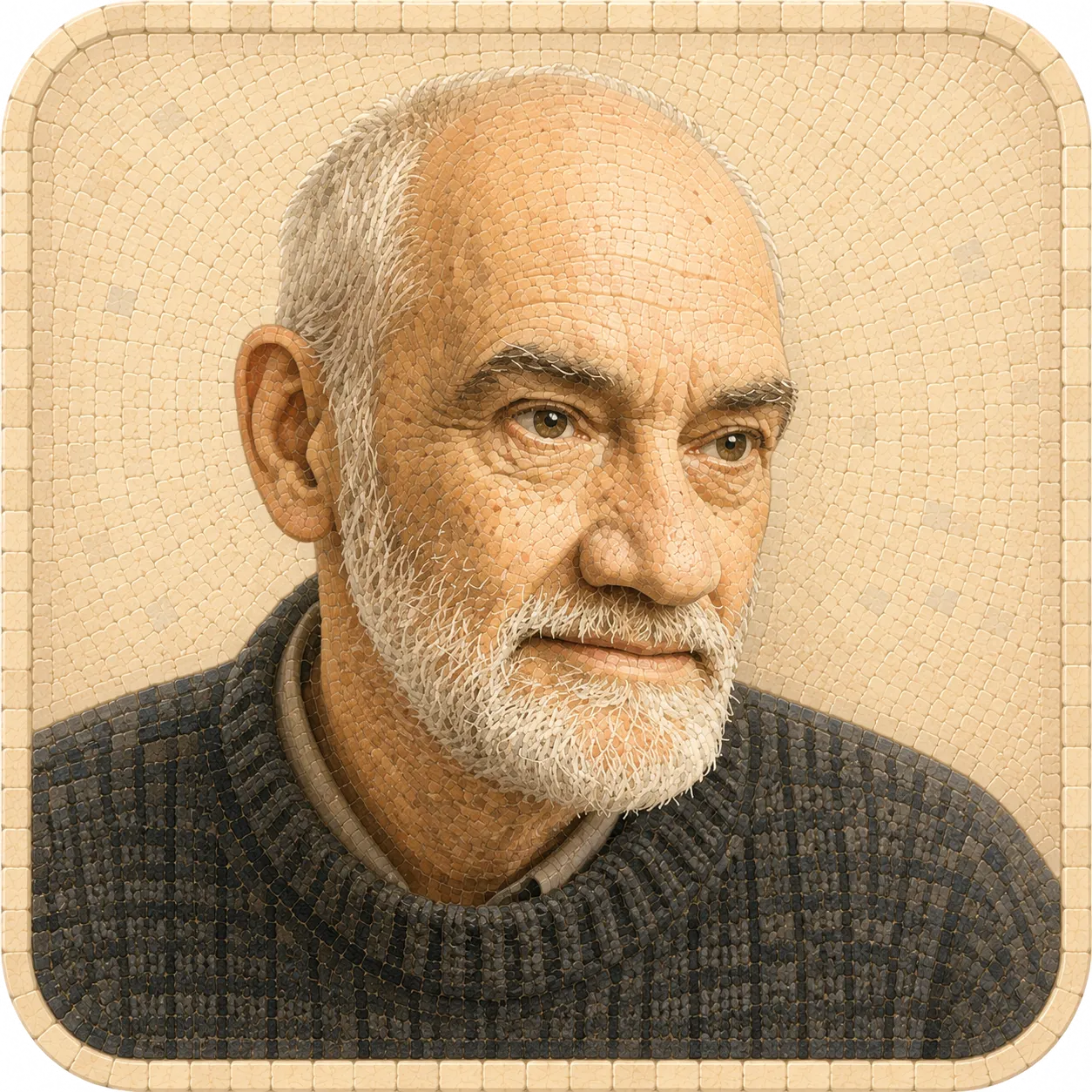
Solution-Focused Brief Therapy
Steve de Shazer
1940 – 2005
Turned therapy from problem-analysis to building solutions.
Open profile 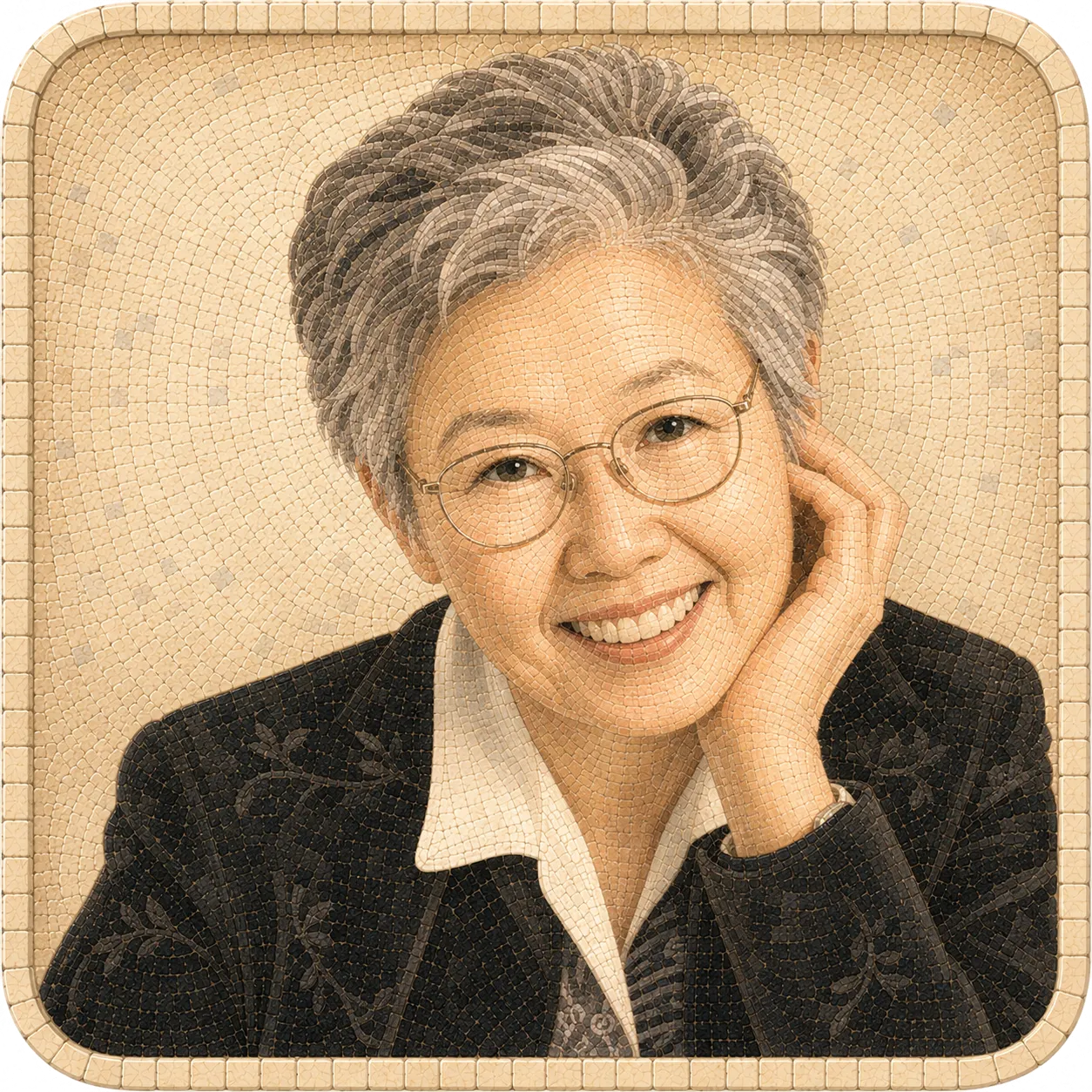
Solution-Focused Brief Therapy
Insoo Kim Berg
1934 – 2007
Co-created a strengths-based, future-focused approach.
Open profile 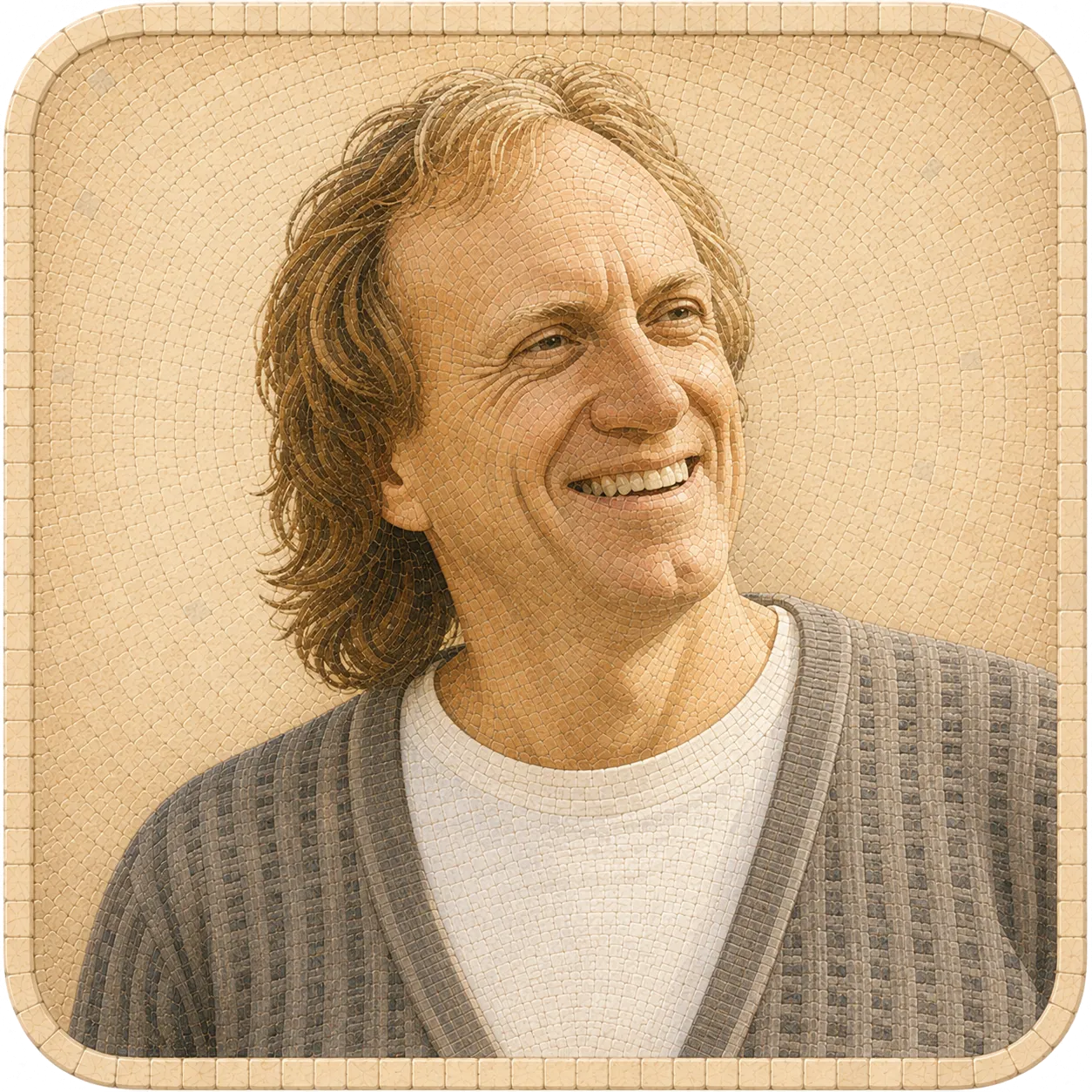
Narrative Therapy
Michael White
1948 – 2008
Separated the person from the problem.
Open profile 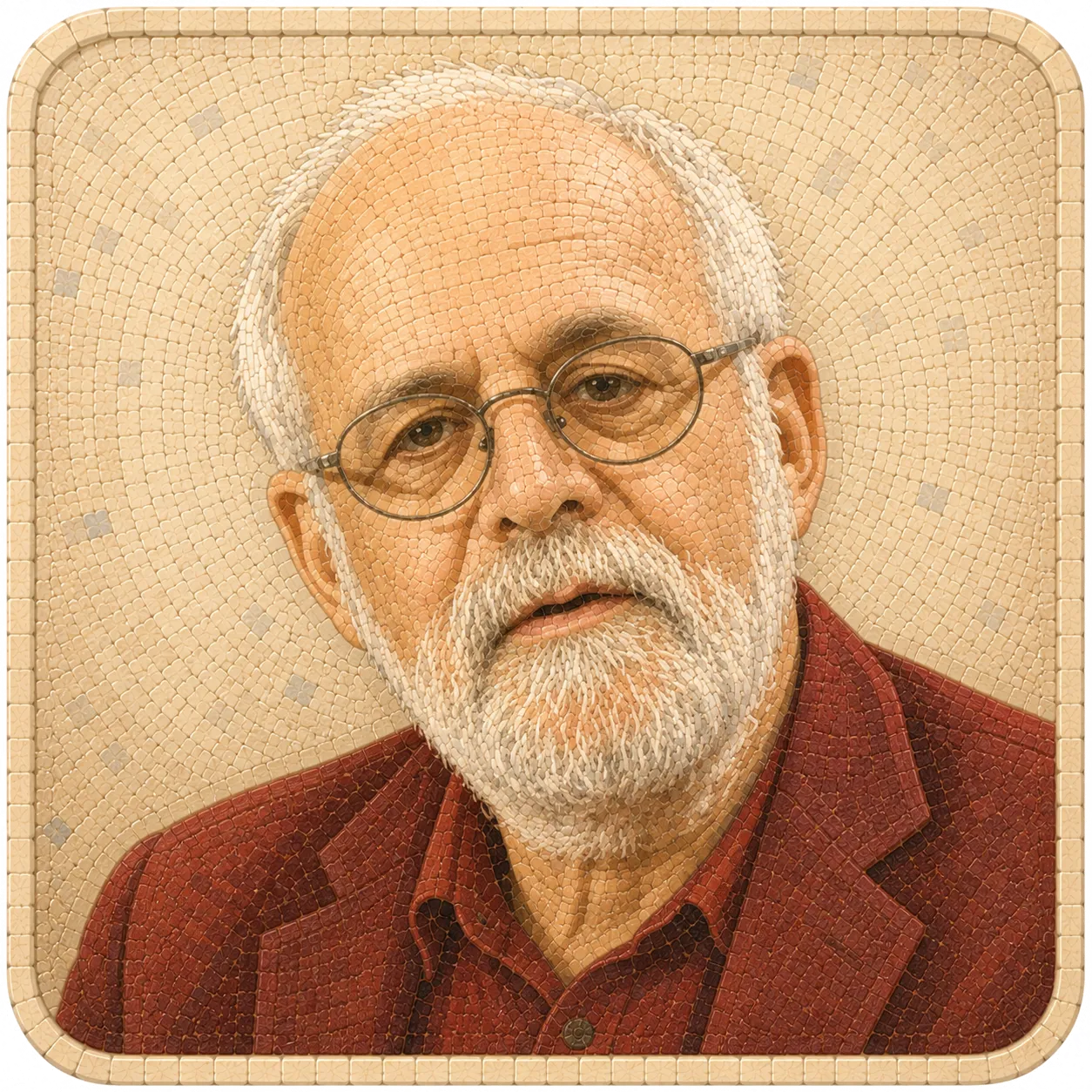
Narrative Therapy
David Epston
1944 – present
Co-built narrative therapy and the therapeutic letter.
Open profile 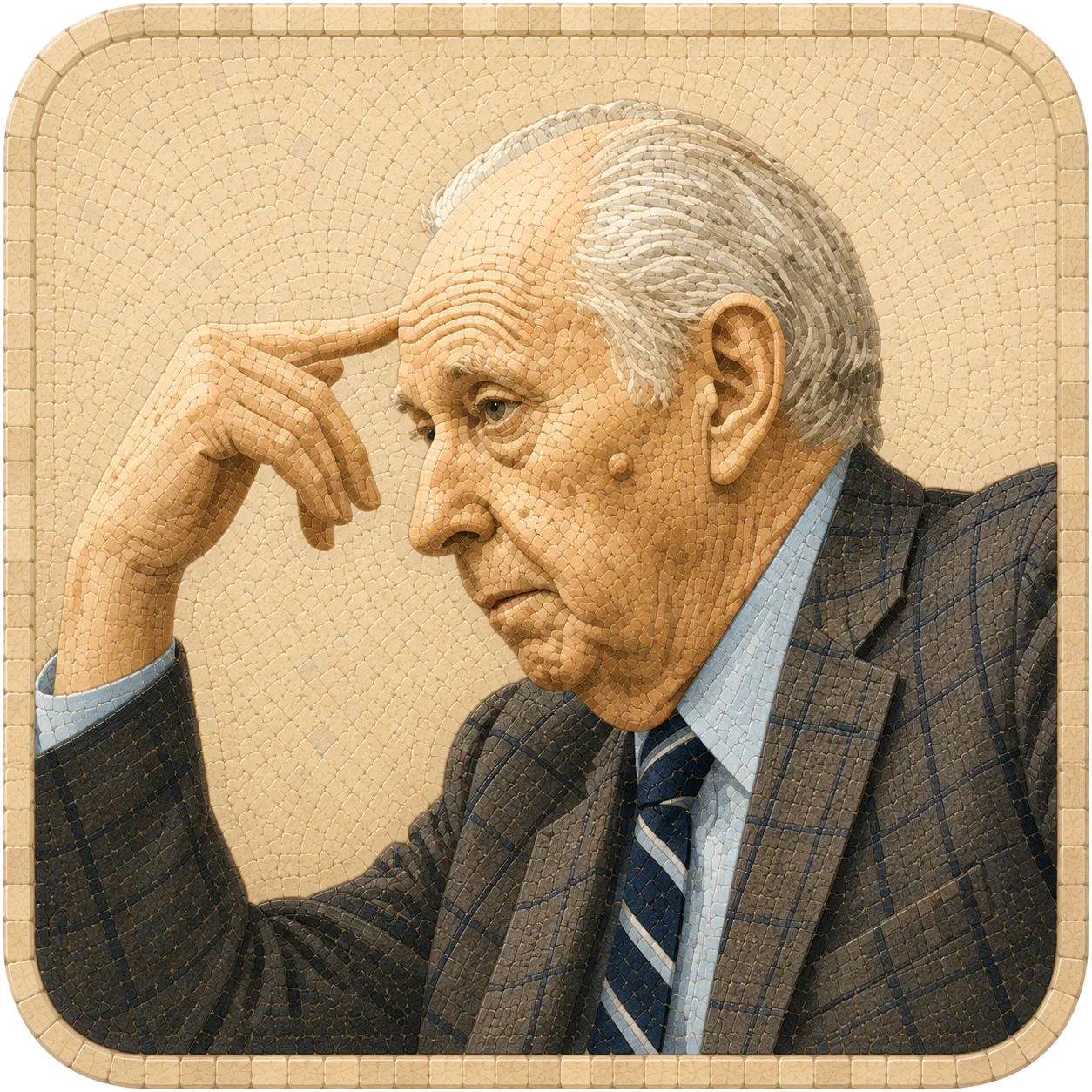
Bowen Family Systems
Murray Bowen
1913 – 1990
He saw the family as one emotional organism.
Open profile 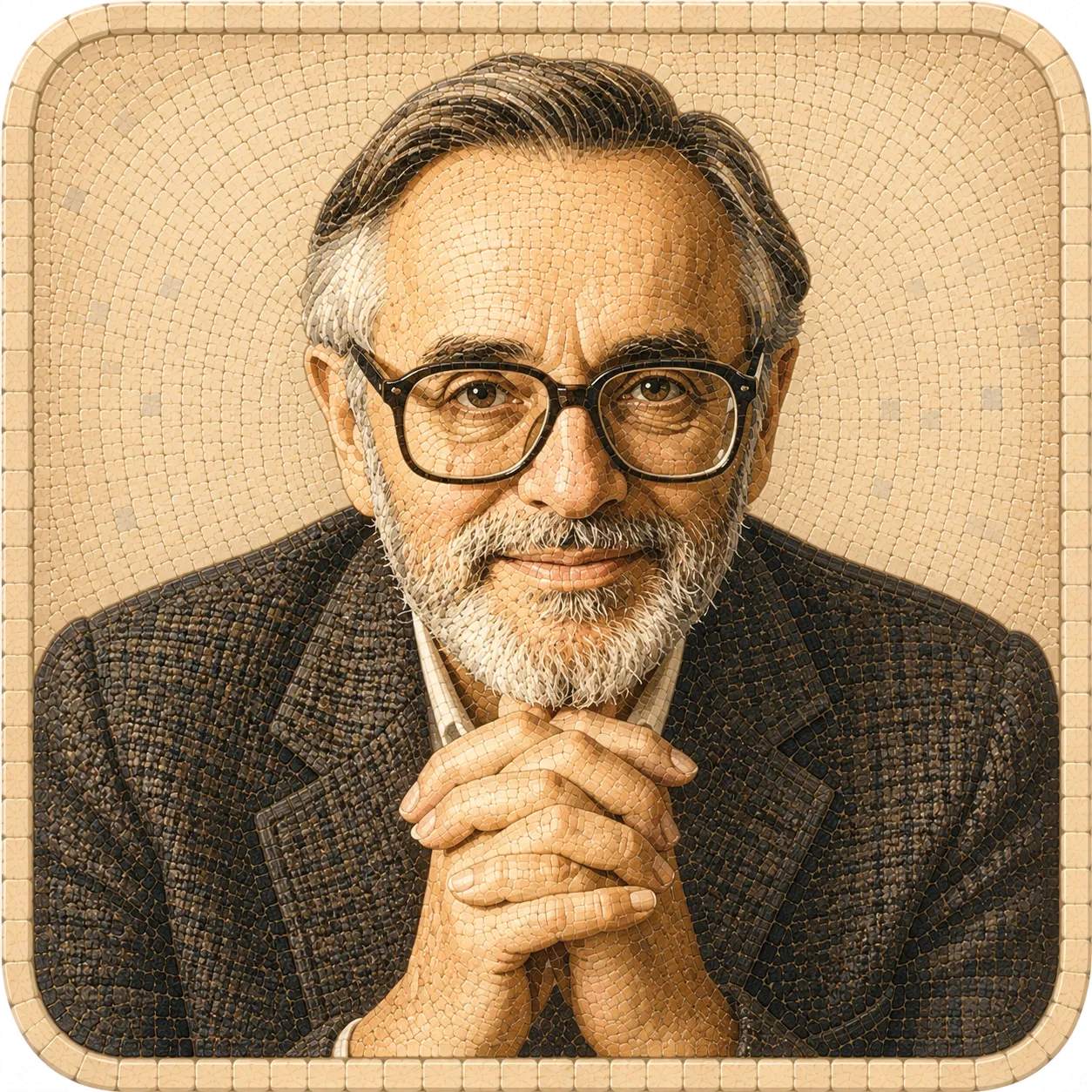
Structural Family Therapy
Salvador Minuchin
1921 – 2017
He mapped and reshaped the hidden structure of families.
Open profile 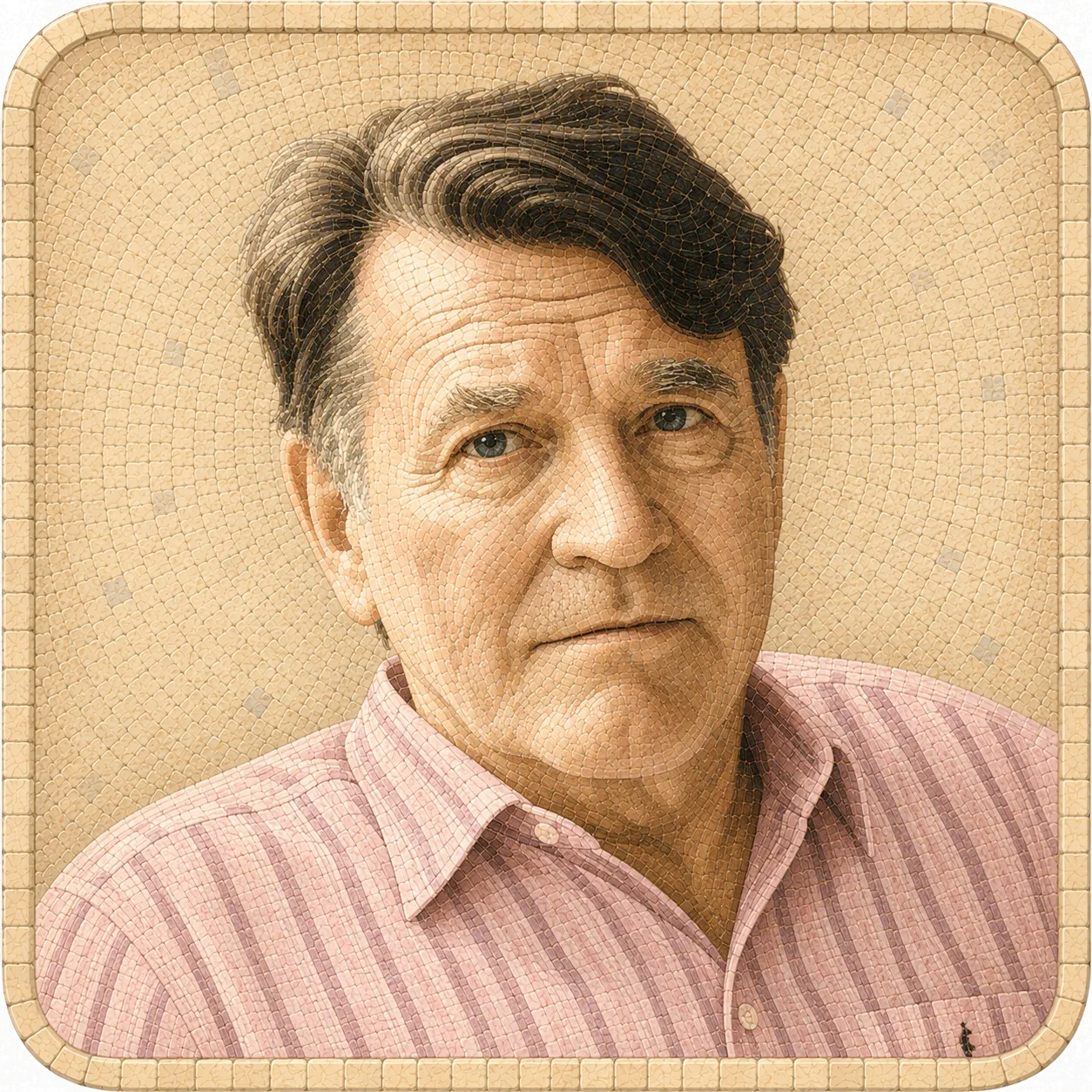
Strategic Family Therapy
Jay Haley
1923 – 2007
He treated the symptom as the target, not the psyche.
Open profile 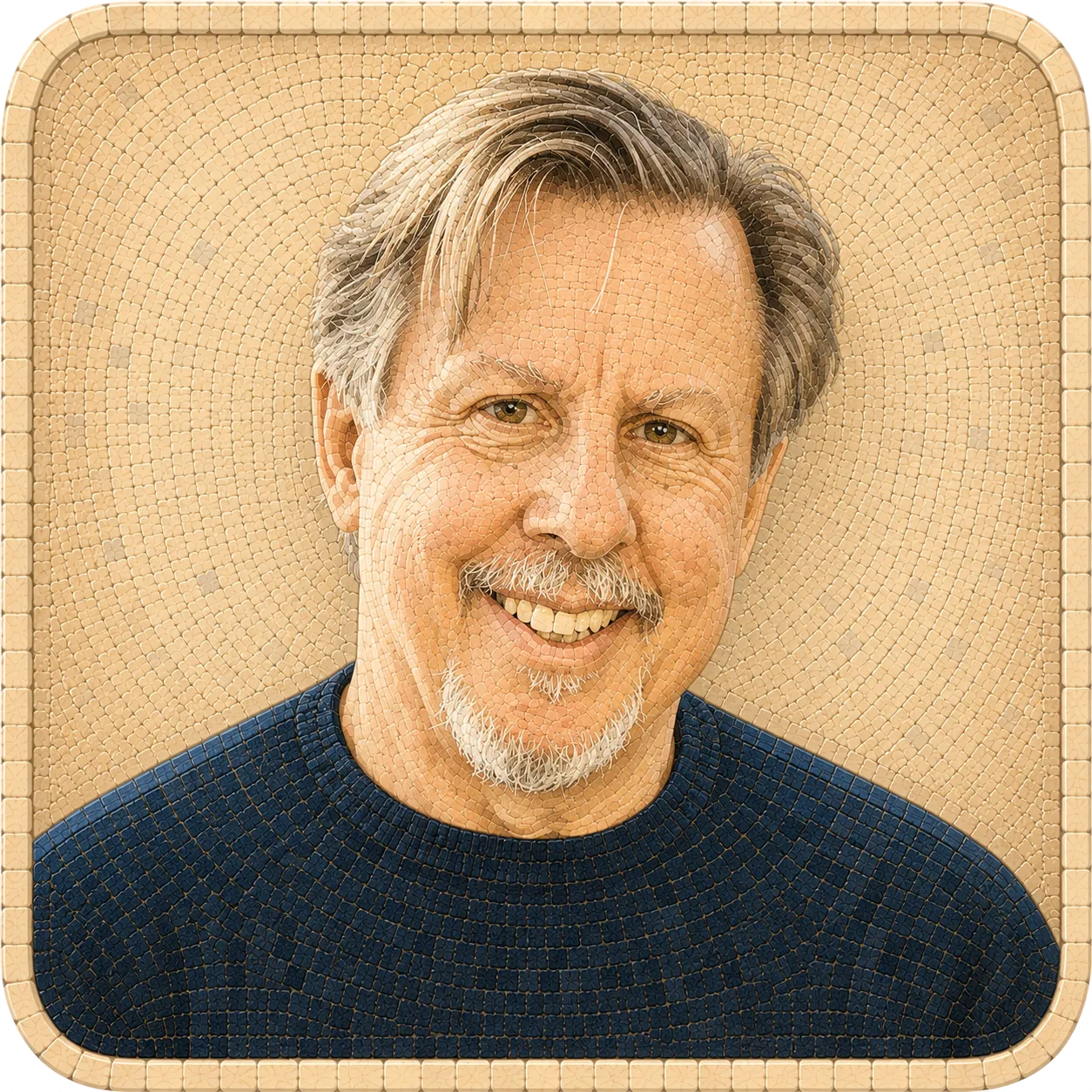
Internal Family Systems
Richard Schwartz
1949 – present
He found a calm, healing Self beneath our many parts.
Open profile 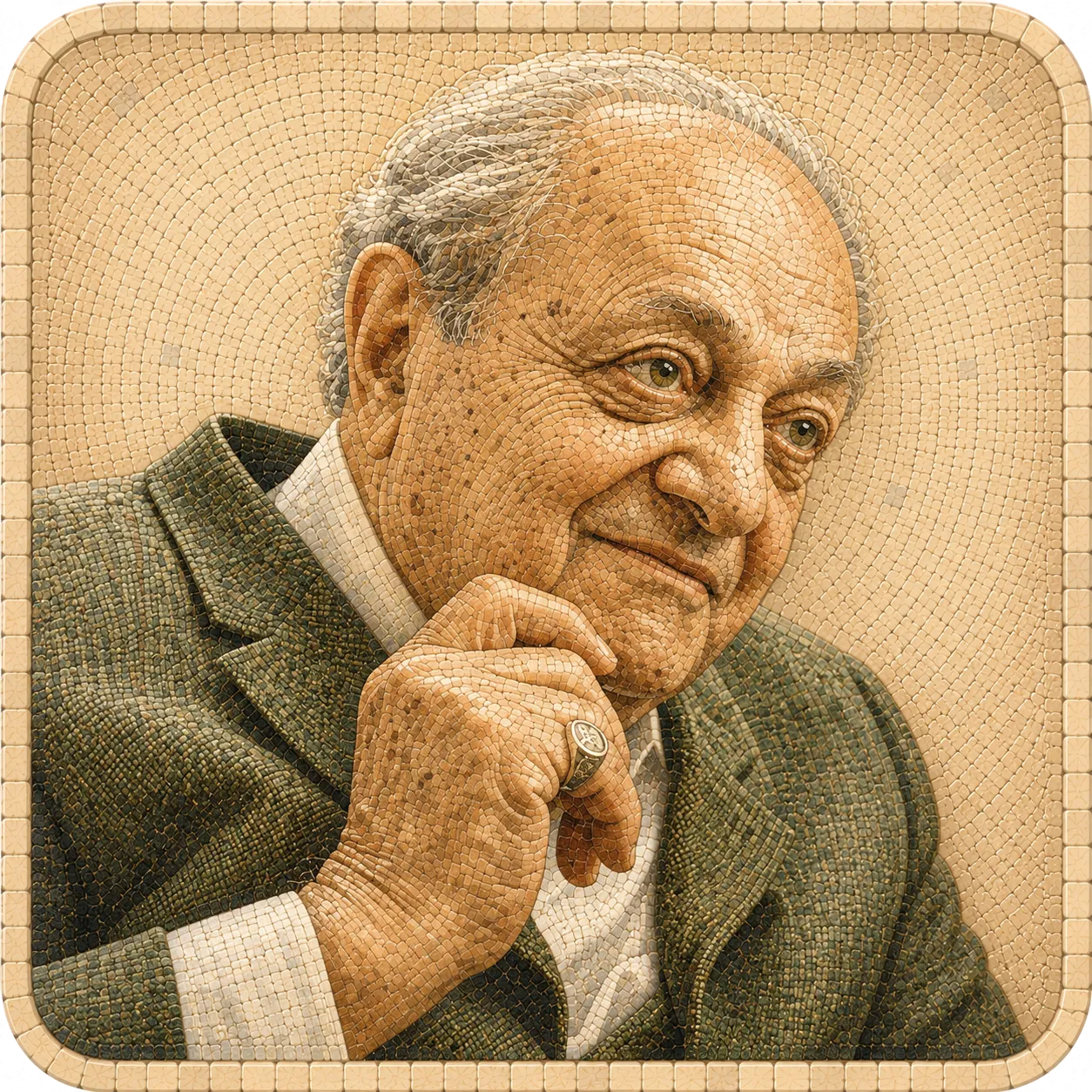
Psychodrama
Jacob L. Moreno
1889 – 1974
Turned the stage into a tool for healing the psyche.
Open profile 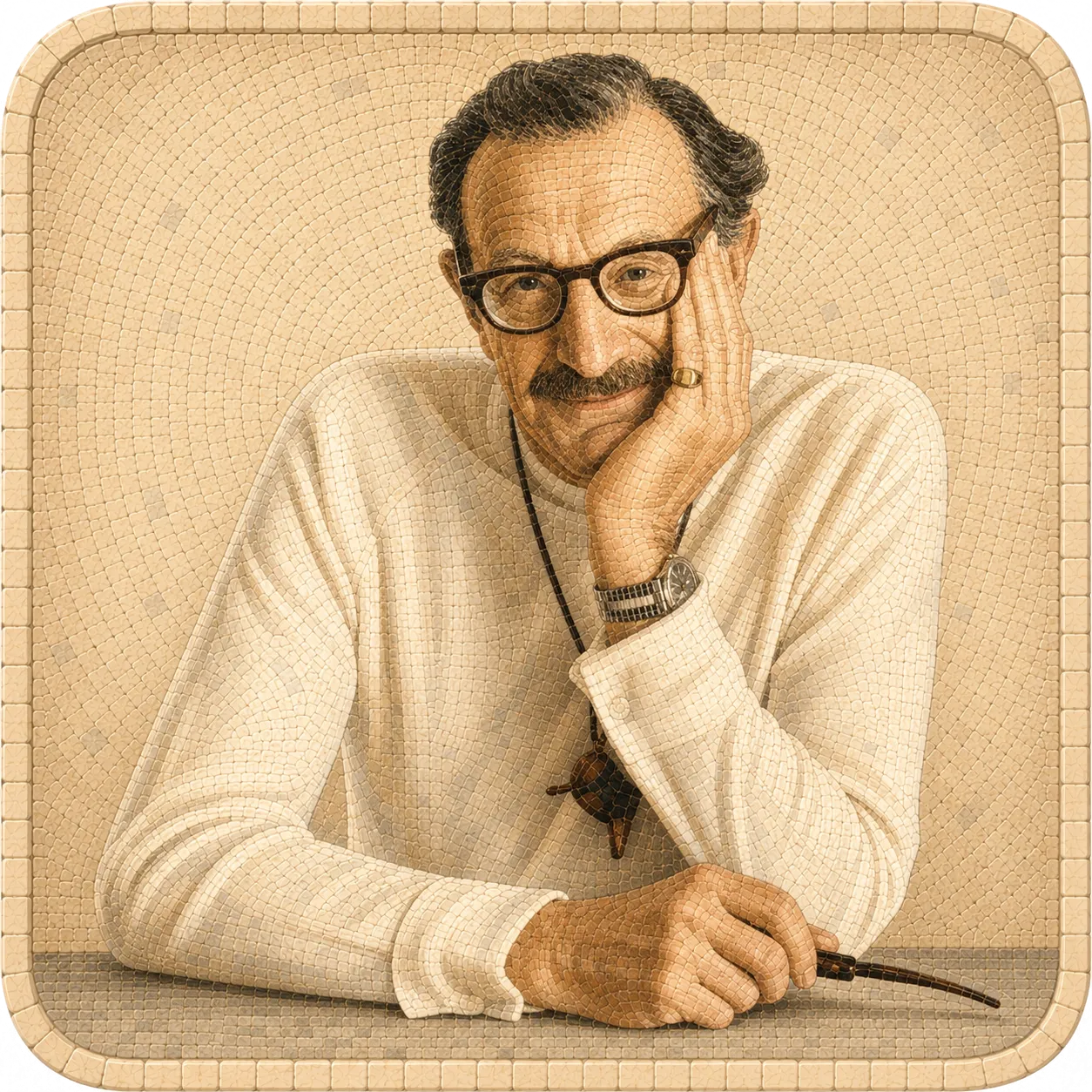
Transactional Analysis
Eric Berne
1910 – 1970
Mapped how our inner Parent, Adult and Child talk.
Open profile 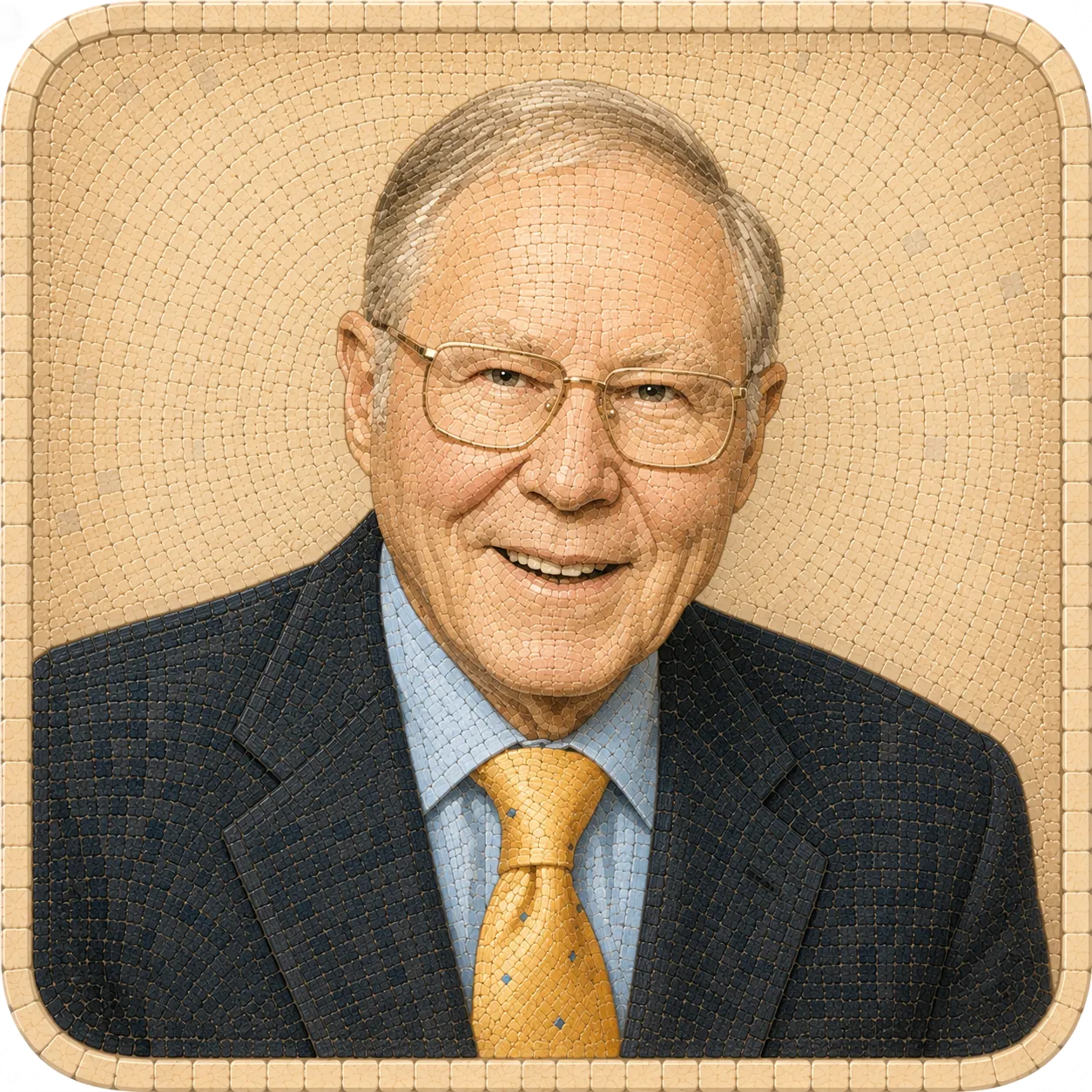
Reality Therapy
William Glasser
1925 – 2013
We choose our behavior, so we can choose better.
Open profile 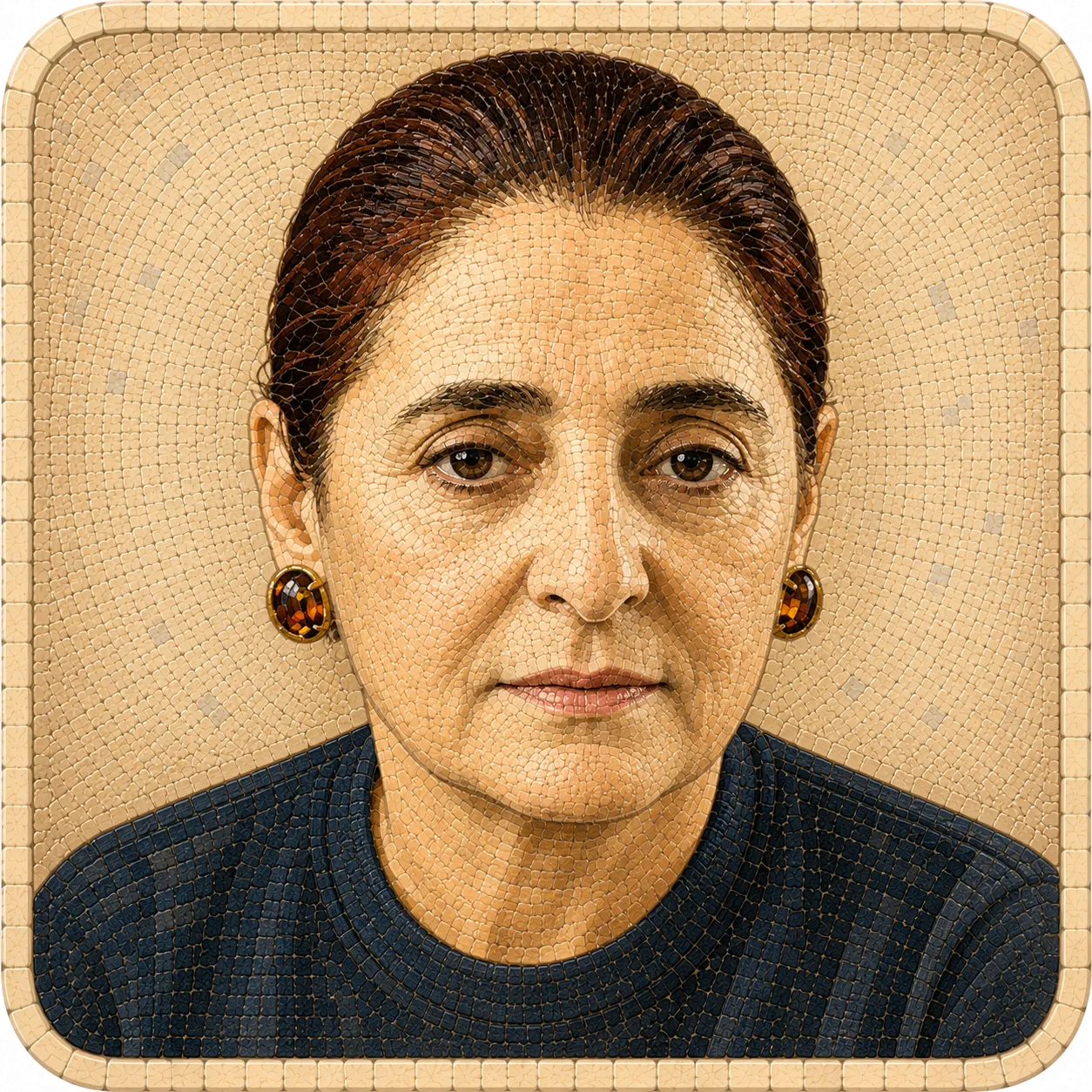
Art Therapy
Margaret Naumburg
1890 – 1983
Made spontaneous images a path to the unconscious.
Open profile 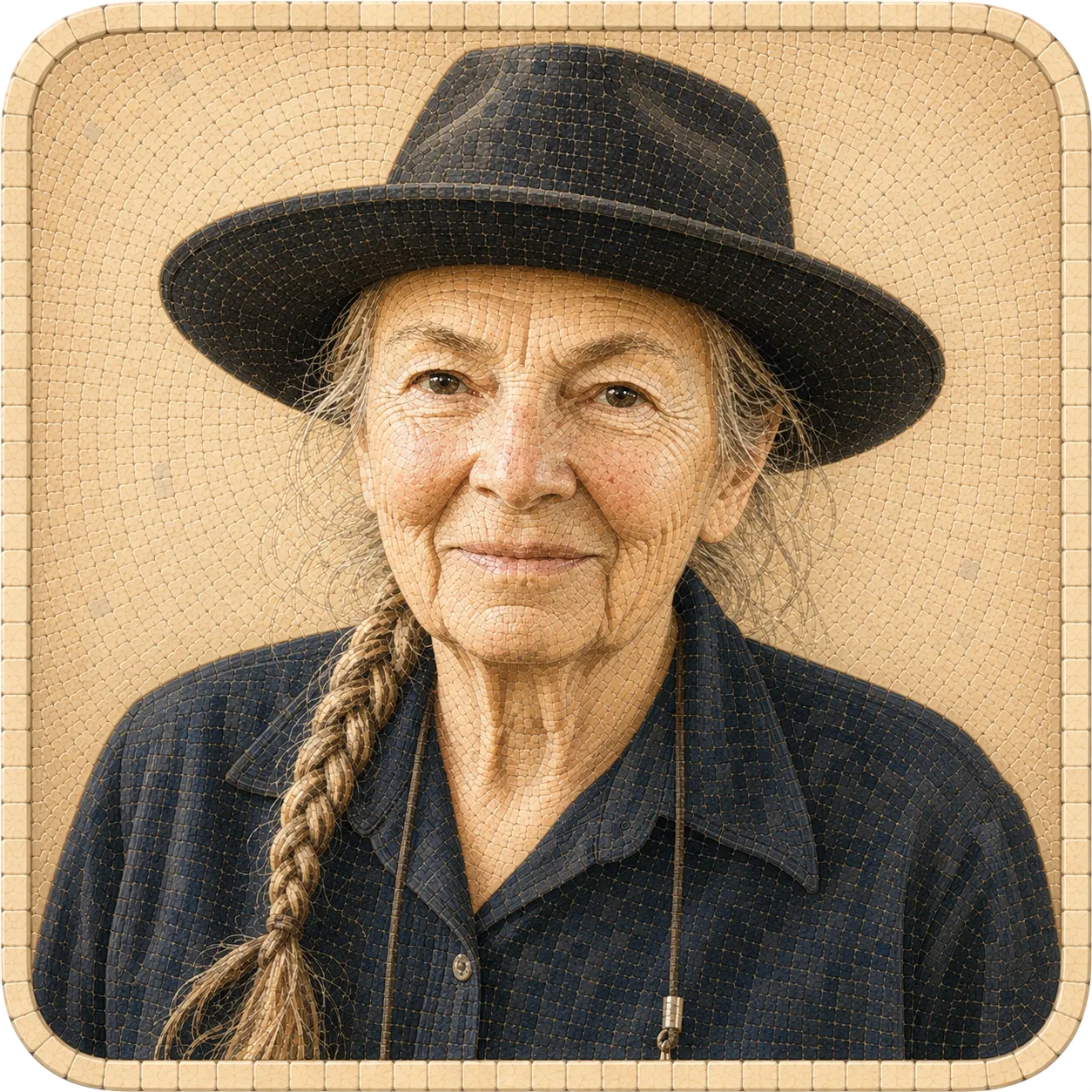
Art Therapy
Edith Kramer
1916 – 2014
The act of making art is itself the cure.
Open profile 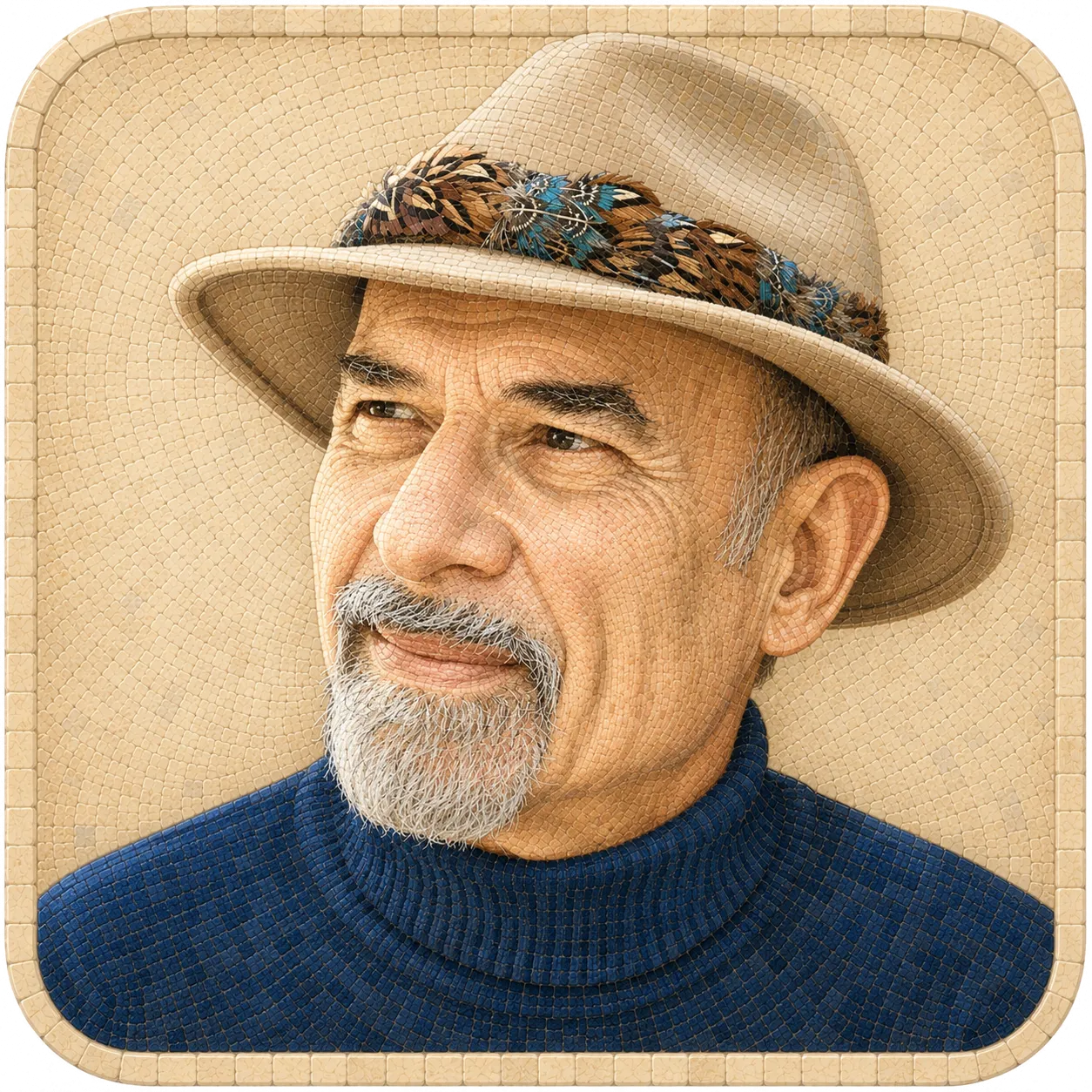
Existential Psychotherapy
Irvin D. Yalom
1931 – present
He named the four things every life must face.
Open profile 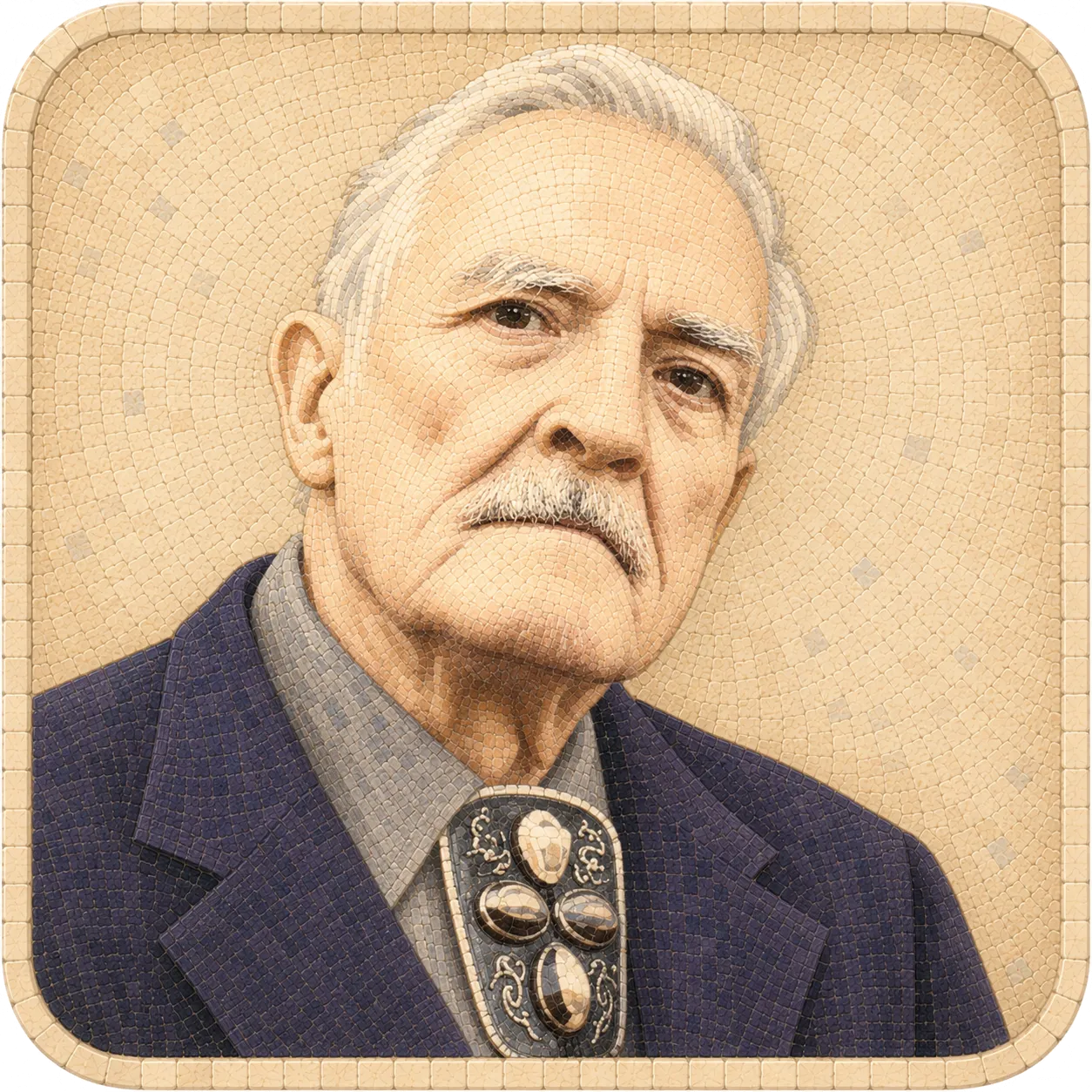
Ericksonian Hypnotherapy
Milton H. Erickson
1901 – 1980
The father of modern clinical hypnotherapy.
Open profile 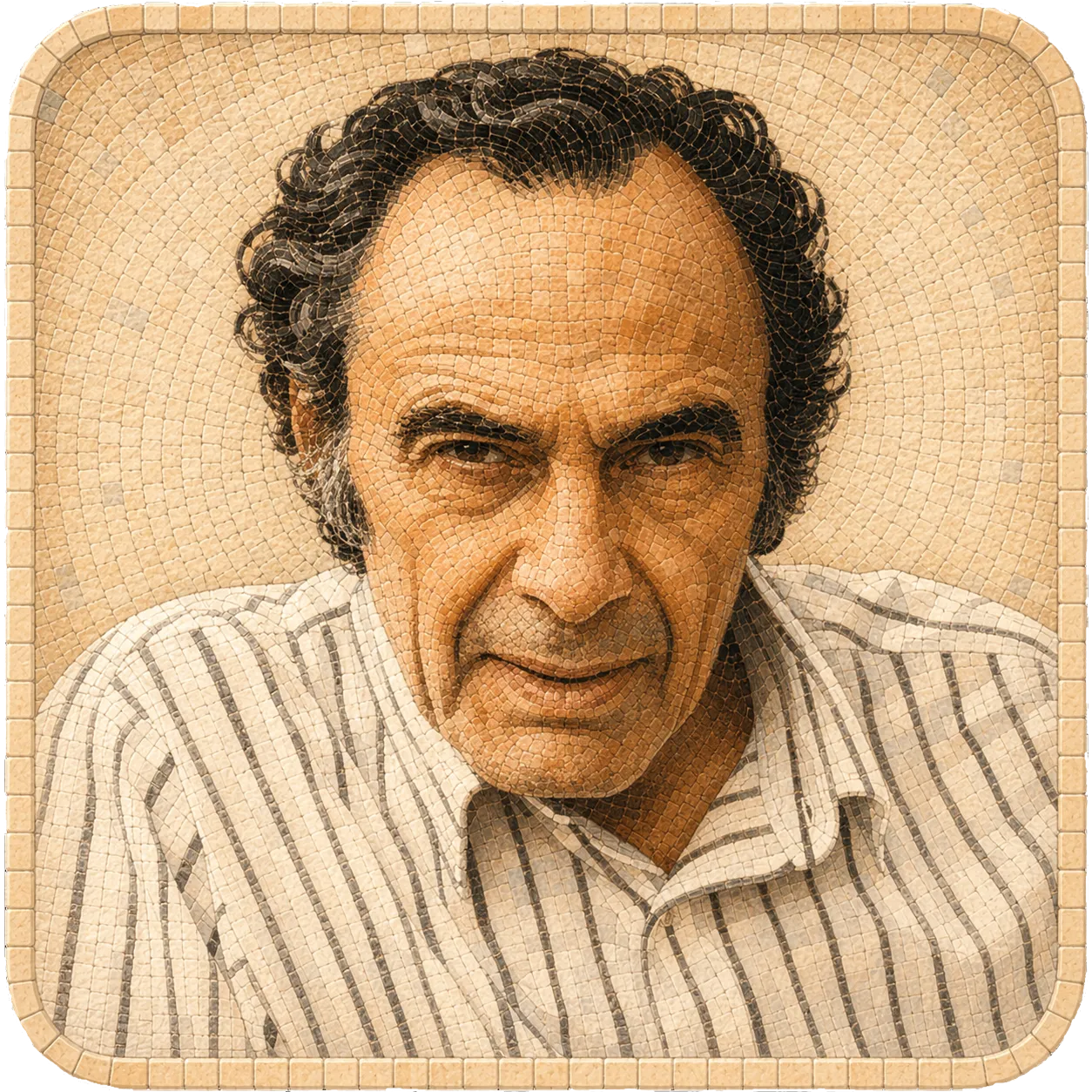
Focusing-Oriented Therapy
Eugene Gendlin
1926 – 2017
He taught people to listen to the wisdom of the body.
Open profile 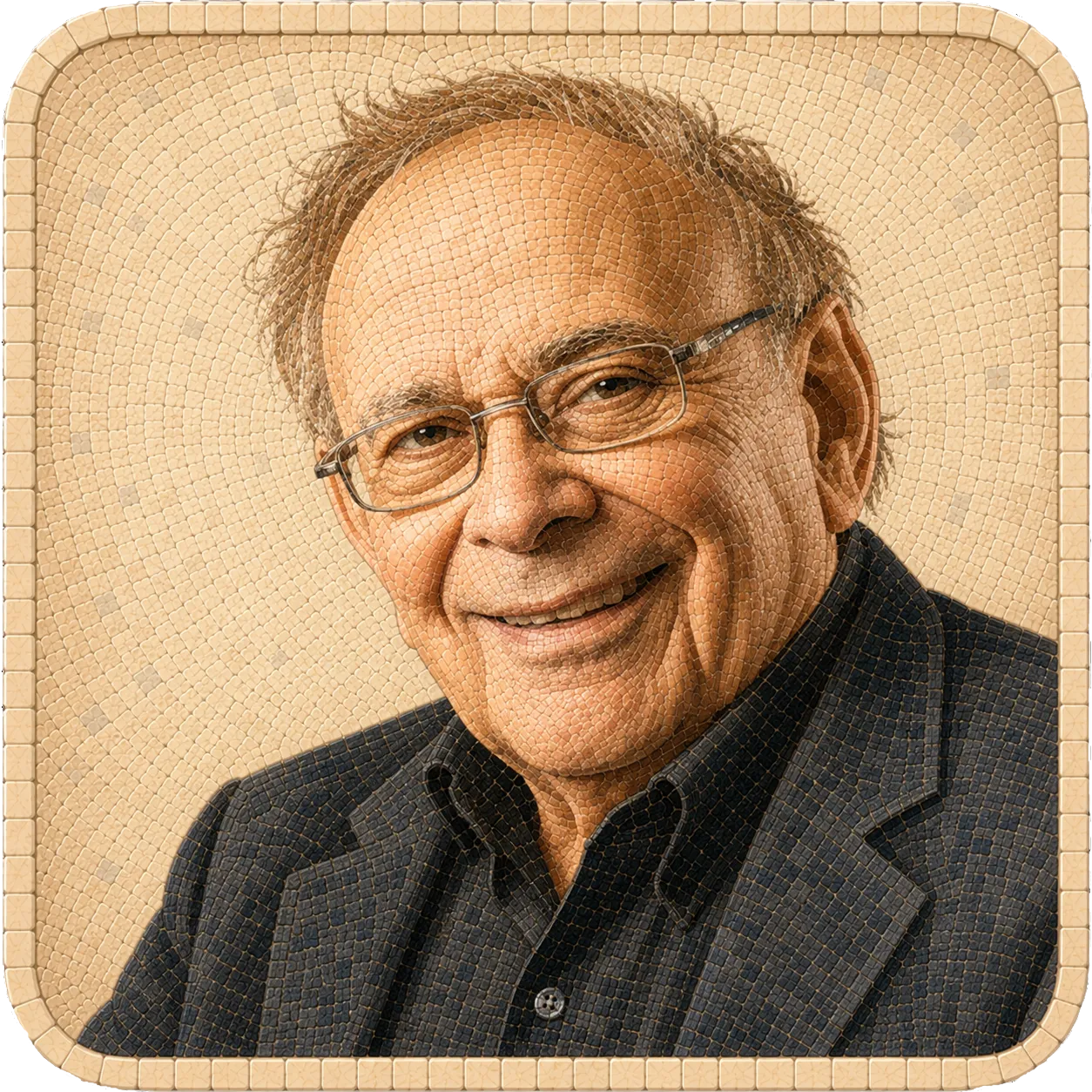
Psychotherapy Integration
Marvin Goldfried
1936 – present
He looked for what every good therapy shares.
Open profile 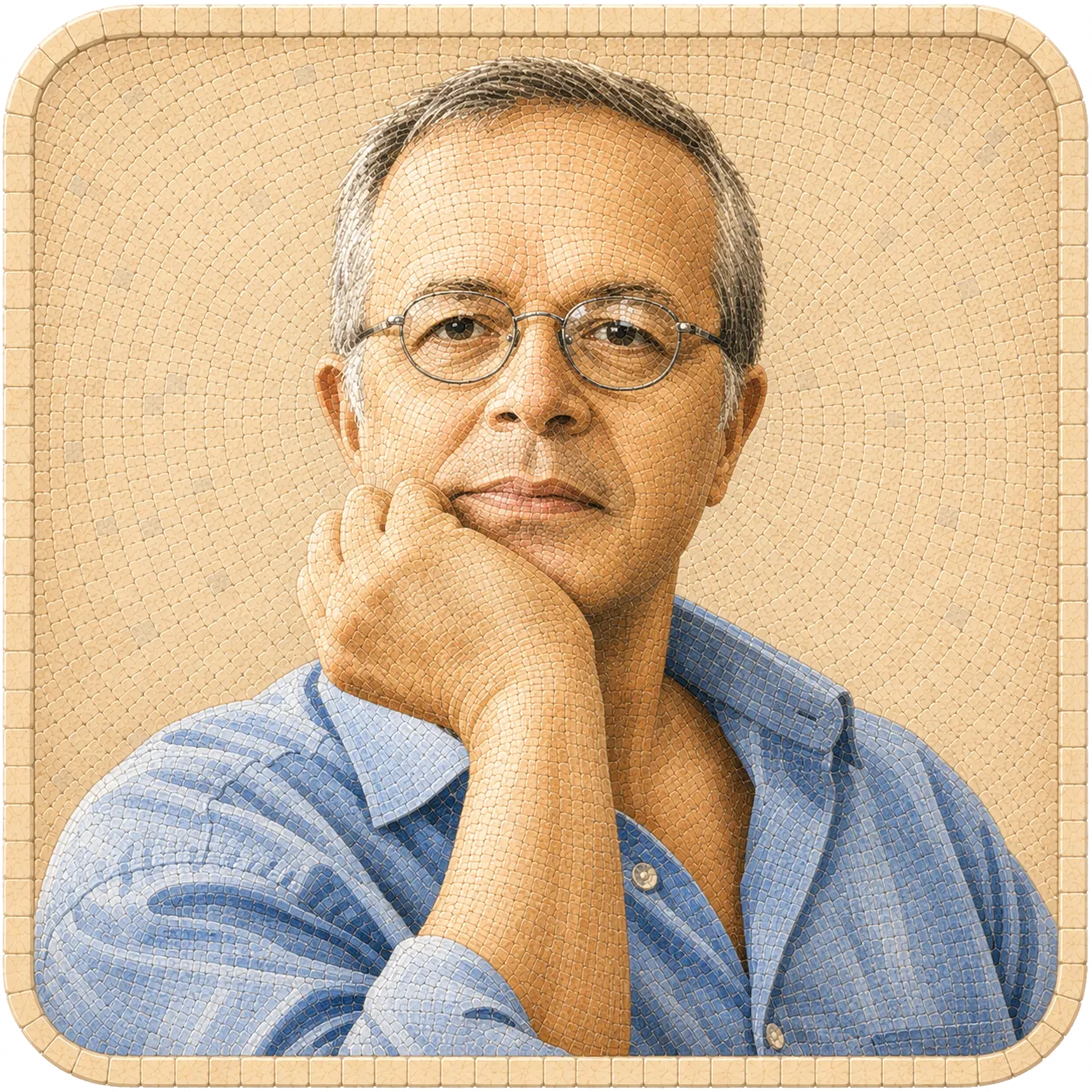
Psychological Therapy
Klaus Grawe
1943 – 2005
He grounded therapy in the brain's basic needs.
Open profile 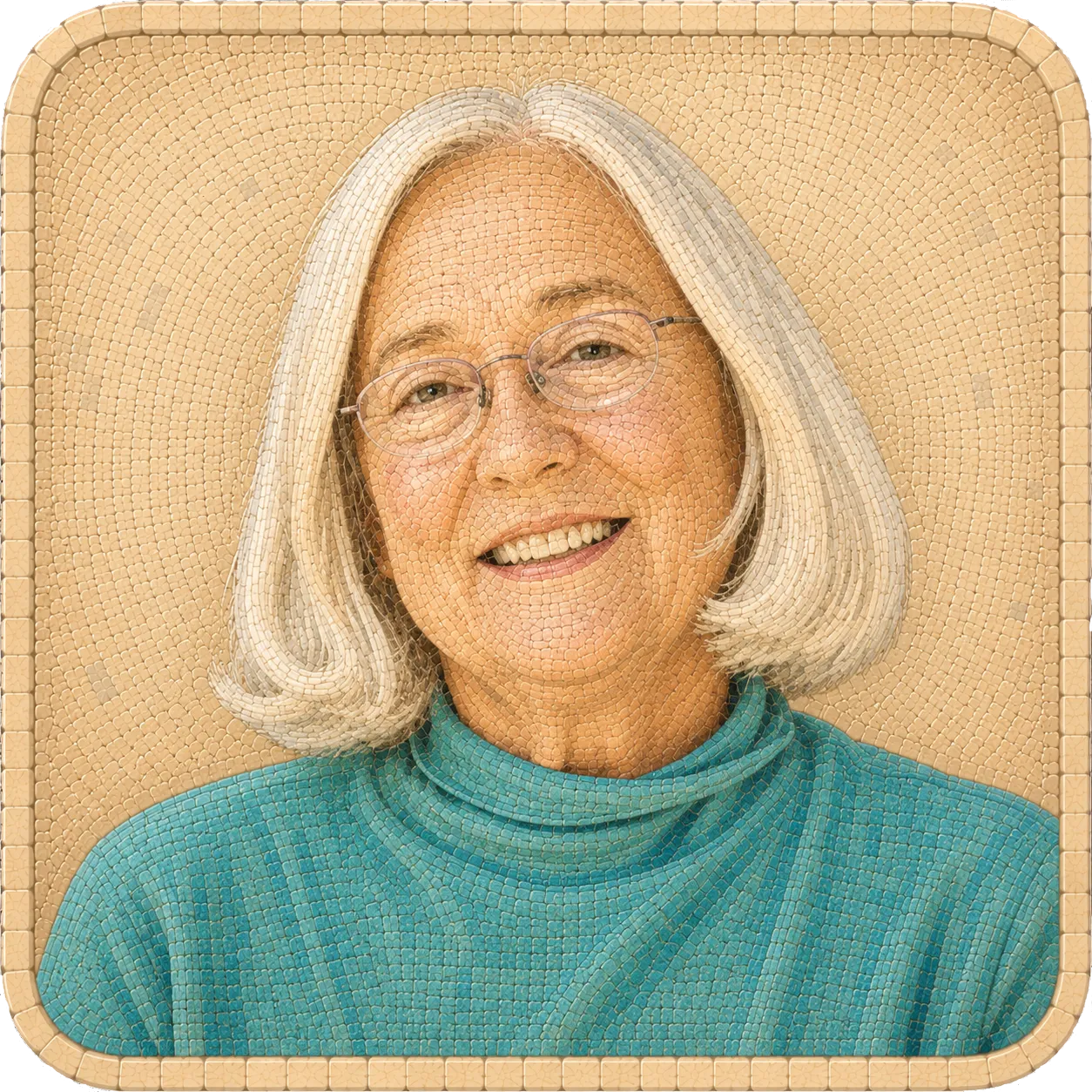
Interpersonal Reconstructive Therapy
Lorna Smith Benjamin
1934 – 2023
She mapped how our old loves still run the show.
Open profile 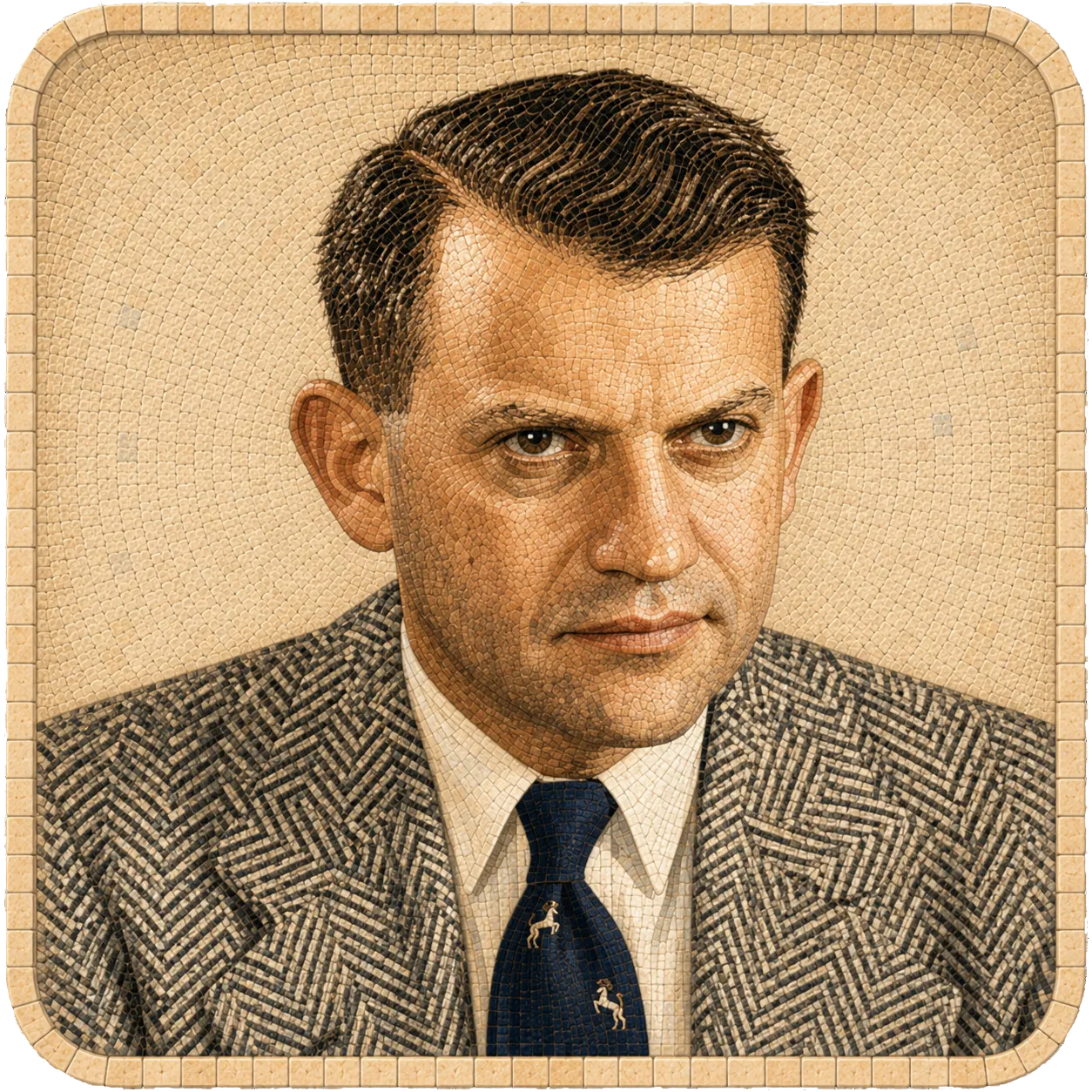
Working Alliance Theory
Edward Bordin
1913 – 1992
He named what makes the therapy bond actually work.
Open profile Bring them with you
Every thinker, in your pocket.
Psipas turns their lifework into a daily practice of small, honest questions.