Technique ·Person-centred

Reflective Listening

Mirroring back what someone means and feels, in your own words, so they can hear themselves clearly and feel genuinely understood.

With another · any time From Karen Horney · Alfred Adler · Donald Winnicott · Anna Freud · Carl Rogers · Erik Erikson · Mary Ainsworth · Lev Vygotsky · Albert Bandura · John Bowlby · Rollo May · Erich Fromm · Kurt Lewin · Leon Festinger · Solomon Asch · Stanley Milgram · Philip Zimbardo · Gordon Allport · Max Wertheimer · Wolfgang Kohler · Ulric Neisser · Noam Chomsky · Daniel Kahneman · Amos Tversky · Elizabeth Loftus · Martin Seligman · Carol Gilligan · William R. Miller · Stephen Rollnick
Helpful for
Hard conversationsSupporting othersFeeling heard

Why it works

Most people are listened to in order to be answered, not understood. Reflecting meaning back — without advice or judgement — gives a person the rare experience of being met, which is often what lets them move.

How it's done

Practising it, step by step

A few moves that carry the method — in a therapy room, or in small ways, on your own.

  1. 1
    Listen for the feeling Attend less to the facts and more to the emotion underneath them.
  2. 2
    Reflect it back Offer it tentatively — “it sounds like you felt…” — and let them correct you.
  3. 3
    Resist fixing Hold off on advice, reassurance and your own story. The goal is understanding, not solving.
  4. 4
    Check and stay Make sure you've got it right, then stay with them rather than rushing on.
Try it yourself

Next time someone vents, reply only with what they seem to feel — no advice — and watch what shifts.

Reflect in the app

Where it lives

Therapies that use it

Who shaped it
The thinkers behind it

Karen Horney
Neo-Freudian Karen Horney Rethought anxiety and the self.
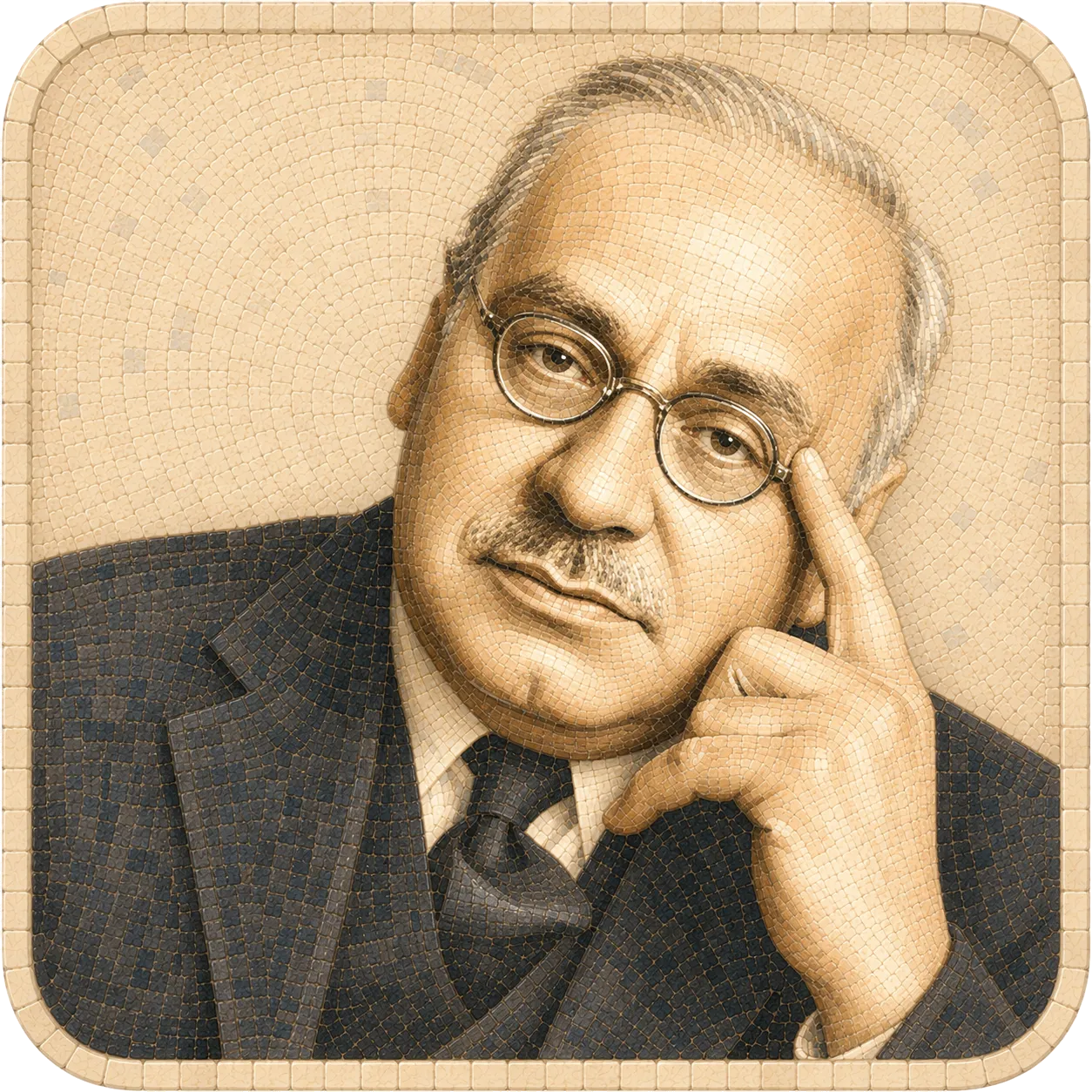
Alfred Adler
Individual Psychology Alfred Adler Centered striving and belonging.
Donald Winnicott
Object Relations Donald Winnicott There is no such thing as a baby — only a baby and someone
Anna Freud
Ego Psychology Anna Freud The mind's defenses, gently understood
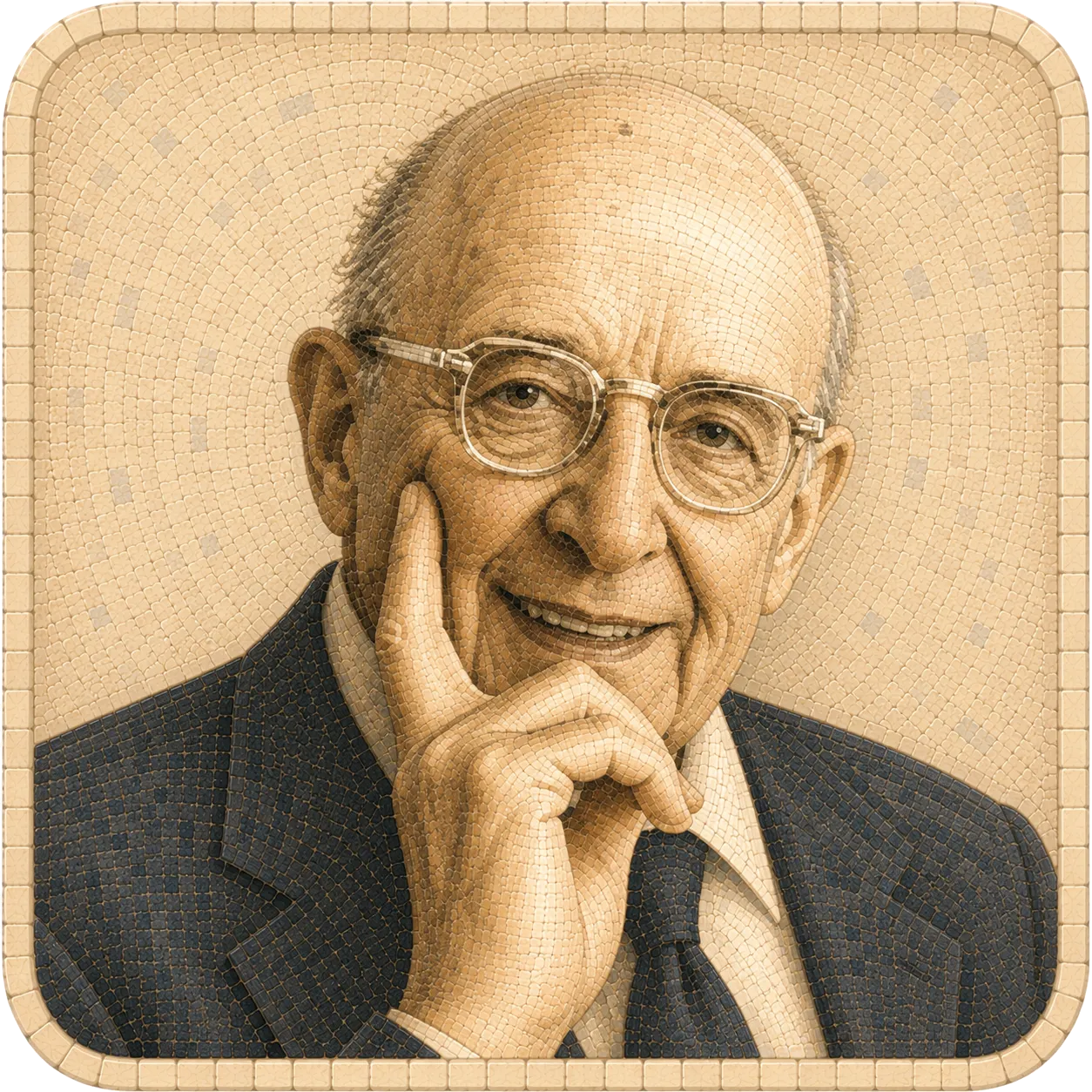
Carl Rogers
Humanistic Psychology Carl Rogers Trusted people to find their own way.
Erik Erikson
Psychosocial Development Erik Erikson Identity is the work of a lifetime
Mary Ainsworth
Attachment Theory Mary Ainsworth Measured how we learn to bond.
Lev Vygotsky
Sociocultural Theory Lev Vygotsky We learn first with others, then alone
Albert Bandura
Social Cognitive Theory Albert Bandura We become what we watch and believe we can do
John Bowlby
Attachment Theory John Bowlby Love is a need, not a weakness
Rollo May
Existential Psychology Rollo May Anxiety is the price of freedom
Erich Fromm
Humanistic Psychoanalysis Erich Fromm Love is an art we must learn
Kurt Lewin
Field Theory Kurt Lewin Behavior is the person and the situation
Leon Festinger
Cognitive Dissonance Theory Leon Festinger The mind seeks its own consistency
Solomon Asch
Social Psychology Solomon Asch The group can bend what we see
Stanley Milgram
Obedience Studies Stanley Milgram How ordinary people come to obey
Philip Zimbardo
Situationism Philip Zimbardo Good people, powerful situations
Gordon Allport
Trait Theory Gordon Allport The patterns that make a person
Max Wertheimer
Gestalt Theory Max Wertheimer The whole is more than its parts
Wolfgang Kohler
Insight Learning Wolfgang Kohler Understanding arrives in a flash
Ulric Neisser
Cognitive Psychology Ulric Neisser Study the mind in the world
Noam Chomsky
Generative Grammar Noam Chomsky Language is born, not just learned
Daniel Kahneman
Prospect Theory Daniel Kahneman Two minds, one fast, one slow
Amos Tversky
Prospect Theory Amos Tversky The frame shapes the choice
Elizabeth Loftus
Misinformation Effect Elizabeth Loftus Memory remembers, but also invents.
Martin Seligman
Positive Psychology Martin Seligman Studying what helps us flourish.
Carol Gilligan
Ethics Of Care Carol Gilligan Listening for the voice unheard.
William R. Miller
Motivational Interviewing William R. Miller Co-created motivational interviewing for behavior change.
Stephen Rollnick
Motivational Interviewing Stephen Rollnick Co-created a collaborative method for sparking change.

Bring it to your own life

Questions in this spirit

A technique is just a method until you turn it inward. Answer one.

All questions

From method to habit

Make Reflective Listening a few honest minutes a day.

Psipas turns the simplest of these techniques into a daily ritual — one question, one answer, a picture that grows.