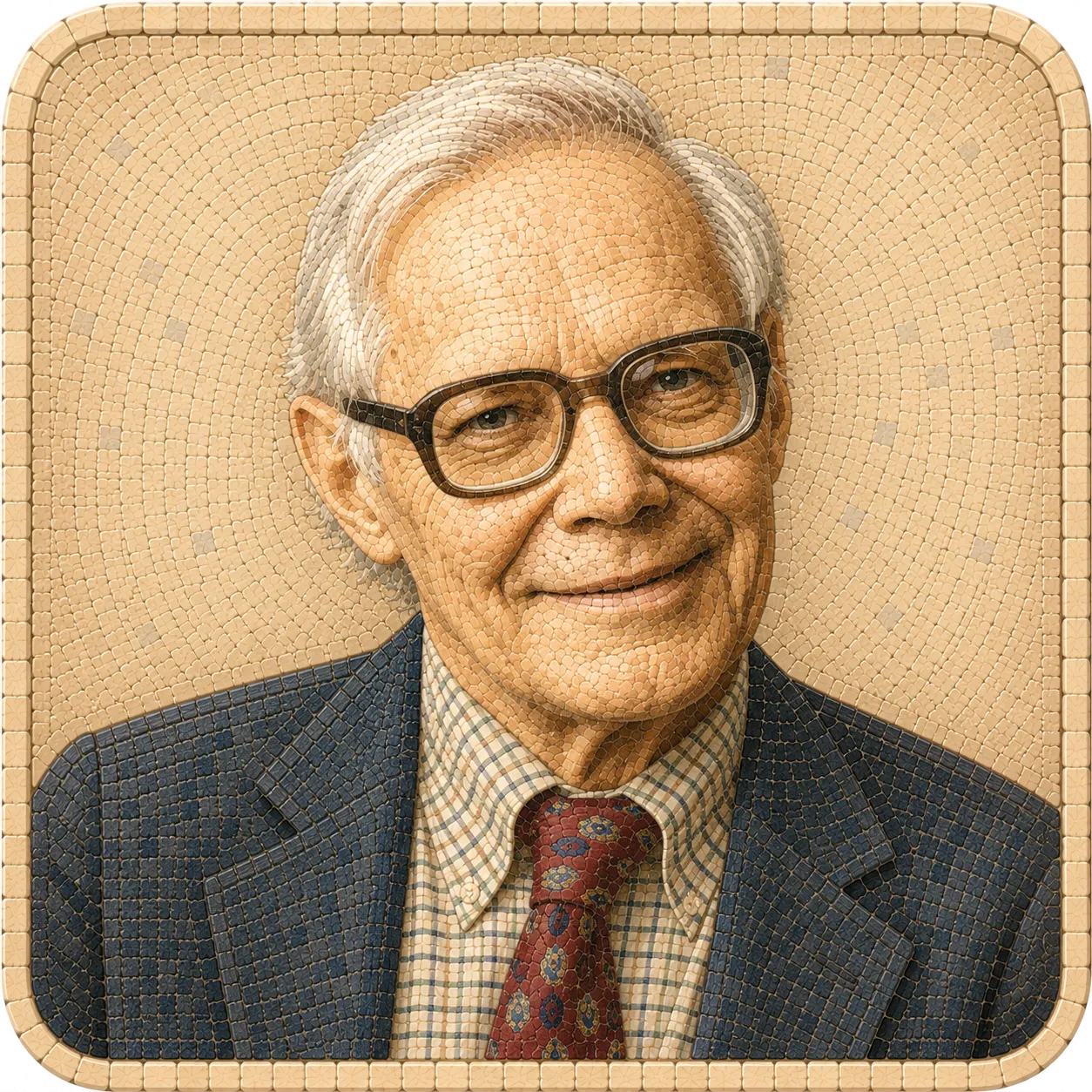
Ulric Neisser
Study the mind in the world
The psychologist who named cognitive psychology, then urged it to leave the laboratory.
techniques
Cognition is best understood where it happens — in everyday life.
Who they were
Ulric Neisser gave the emerging study of perception, memory, and thought both a textbook and a name with his 1967 book Cognitive Psychology. Yet he grew uneasy with research that explained tidy lab tasks but ignored ordinary life, and he called instead for ecological validity — studying cognition as it actually unfolds. He gathered real-world cases of memory, from eyewitness accounts to childhood recollections, to test theory against lived experience. His push toward everyday cognition reshaped how the field saw its own purpose.
Famous books
What they left on the shelf
Terms they cared about
Ideas worth knowing
Their techniques
How the work was done
Their big idea
Cognitive Psychology
Ulric Neisser helped name and shape the study of how we perceive, remember, and make sense of the world. He later urged that this work stay honest to real life, studying memory as it actually behaves outside the laboratory.
Questions in their spirit
What they’d ask you
Sit with one. Answer online, or in the app.

Carry the idea forward
Neisser — What they’d ask you
Psipas asks you one small, honest question at a time — and builds the picture from your answers.