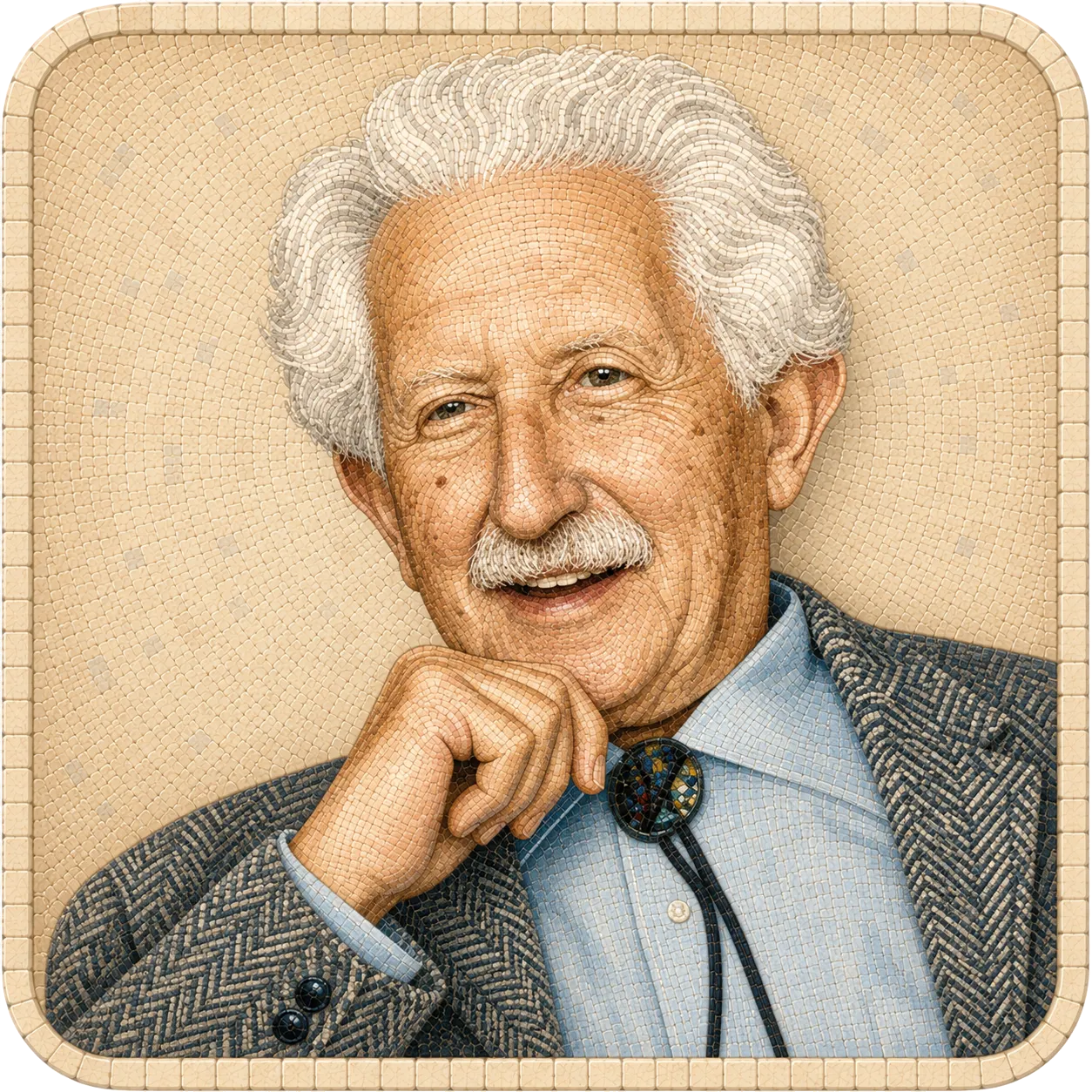
Erik Erikson
Identity is the work of a lifetime
A developmental theorist who mapped the human life as a series of emotional turning points, from infancy to old age.
techniques
Identity is never finished; it is renewed at every stage of life.
Who they were
Erik Erikson reimagined Freud's stages as a journey that runs the whole length of a life, not just childhood. He proposed eight psychosocial stages, each posing a question — trust or mistrust, intimacy or isolation, integrity or despair — that a person must work through in their own time. His writing on the "identity crisis" gave ordinary language a way to name the search for who we are, especially in adolescence. Trained partly through observing children and writing psychological biographies of figures like Luther and Gandhi, he showed that inner growth and the surrounding culture are always shaping each other.
Famous books
What they left on the shelf
Terms they cared about
Ideas worth knowing
Their big idea
Psychosocial Development
Erik Erikson described life as a sequence of eight stages, each turning on a central tension such as trust against mistrust or, in adolescence, identity against confusion. How we meet each challenge shapes the self we carry into the next.
Questions in their spirit
What they’d ask you
Sit with one. Answer online, or in the app.

Carry the idea forward
Erikson — What they’d ask you
Psipas asks you one small, honest question at a time — and builds the picture from your answers.