Why it works
Naming an experience changes it. Writing slows the rush of feeling, makes the vague specific, and leaves a record to look back on — which is how patterns become visible and growth becomes legible.
Writing to think — putting the inner weather into words on a page, so what's tangled can untangle and move.
Why it works
Naming an experience changes it. Writing slows the rush of feeling, makes the vague specific, and leaves a record to look back on — which is how patterns become visible and growth becomes legible.
How it's done
A few moves that carry the method — in a therapy room, or in small ways, on your own.
Tonight, answer one honest question on paper — Psipas asks you a new one each day.
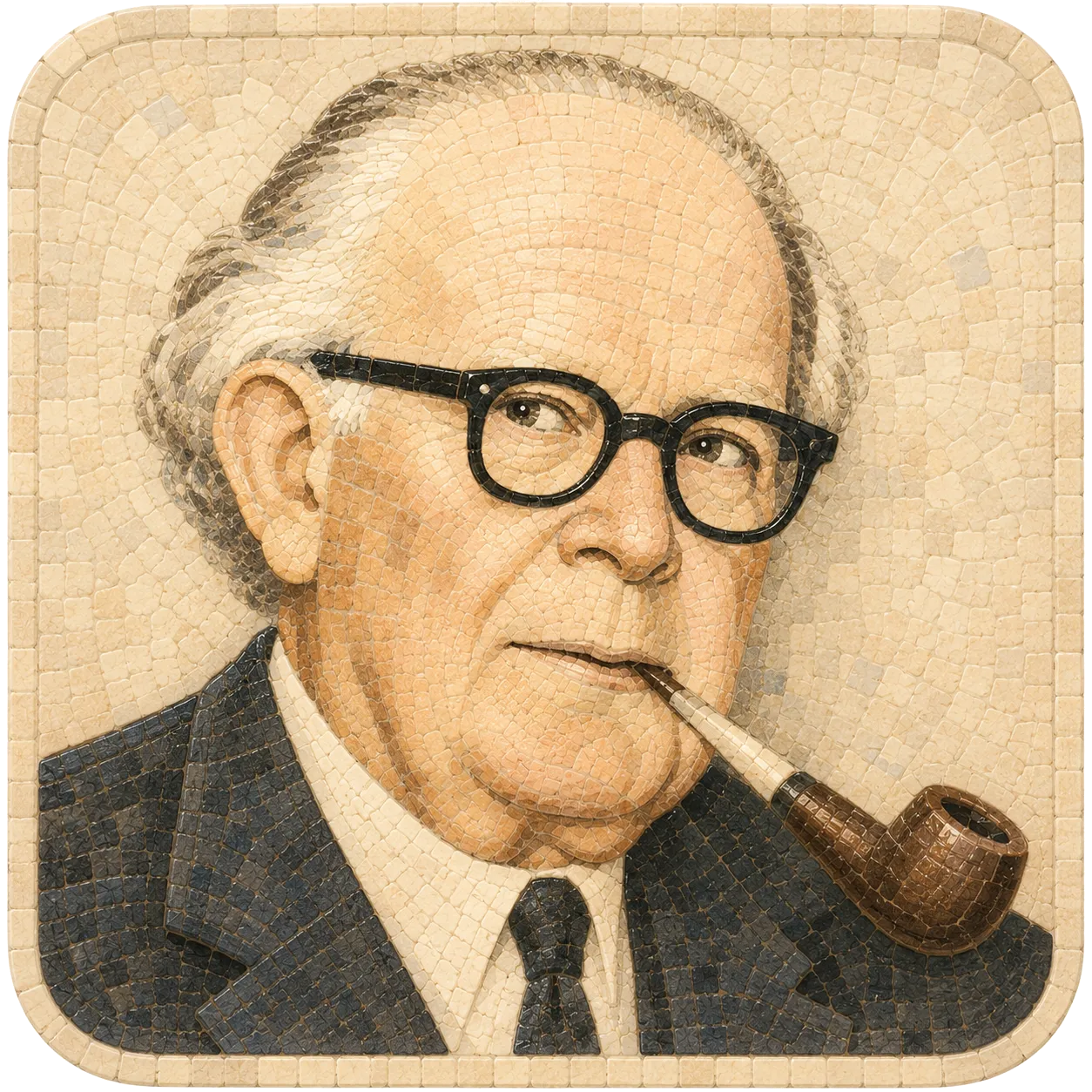
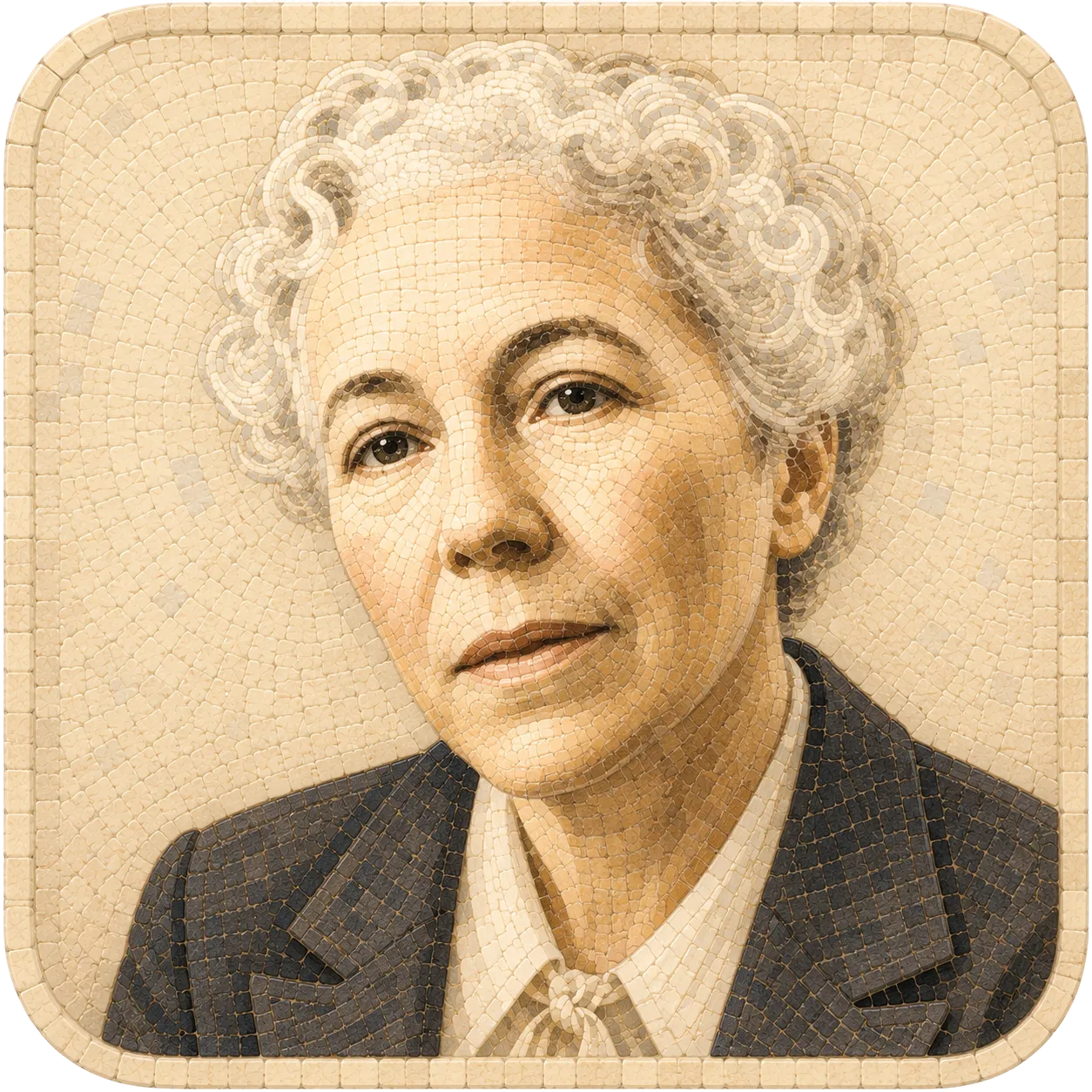
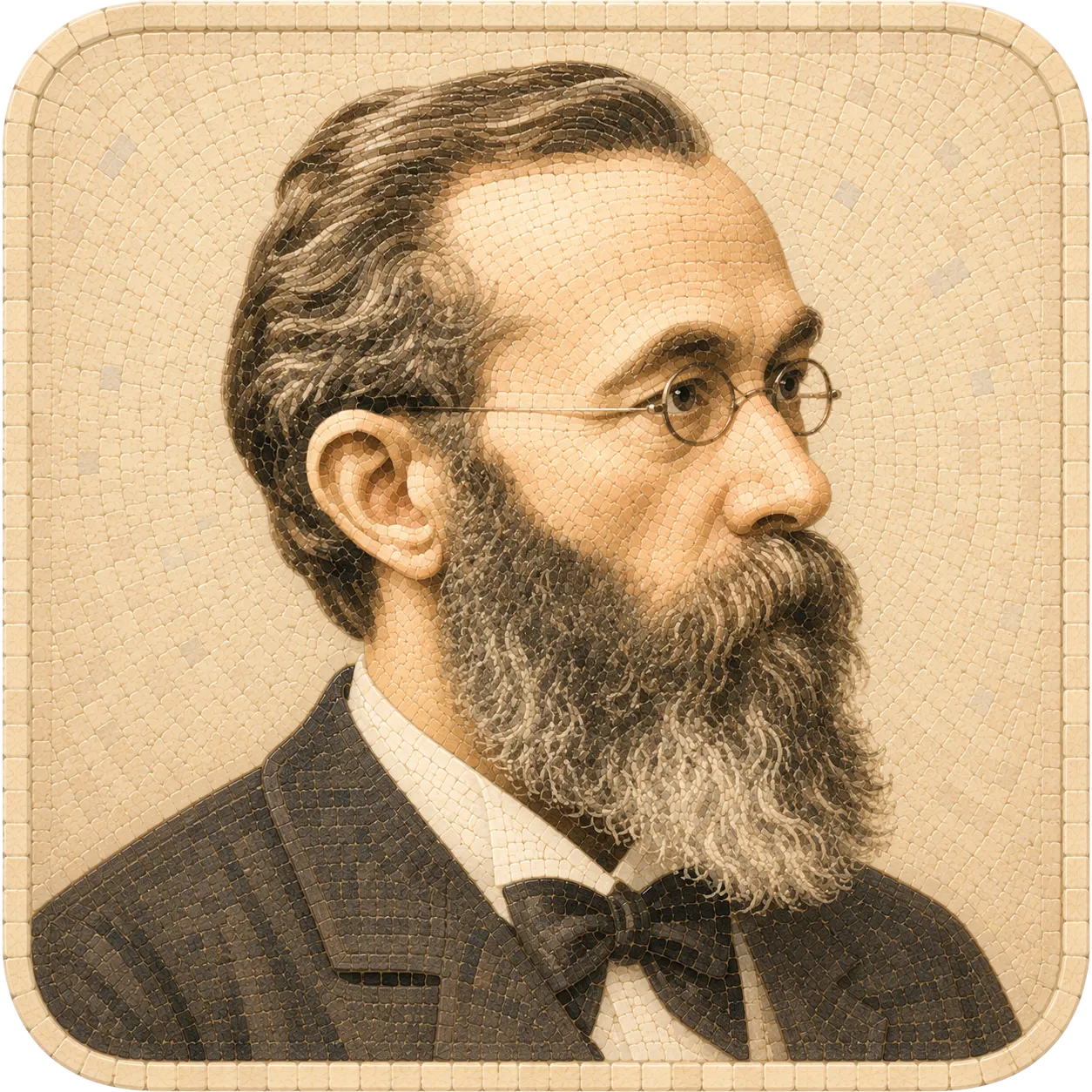
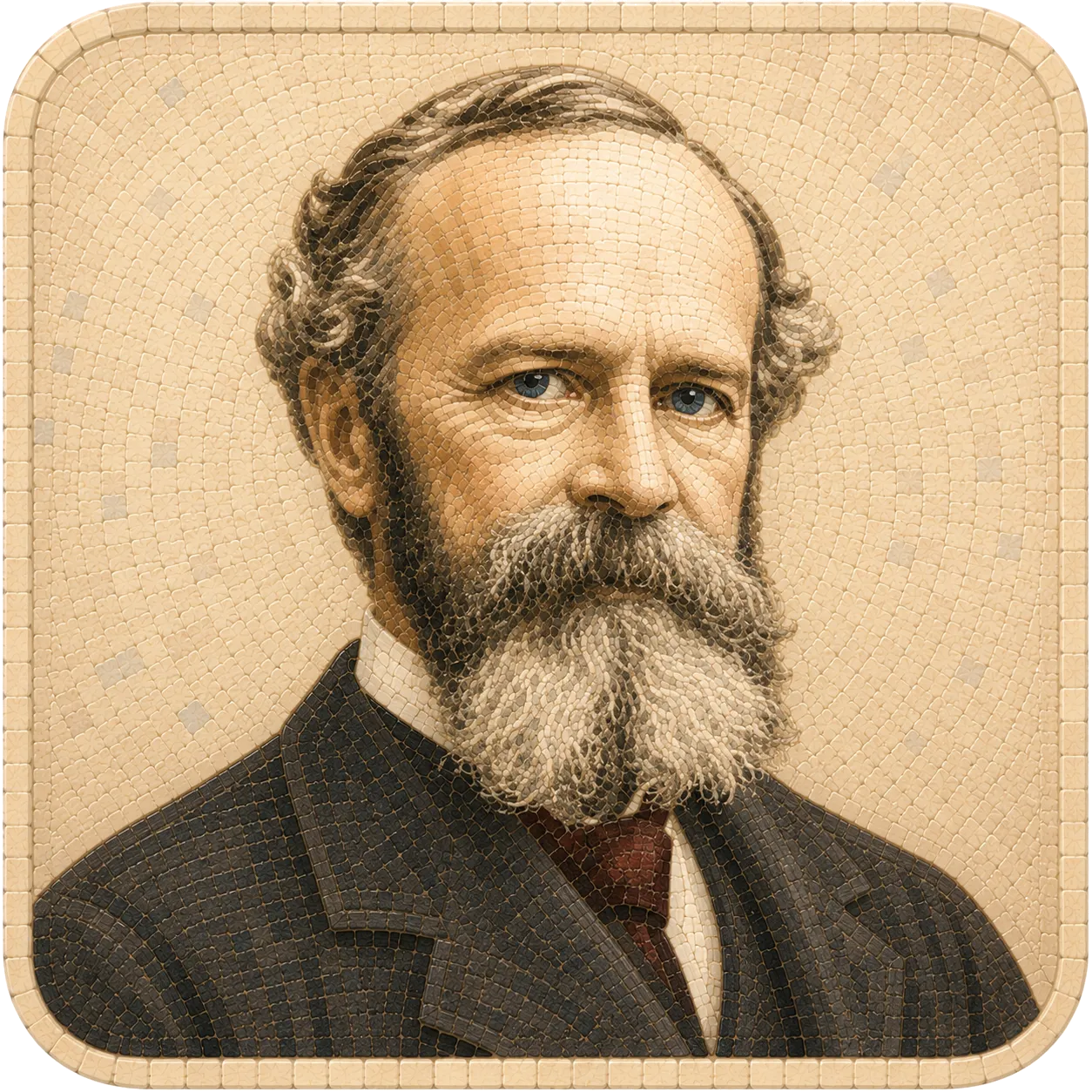
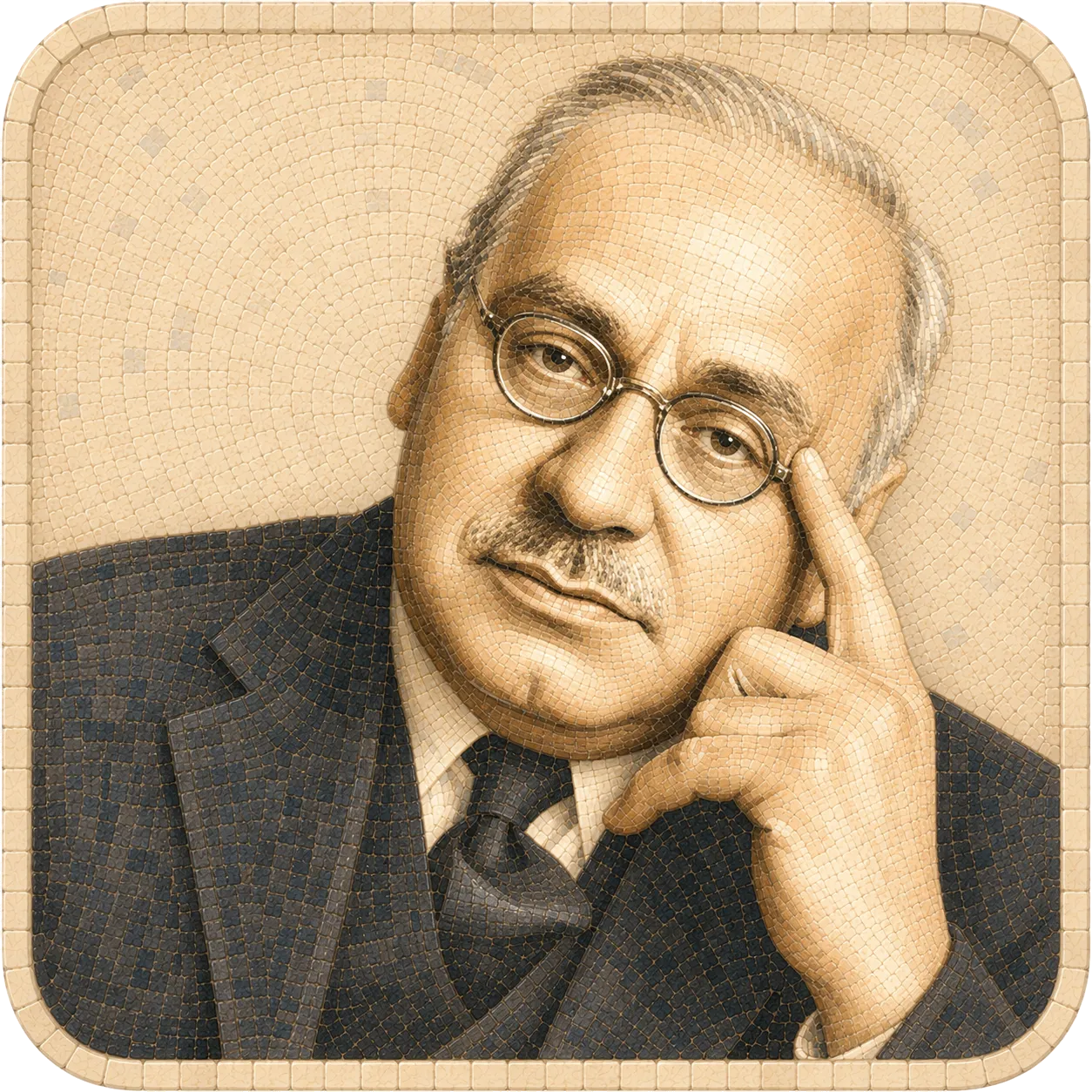
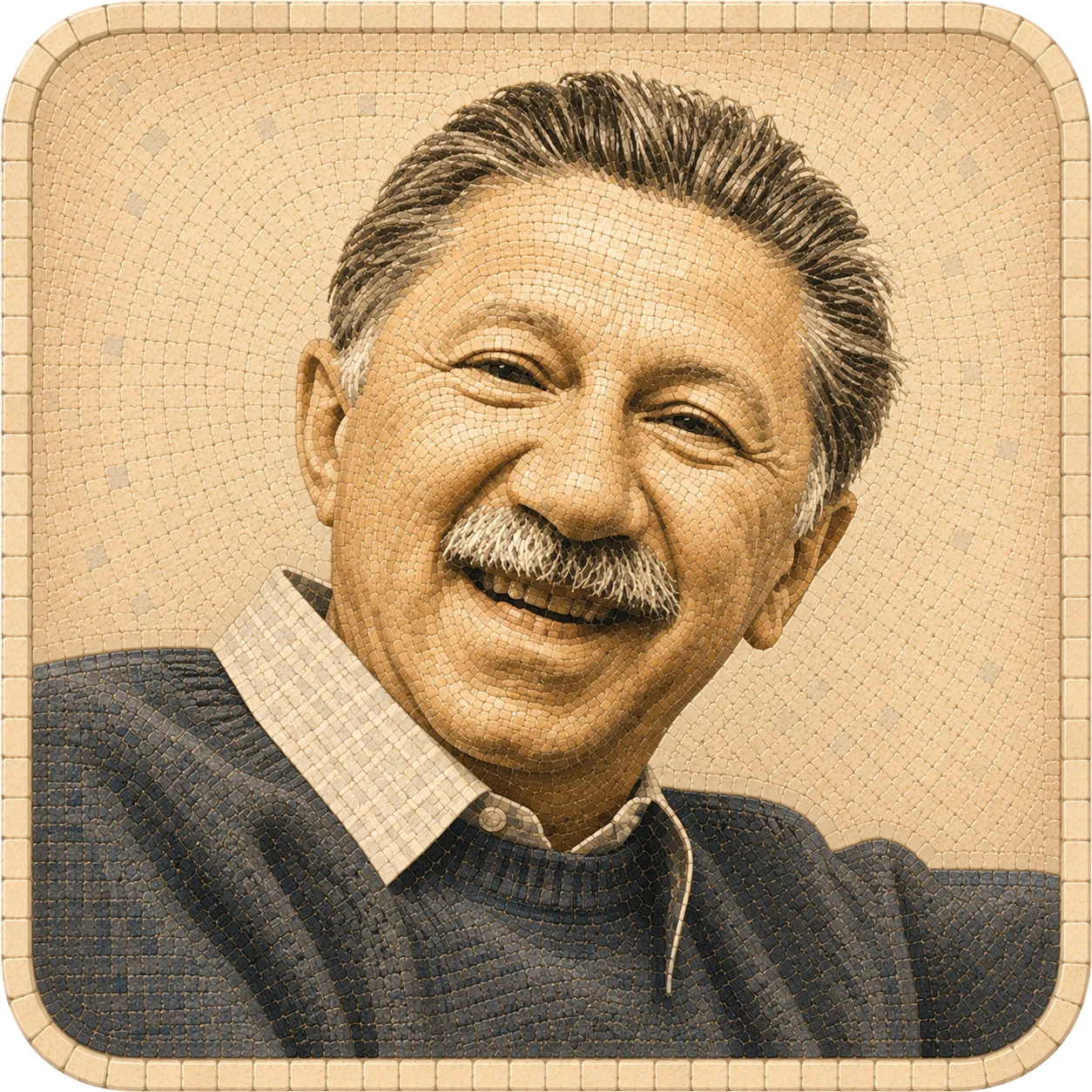
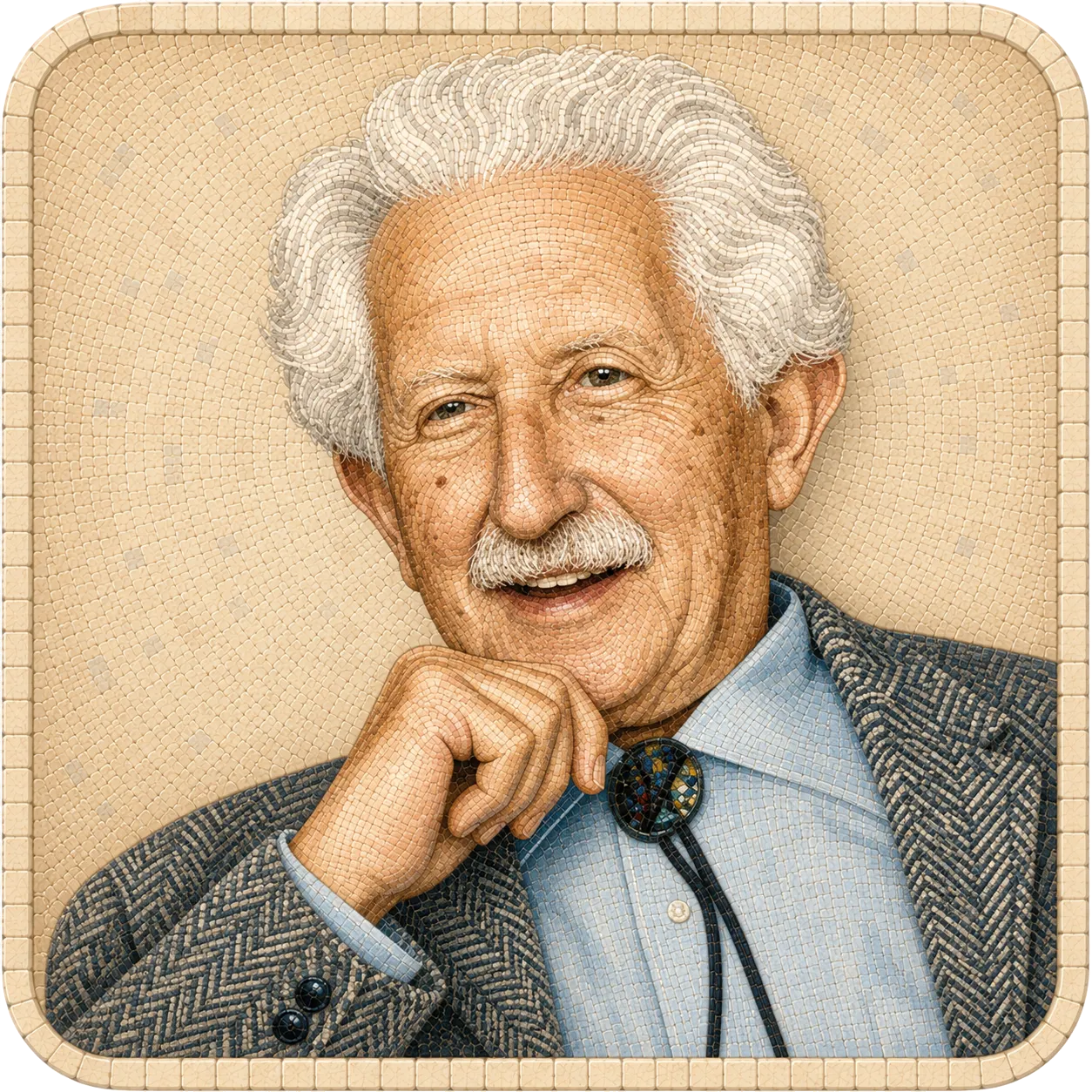
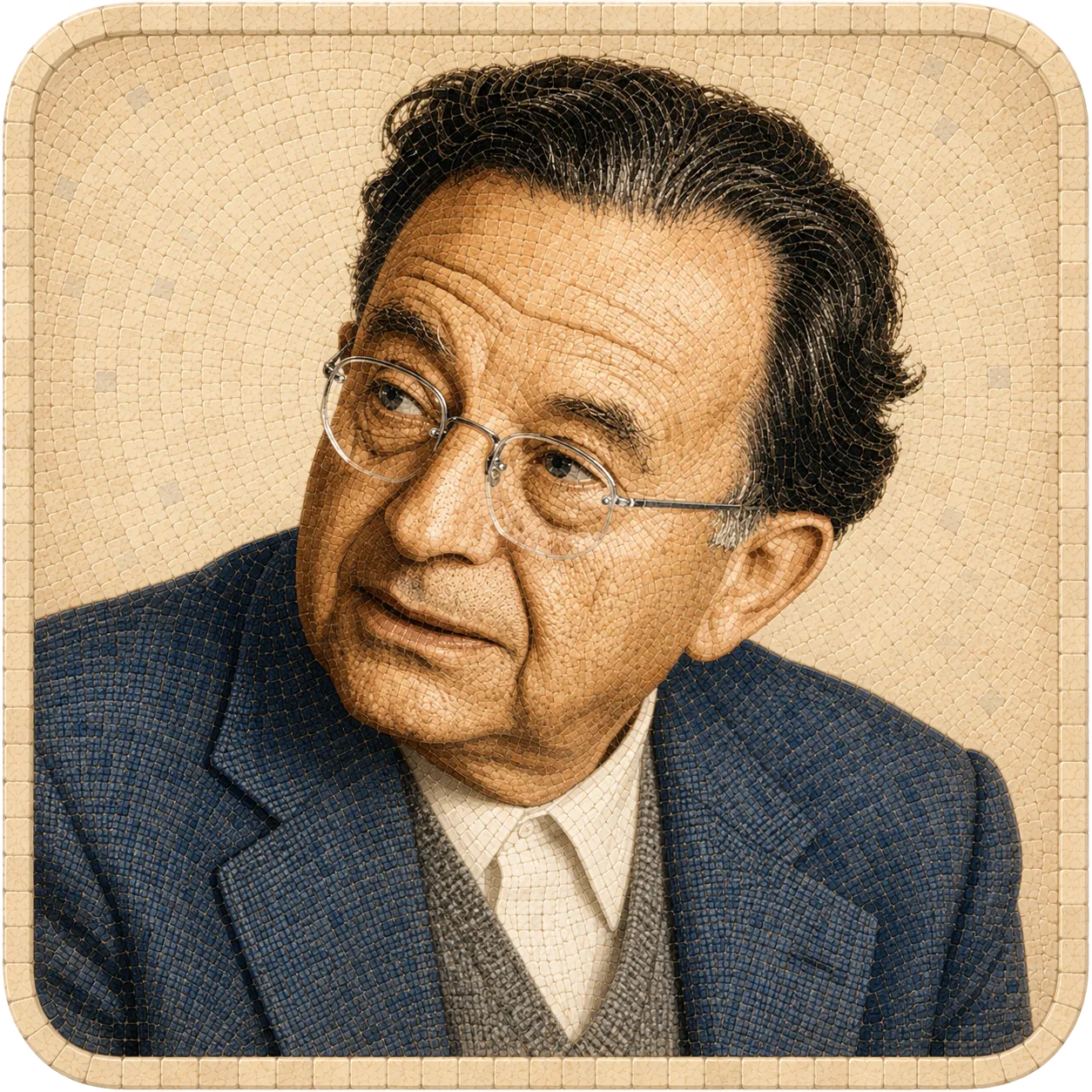
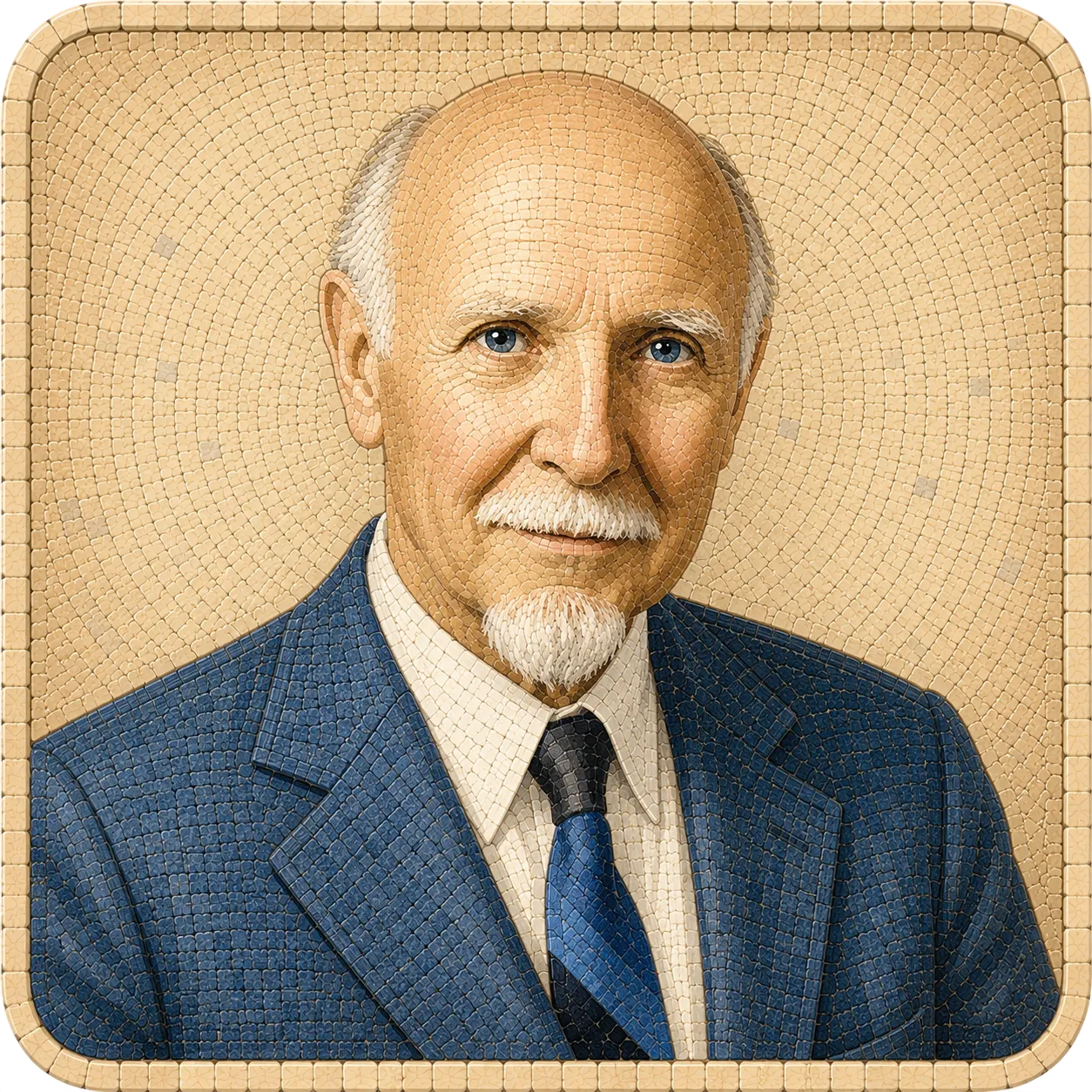
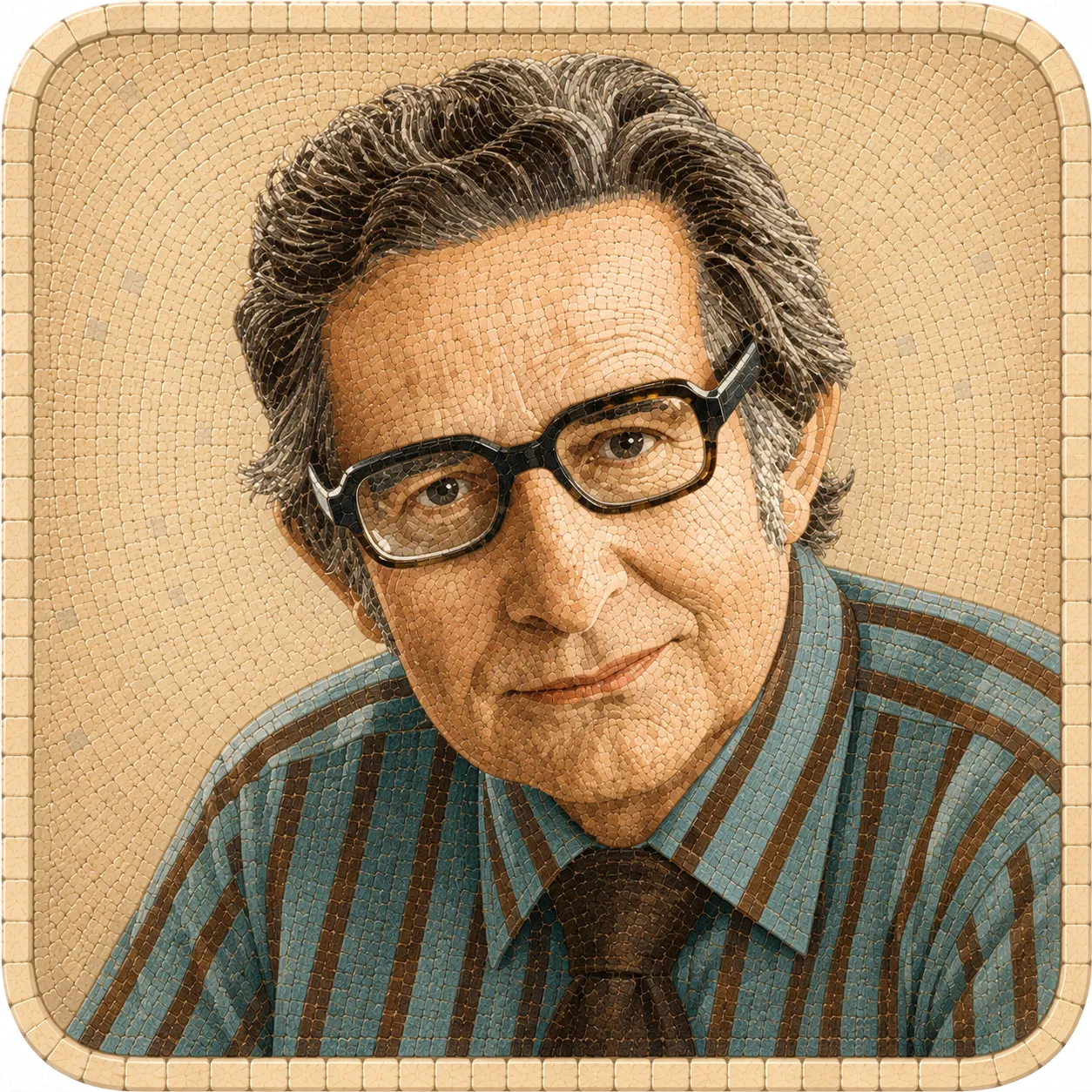
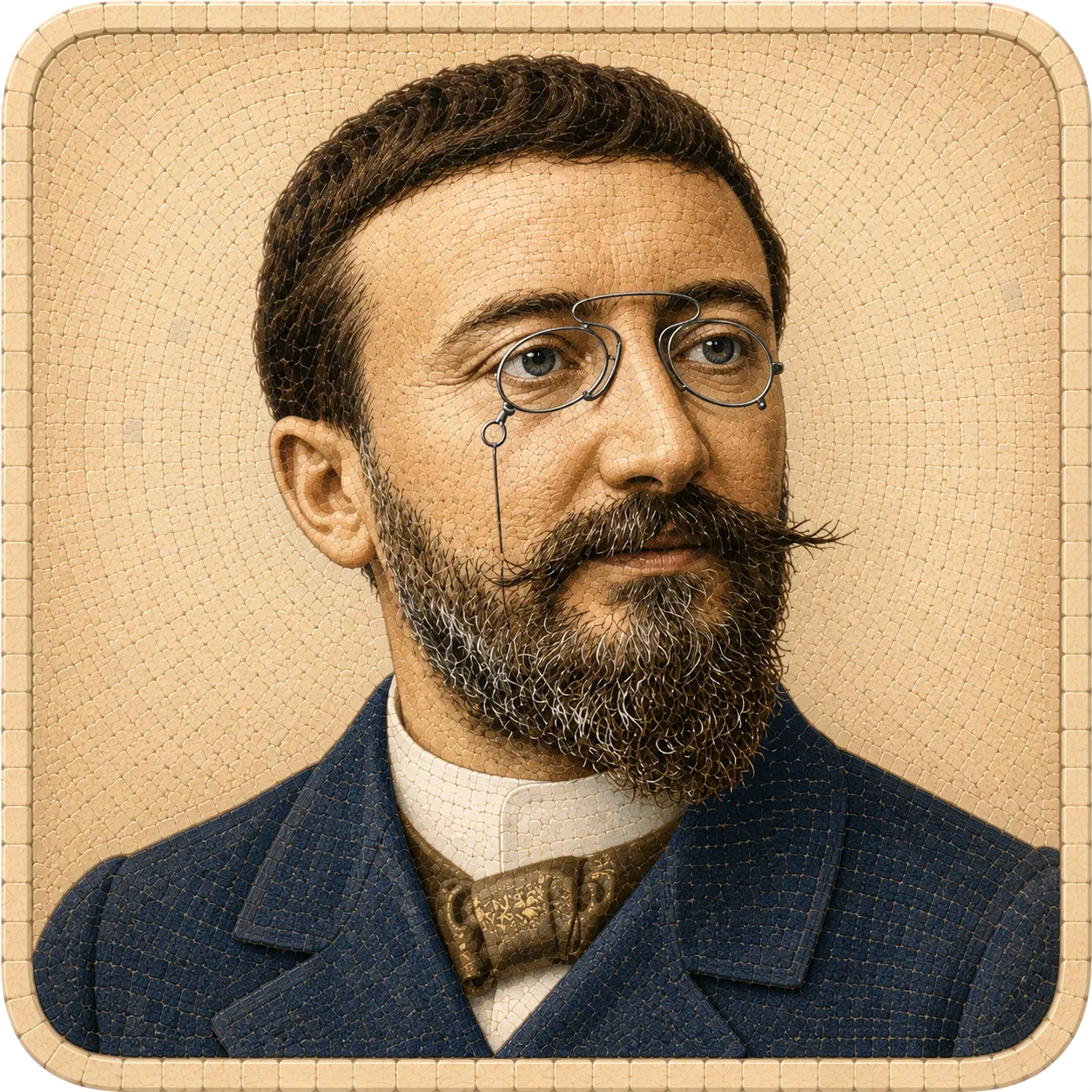
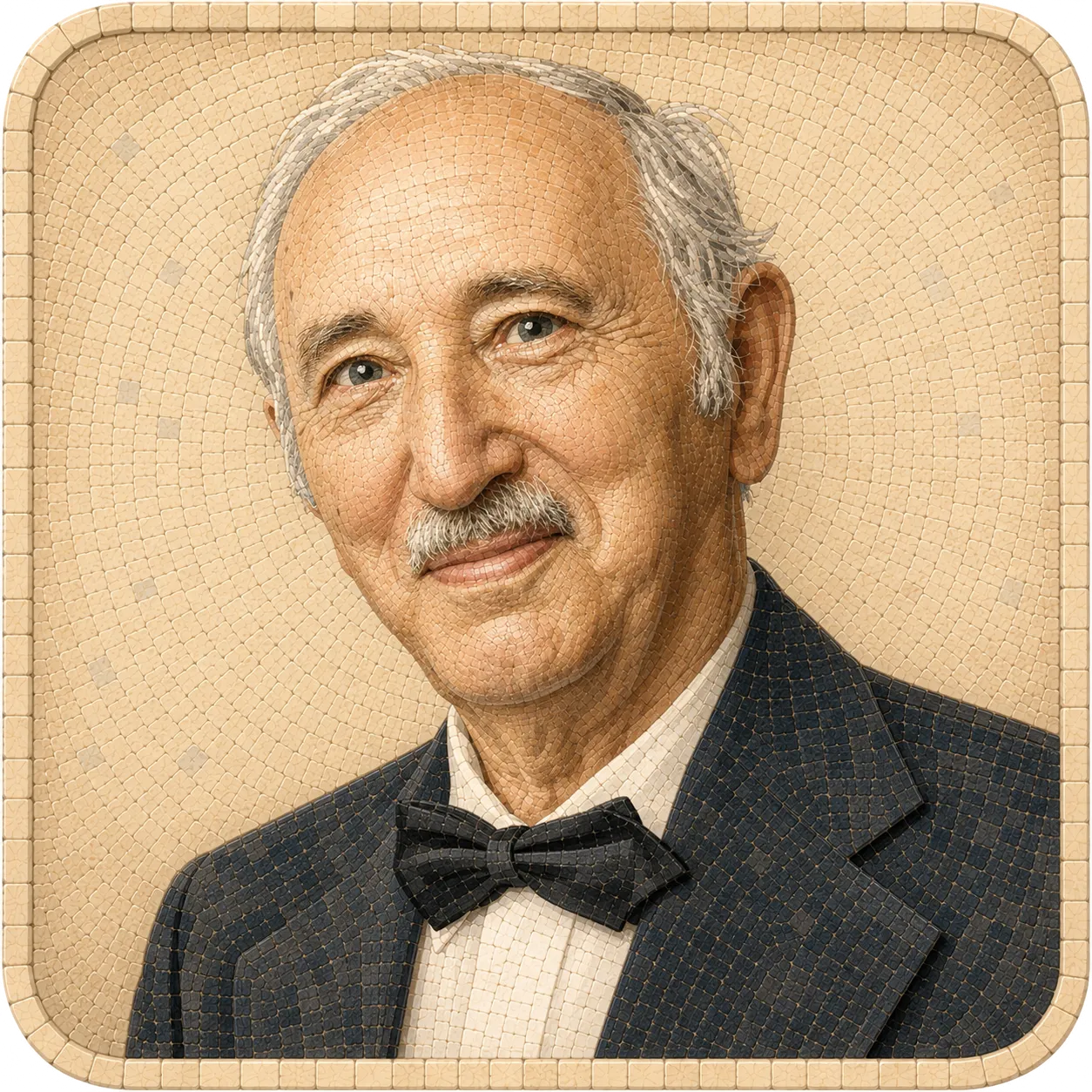
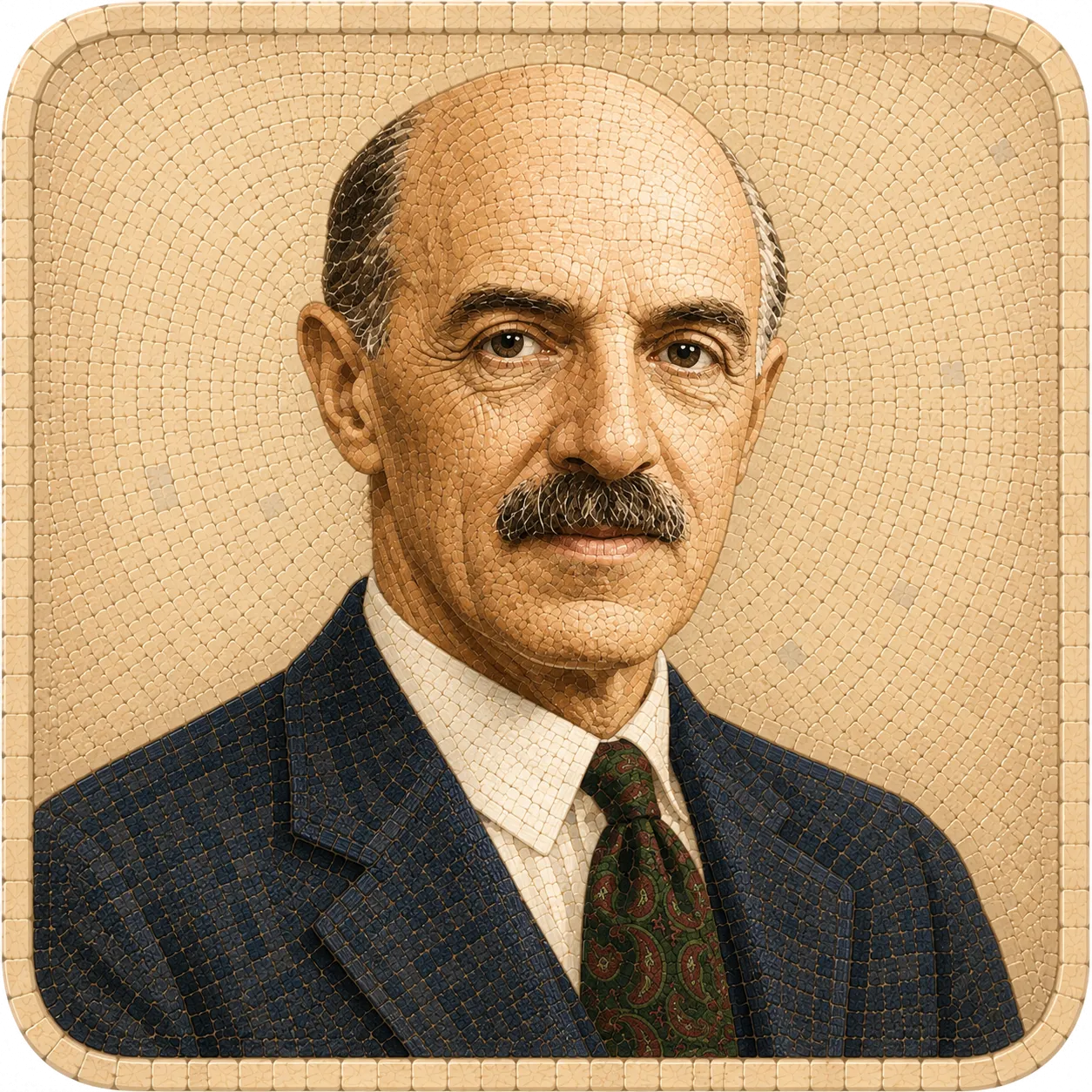
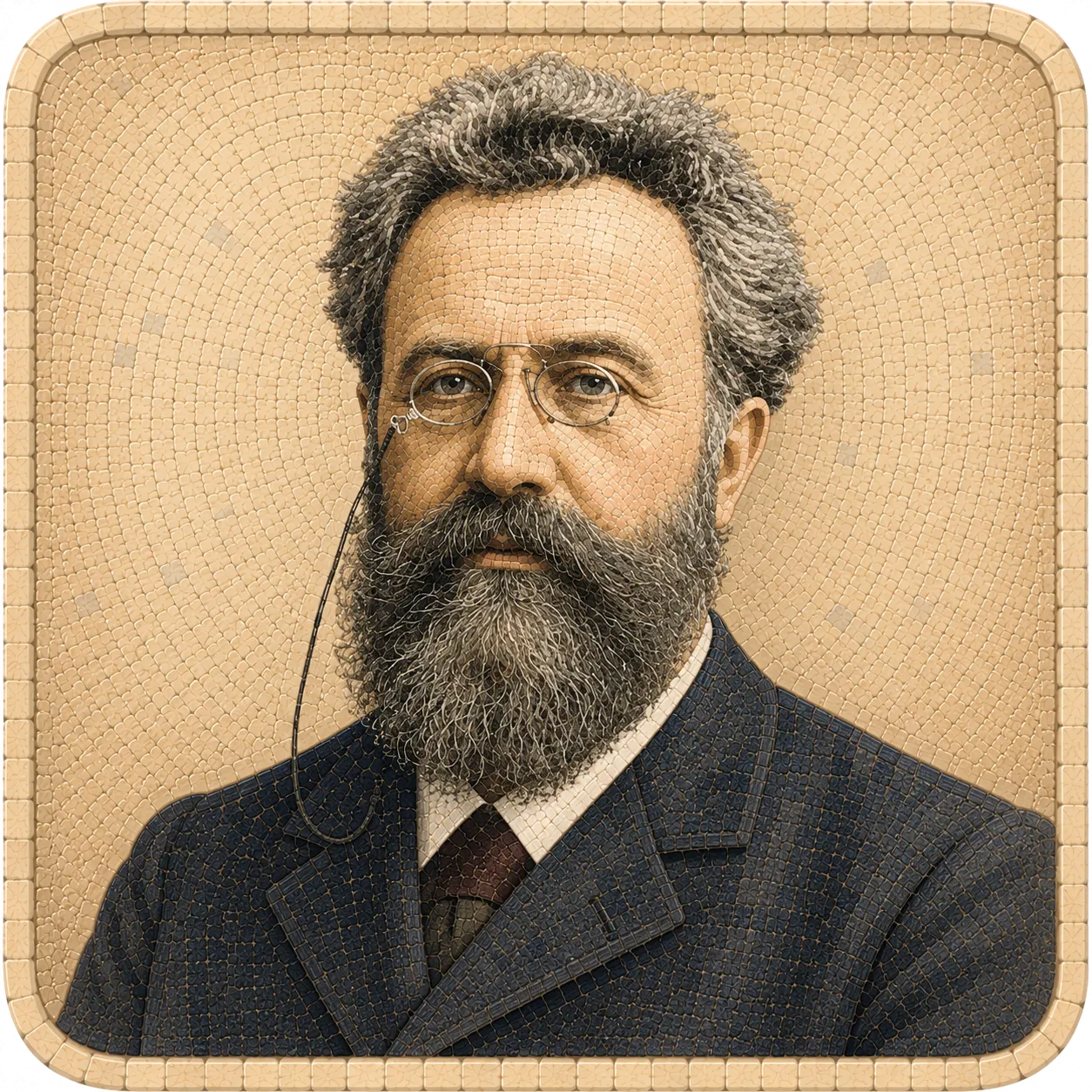
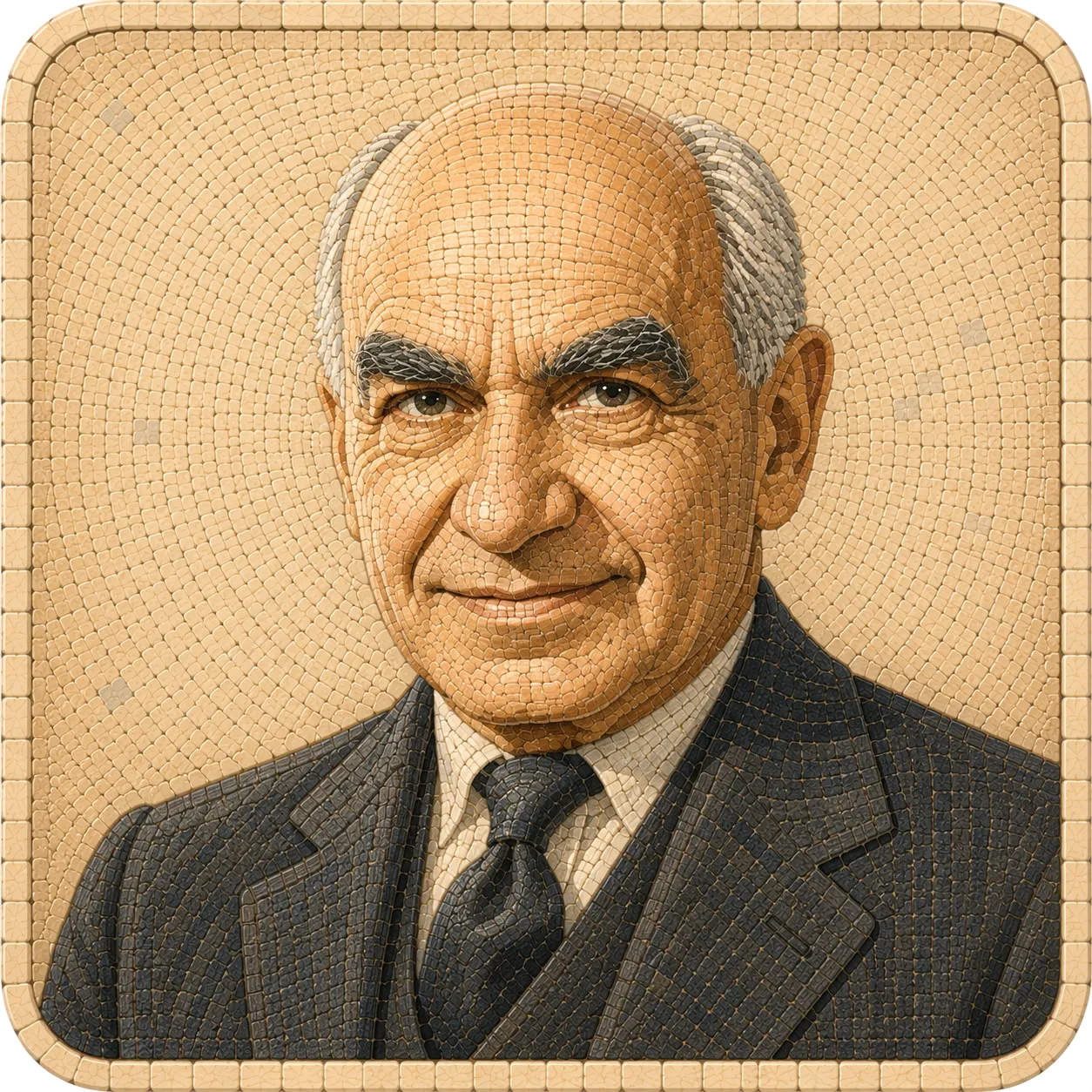
Who shaped it





Bring it to your own life
A technique is just a method until you turn it inward. Answer one.


From method to habit
Psipas turns the simplest of these techniques into a daily ritual — one question, one answer, a picture that grows.