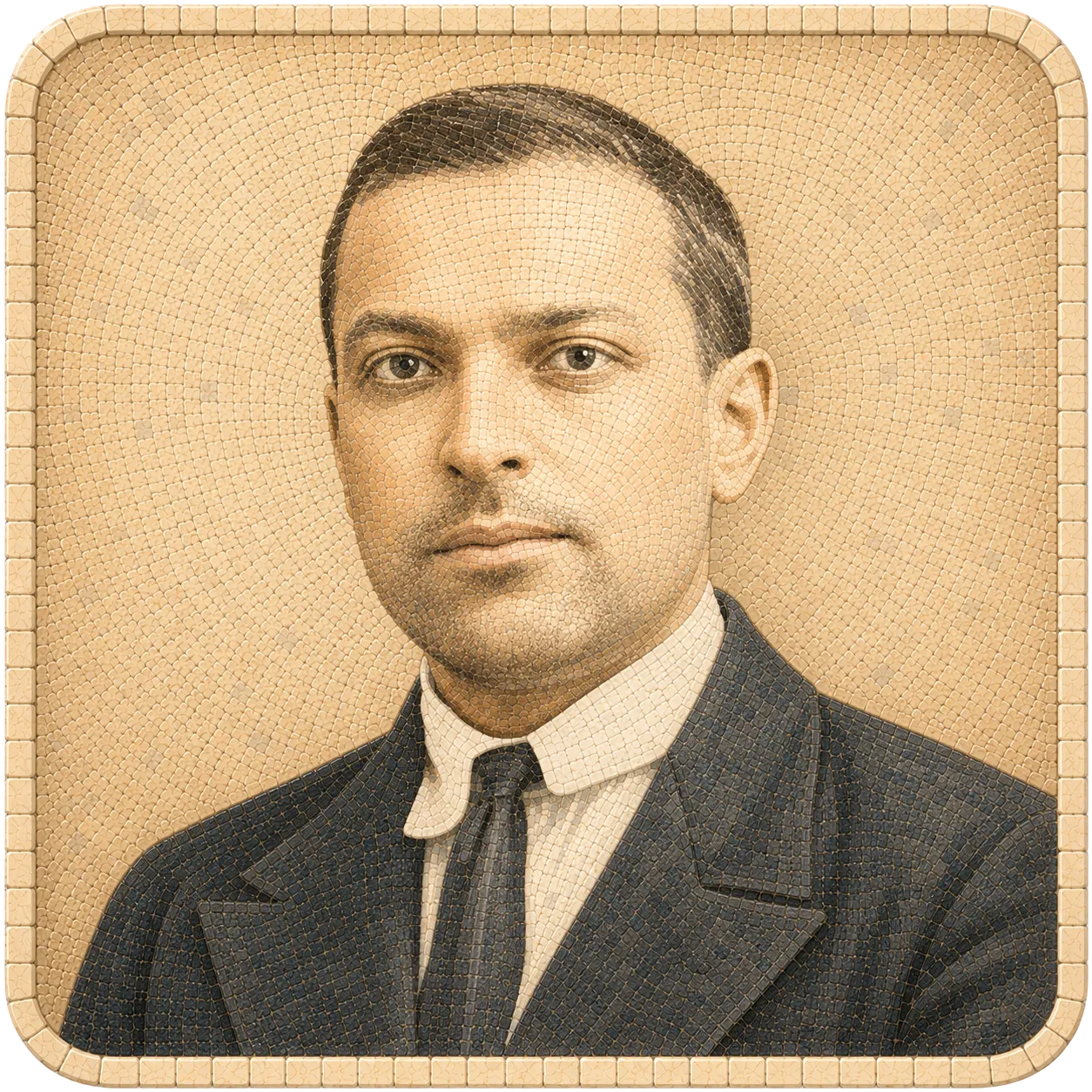
Lev Vygotsky
We learn first with others, then alone
A Soviet psychologist who argued that thinking begins in conversation and culture before it ever becomes private.
techniques
What a child can do with help today, she can do alone tomorrow.
Who they were
Lev Vygotsky believed that a child's mind is built through relationships — that what we can first do with a guiding hand, we later learn to do by ourselves. He named the space between what a learner manages alone and what they manage with help the "zone of proximal development," an idea that still shapes how teachers think about learning. He saw language not just as a way to express thought but as the very tool by which thought takes form. Though he died at thirty-seven, his work, long suppressed and later rediscovered, reframed development as a deeply social act.
Famous books
What they left on the shelf
Terms they cared about
Ideas worth knowing
Their techniques
How the work was done
Their big idea
Sociocultural Theory
Lev Vygotsky argued that we learn first with others and only later on our own, with language and culture handing us the tools for thought. A child reaches further when guided by a more capable partner, working in the space just beyond what they could manage alone.
Questions in their spirit
What they’d ask you
Sit with one. Answer online, or in the app.

Carry the idea forward
Vygotsky — What they’d ask you
Psipas asks you one small, honest question at a time — and builds the picture from your answers.