Why it works
Avoidance keeps fear alive by never letting it be disproved. Facing it in graded doses teaches the nervous system, through experience rather than argument, that the danger isn't what it predicted.
Approaching what you fear in small, planned steps — staying long enough each time for the fear to fall on its own.
Why it works
Avoidance keeps fear alive by never letting it be disproved. Facing it in graded doses teaches the nervous system, through experience rather than argument, that the danger isn't what it predicted.
How it's done
A few moves that carry the method — in a therapy room, or in small ways, on your own.
Name one thing you've been avoiding, break it into five steps, and take the smallest one this week.
Where it lives
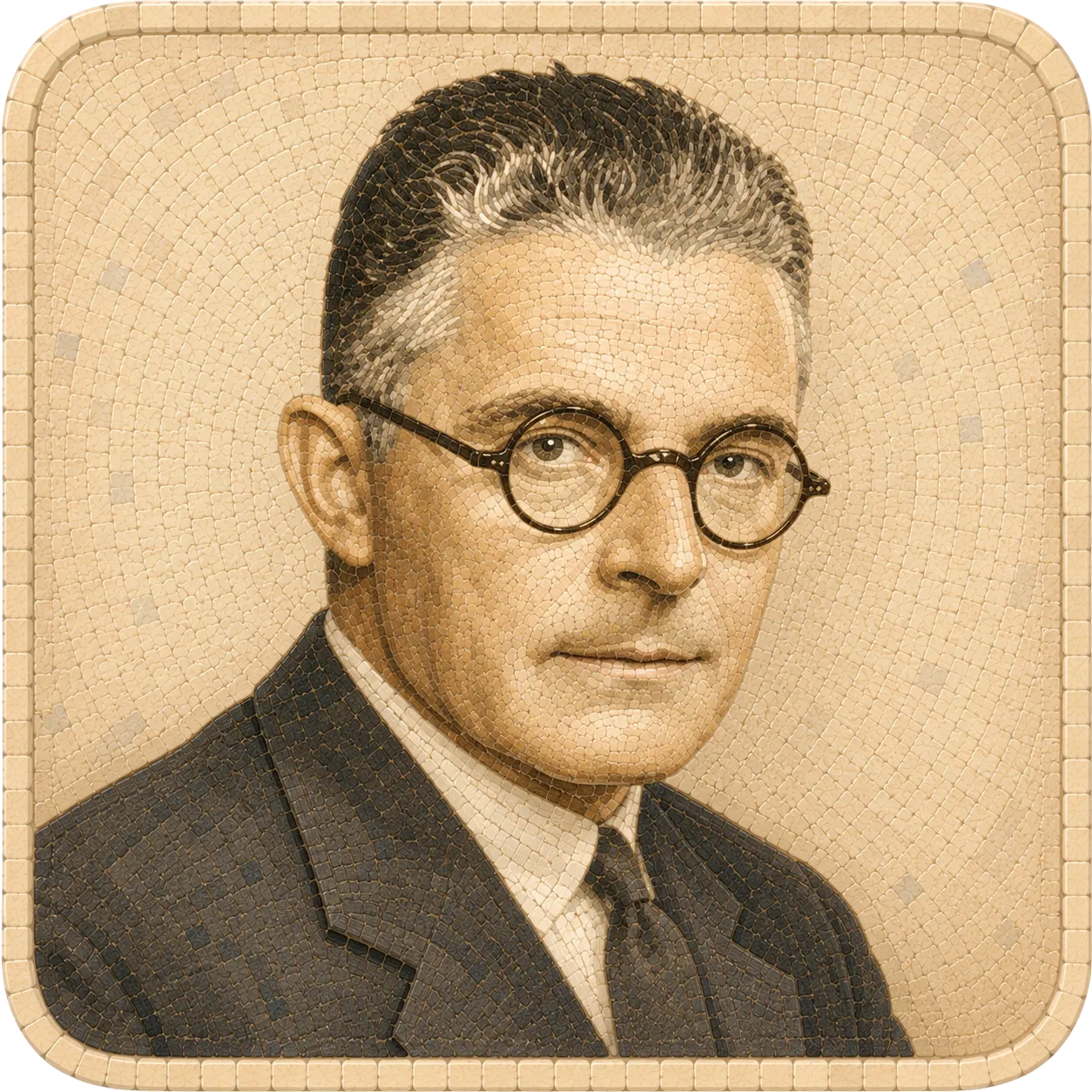
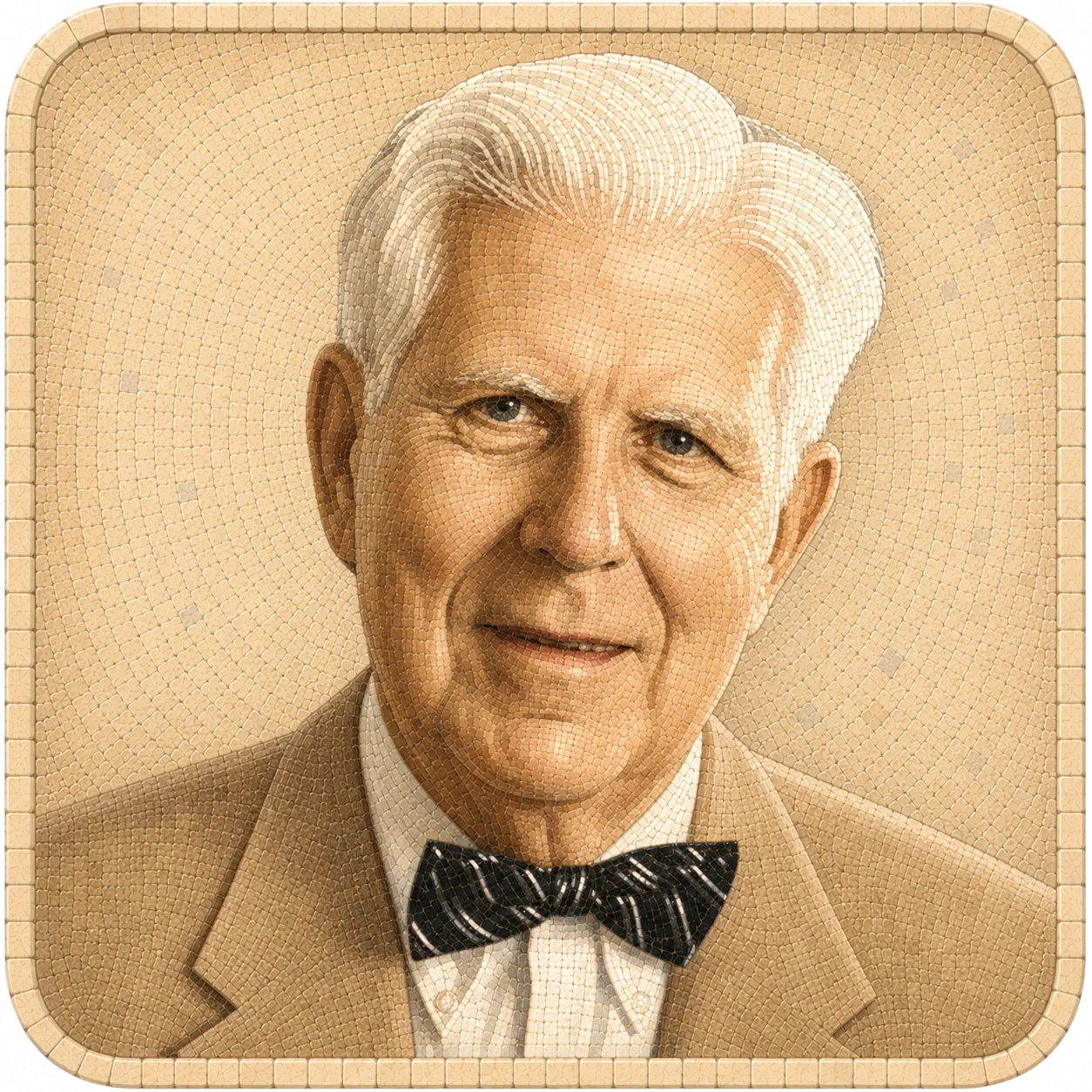
Who shaped it
Bring it to your own life
A technique is just a method until you turn it inward. Answer one.


From method to habit
Psipas turns the simplest of these techniques into a daily ritual — one question, one answer, a picture that grows.