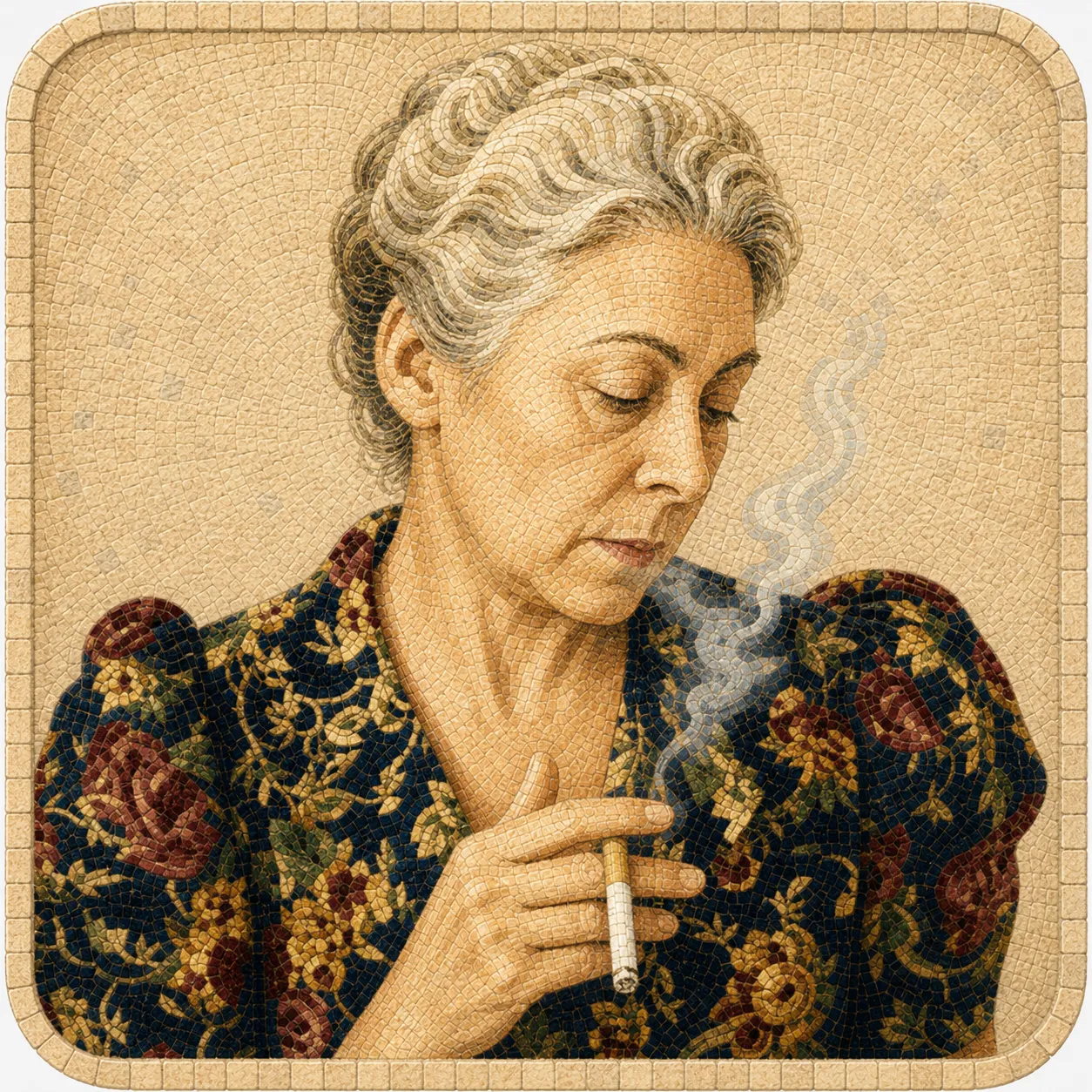
Toni Wolff
Mapped four ways of being a woman.
Analyst and theorist who described four structural forms of the feminine psyche, and taught at the Zurich Institute from its founding.
techniques
The medial woman is immersed in the psychic atmosphere of her time.
Who they were
Toni Wolff came to Jung as a patient at twenty-two and became, within a few years, a formidable analyst and theorist in her own right. Her lasting contribution is a map of four structural forms of the feminine psyche — the Mother, who nurtures; the Hetaira, who relates to the individual person; the Amazon, self-contained and oriented to her own achievement; and the Medial Woman, porous to the currents of her time. She meant them not as types to be sorted into but as forms that dominate and recede across a life. She helped found the Psychology Club of Zurich, served as its president, and taught at the C. G. Jung Institute from its opening in 1948. Her long relationship with Jung, conducted with Emma Jung's difficult knowledge, is the reason her work was left out of the official histories for decades.
Famous books
What they left on the shelf
Terms they cared about
Ideas worth knowing
Their big idea
Analytical Psychology
Carl Jung held that beneath the personal mind lies a deeper layer shared across humanity, peopled by ancient images he called archetypes. Growing whole means facing the parts of ourselves we'd rather not see, the shadow, and slowly becoming who we truly are.
The approach they founded
Analytical (Jungian) Therapy
A journey toward wholeness through symbols, dreams and the integration of the shadow.
Questions in their spirit
What they’d ask you
Sit with one. Answer online, or in the app.


Carry the idea forward
Wolff — What they’d ask you
Psipas asks you one small, honest question at a time — and builds the picture from your answers.