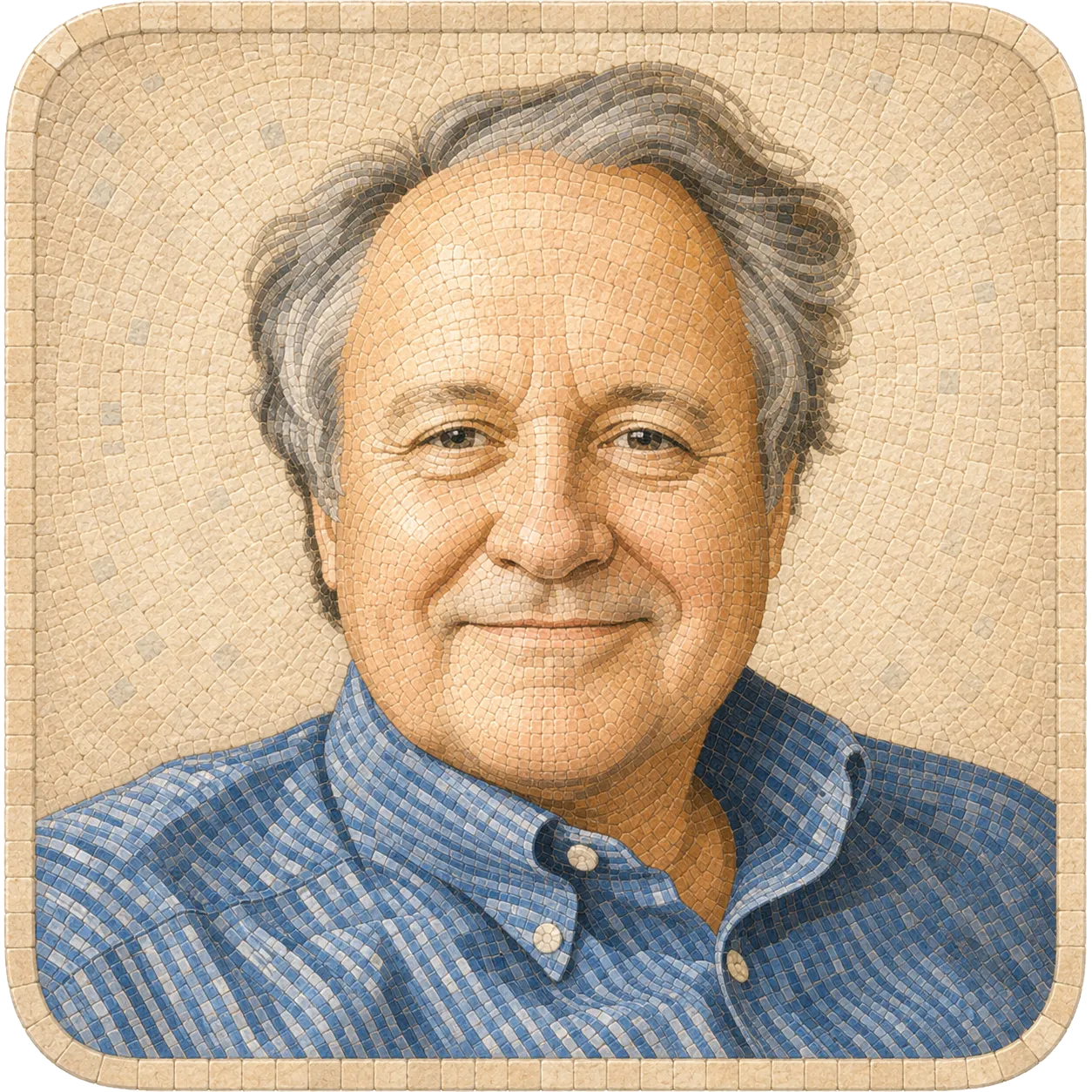
Donald Kalsched
Showed how the psyche defends itself too well.
Analyst who described the inner system that protects a traumatized child — and then keeps protecting long after the danger has passed.
techniques
The very defenses that saved us in childhood become the jailers of our adult life.
Who they were
Donald Kalsched's work begins with a paradox he met repeatedly in practice: the defences that save a child during unbearable experience become, in adulthood, the very thing that keeps life out. He calls this the self-care system — an inner protector, often appearing in dreams as a violent or tyrannical figure, that shatters experience before it can overwhelm, and afterwards attacks any new hope or intimacy that might risk a second wounding. By reading these figures as archetypal rather than merely pathological, he built the clearest bridge between Jungian thought and modern trauma and dissociation research, and gave clinicians a way to work with the protector rather than against it.
Famous books
What they left on the shelf
Terms they cared about
Ideas worth knowing
Their big idea
The Developmental School
Michael Fordham found a whole self already present in infancy, growing by opening out to the world and gathering back in. Donald Kalsched later traced what happens when that process meets trauma — bringing analytical psychology into conversation with attachment and dissociation research.
The approach they founded
Analytical (Jungian) Therapy
A journey toward wholeness through symbols, dreams and the integration of the shadow.
Questions in their spirit
What they’d ask you
Sit with one. Answer online, or in the app.


Carry the idea forward
Kalsched — What they’d ask you
Psipas asks you one small, honest question at a time — and builds the picture from your answers.