Why it works
Dreams speak in pictures, not sentences. The same scene can carry a wish, a fear and a memory at once. Unfolding it patiently turns a strange night-image into something the waking self can actually use.
Treating a dream as a coded message from the deeper self, and unfolding it slowly — image by image — rather than reading it at face value.
Why it works
Dreams speak in pictures, not sentences. The same scene can carry a wish, a fear and a memory at once. Unfolding it patiently turns a strange night-image into something the waking self can actually use.
How it's done
A few moves that carry the method — in a therapy room, or in small ways, on your own.
Tomorrow morning, write down the first dream-image you remember and one sentence on the feeling it left behind.
Where it lives
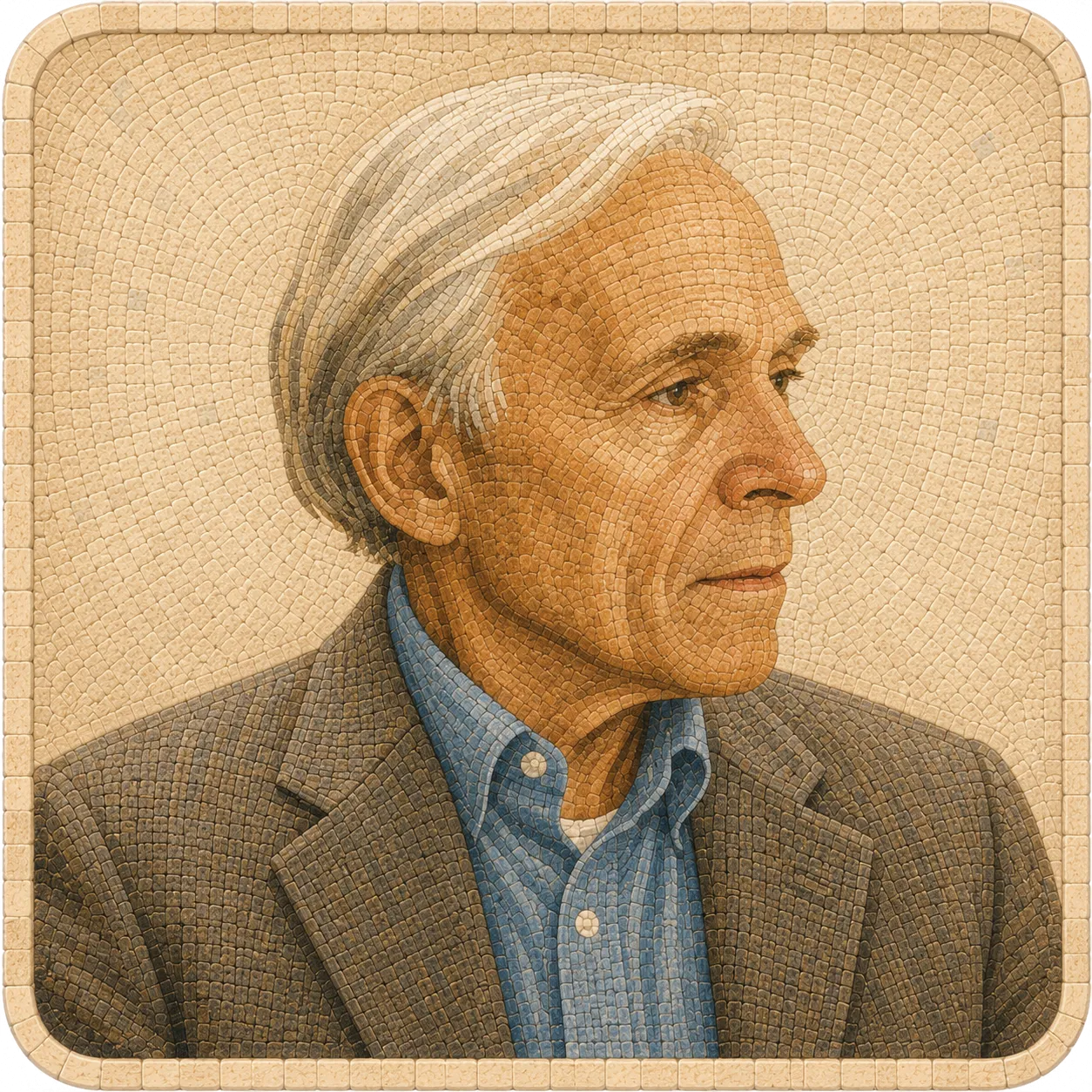
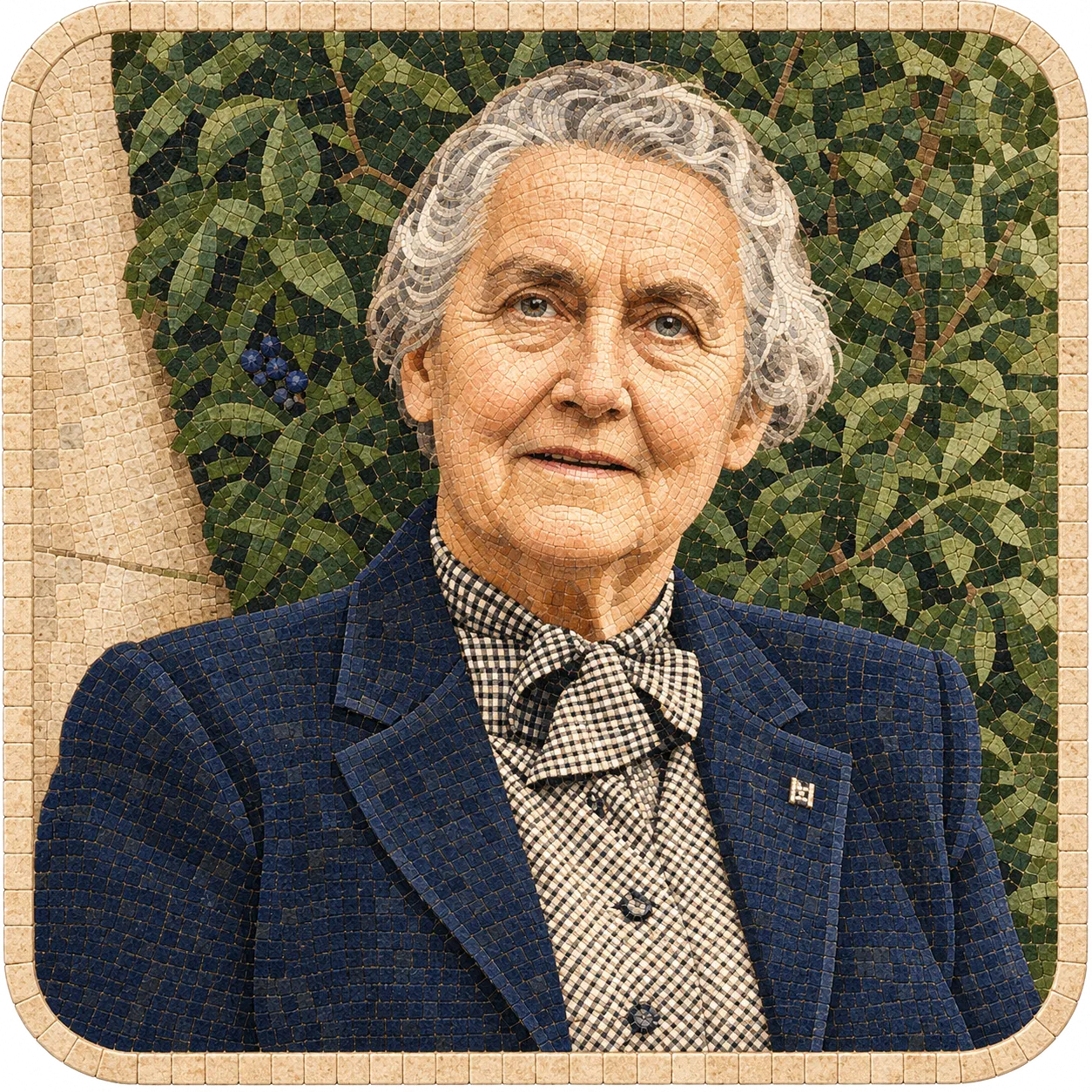
Who shaped it





Bring it to your own life
A technique is just a method until you turn it inward. Answer one.
From method to habit
Psipas turns the simplest of these techniques into a daily ritual — one question, one answer, a picture that grows.


