Why it works
Jung found that the inner figures we usually dismiss have something to say. Engaging them consciously — rather than being run by them — is how the disowned parts of a person get a seat at the table.
Entering a daydream on purpose and letting its figures take on a life of their own — then meeting and questioning them, awake.
Why it works
Jung found that the inner figures we usually dismiss have something to say. Engaging them consciously — rather than being run by them — is how the disowned parts of a person get a seat at the table.
How it's done
A few moves that carry the method — in a therapy room, or in small ways, on your own.
Close your eyes for three minutes and let one image appear. Ask it a single question — and wait to see what it does.
Where it lives
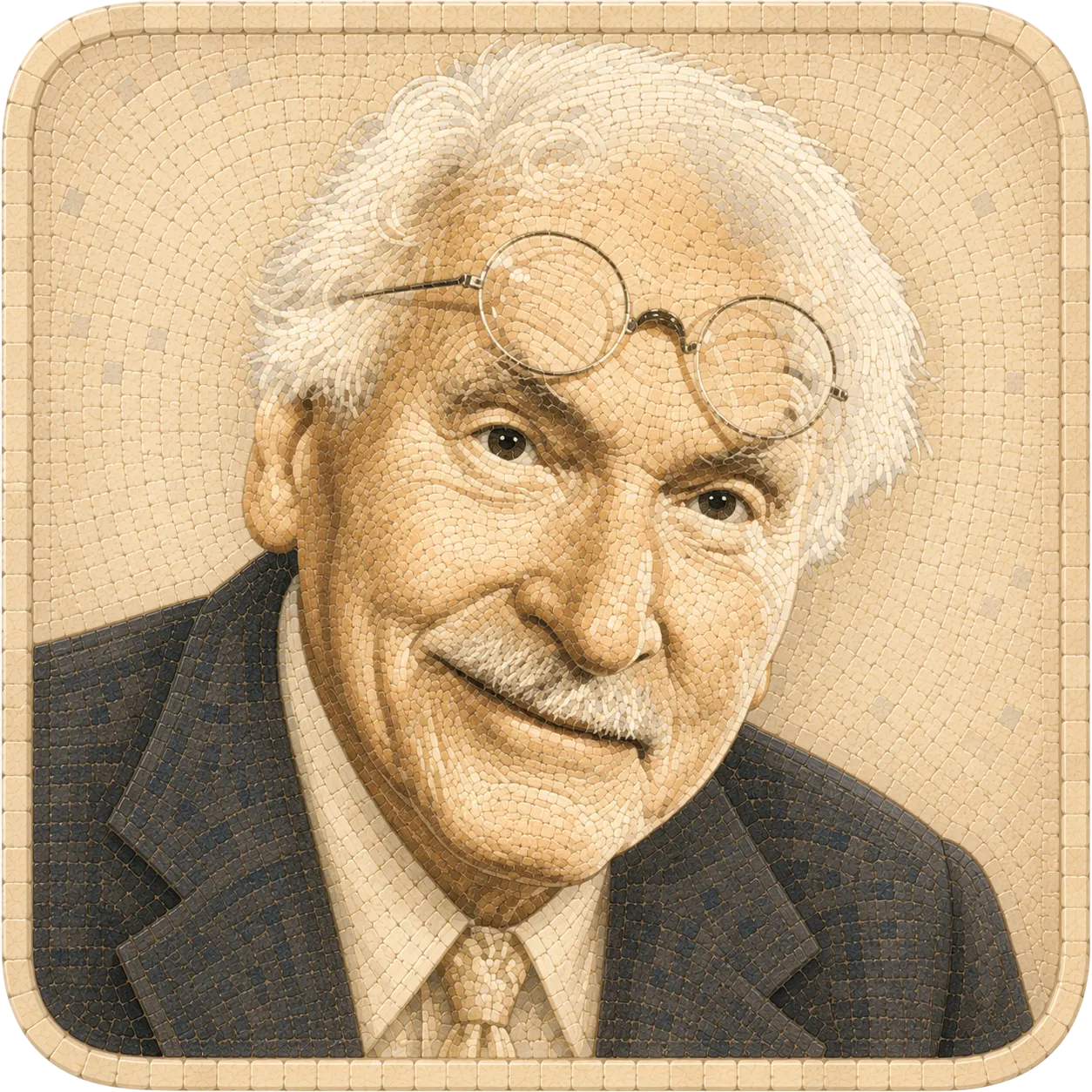
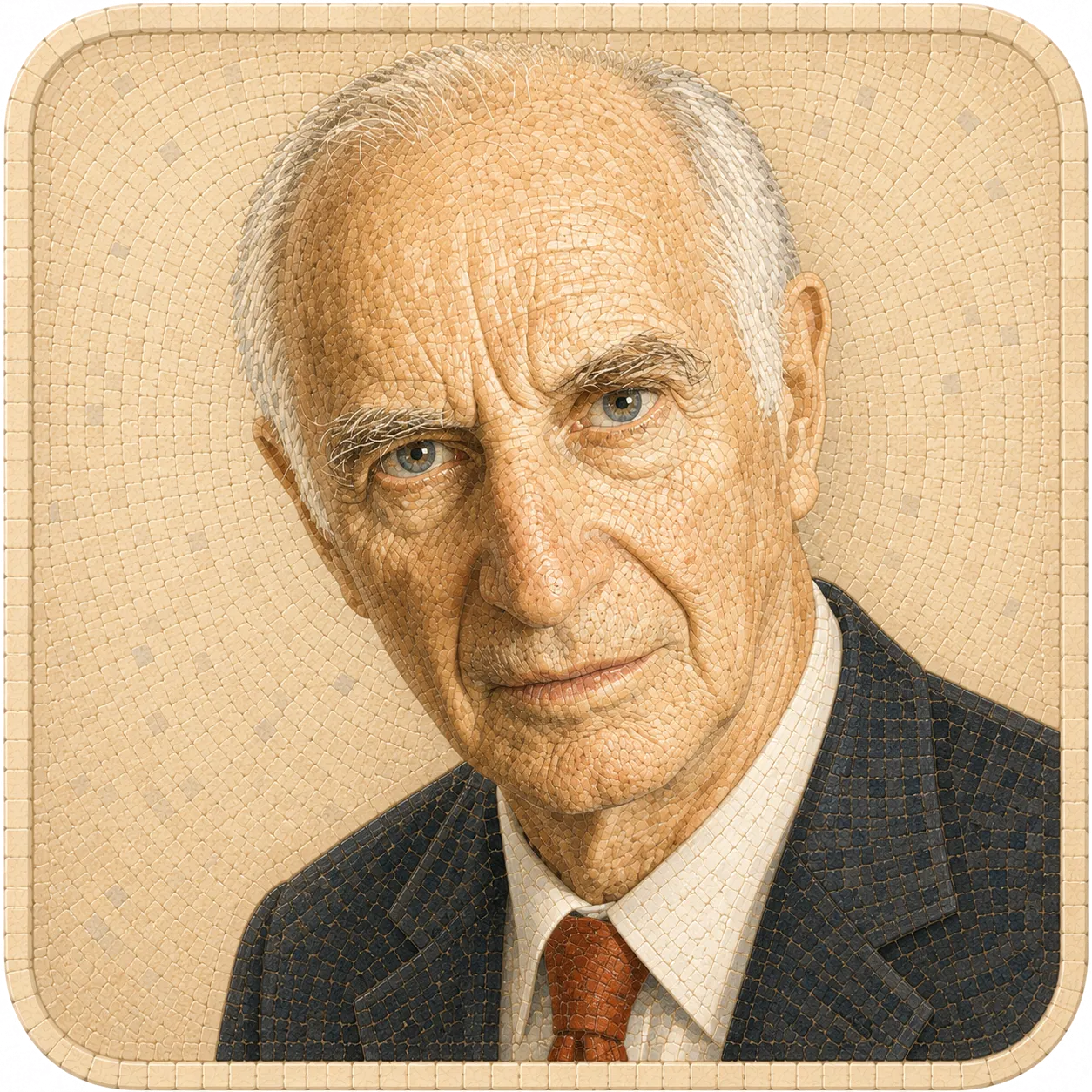
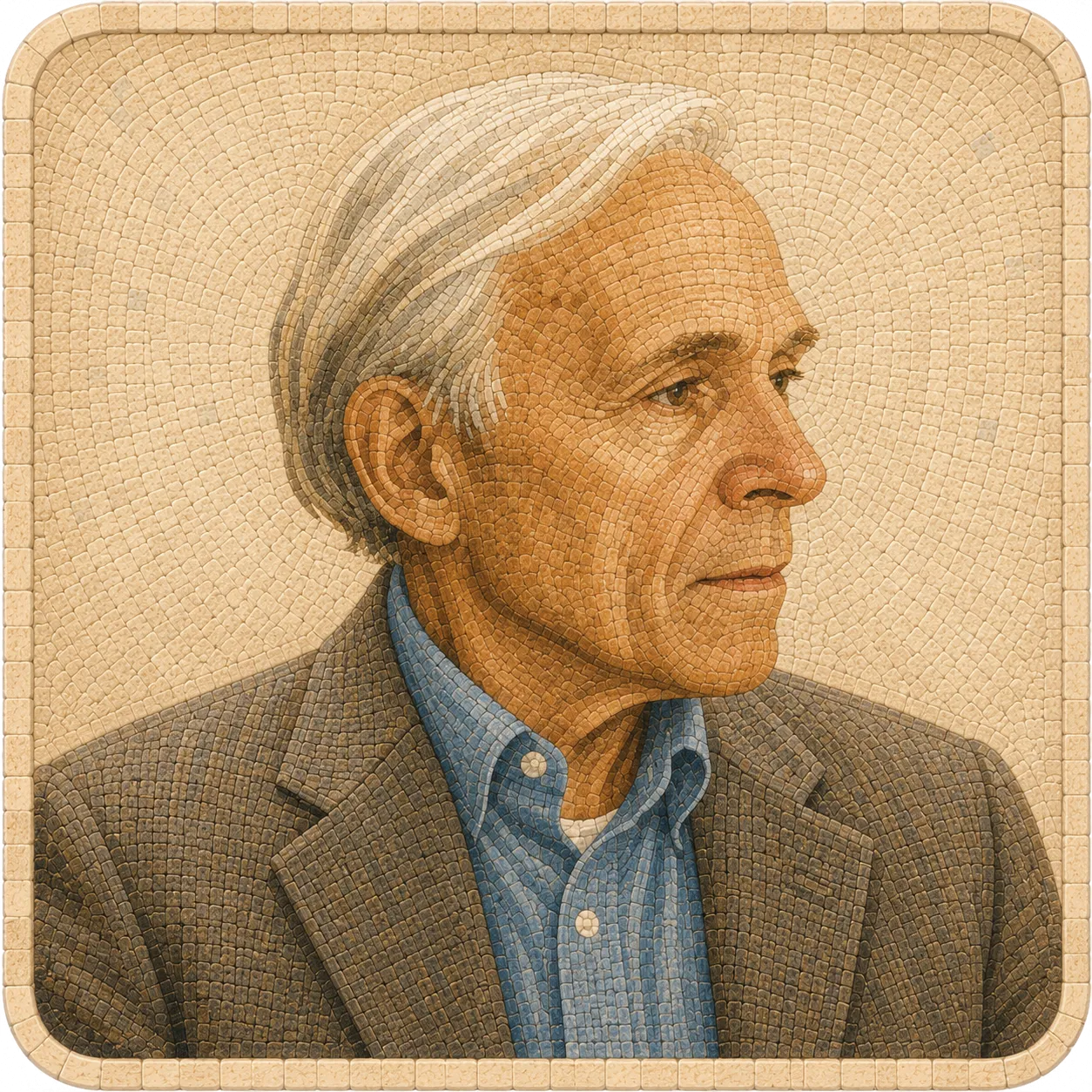
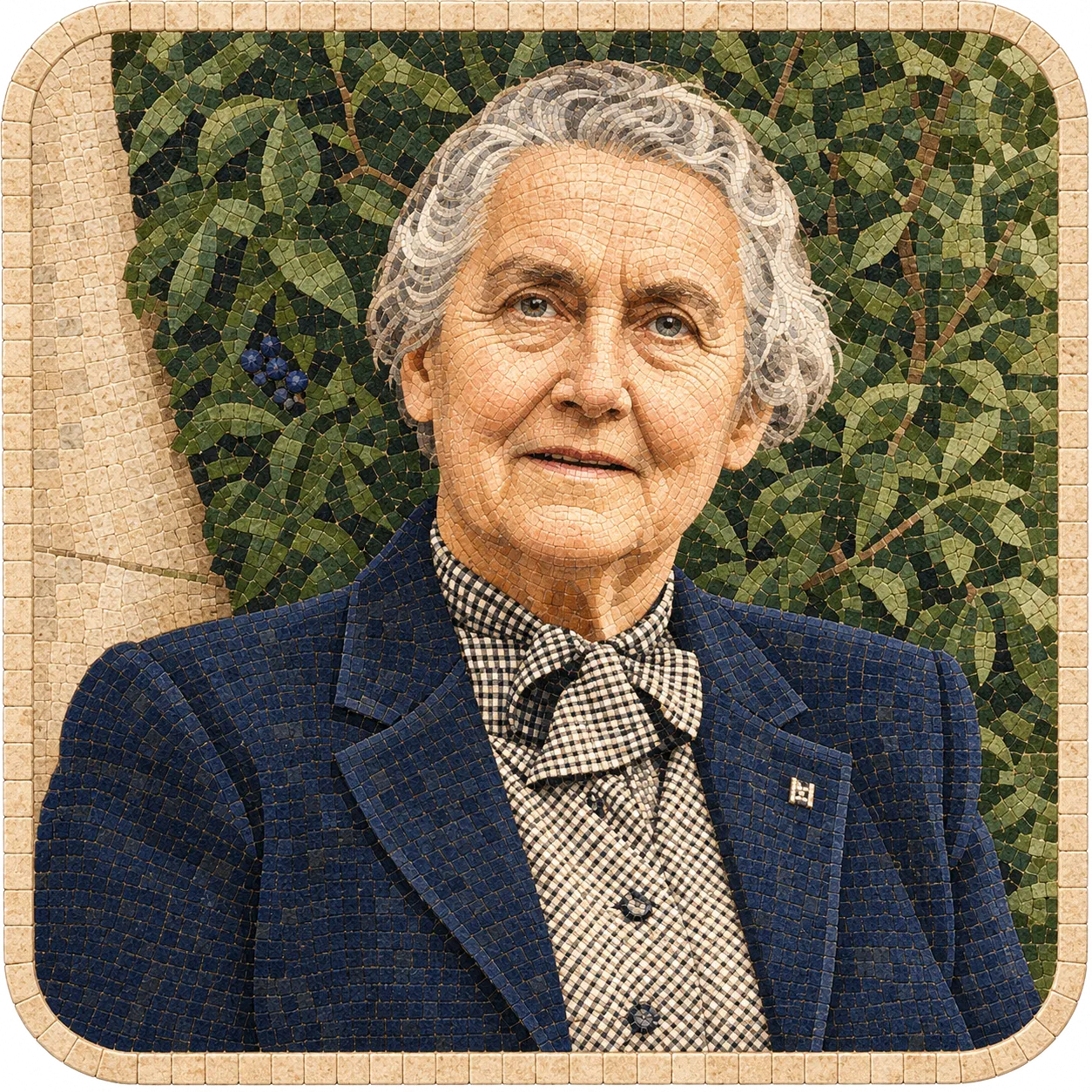
Who shaped it



Bring it to your own life
A technique is just a method until you turn it inward. Answer one.


From method to habit
Psipas turns the simplest of these techniques into a daily ritual — one question, one answer, a picture that grows.