למה זה עובד
Dreams speak in pictures, not sentences. The same scene can carry a wish, a fear and a memory at once. Unfolding it patiently turns a strange night-image into something the waking self can actually use.
Treating a dream as a coded message from the deeper self, and unfolding it slowly — image by image — rather than reading it at face value.
למה זה עובד
Dreams speak in pictures, not sentences. The same scene can carry a wish, a fear and a memory at once. Unfolding it patiently turns a strange night-image into something the waking self can actually use.
איך עושים את זה
כמה תנועות שנושאות את השיטה — בחדר הטיפול, או בקטן, בעצמכם.
Tomorrow morning, write down the first dream-image you remember and one sentence on the feeling it left behind.
איפה זה חי
מי עיצב אותה
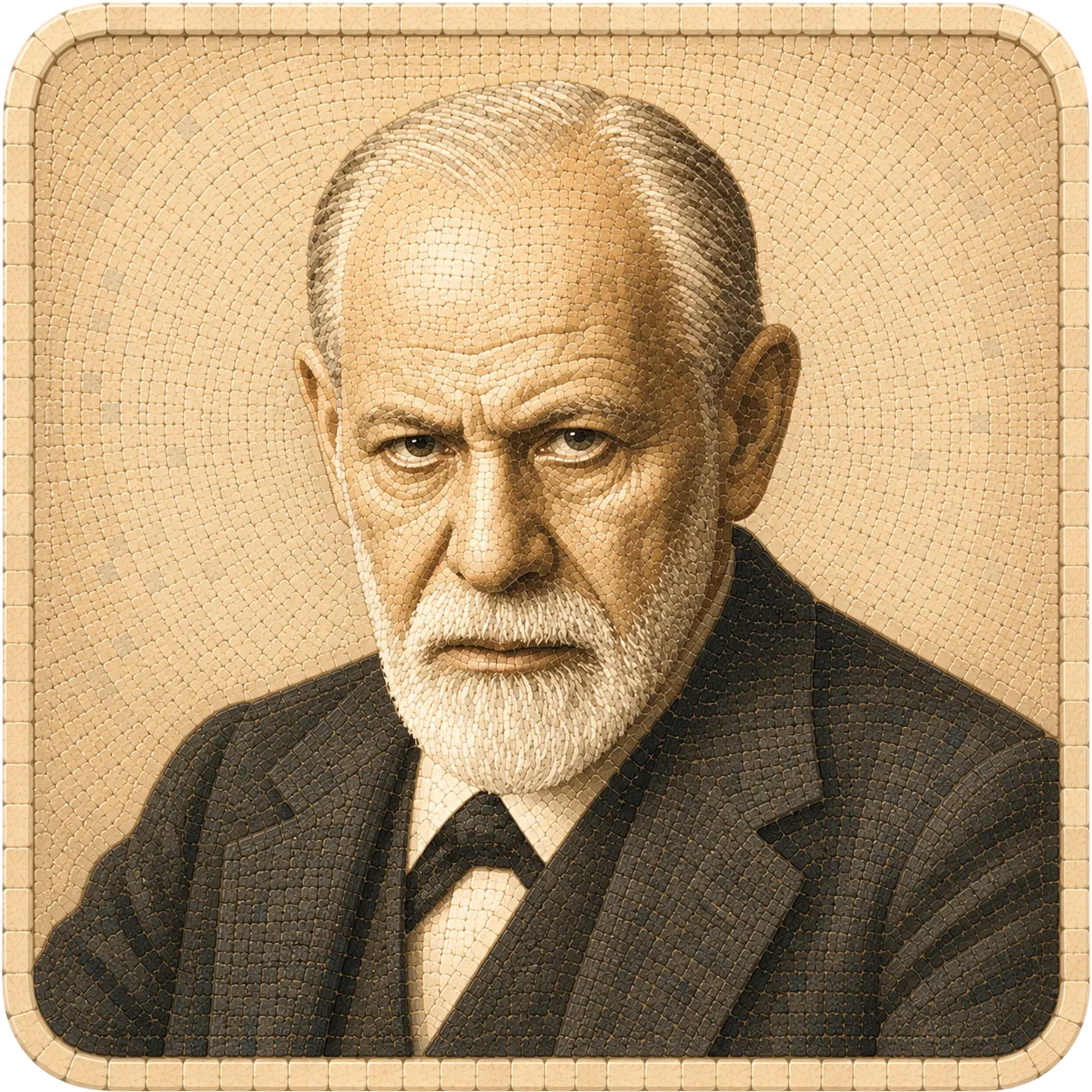
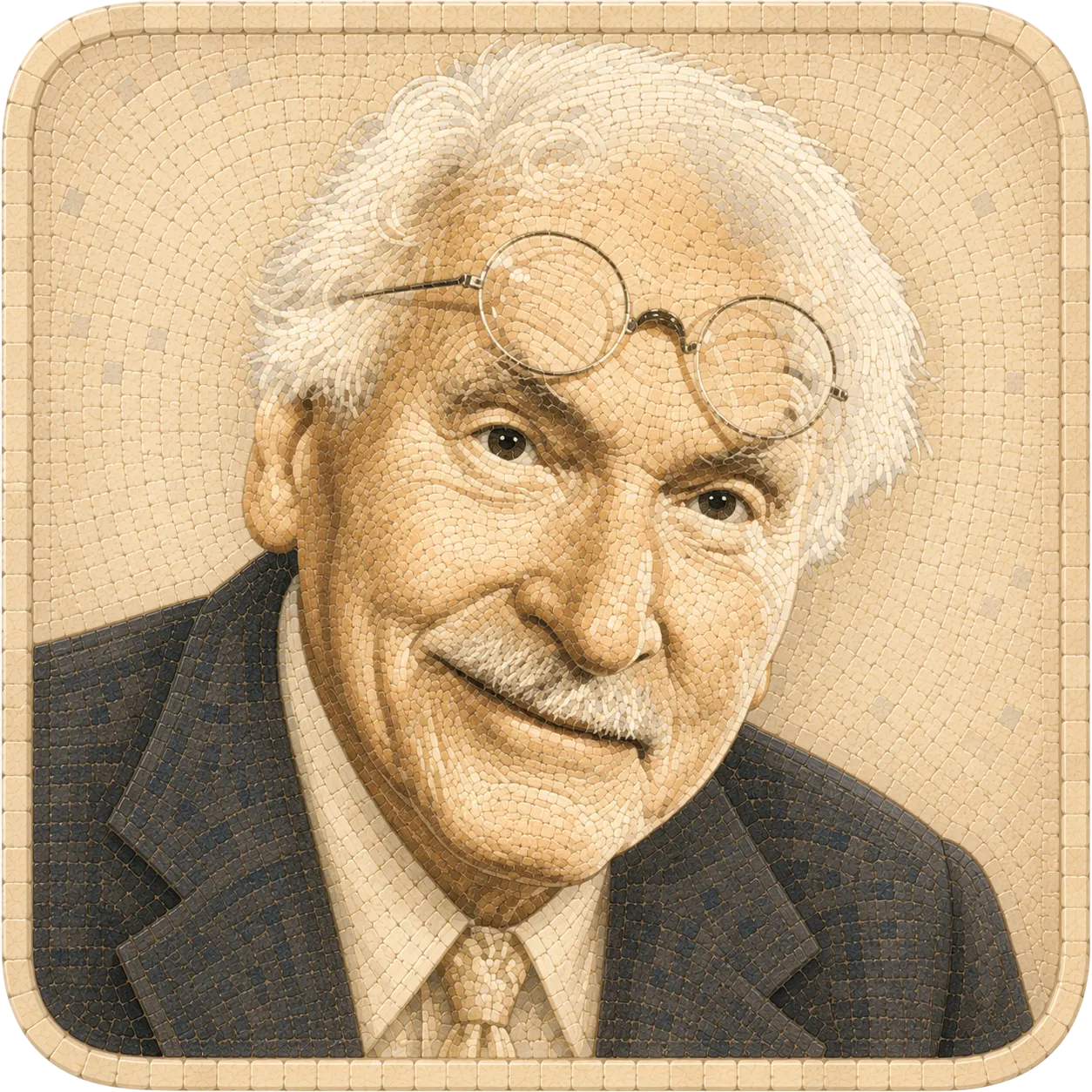
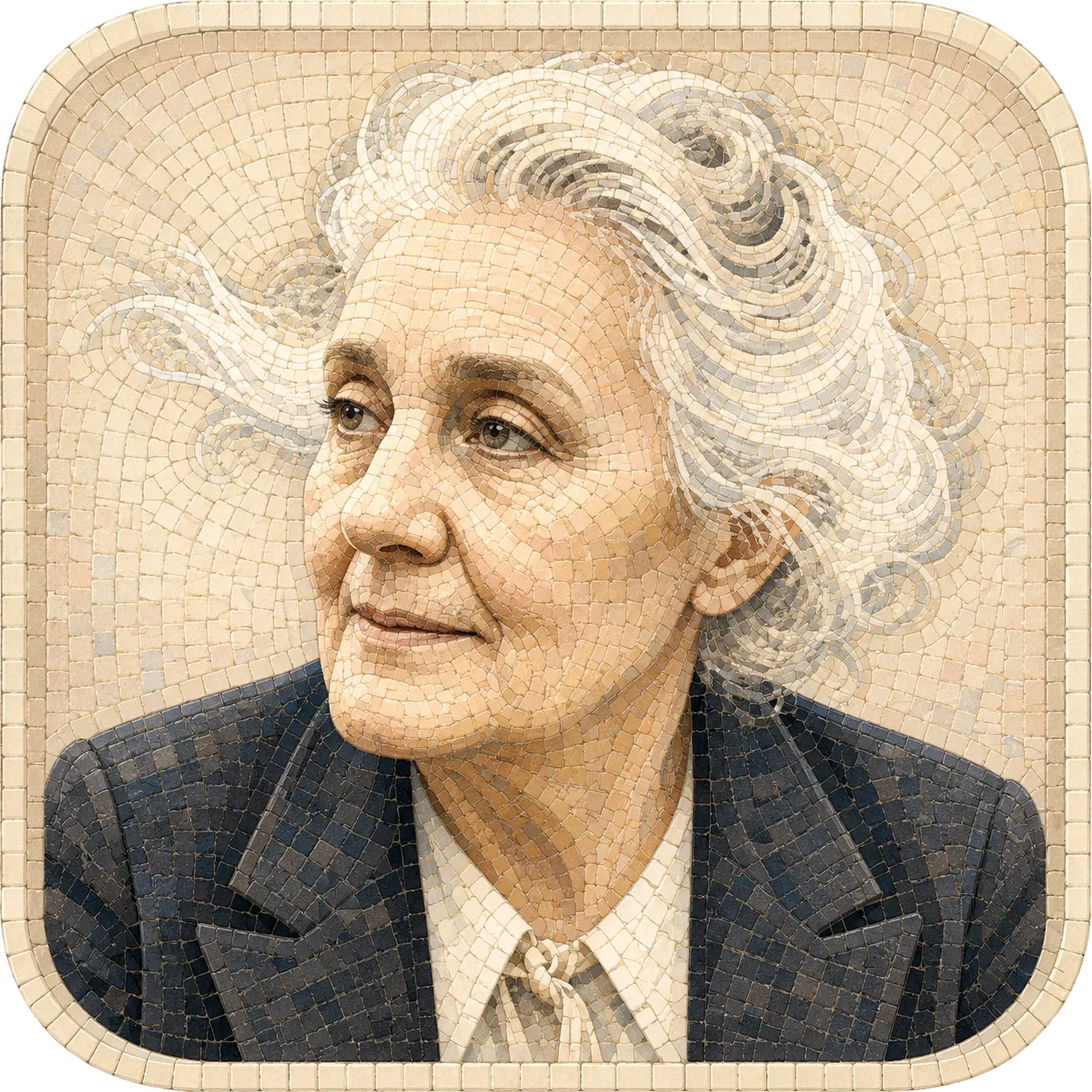
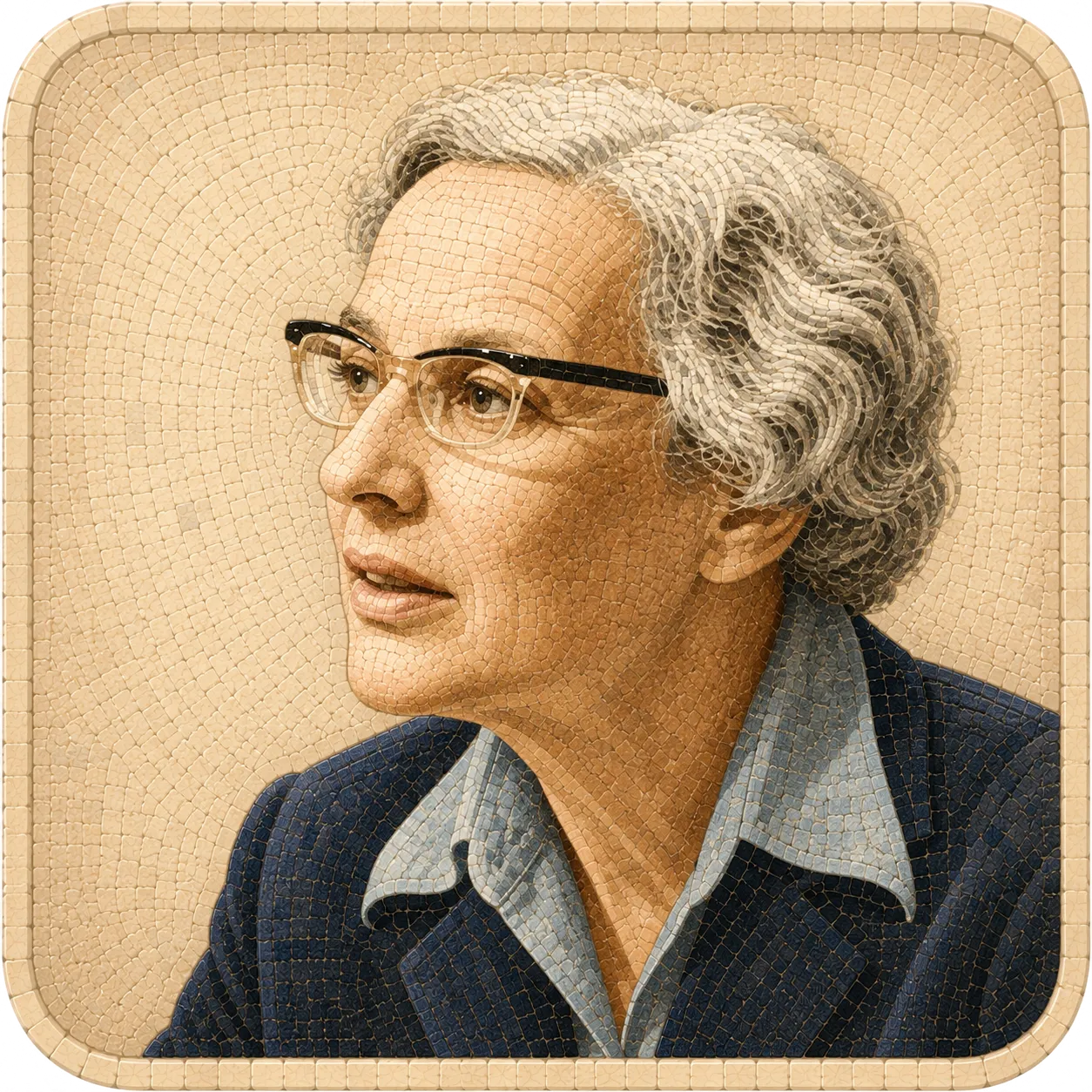

הביאו את זה לחיים שלכם
טכניקה היא רק שיטה עד שמפנים אותה פנימה. ענו על אחת.
מהשיטה אל ההרגל
פסיפס הופך את הפשוטות שבטכניקות האלה לטקס יומי — שאלה, תשובה, תמונה שצומחת.


