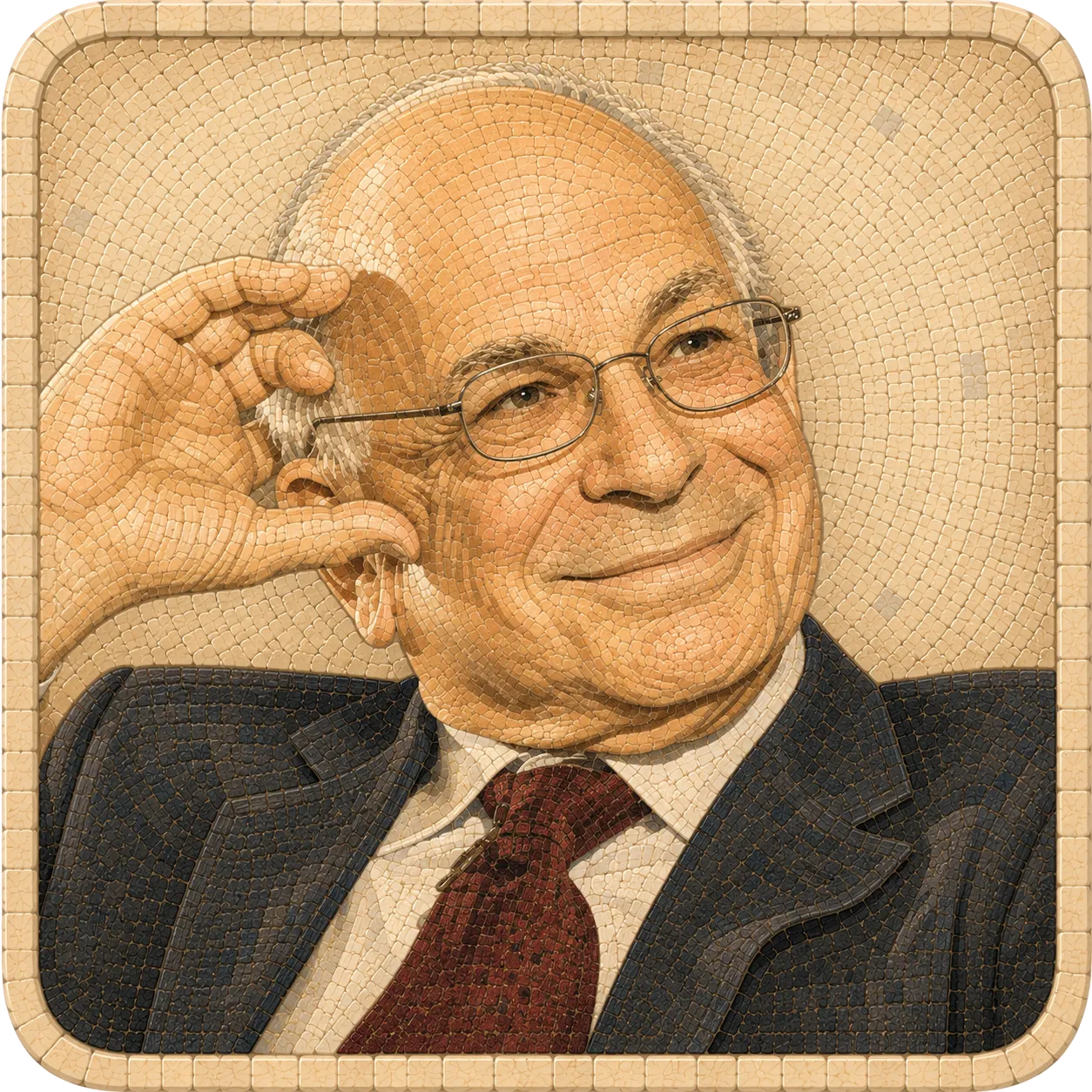
Daniel Kahneman
Two minds, one fast, one slow
A psychologist who won the Nobel in economics for revealing the hidden flaws in human judgment.
techniques
Intuition is fast and powerful, but quietly prone to bias.
Who they were
Daniel Kahneman, working closely with Amos Tversky, mapped the mental shortcuts people lean on when they judge risk and make decisions — and the predictable errors those shortcuts produce. Together they built prospect theory, showing that losses loom larger than gains and that how a choice is framed can change what we choose. He later described the mind as two systems: a fast, intuitive one and a slow, effortful one. His findings reshaped economics, medicine, and public policy, and earned him a Nobel Prize.
Famous books
What they left on the shelf
Terms they cared about
Ideas worth knowing
Their big idea
Prospect Theory
Daniel Kahneman and Amos Tversky found that people do not weigh risk the way pure logic predicts. We feel losses more sharply than equal gains, and the way a choice is framed can quietly tip which option we prefer.
Questions in their spirit
What they’d ask you
Sit with one. Answer online, or in the app.

Carry the idea forward
Kahneman — What they’d ask you
Psipas asks you one small, honest question at a time — and builds the picture from your answers.